From ancient civilizations to modern cities, sculptures have always captured the spirit of human creativity. Whether carved from marble or cast in bronze, these masterpieces tell stories of power, beauty, religion, and innovation.
In this guide, we explore the 20 most famous sculptures in the world, covering their history, artistic significance, and where you can see them today. Whether you’re an art lover, collector, or designer, this list will give you both inspiration and deeper insight into the world of sculpture.
Many of these masterpieces are created in marble and bronze, two of the most important materials in sculpture history. If you’re interested, you can also explore our detailed guides on famous marble sculptures and famous bronze statues.
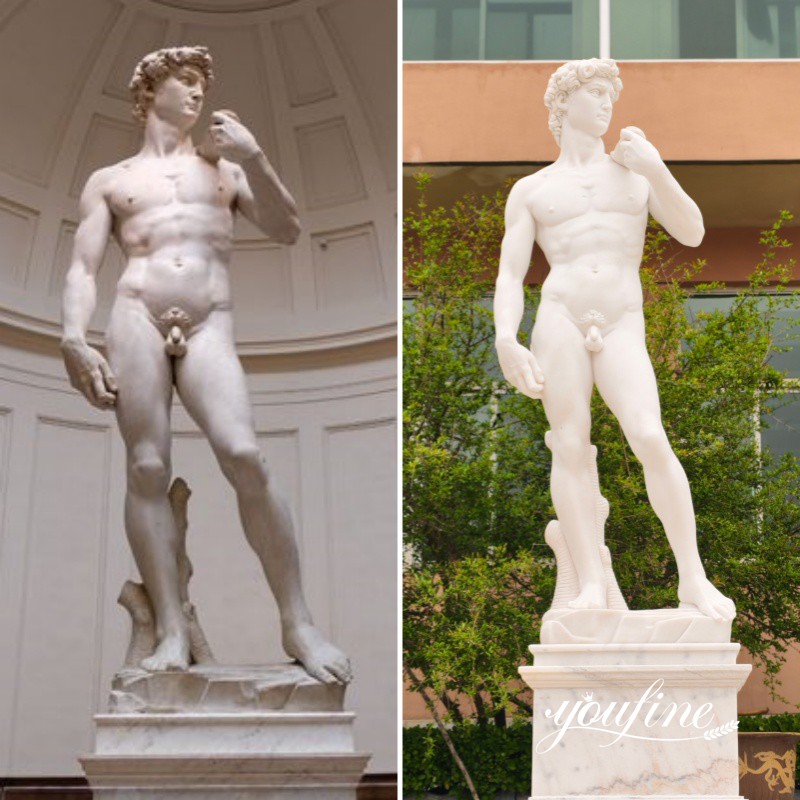
1. David by Michelangelo, Florence, Italy
Carved between 1501 and 1504, David is one of the greatest masterpieces of the Renaissance.
Michelangelo created David from a single block of marble, representing the biblical hero before his battle with Goliath.
Why It’s Famous
- Perfect human anatomy
- Symbol of strength and youth
- Mastery of marble carving
2. Venus de Milo, Louvre Museum, Paris
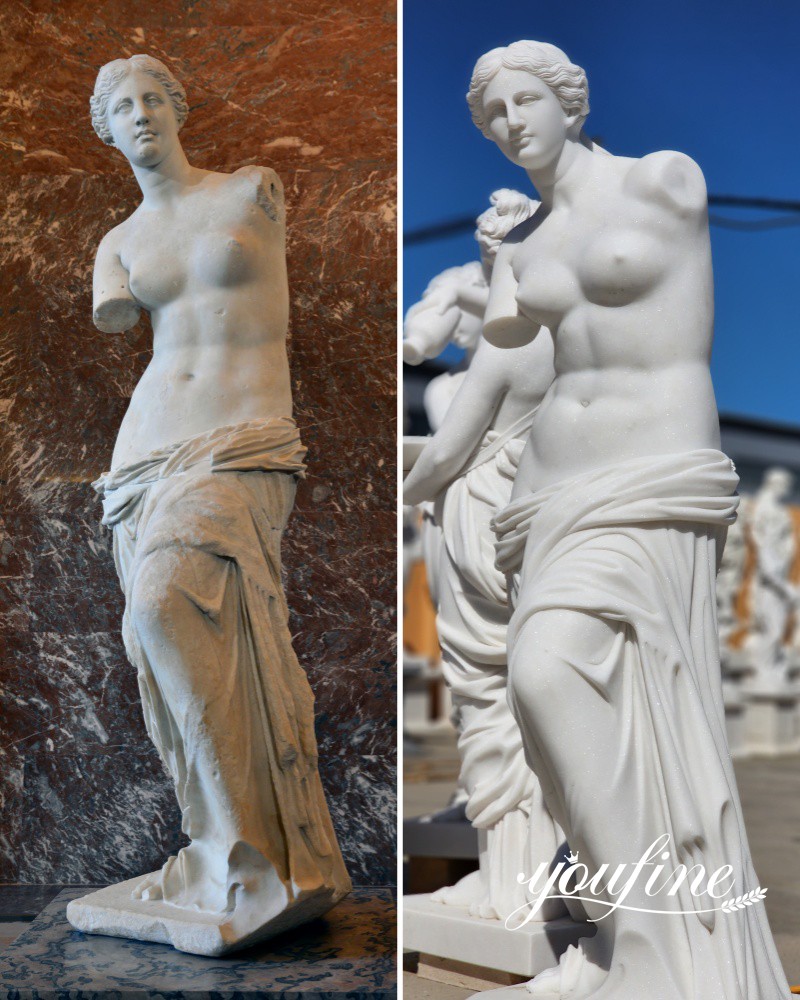
An ancient Greek statue believed to depict Aphrodite, the goddess of love.
Created around 130–100 BC, it was discovered on the island of Milos in 1820.
Why It’s Famous
- Timeless beauty
- Missing arms add mystery
- Icon of classical art
3. The Thinker by Auguste Rodin, Paris, France
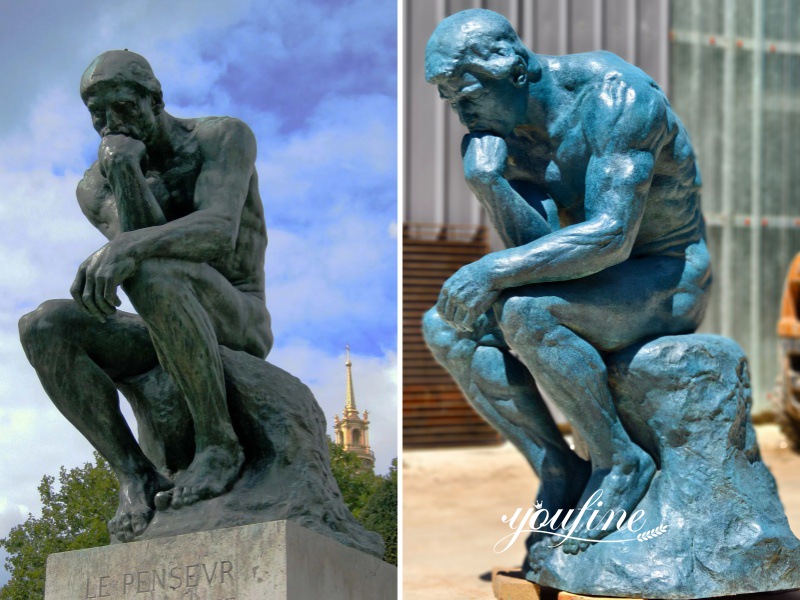
A bronze sculpture representing philosophy and deep thought.
Originally part of Rodin’s larger work The Gates of Hell.
Why It’s Famous
- Powerful expression
- Icon of intellectual reflection
4. Pietà, Vatican City
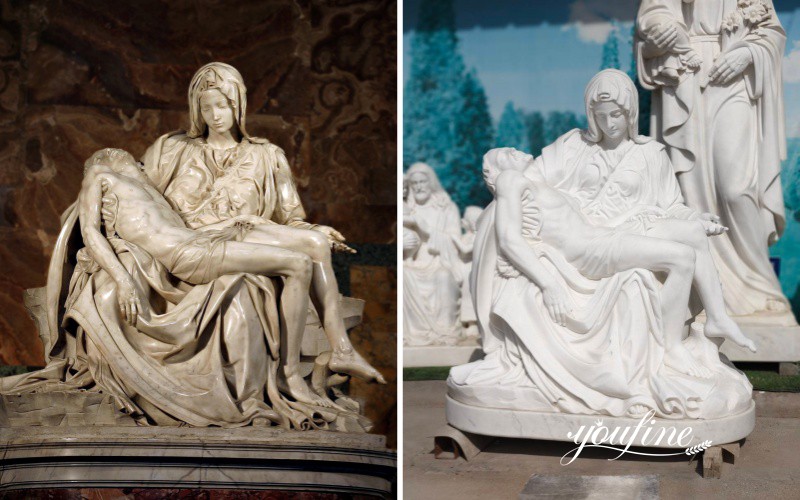
A moving depiction of the Virgin Mary holding Jesus.
Completed in 1499, showcasing Michelangelo’s early genius.
Why It’s Famous
- Emotional intensity
- Exceptional detail
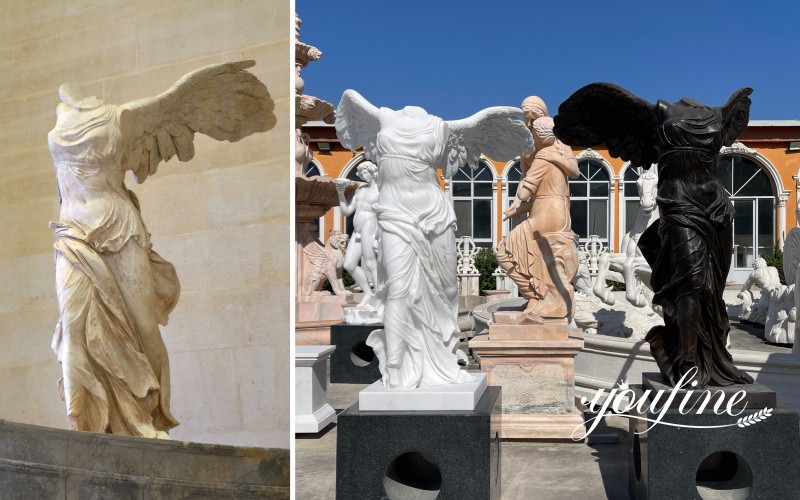
5. Nike of Samothrace, Louvre Museum
A dynamic Greek sculpture of the goddess Nike.
Why It’s Famous
- Sense of motion
- Dramatic composition
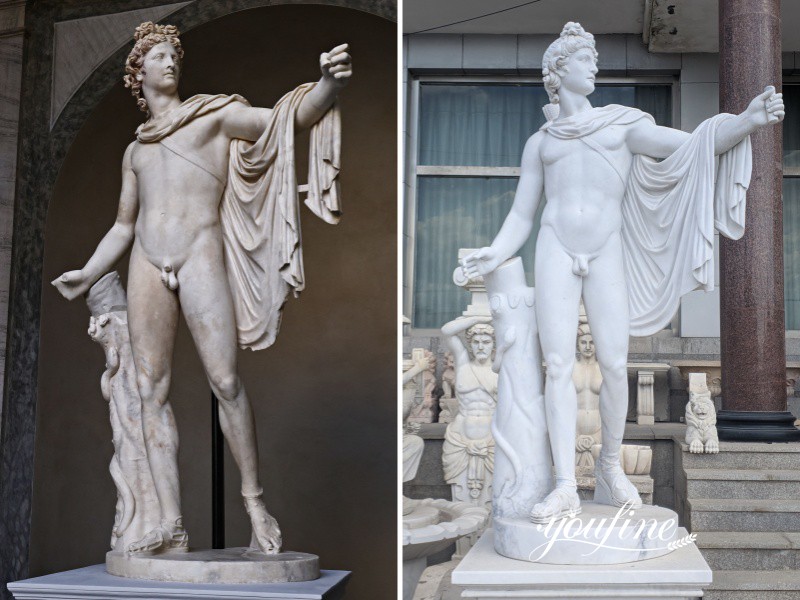
6. Apollo Belvedere, Vatican Museums
A Roman copy of a Greek original representing Apollo.
Why It’s Famous
- Idealized male beauty
- Influential in Renaissance art
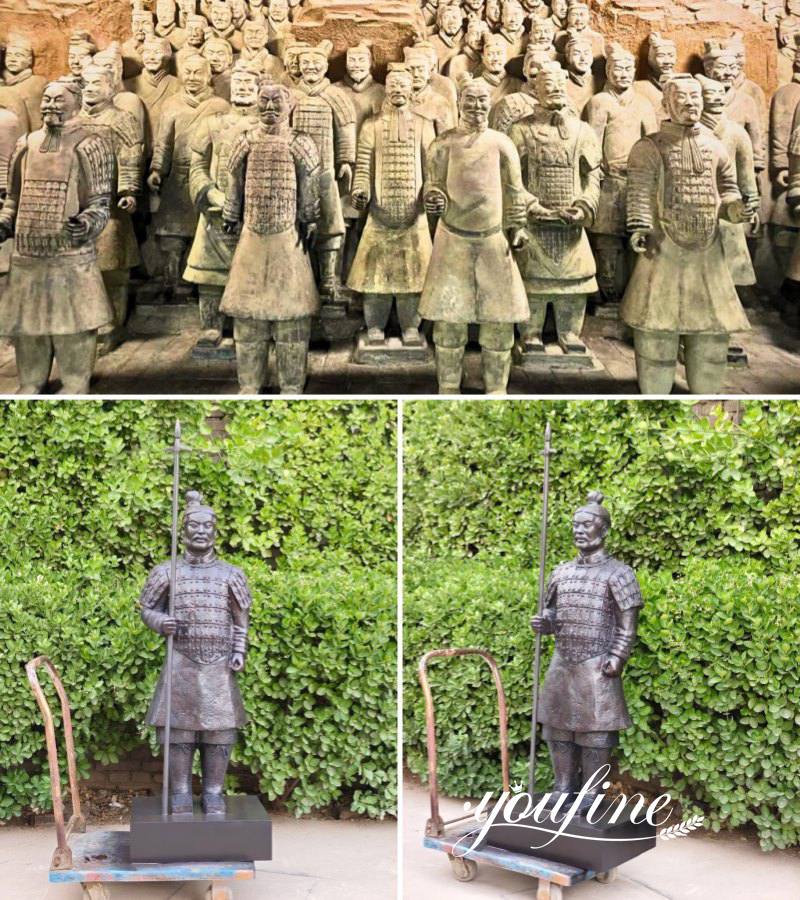
7. Terracotta Army, Xi’an, China
Thousands of life-sized soldiers buried with China’s first emperor.
Why It’s Famous
- Massive scale
- Historical significance
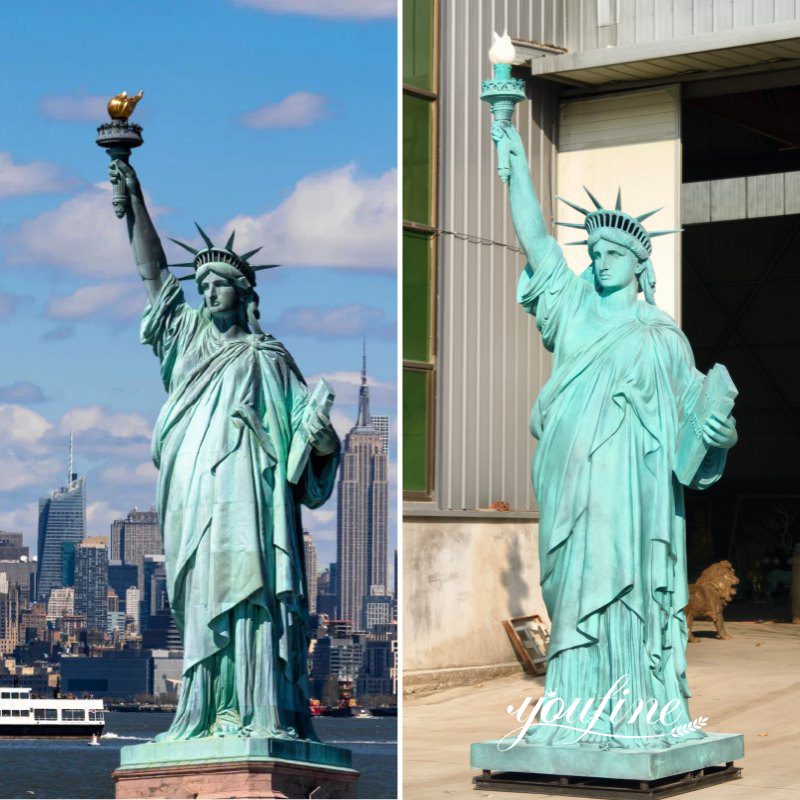
8. Statue of Liberty, New York, USA
A symbol of freedom and democracy.
Why It’s Famous
- Gift from France
- Global cultural icon
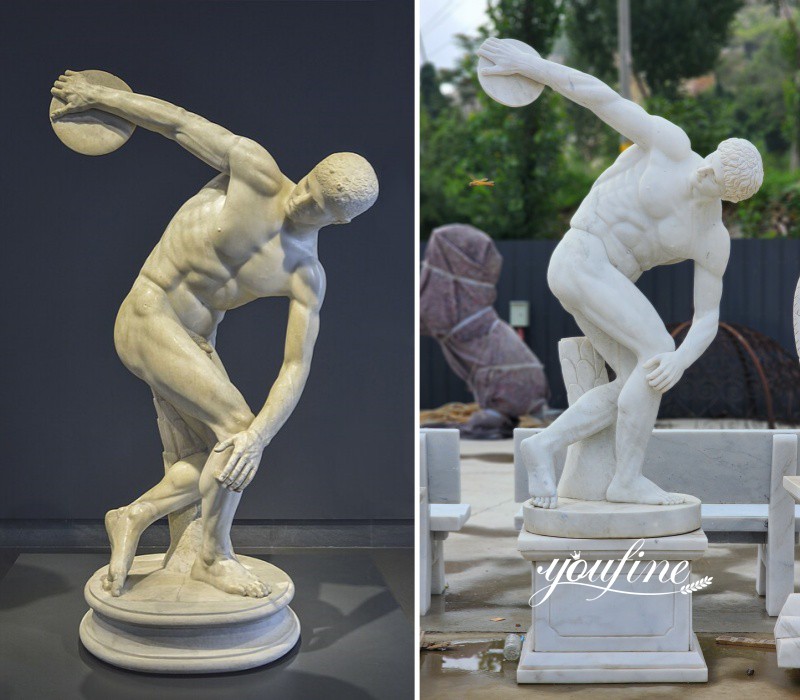
9. Discobolus, National Roman Museum, Italy (copy)
An ancient Greek sculpture representing a discus thrower.
Created by Myron around 450 BC, the original bronze is lost, but Roman copies survive.
Why It’s Famous
- Captures motion perfectly
- Ideal proportions
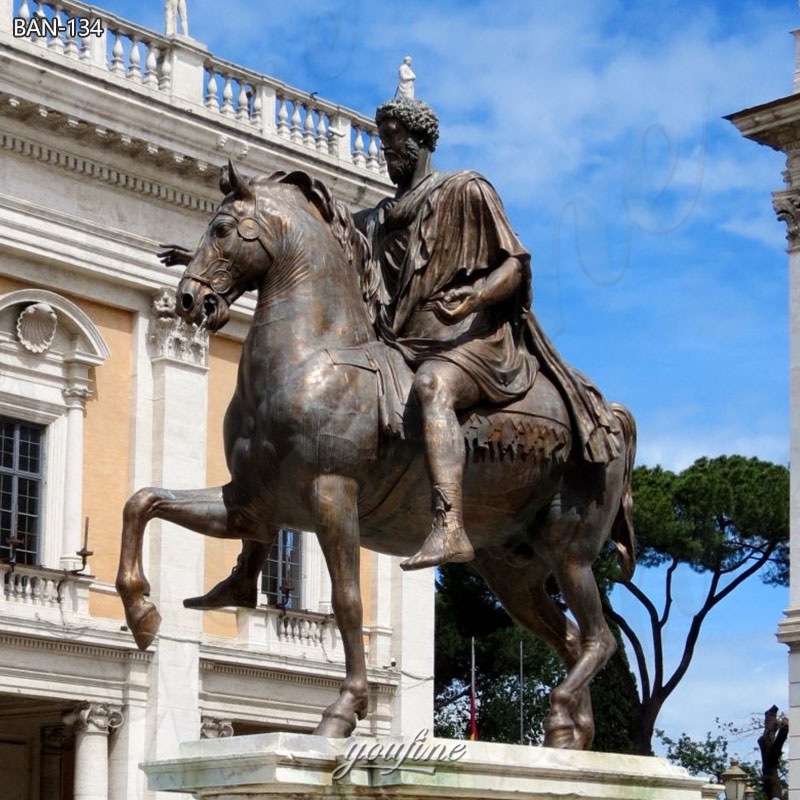
10. Equestrian Statue of Marcus Aurelius, Capitoline Museums, Rome
A bronze statue of the Roman emperor on horseback.
Created around 175 AD, it survived because it was mistaken for a Christian emperor.
Why It’s Famous
- Rare surviving bronze
- Symbol of imperial authority
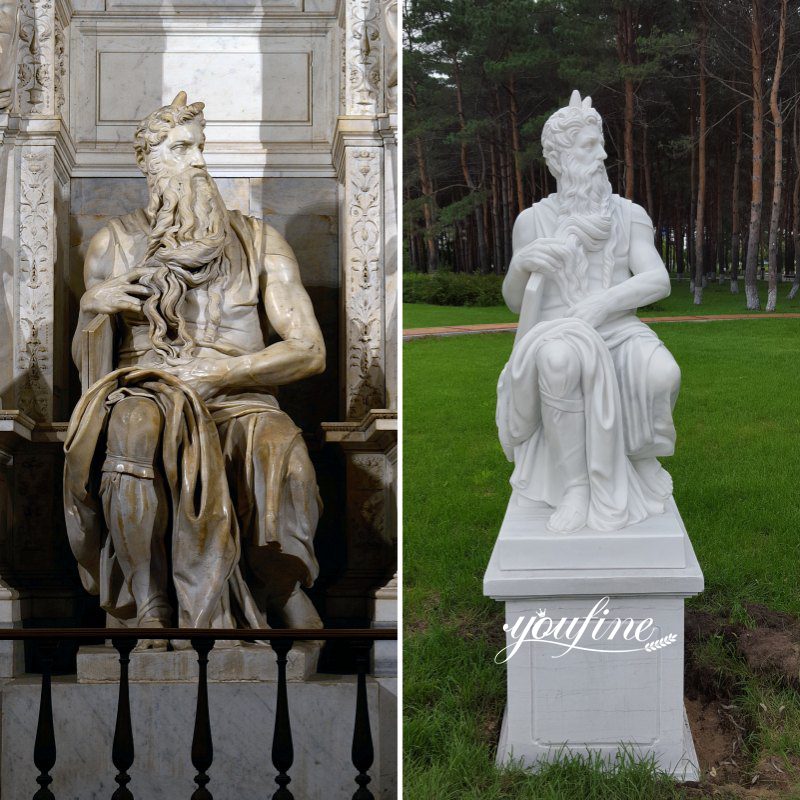
11. Moses, San Pietro in Vincoli, Rome, Italy
A monumental marble sculpture depicting the biblical prophet Moses.
Created by Michelangelo around 1513–1515 for the tomb of Pope Julius II, it reflects the High Renaissance mastery of anatomy and emotion.
This sculpture is widely studied in marble carving for its lifelike tension and detail.
Why It’s Famous
- Intense facial expression and realism
- Extraordinary detail in beard and muscles
- A defining work of Renaissance sculpture
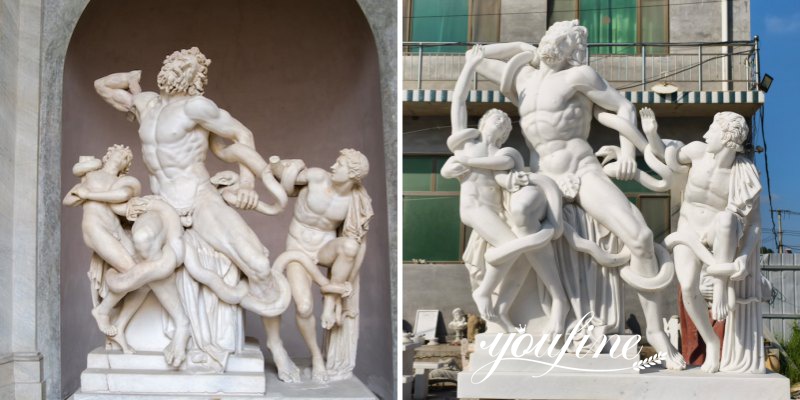
12. Laocoön and His Sons, Vatican Museums, Vatican City
A dramatic marble sculpture showing a Trojan priest and his sons attacked by sea serpents.
Believed to date from around the 1st century BC, it was rediscovered in Rome in 1506 and greatly influenced Renaissance artists.
A key reference for dynamic composition and emotional storytelling in sculpture.
Why It’s Famous
- Powerful depiction of pain and struggle
- Masterpiece of Hellenistic drama
- Influenced artists like Michelangelo
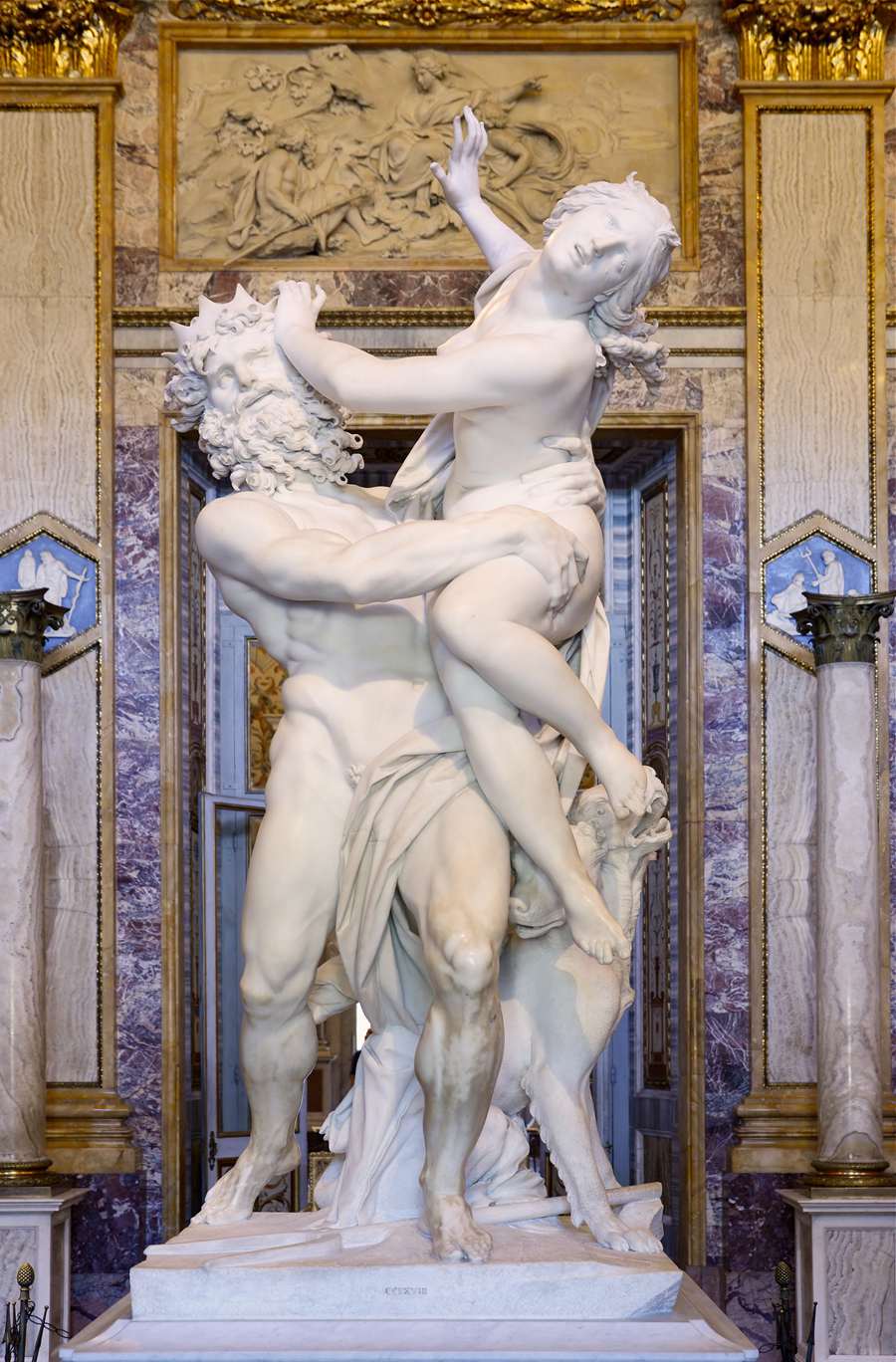
13. The Rape of Proserpina by Gian Lorenzo Bernini, Galleria Borghese, Rome, Italy
A Baroque sculpture capturing Pluto abducting Proserpina.
Completed in 1622, it showcases Bernini’s revolutionary ability to depict movement in marble.
Why It’s Famous
- Marble that appears soft like skin
- Dramatic motion and emotion
- Technical brilliance
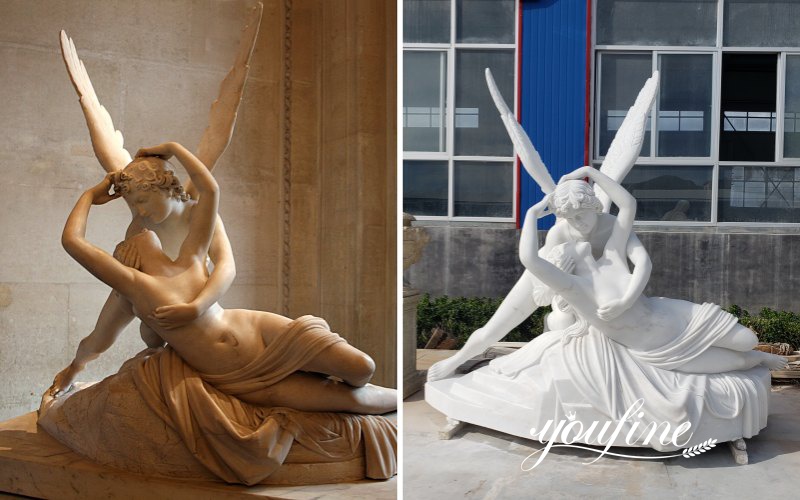
14. Psyche Revived by Cupid’s Kiss, Louvre Museum, Paris, France
A romantic marble sculpture showing Cupid awakening Psyche.
Created by Antonio Canova in the late 18th century, representing Neoclassical elegance.
A popular inspiration for romantic garden sculptures.
Why It’s Famous
- Graceful composition
- Emotional tenderness
- Perfect balance of movement
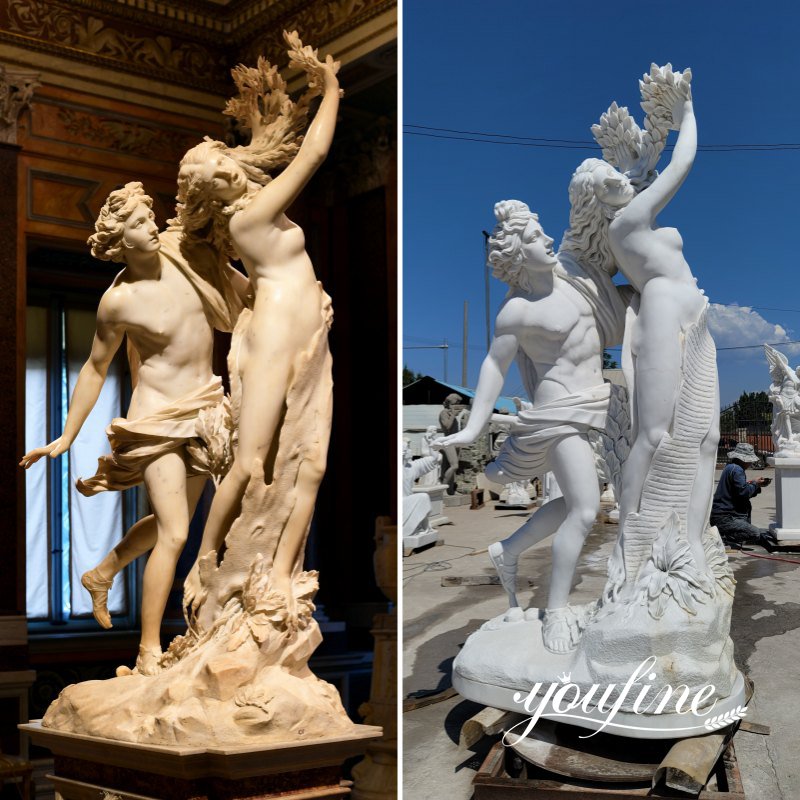
15. Apollo and Daphne, Galleria Borghese, Rome, Italy
A sculpture capturing Daphne transforming into a tree while escaping Apollo.
Completed in 1625 by Bernini, this work exemplifies Baroque storytelling.
Why It’s Famous
- Incredible transformation detail
- Movement frozen in time
- Technical mastery
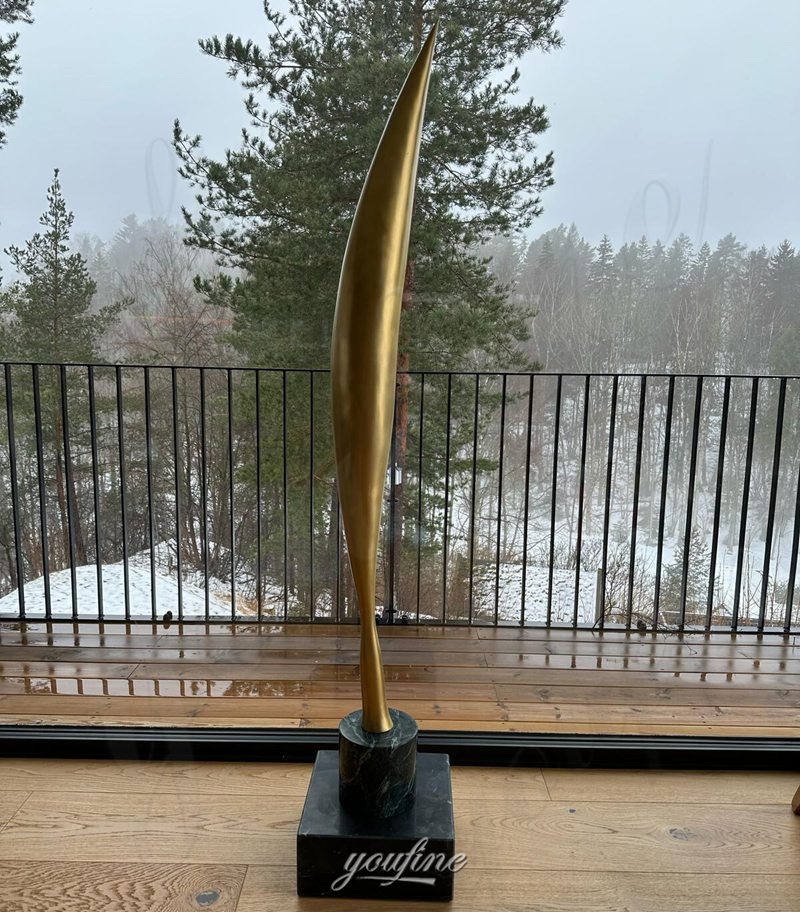
16. Bird in Space by Constantin Brancusi
An abstract sculpture representing the essence of flight.
Created in the 1920s, it marked a shift toward modern abstraction.
Why It’s Famous
- Minimalist design
- Redefined sculpture aesthetics
- Influential in modern art
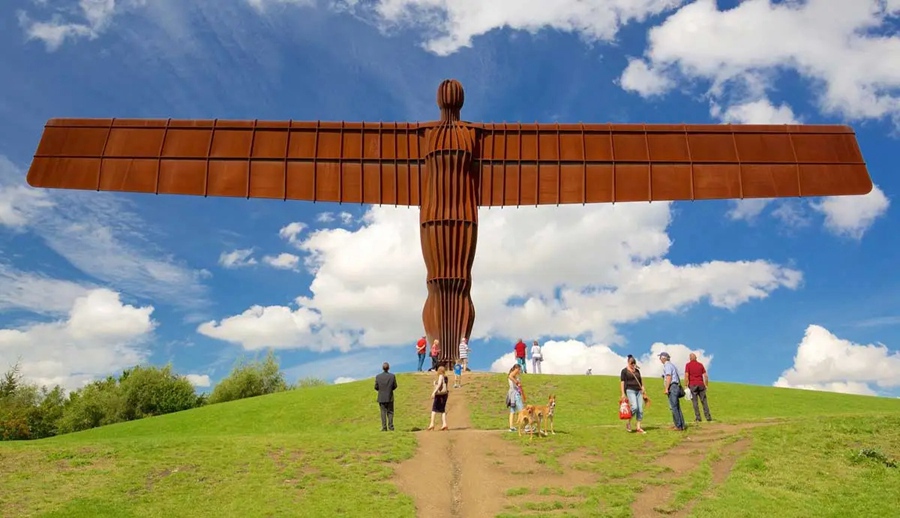
17. Angel of the North, Gateshead, England
A massive steel sculpture overlooking northern England.
Designed by Antony Gormley and completed in 1998.
A benchmark for large-scale outdoor sculpture projects.
Why It’s Famous
- Monumental scale
- Industrial symbolism
- Public landmark
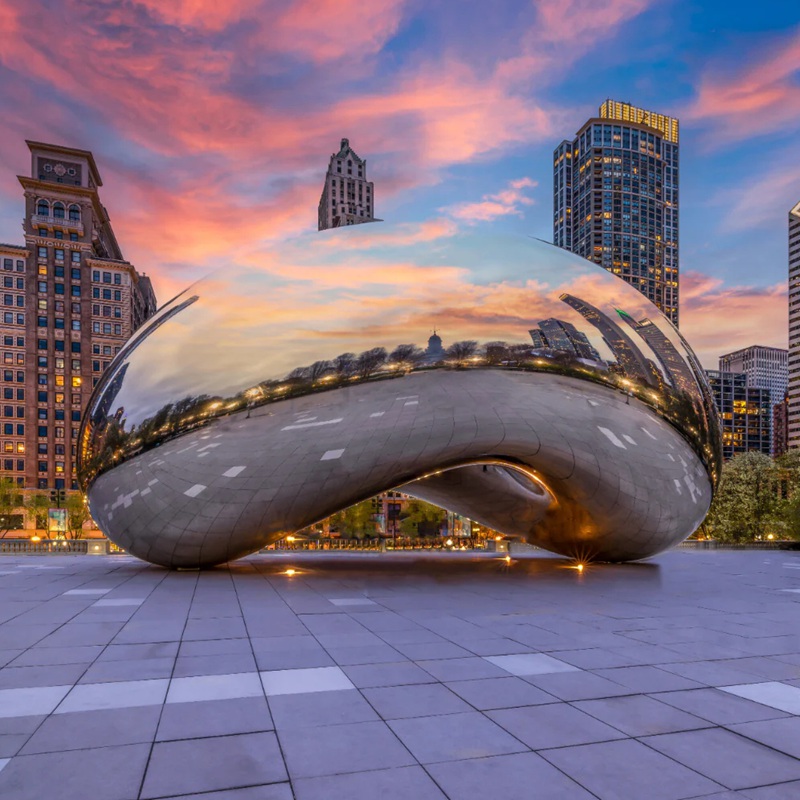
18. Cloud Gate, Millennium Park, Chicago, USA
A reflective public sculpture often called “The Bean”.
Created by Anish Kapoor and unveiled in 2006.
Why It’s Famous
- Mirror-like stainless steel surface
- Interactive public experience
- Icon of modern Chicago

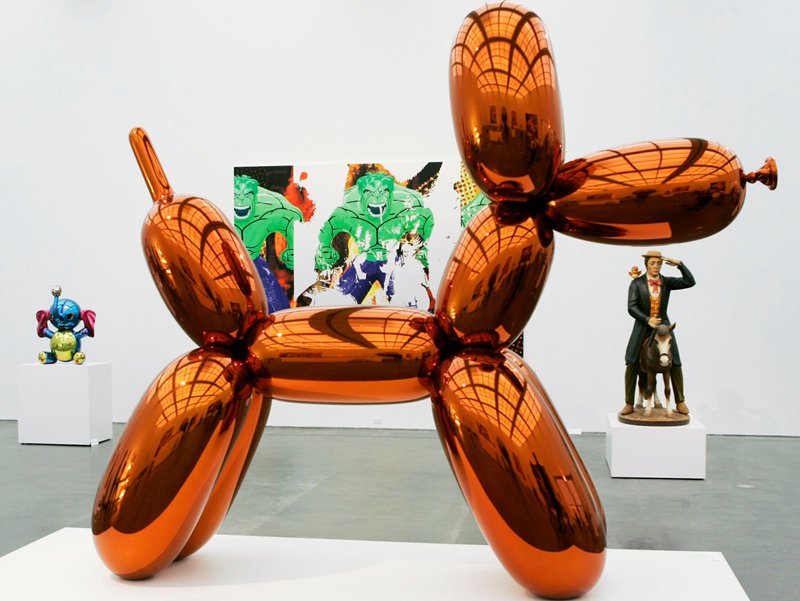
19. Balloon Dog by Jeff Koons
A stainless steel sculpture resembling a balloon animal.
Created in the 1990s as part of Koons’ Celebration series.
Why It’s Famous
- Pop art influence
- Record-breaking auction prices
- Playful yet luxurious
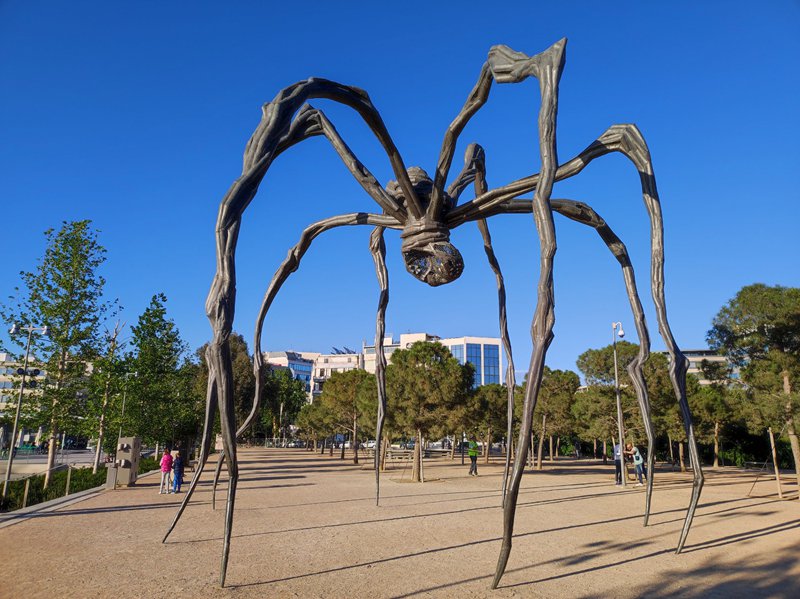
20. Maman by Louise Bourgeois
A giant spider sculpture symbolizing motherhood and protection.
Created in 1999, inspired by Bourgeois’ memories of her mother.
Why It’s Famous
- Emotional symbolism
- Striking and intimidating form
- Global installations
What Makes a Sculpture Famous?
Several key factors determine why a sculpture becomes world-famous:
- Historical importance
- Artistic innovation
- Cultural symbolism
- Public visibility and location
Ancient vs Modern Sculptures
Aspect | Ancient Sculptures | Modern Sculptures |
Material | Marble, Bronze | Stainless Steel, Corten Steel, Fiberglass |
Style | Realism | Abstract |
Purpose | Religion, Politics | Expression, Concept |
Conclusion
These famous sculptures are more than just works of art — they are milestones of human history and creativity. From classical masterpieces to modern icons, each piece tells a unique story that continues to inspire millions around the world.
Looking for your own timeless sculpture?
At YouFine, we specialize in handcrafted marble and bronze sculptures, bringing museum-quality art into private gardens, villas, and public spaces.
Contact YouFine today to start your custom sculpture project.