When customers ask me, “What makes a good sculpture?”, they often expect a simple answer. But the truth is more nuanced.
A sculpture is not defined as “good” simply because it is made of marble, bronze, or stainless steel. Instead, great sculptures share the same core principles—regardless of material.
What changes are the details of how quality is evaluated within each material.
In this guide, we’ll break down:
- The universal standards of a good sculpture
- How these standards apply differently to marble, bronze, and stainless steel
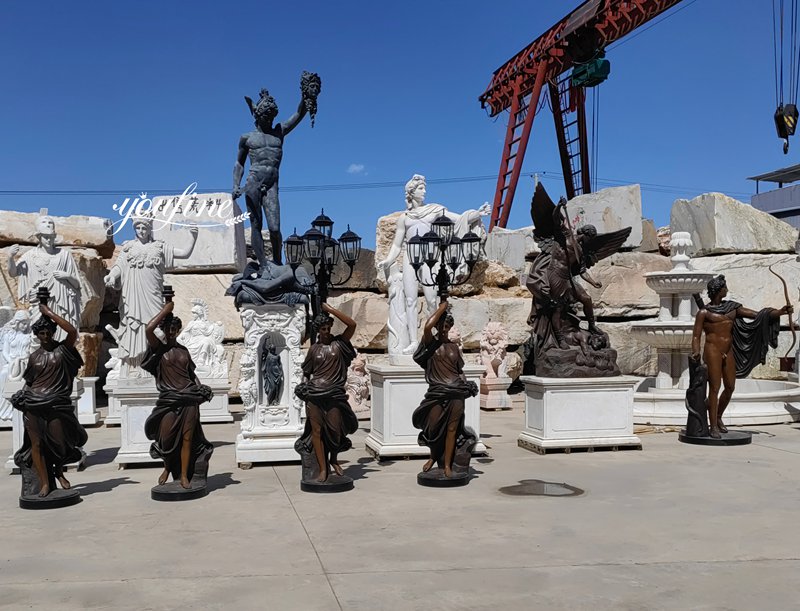
What are the Universal Standards of a Good Sculpture?
No matter the material, a high-quality sculpture should always meet these core criteria:
1. Strong Artistic Design
A good sculpture must have:
- Balanced proportions
- Clear form and structure
- A sense of movement or presence
It should feel intentional—not awkward or stiff.
2. Emotional or Visual Impact
A sculpture should communicate something:
- Power
- Calmness
- Elegance
- Energy
Even abstract works should create a visual response.
3. High-Level Craftsmanship
Details matter. From a distance, a sculpture may look impressive—but up close, the quality reveals itself through:
- Surface treatment
- Fine details
- Transitions and edges
4. Harmony with Its Environment
- A good sculpture fits its space:
- Size and scale are appropriate
- Style matches surroundings
It enhances, not clashes with the environment
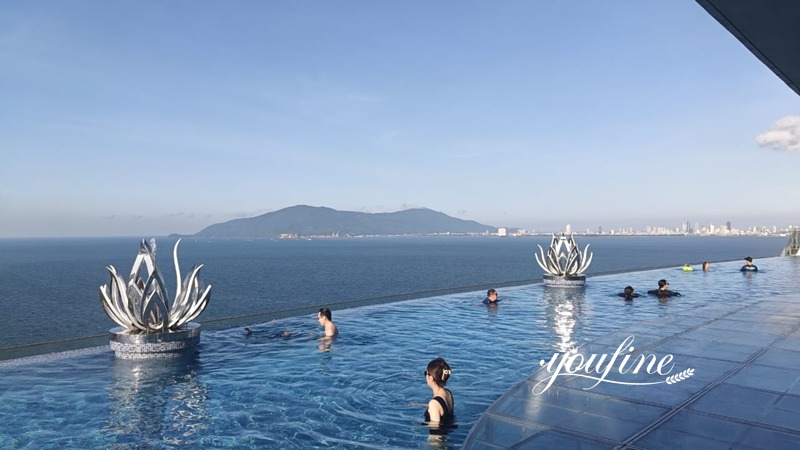
How Material Changes the Definition of “Good”?
While the principles above remain constant, each material expresses quality in a different way.
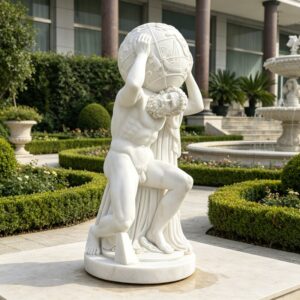
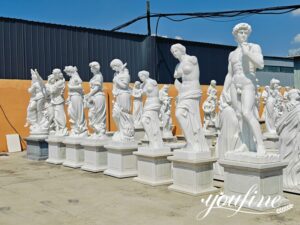
Marble Sculpture: Good Means Precision and Softness
Marble is unforgiving. Mistakes cannot be hidden. Every cut is permanent, which makes craftsmanship especially critical. A good marble sculpture is defined by:
Refined Details and Smooth Transitions
- Clean, confident carving lines
- Natural and flowing folds in drapery
- Soft, lifelike facial expressions
A great example of marble mastery can be seen in David, where every detail feels both precise and natural.
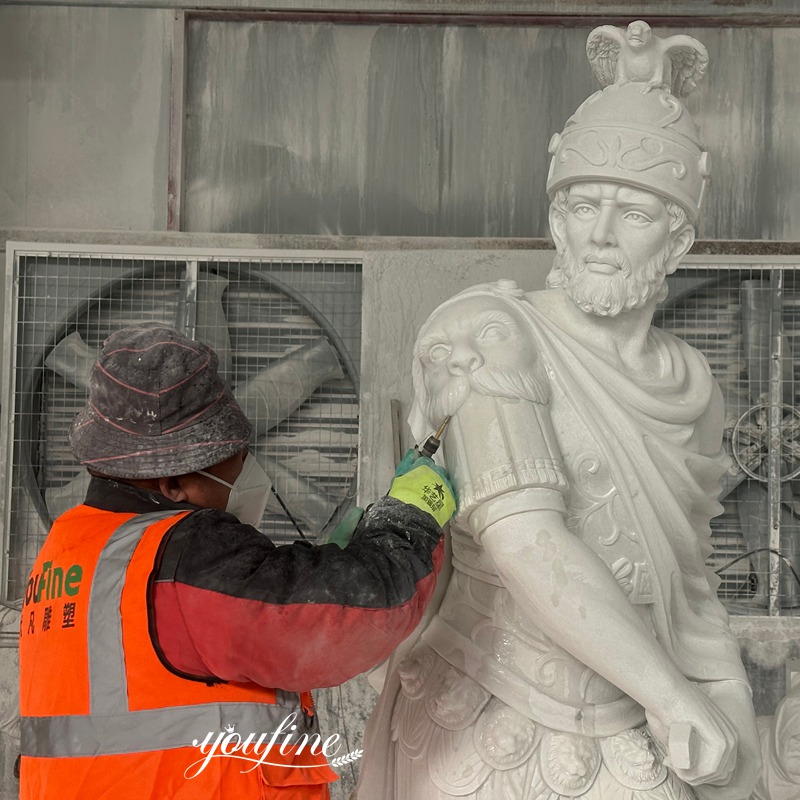
Hand Carving vs. Machine Carving
One of the most important yet often overlooked factors is how the sculpture is made.
Machine-carved sculptures:
- Are efficient and cost-effective
- Often produce overly uniform or rigid surfaces
- May lack subtle transitions and fine emotional detail
Hand-carved sculptures, by contrast:
- Show natural variation in lines and depth
- Capture delicate transitions that machines struggle to replicate
- Convey a sense of rhythm, intention, and craftsmanship
Experienced artisans adjust pressure and angle throughout the carving process, allowing the surface to feel alive rather than mechanical. This is why hand-carved marble sculptures often appear more expressive and refined.
Surface Purity
- No visible cracks, patches, or defects
- Consistent and dense texture
- High-quality natural stone selection
Balance Between Strength and Delicacy
- A well-made marble sculpture achieves a subtle balance:
- Structurally solid and stable
- Visually light and elegant
Conclusion for Marble
In marble sculpture, “good”means controlled craftsmanship, refined detail, and a sense of softness that brings the material to life.
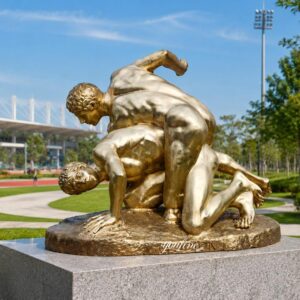
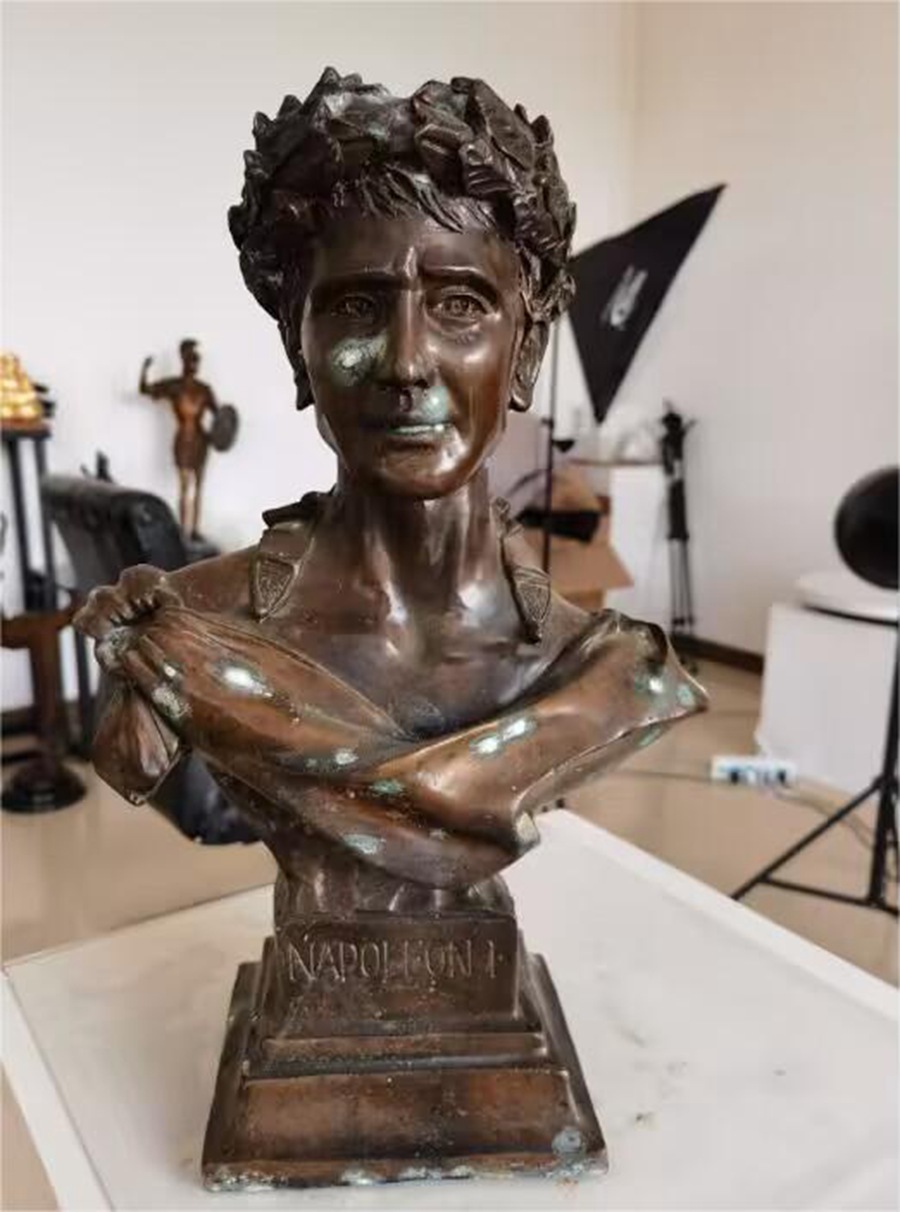
Bronze Sculpture: Good Means Life and Depth
Bronze allows greater freedom and artistic expression compared to many other materials. It is especially suited for capturing movement, energy, and fine detail.
A good bronze sculpture is defined by several key factors:
Lifelike Form and Movement
- Muscles, motion, and posture feel natural
- The sculpture captures a dynamic moment in time
- The overall form conveys energy and realism
Rich Surface Treatment (Patina)
Unlike marble, bronze relies heavily on surface finishing to achieve its final appearance.
A good patina:
- Has depth and natural variation in color
- Is applied by hand rather than sprayed
- Ages gracefully over time
This finishing process gives each bronze sculpture a unique visual character.
Quality Casting Process
High-end bronze sculptures are typically made using Lost-wax casting, a traditional method that allows for exceptional detail and precision.
A well-cast sculpture should have:
- Sharp and clear details
- Even wall thickness
- Strong structural integrity

Long-Term Stability: What Many Buyers Overlook
In real projects, many clients come to us after a disappointing experience.
They often mention that the sculpture they previously purchased began to develop green spots or white stains shortly after installation. This is not just a surface issue—it is usually the result of outdated casting materials and low-cost production methods.
Some foundries still rely on traditional ammonia-based processes to reduce costs. However, these methods can lead to instability in the metal surface, causing oxidation problems over time.
At YouFine, we use advanced silica sol casting technology, which offers several key advantages:
- Helps prevent white spots and unwanted oxidation
- Improves surface density and detail clarity
- Enhances long-term durability, especially in outdoor environments
This difference in process is often what separates a sculpture that lasts for decades from one that deteriorates within a few years.
Conclusion for Bronze
In bronze sculpture, “good” is not only about artistic vitality and visual depth—it is also about long-term stability, durability, and resistance to aging.
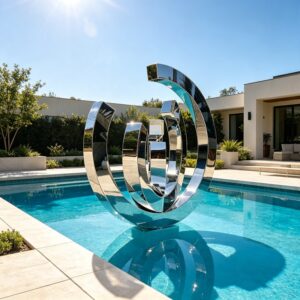
Stainless Steel Sculpture: Good Means Precision and Perfection
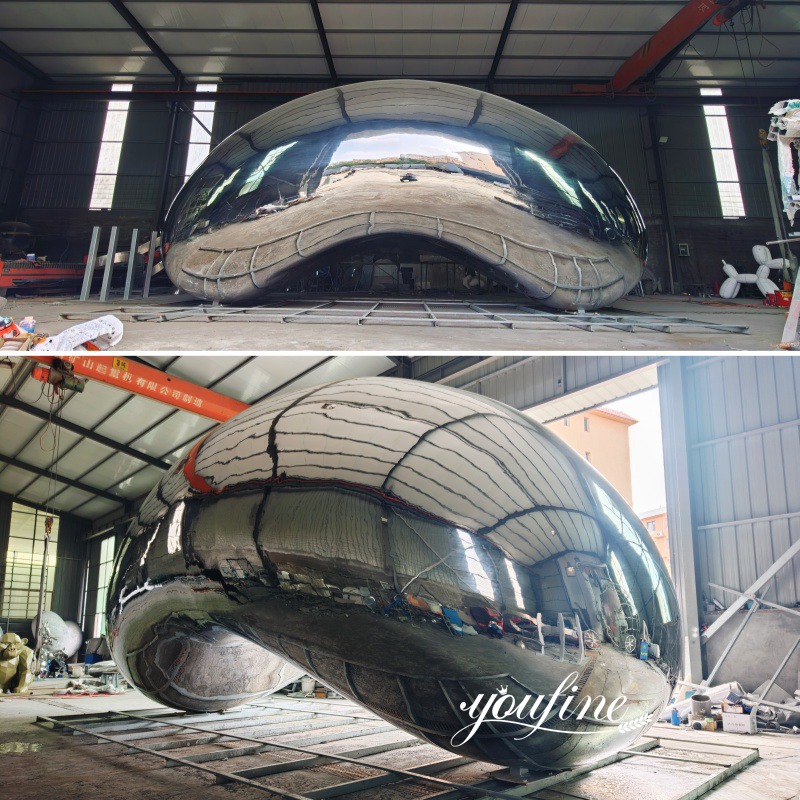
Stainless steel is modern—and highly demanding. Unlike other materials, it does not hide imperfections. Every flaw in structure or finishing is immediately visible.
A good stainless steel sculpture is defined by:
Flawless Surface Finish
- Mirror-like reflection or consistent brushed texture
- No distortions, scratches, or uneven polishing
- Smooth and continuous visual effect
For mirror-polished sculptures, one simple way to judge quality is reflection accuracy:
when a person stands directly in front of the sculpture, their reflection should remain clear and undistorted. Any visible warping or stretching usually indicates uneven polishing or poor surface control.
Invisible Construction
- Welding seams are completely hidden
- Joints are seamlessly blended into the surface
- Forms appear continuous and uninterrupted
High-quality stainless steel work should look as if it were formed from a single piece.
Structural Strength
Especially for large-scale sculptures:
- Internal support structures must be strong and well-engineered
- The sculpture must withstand wind, temperature changes, and outdoor conditions
- Safety and long-term stability are essential
Conclusion for Stainless Steel
In stainless steel sculpture, “good” means precision, surface perfection, and engineering excellence—where both aesthetics and structure meet the highest standards.
Same Standards, Different Expressions
Across all materials, the definition of a good sculpture follows the same foundation:
- Design
- Craftsmanship
- Presence
But the way quality reveals itself is different:
- Marble shows it through refinement and control
- Bronze shows it through life and texture
- Stainless steel shows it through precision and perfection
Why This Matters When Choosing a Sculpture?
Understanding these differences helps you:
- Avoid low-quality pieces
- Choose the right material for your project
- Evaluate craftsmanship beyond appearance
Why Experience Still Matters Most?
Even with the best material, a sculpture can fail without proper execution.
An experienced manufacturer ensures:
- Correct material selection
- Skilled craftsmanship
- Reliable structure and finishing
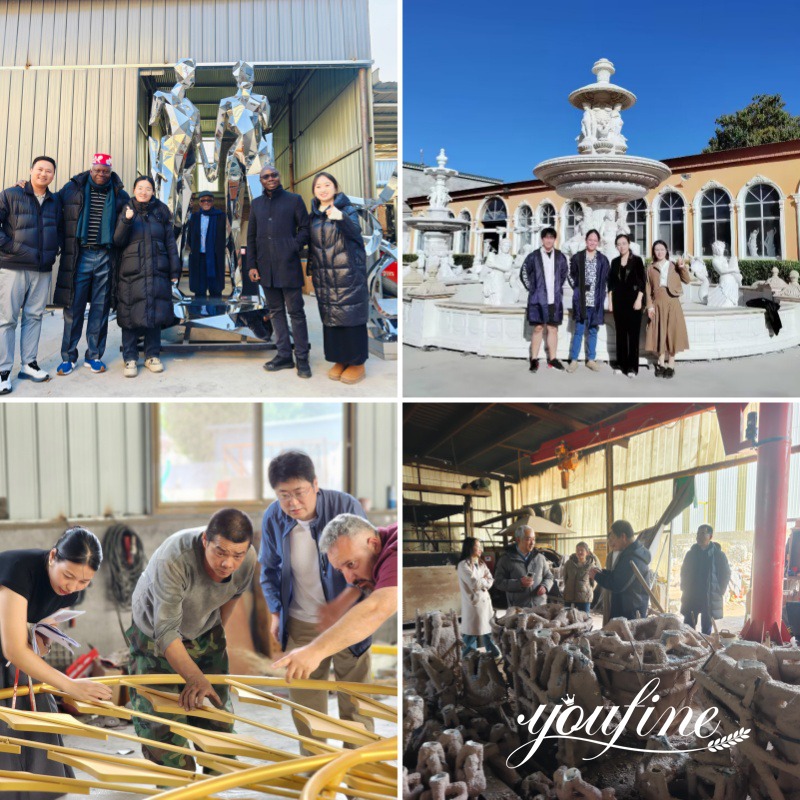
With over 40 years of experience, YouFine combines traditional techniques with modern production to deliver sculptures that meet the highest standards—across all materials.
Conclusion
A good sculpture is not defined by what it is made of, but how well it is made. The principles remain the same. Only the expression changes.
Need help choosing the right sculpture? Contact YouFine for expert guidance and customized solutions tailored to your project.