A land art sculpture is a form of environmental art created directly within a natural landscape, using materials such as earth, stone, water, or vegetation. Unlike traditional sculptures displayed in galleries or museums, land art is site-specific and designed to interact with its surroundings.
Emerging in the late 1960s, land art challenged the boundaries between art and nature. Artists began moving away from commercial art spaces and instead created large-scale works in deserts, fields, and open environments. These sculptures are often monumental in size and may change over time due to weather, erosion, and natural processes.
Today, land art sculpture has evolved beyond purely natural materials. Modern interpretations often combine artistic vision with durable materials such as bronze or stainless steel, making them suitable for long-term outdoor installations in public and private spaces.
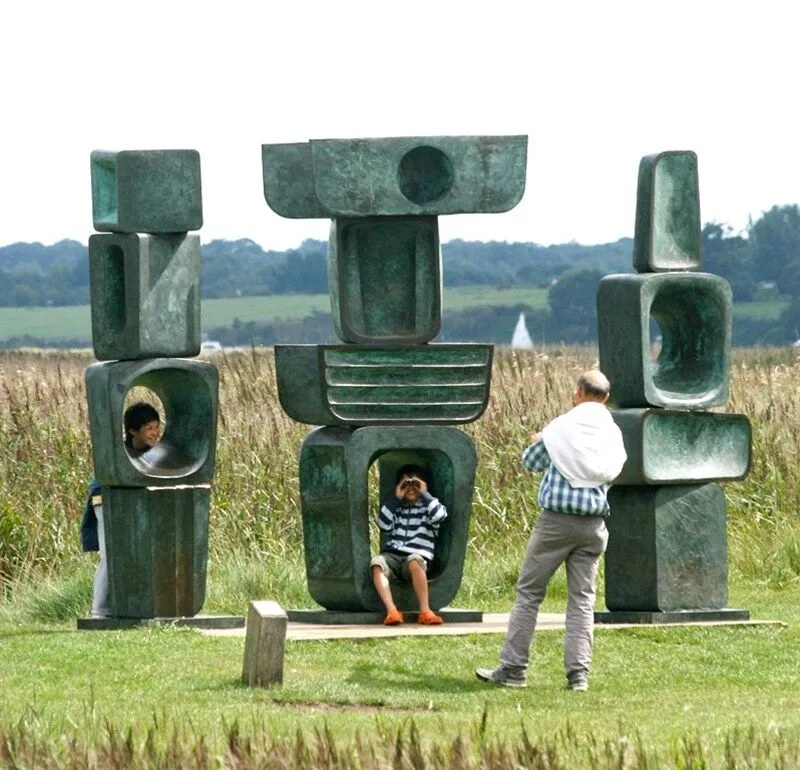
Key Characteristics of Land Art Sculpture
Site-Specific Design: Land art sculptures are created for a particular location. The surrounding environment is not just a backdrop—it is an essential part of the artwork itself.
Use of Natural Elements: Traditional land art incorporates materials like soil, rocks, sand, water, and plants, blending seamlessly into the landscape.
Large Scale and Visual Impact: Most land art sculptures are large and designed to be experienced from a distance or even from above, creating a powerful visual presence.
Interaction with Nature: Wind, rain, sunlight, and seasonal changes all influence the appearance of the sculpture over time, making it a dynamic, evolving artwork.
Temporary or Permanent Forms: Some land art pieces are intentionally temporary and fade away, while modern versions are often built to last using durable materials.
The Origins of Land Art
Land art originated in the United States during the 1960s and 1970s as part of a broader movement that rejected traditional art institutions. Artists sought freedom from galleries and began working directly in nature.
Among the most influential figures were Robert Smithson, Michael Heizer, and Nancy Holt, who created massive earthworks that reshaped the landscape itself.
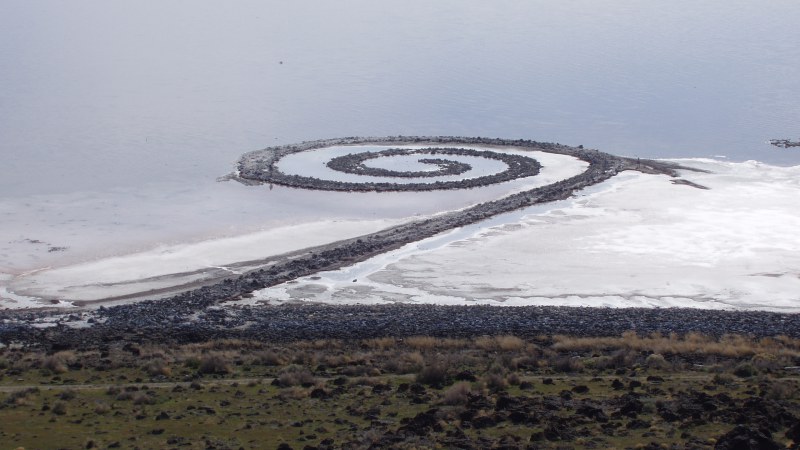
One of the most iconic examples is Spiral Jetty, a massive spiral made of rock and salt extending into a lake. Such works emphasized scale, isolation, and the relationship between human creativity and natural forces.
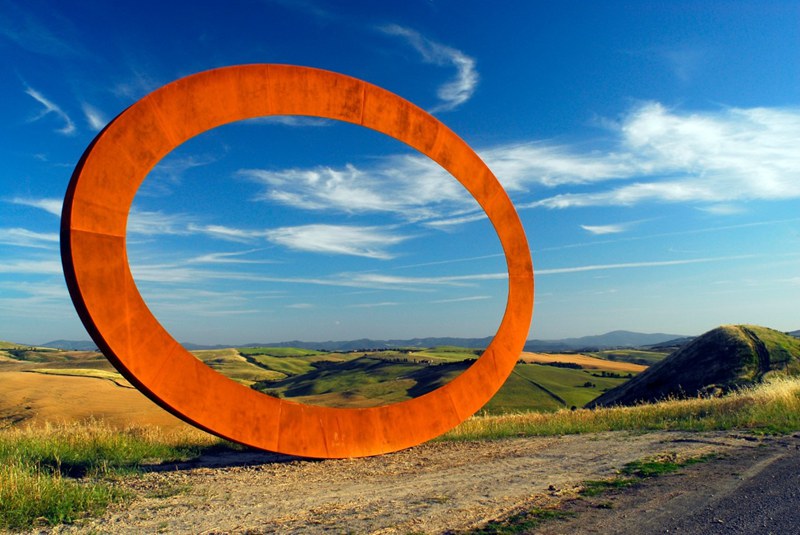
Famous Land Art Sculpture Examples
1. Spiral Jetty
Created by Robert Smithson, this iconic spiral-shaped structure extends into a salt lake and changes appearance as water levels rise and fall, making it one of the most recognized land art works in history.
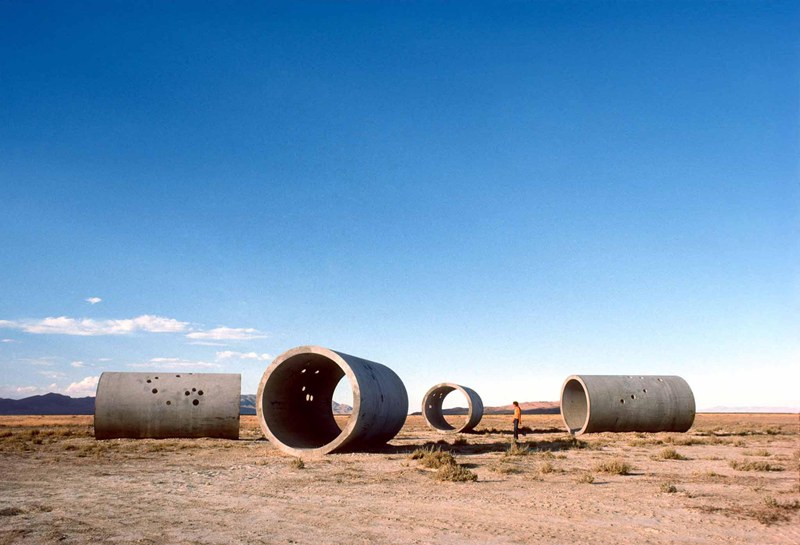
2. Sun Tunnels
Designed by Nancy Holt, this work consists of massive concrete tunnels aligned with the sun, creating dramatic light and shadow effects throughout the year.
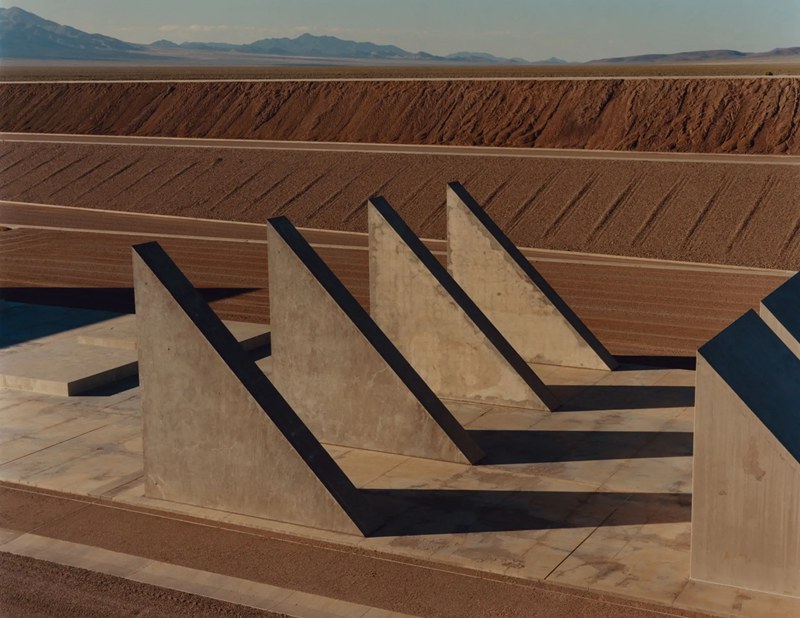
3. City
A monumental project by Michael Heizer, “City” is one of the largest land art constructions ever built, resembling an ancient, mysterious urban landscape.
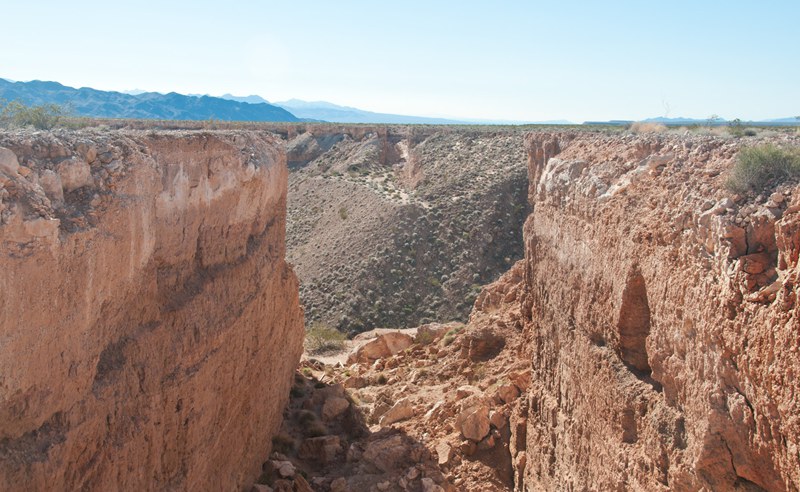
4. Double Negative
Also created by Michael Heizer, this piece consists of two massive cuts into the desert rock, emphasizing absence and negative space rather than physical form.
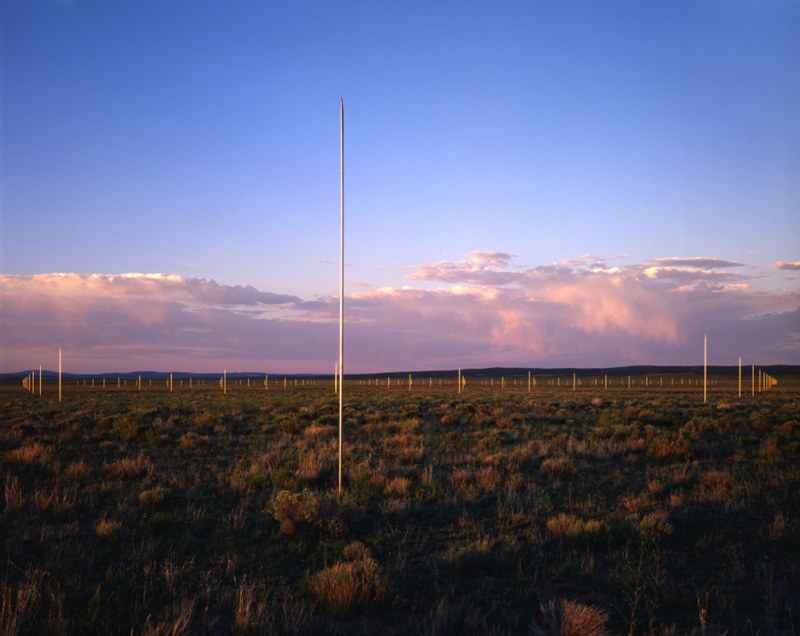
5. The Lightning Field
Created by Walter De Maria, this work features hundreds of metal poles designed to attract lightning, turning natural phenomena into part of the artwork.
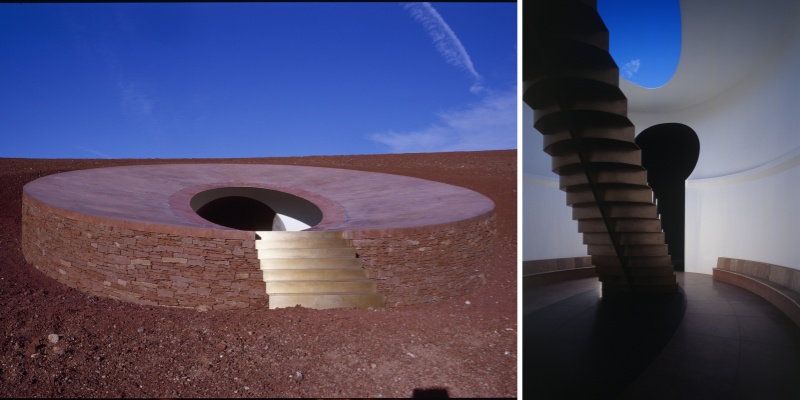
6. Roden Crater
Artist James Turrell transformed a volcanic crater into a massive observatory that frames the sky and celestial events as part of the artistic experience.
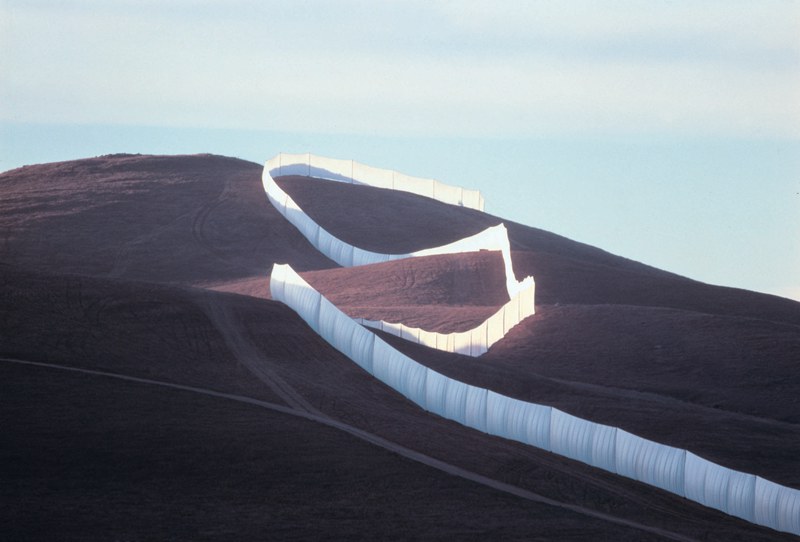
7. Running Fence
Created by Christo and Jeanne-Claude, this temporary fabric installation stretched across landscapes, demonstrating the scale and impermanence of land art.
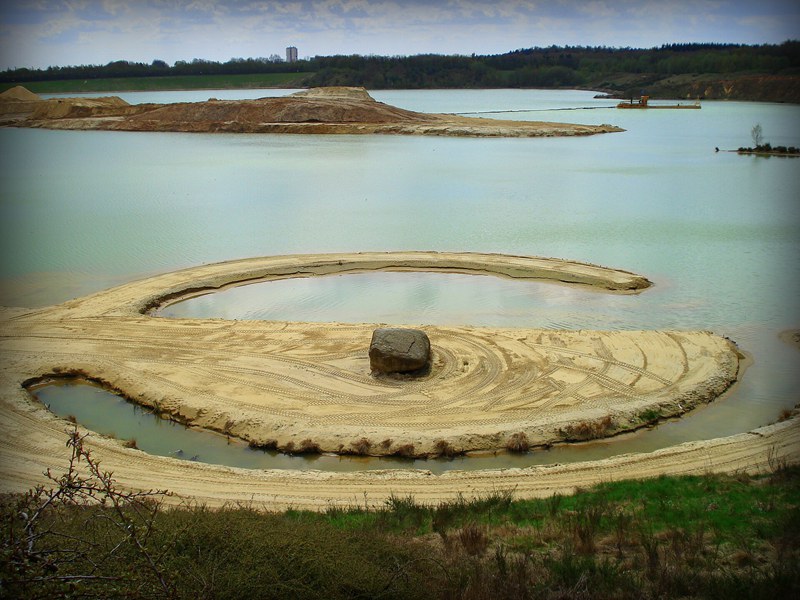
8. Broken Circle/Spiral Hill
Another major work by Robert Smithson, combining circular water forms with an elevated spiral mound, integrating geometry with natural terrain.
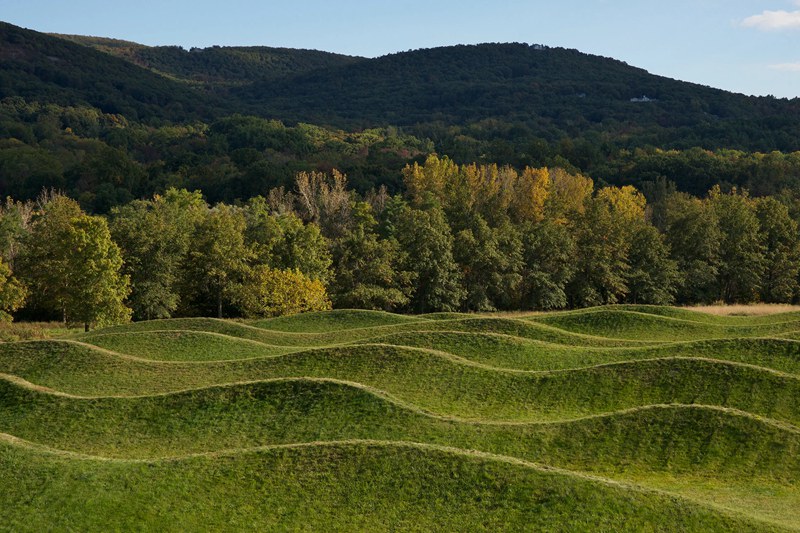
9. Storm King Wavefield
Created by Maya Lin, this piece reshapes the earth into wave-like forms, blending sculpture with landscape architecture.
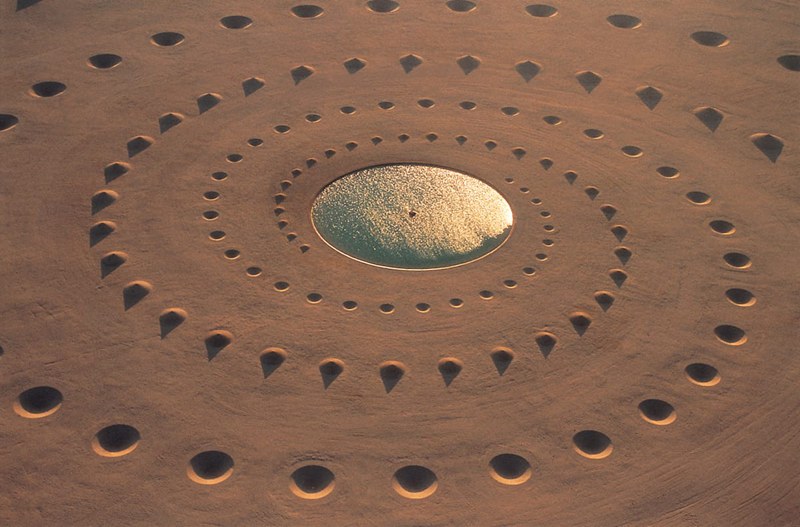
10. Desert Breath
Designed by D.A.ST. Arteam, this large-scale spiral work in the desert explores infinity and the relationship between geometry and nature.
Modern Land Art Sculpture in Landscape Design
Today, land art has expanded into landscape architecture, public art, and commercial design. While early works often embraced impermanence, modern clients typically seek long-lasting sculptures that maintain their visual impact over time.
Integration of Durable Materials
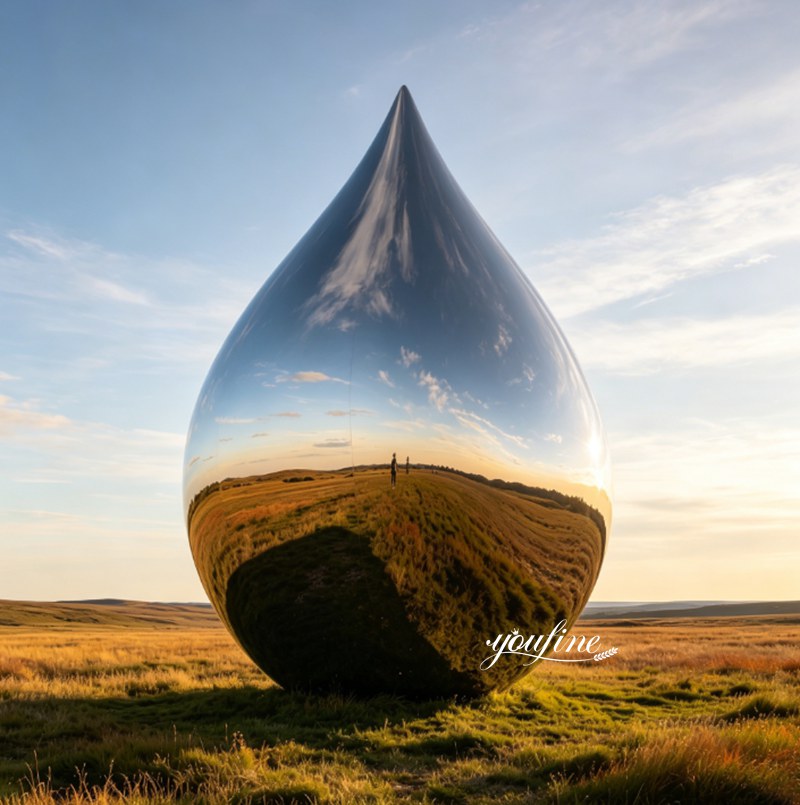
Materials such as bronze, stainless steel, and reinforced concrete are now widely used to create sculptures that withstand outdoor conditions while preserving artistic intent.
Applications in Real Projects
Land art sculptures are increasingly used in:
- Parks and gardens
- Luxury resorts and hotels
- Farms and ranches
- Public squares and commercial developments
Balancing Art and Function
Modern land art not only enhances aesthetics but also defines spaces, creates focal points, and elevates the overall value of a landscape.
How Land Art Sculptures Are Made
Creating a land art sculpture requires both artistic vision and engineering expertise.
- Site Analysis and Concept Design: Each project begins with understanding the landscape, including terrain, scale, and environmental conditions.
- Material Selection: Depending on the desired effect and longevity, materials can range from natural stone to high-grade metal.
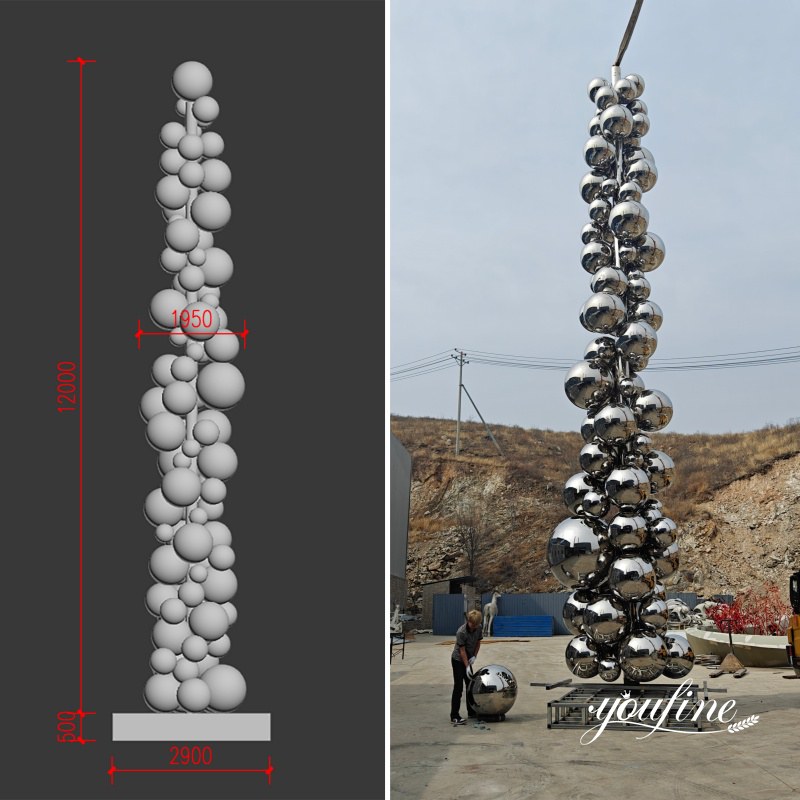
- Fabrication and Installation: Large-scale sculptures are typically produced in sections and assembled on-site, ensuring precision and structural stability.
With decades of experience, professional foundries can transform concepts into reality, whether for naturalistic designs or modern, polished installations.
Why Choose a Land Art Sculpture for Your Project
Land art sculptures offer unique advantages that traditional artworks cannot match:
- Strong Visual Impact – Large-scale designs create unforgettable impressions
- Harmony with Nature – Seamlessly integrates with outdoor environments
- Customization – Fully tailored to your landscape and vision
- Long-Term Value – Durable materials ensure lasting beauty and functionality
Whether for a private estate or a public space, a well-designed land art bronze sculpture or stainless steel sculpture can become a landmark feature.
Conclusion
Land art sculpture represents a powerful fusion of art, nature, and space. From its origins in remote landscapes to its modern applications in architecture and design, it continues to evolve as a meaningful and impactful art form.
At YouFine, we specialize in creating custom large-scale sculptures tailored to your environment. With over 40 years of experience, our team offers both original designs and a wide selection of ready-made clay models to bring your vision to life.
Contact YouFine today to create a unique land art sculpture designed specifically for your project.
FAQ About Land Art Sculpture
- What is the difference between land art and traditional sculpture?
Traditional sculptures are usually displayed in galleries or indoor spaces, while land art sculptures are created specifically for outdoor environments and interact with nature.
- Is land art always temporary?
Not necessarily. While early land art often embraced impermanence, modern sculptures can be made with durable materials for long-term installation.
- Can land art sculptures be made with metal?
Yes. Many contemporary land art sculptures use bronze or stainless steel to achieve both artistic expression and durability.
- How much does a land art sculpture cost?
The cost varies depending on size, material, design complexity, and installation requirements. Custom projects are typically quoted based on specific needs.