Sculpture is a form of visual storytelling that allows artists to express emotions, ideas, and human experiences without using words. Through shape, movement, material, and artistic details, a sculpture can communicate feelings such as strength, peace, love, sorrow, or hope.
Unlike two-dimensional artworks, sculptures exist in three-dimensional space. Viewers can observe them from different angles, interact with their surroundings, and experience different emotional impressions over time. Whether it is a marble statue, a bronze sculpture, or a contemporary stainless steel sculpture, every detail contributes to the emotional connection between the artwork and the viewer.
1. Body Language and Pose: Expressing Emotion Through Movement
The posture of a sculpture is one of the most powerful ways to communicate emotion. Even without words or facial expressions, the position, gesture, and movement of the body can reveal a character’s feelings, personality, and story.
Great sculptors carefully design body angles, gestures, and movement to capture a specific emotional moment. A slight change in posture can transform a sculpture from calm to powerful, from peaceful to dramatic.
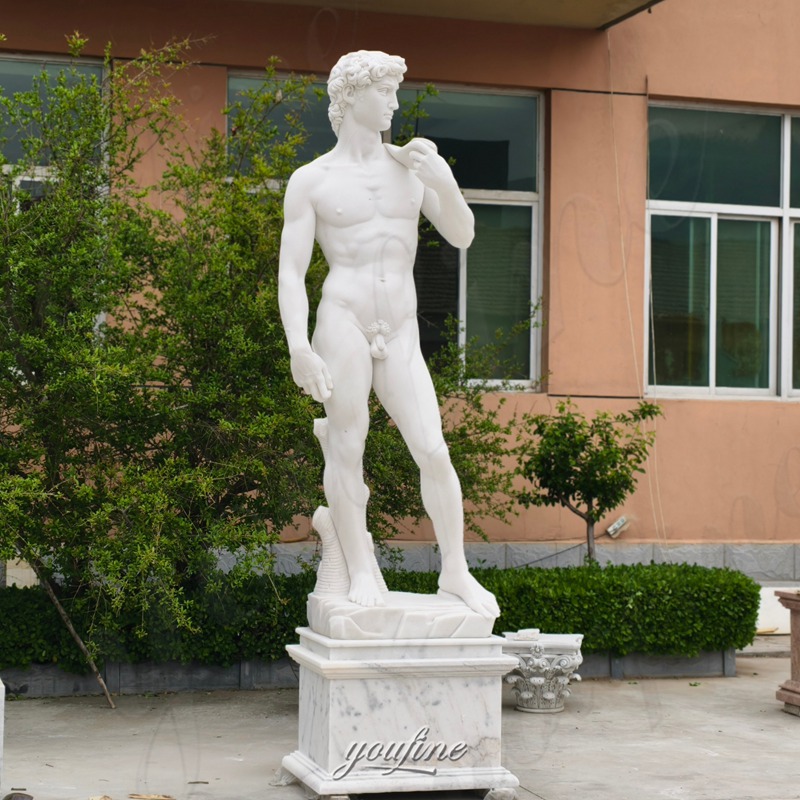
A famous example is Michelangelo’s David. Although the figure is standing still, his confident posture, balanced stance, and tense body position capture the moment before facing Goliath.
The combination of physical strength and mental focus expresses courage, confidence, and determination.
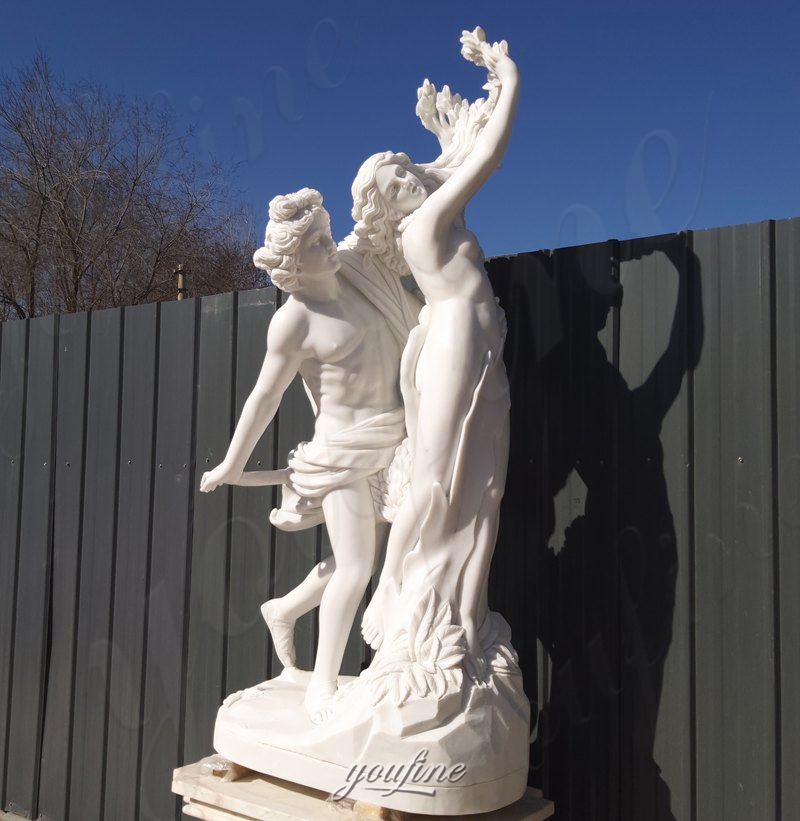
Gian Lorenzo Bernini’s Apollo and Daphne demonstrates how movement can create dramatic emotion in sculpture.
The twisting bodies, flowing hair, and extended gestures capture the moment of transformation, expressing urgency, fear, and movement despite being carved in marble.
Similarly, the Laocoön and His Sons uses powerful body movements to express pain and desperation.
The twisted bodies, strained muscles, and dramatic gestures show the struggle of the figures, making viewers feel the intensity of the scene.
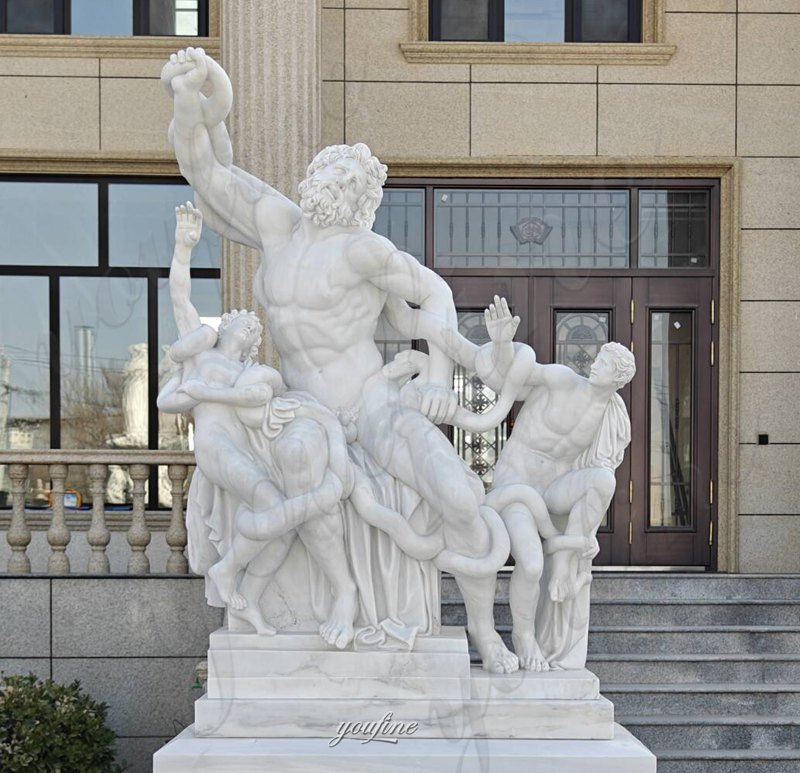
These masterpieces demonstrate that sculpture does not need actual movement to create a feeling of motion. Through carefully designed poses and body language, artists can freeze a single moment while allowing viewers to experience the emotions and stories behind the artwork.
2. Facial Expressions: Creating an Emotional Connection
For human sculptures, facial expressions are one of the most powerful ways to communicate emotion. Unlike paintings, sculptors must create emotional depth through three-dimensional forms, using subtle changes in the eyes, eyebrows, lips, and facial muscles.
The eyes are often considered the emotional center of a sculpture. A gentle gaze can express compassion and warmth, while a focused expression can reveal determination, strength, or inner conflict. Even small details, such as the direction of the eyes or the tension of facial muscles, can completely change how viewers understand the character and story behind a sculpture.
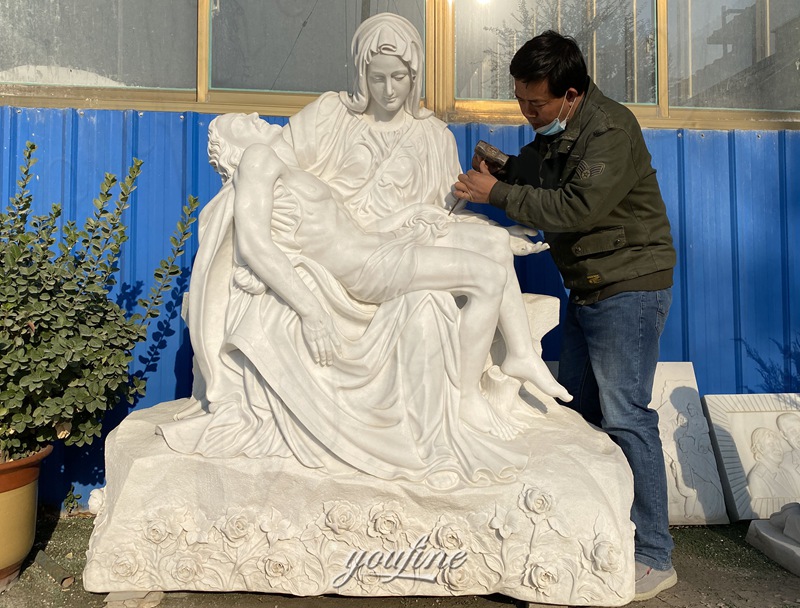
One of the most famous examples is a masterpiece by Michelangelo, the Pietà, demonstrates how facial expressions can convey more complex emotions.
The Virgin Mary’s gentle and peaceful expression reflects compassion, sorrow, and spiritual devotion. Instead of showing exaggerated grief, Michelangelo created a restrained expression that allows viewers to feel a deeper sense of empathy and connection.
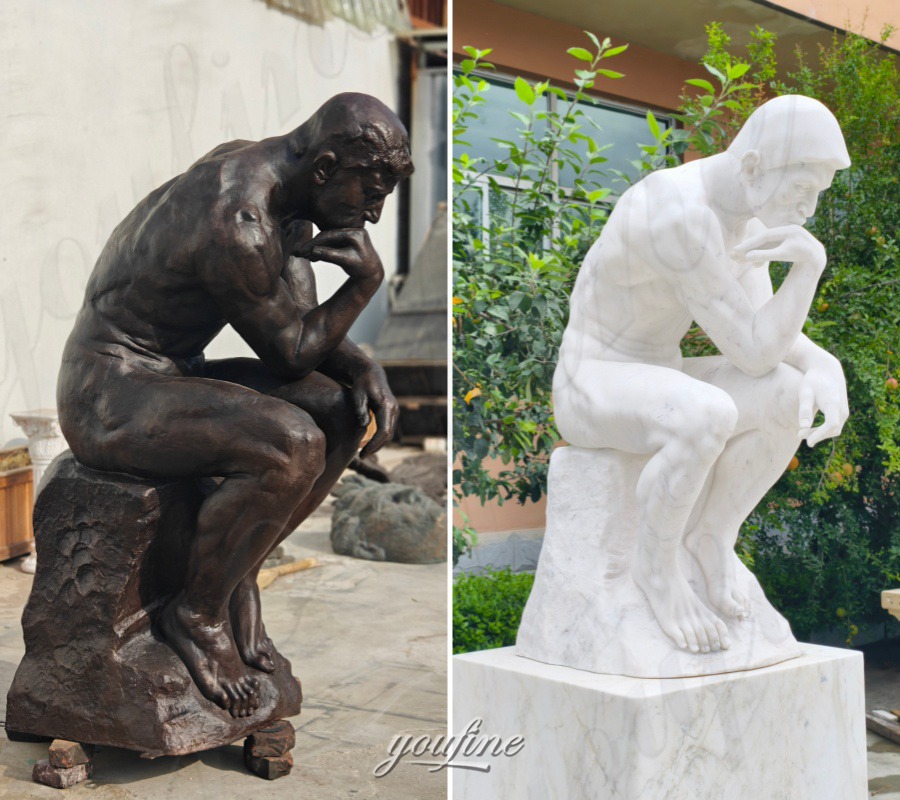
Auguste Rodin’s The Thinker presents another approach to emotional expression.
Through the lowered head, concentrated gaze, and serious facial expression, the sculpture communicates deep thought, reflection, and inner struggle.
The viewer can almost sense the mental activity behind the silent figure.
These masterpieces show that a sculpture’s emotional power often lies in subtle details. A carefully carved expression can transform stone or metal into a figure that appears alive, allowing viewers to connect with emotions that transcend time and culture.
3. Material Choice: How Sculpture Materials Influence Emotion
The material of a sculpture plays an important role in shaping its emotional expression. Different materials have unique colors, textures, and visual qualities, allowing artists to create different moods and experiences.
A sculptor does not choose a material only for its durability or appearance. The characteristics of marble, bronze, stainless steel, and other materials can directly influence how viewers emotionally connect with the artwork.
Sculpture Material | Emotional Expression | Visual Characteristics | Common Applications |
Marble | Purity, elegance, peace, spirituality, timeless beauty | Smooth surface, natural white tones, delicate details, refined appearance | Classical sculptures, religious statues, portrait sculptures, garden sculptures |
Bronze | Strength, power, history, dignity, warmth | Rich metallic texture, natural patina, strong three-dimensional effect | Animal sculptures, memorial sculptures, heroic figures, public art |
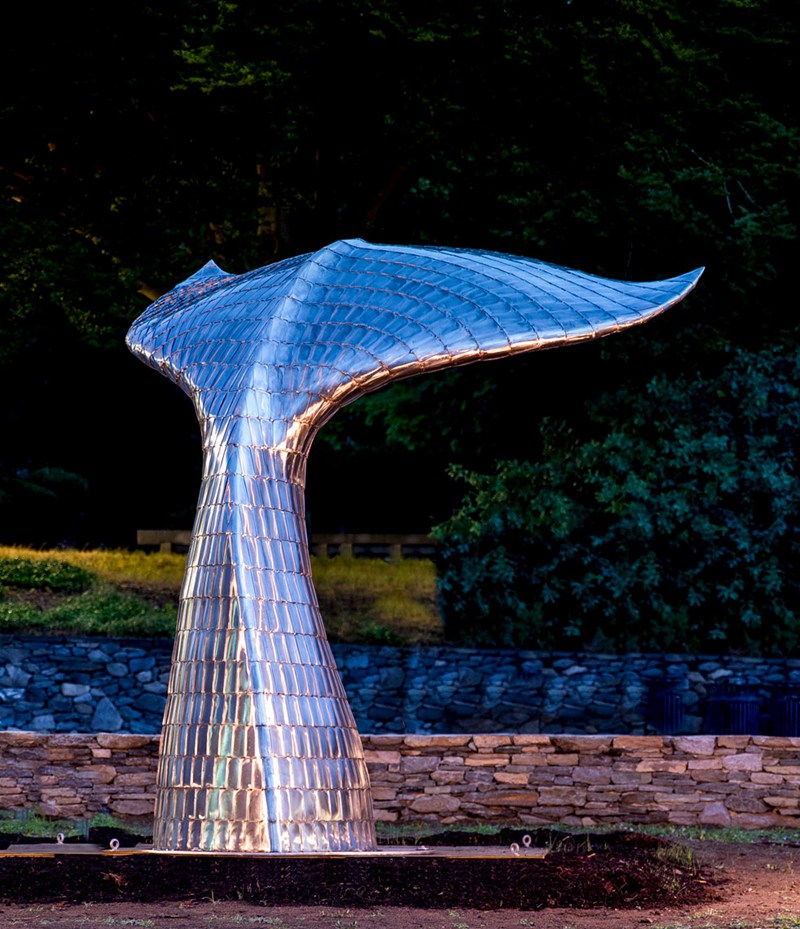
Stainless Steel | Modernity, energy, innovation, movement | Reflective surface, contemporary appearance, interaction with light and surroundings | Modern sculptures, architectural decoration, urban public art |
Resin | Creativity, flexibility, accessibility, playful expression | Lightweight, versatile shapes, can imitate different textures and finishes | Decorative sculptures, temporary installations, indoor artworks, commercial displays |
Wood | Warmth, nature, intimacy, authenticity | Organic texture, visible grain, handcrafted feeling | Traditional sculptures, indoor art, cultural artworks |
The choice of material can completely change how a sculpture is perceived. For example, the same human figure carved in white marble may appear peaceful and spiritual, while the same figure cast in bronze may feel stronger and more historical.
This is why professional sculptors consider both the subject and the emotion they want to express before selecting the right material. The material becomes part of the sculpture’s language, helping transform an artistic idea into a meaningful visual experience.

4. Texture and Surface Details: Adding Emotional Depth Through Craftsmanship
The texture and surface finish of a sculpture play an important role in shaping its emotional expression. Beyond the basic form and design, the way a sculpture’s surface is carved, polished, colored, or treated can greatly influence how viewers perceive its character and atmosphere.
Artists use different textures and finishing techniques to highlight specific emotions, enhance details, and create a unique visual experience.
Material | Surface Treatment | Emotional Effect |
Marble | Polished surface | Creates a smooth, elegant, and timeless feeling. The reflective surface enhances purity, refinement, and classical beauty. |
Natural matte finish | Creates a softer and more natural appearance, making the sculpture feel closer to the original stone texture. | |
Hand-painted details | Adds color and storytelling elements, creating a more vivid and expressive appearance, especially for religious or decorative sculptures. | |
Bronze | Natural patina finishes (green, brown, dark tones) | Creates a sense of history, depth, and timeless beauty. Different patina colors can express different moods, from ancient elegance to strength and dignity. |
Polished bronze surface | Produces a brighter and more luxurious appearance, emphasizing smooth forms and contemporary aesthetics. | |
Rough or textured surface | Adds a sense of power, realism, and artistic expression, often used to highlight animal fur, muscles, or dynamic movement. | |
Stainless Steel | Mirror polishing | Creates a modern, luxurious, and dynamic effect by reflecting light and surrounding environments. |
Painting or colored coating | Allows artists to introduce stronger visual emotions, creativity, and personalized artistic styles. | |
Electroplating or vacuum plating | Creates premium metallic finishes such as gold, rose gold, or other effects, adding a sense of luxury and contemporary design. |
Professional sculptors consider both the artistic theme and the environment where the sculpture will be placed when selecting surface finishes. A highly polished marble statue may create an elegant atmosphere in a luxury garden, while a bronze sculpture with aged patina may better express history and strength in a public or memorial space.
Through texture and surface treatment, artists transform a sculpture from a simple form into an artwork with personality, emotion, and lasting visual impact.

5. Scale and Space: How Size and Environment Shape Emotion
The size of a sculpture and the space where it is placed also influence its emotional impact.
Large-scale sculptures often create a powerful visual presence. Monumental bronze sculptures placed in gardens, parks, hotels, or public spaces can make viewers feel admiration, respect, or inspiration.
Life-size sculptures create a different emotional connection. Because they are close to human proportions, viewers can feel a stronger sense of interaction and familiarity.
The surrounding environment also changes how a sculpture is perceived:
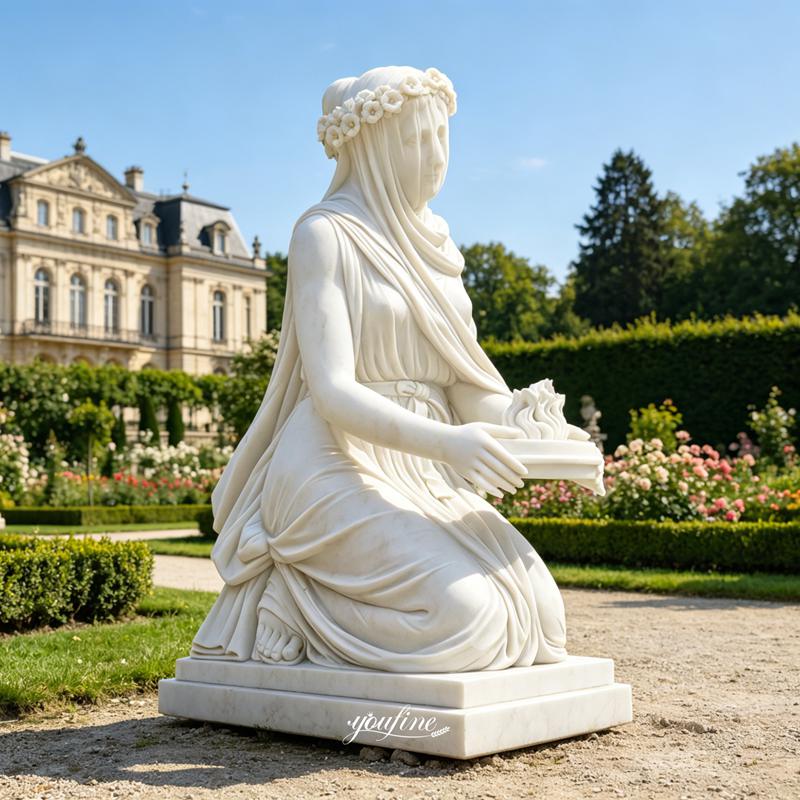
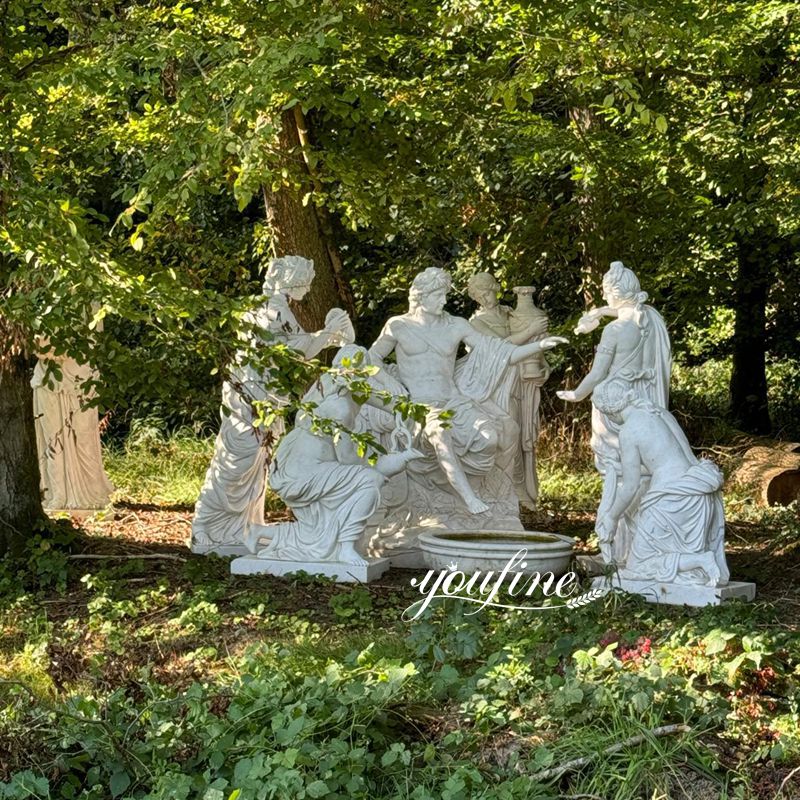
- A marble statue placed in a quiet garden can create a peaceful and elegant atmosphere.
- A large bronze lion sculpture at the entrance of an estate can create a feeling of protection and authority.
- A well-designed sculpture becomes part of its environment rather than existing separately from it.
6. Space and Light: Enhancing the Emotional Impact of Sculpture
Light and shadow play an important role in shaping the emotion of a sculpture. The same artwork can create completely different impressions under different lighting conditions.
Strong directional lighting can highlight textures, shapes, and dramatic details, creating a powerful and theatrical atmosphere. Soft lighting can emphasize elegance, serenity, and warmth.
Natural outdoor lighting also allows sculptures to change throughout the day. Morning sunlight, afternoon shadows, and evening illumination reveal different aspects of the artwork.
In addition, because sculptures can be viewed from multiple angles, the viewer’s experience changes while moving around the piece. Each perspective may reveal new expressions, shapes, or details, creating a deeper emotional connection.
7. Theme and Symbolism: Telling Stories Through Sculpture
Many sculptures communicate emotions through symbolism. The meaning behind a subject often creates a deeper connection between the artwork and the viewer.
Animal sculptures, for example, often represent powerful ideas:
- Lion sculptures symbolize courage, leadership, and protection.
- Eagle sculptures represent freedom, vision, and ambition.
- Horse sculptures represent strength, loyalty, and nobility.
Religious sculptures also carry strong emotional meanings:
- Virgin Mary statues represent compassion, hope, and faith.
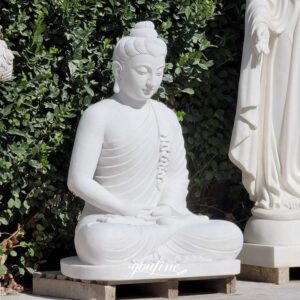
- Buddha sculptures symbolize peace, wisdom, and meditation.
- Angel sculptures represent protection and spiritual guidance.
By combining artistic form with cultural meaning, sculptures can become powerful symbols that connect with people on an emotional level.

8. Why Sculptures Move Us: The Emotional Power of Three-Dimensional Art
Sculptures move people because they transform ideas and emotions into physical forms. Unlike ordinary objects, a meaningful sculpture can preserve memories, represent beliefs, and tell stories.
A sculpture placed in a home, garden, church, hotel, or public space becomes part of the environment and the experiences of the people who encounter it.
The emotional power of sculpture comes from the combination of:
- Artistic expression
- Human creativity
- Cultural meaning
- Personal memories
A carefully designed sculpture does not simply occupy space—it creates an atmosphere and communicates something meaningful.

9. How YouFine Artists Create Emotional Sculptures
At YouFine, we believe that every sculpture should carry a story behind its design. Creating an emotional sculpture requires more than skilled craftsmanship; it requires understanding the meaning and feelings that clients want to express.
Understanding the Story
Before production begins, our artists communicate with clients to understand:
- The purpose of the sculpture
- The emotions they want to express
- The environment where the sculpture will be placed

Creating the Design
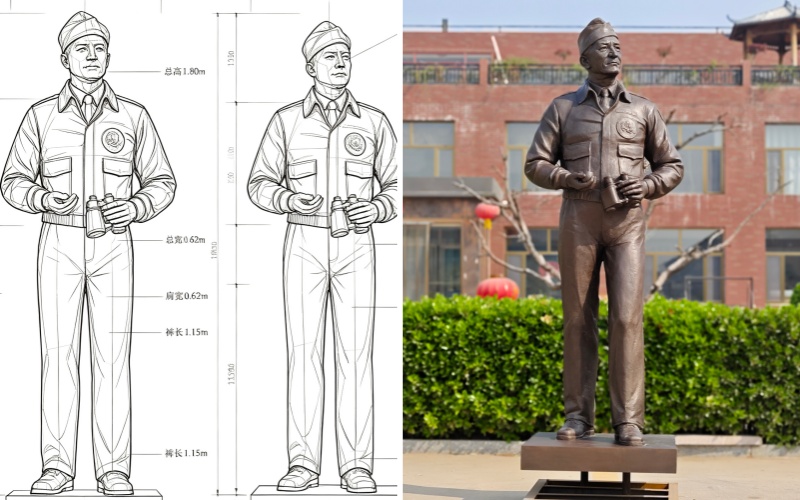
Our artists transform ideas into visual designs through:
- Concept sketches
- 3D drawings
- Clay modeling
During this process, details such as posture, expression, proportion, and composition are carefully refined.
Craftsmanship and Finishing
With over 40 years of sculpture manufacturing experience, YouFine combines traditional craftsmanship with modern techniques to create high-quality artworks.
From marble carving and bronze casting to surface finishing and patina treatment, every step is completed with attention to detail.
With hundreds of existing clay models available and professional customization services, YouFine helps clients create sculptures that are not only visually beautiful but also emotionally meaningful.