Sculptures are cultural symbols, architectural focal points, and long-term investments. Whether installed in a private garden, a luxury hotel lobby, a public square, or a memorial park, one essential question always arises: How long does a sculpture last?
The answer depends on several critical factors, including material selection, environmental exposure, fabrication quality, installation method, and maintenance practices. Some sculptures have survived for thousands of years, while others begin deteriorating within decades.
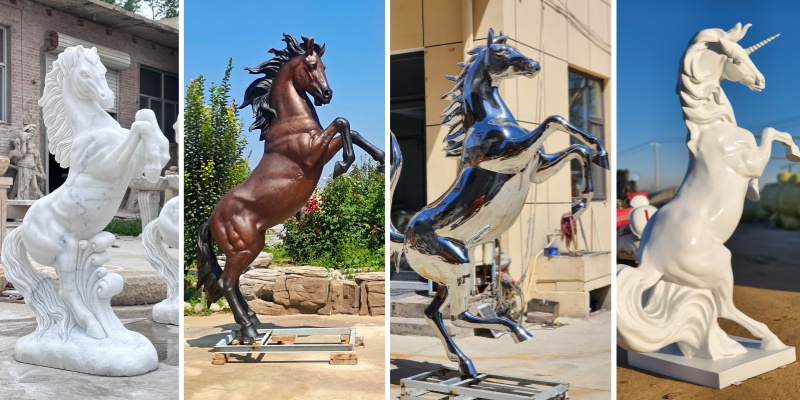
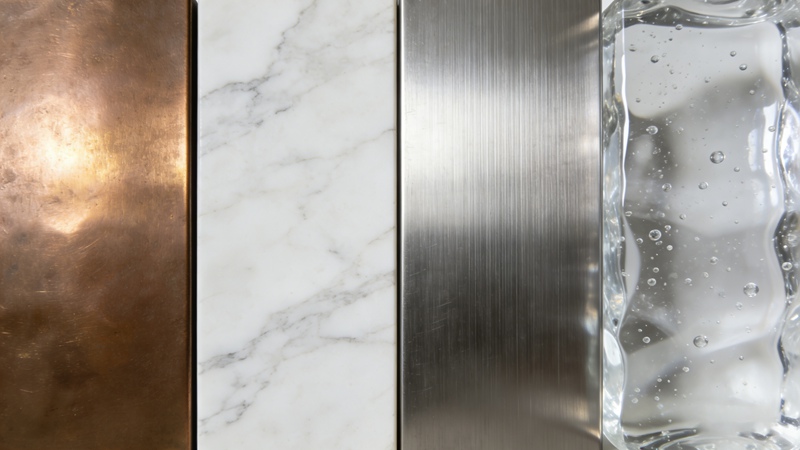
In this comprehensive guide, we examine the lifespan of four major sculpture materials: Bronze, Marble, Stainless Steel and Resin.
What Does “Sculpture Lifespan” Really Mean?
Before discussing numbers, it is important to define lifespan correctly.
A sculpture’s longevity can be divided into:
Structural Lifespan
How long the internal framework and material integrity remain stable.
Surface Lifespan
How long the visible appearance remains close to its original state.
Aesthetic Aging vs. Material Failure
Some materials, such as bronze, naturally change color over time. This aging process does not indicate damage. In fact, patina often protects the surface.
True failure occurs when:
Cracking compromises structure
Erosion removes sculptural details
Corrosion weakens internal support
With proper material selection and craftsmanship, many sculptures can last for centuries.
Average Lifespan by Material
Material | Indoor Lifespan | Outdoor Lifespan | Maintenance Level | Best Application |
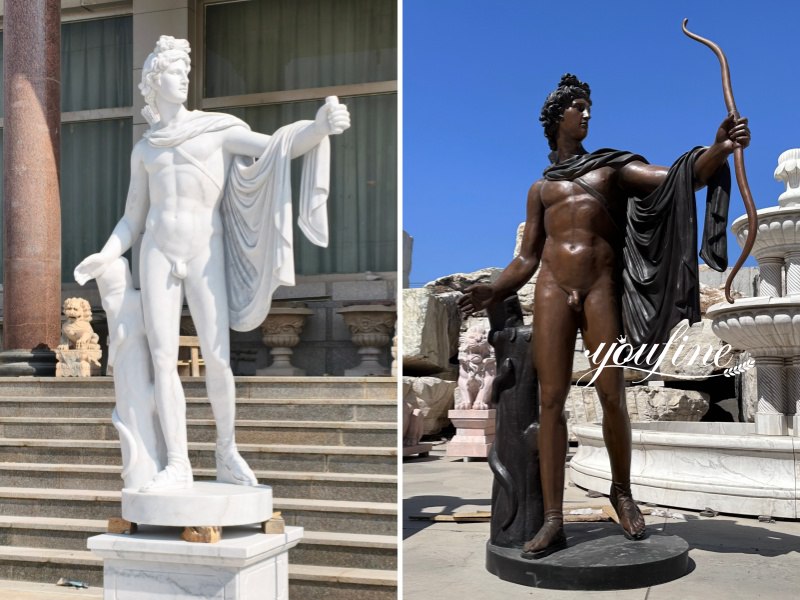
Bronze | Several centuries | 100–500+ years | Moderate | Monuments, public art |
Marble | 200–1000 years | 50–200+ years | Moderate | Classical statues |
Stainless Steel | 100+ years | 100+ years | Low | Contemporary sculpture |
Resin | 20–50 years | 10–30 years | Low–Moderate | Decorative projects |
Now let’s examine each material in detail.
Bronze Sculptures: 100–500+ Years of Proven Durability
Estimated Lifespan
Outdoor: 100–500+ years
Indoor: Several centuries
Bronze has been used for sculpture for over 4,000 years, and its durability is historically documented.
Why Bronze Lasts So Long
Bronze is an alloy primarily composed of copper and tin. Its longevity comes from:
- High corrosion resistance
- Dense metallic structure
- Formation of a natural protective patina
Over time, bronze develops a surface oxidation layer. Rather than destroying the sculpture, this patina actually shields the inner metal.
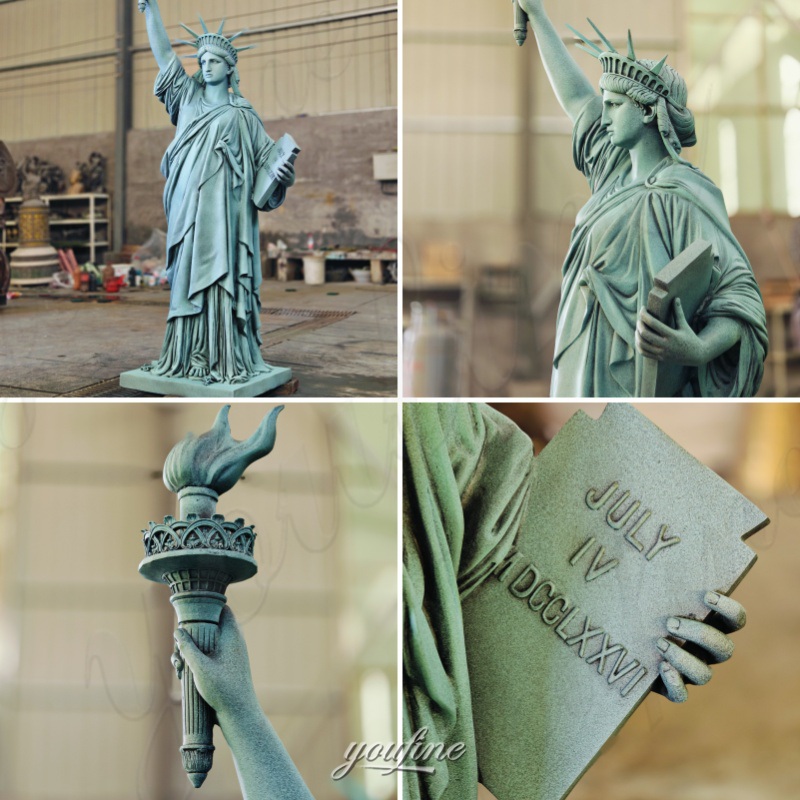
A well-known example is the Statue of Liberty, whose copper surface has endured marine exposure for more than a century.
Even older is the Equestrian Statue of Marcus Aurelius, which has survived nearly 2,000 years.

Environmental Performance
Bronze performs well in:
- Urban environments
- Moderate climates
- Public plazas
However, in coastal regions with salt exposure, regular waxing and inspection are recommended.
Maintenance Strategy
To extend lifespan:
- Annual inspection
- Protective wax coating
- Professional restoration every 10–20 years
With proper care, bronze remains one of the most reliable materials for outdoor monuments.
Marble Sculptures: Classical Beauty with Climate Sensitivity
Estimated Lifespan
Indoor: 200–1000 years
Outdoor: 50–200+ years (climate dependent)
Marble has defined classical art and architecture for millennia.
Why Marble Endures — and Why It Erodes
Marble is a metamorphic stone formed from limestone under pressure. It is dense and strong, yet chemically reactive to acidic substances.
Indoors, marble can survive for centuries. Outdoors, environmental exposure determines its longevity.
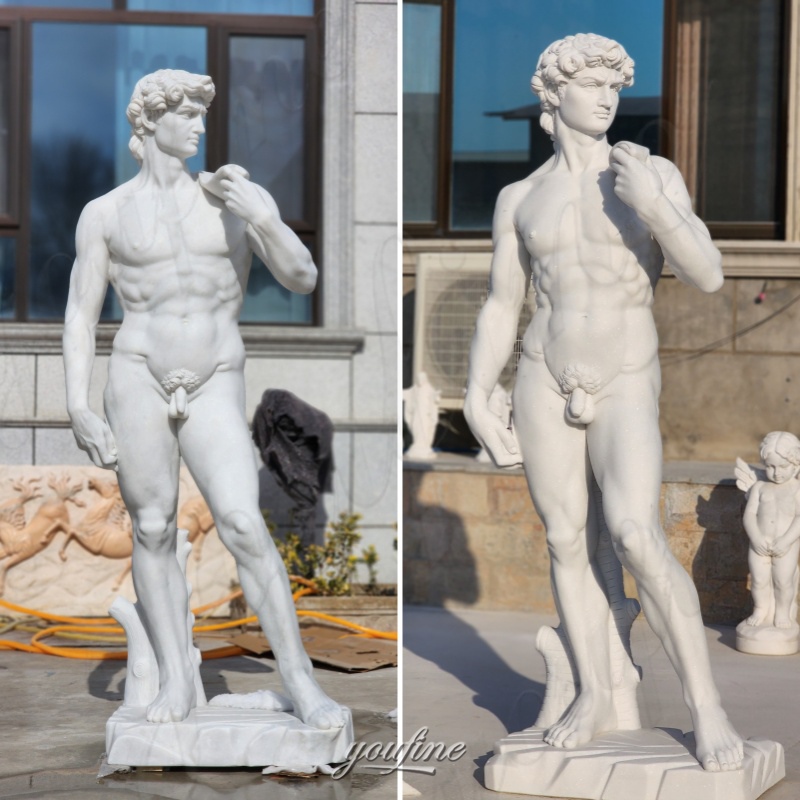
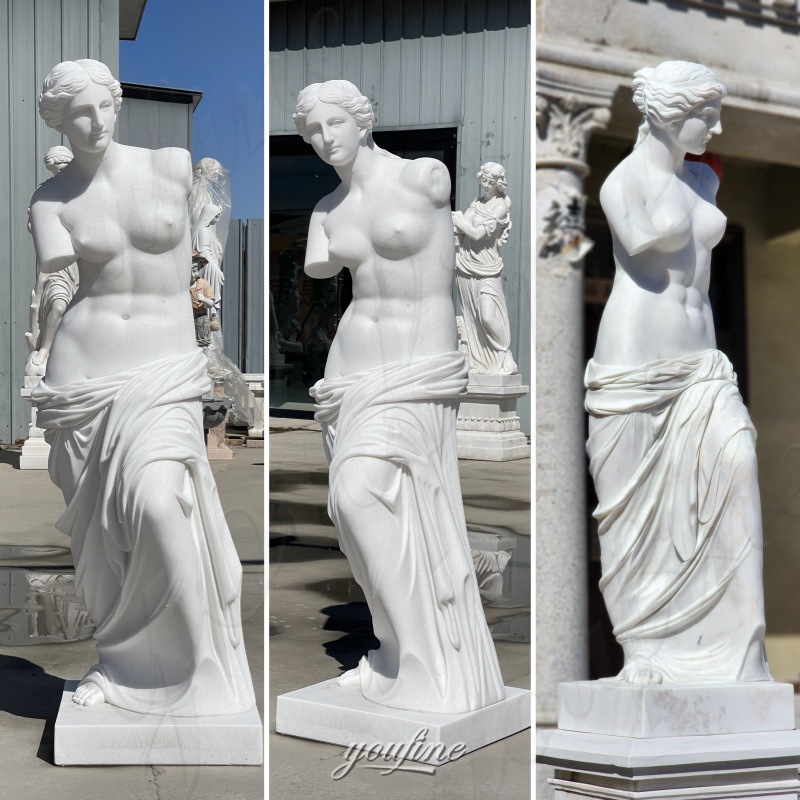
The David has survived for over 500 years, largely due to protection from harsh outdoor elements.
Another famous example, the Venus de Milo, demonstrates how indoor preservation extends lifespan dramatically.
Climate Impact on Marble
- Acid rain accelerates surface erosion
- Freeze-thaw cycles create microcracks
- High humidity increases weathering
In dry Mediterranean climates, marble may last centuries outdoors. In industrial cities, surface detail may soften within decades.
Best Applications
- Indoor lobbies
- Covered courtyards
- Dry climate gardens
- Museums
Marble offers unmatched classical elegance but requires environmental consideration.
Stainless Steel Sculptures: Modern Engineering Strength
Estimated Lifespan
Outdoor: 100+ years
Indoor: Extremely long-term
Stainless steel represents modern durability combined with contemporary aesthetics.
Why Stainless Steel Performs Well
Stainless steel contains chromium, which forms a thin oxide layer that protects the surface from rust.
It offers:
- Exceptional tensile strength
- High structural stability
- Minimal corrosion risk
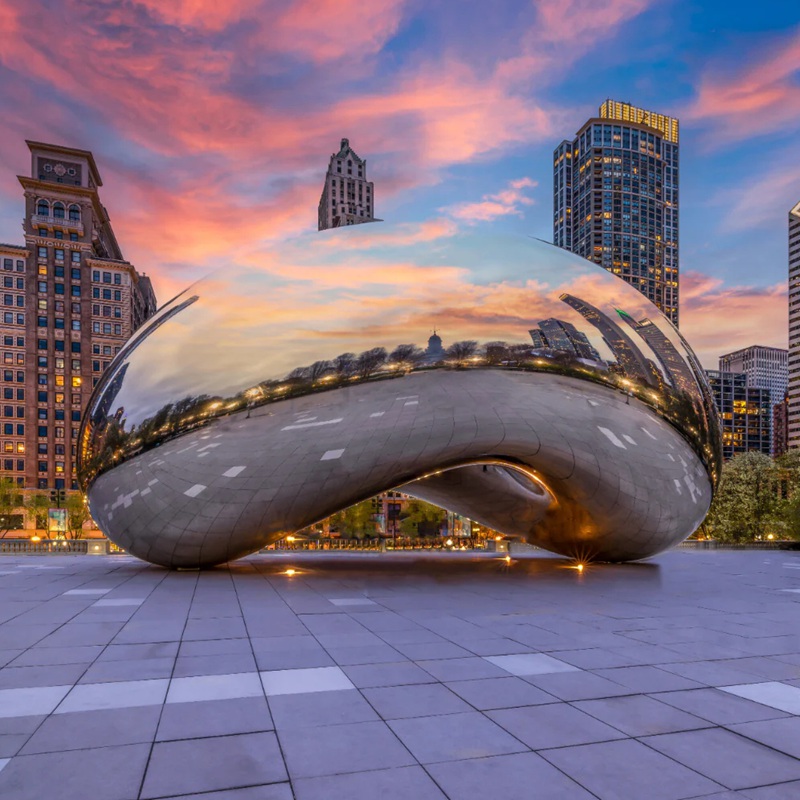
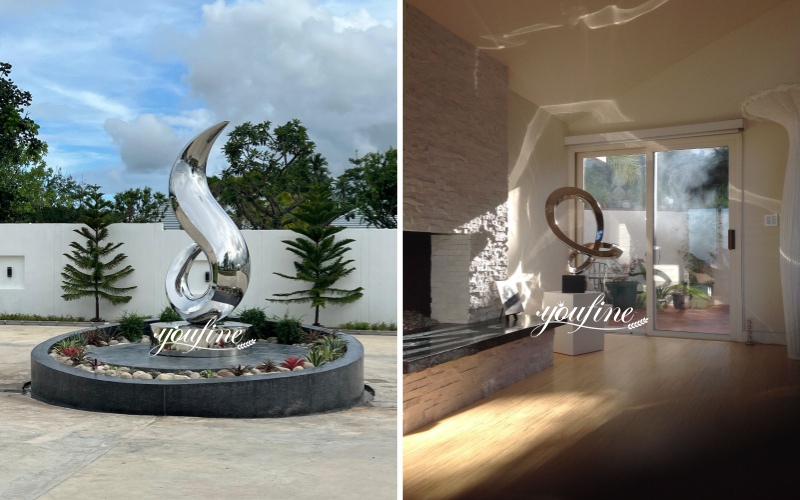
A famous example is Cloud Gate, which withstands extreme temperature fluctuations and heavy public interaction.
Material Grade Matters
- 304 Stainless Steel: Standard outdoor use
- 316 Stainless Steel: Ideal for coastal or marine environments
Choosing the correct grade significantly affects long-term performance.
Maintenance Requirements
- Occasional surface cleaning
- Avoid chloride accumulation
- Periodic polishing for mirror finishes
Among modern materials, stainless steel provides one of the best durability-to-maintenance ratios.
Resin Sculptures: Lightweight and Economical
Estimated Lifespan
- Indoor: 20–50 years
- Outdoor: 10–30 years
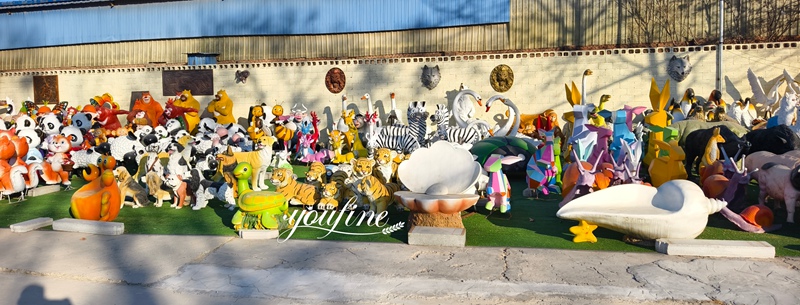
Resin sculptures are typically made from fiberglass-reinforced plastic or synthetic polymers.
Advantages
- Lightweight
- Cost-effective
- Easy to transport and install
- Suitable for large decorative pieces
Limitations
- UV exposure causes fading
- Temperature changes may lead to cracking
- Structural integrity weakens over decades
Resin is ideal for:
- Interior decorative projects
- Commercial display pieces
- Budget-conscious installations
However, for projects intended to last generations, metal or stone remains preferable.
Environmental Factors That Affect Sculpture Longevity
Material choice alone does not determine lifespan. Environment plays an equally important role.
Climate Zones
Coastal Areas: Salt accelerates corrosion in metals and stains porous stone.
Industrial Cities: Air pollution and acid rain damage marble surfaces.
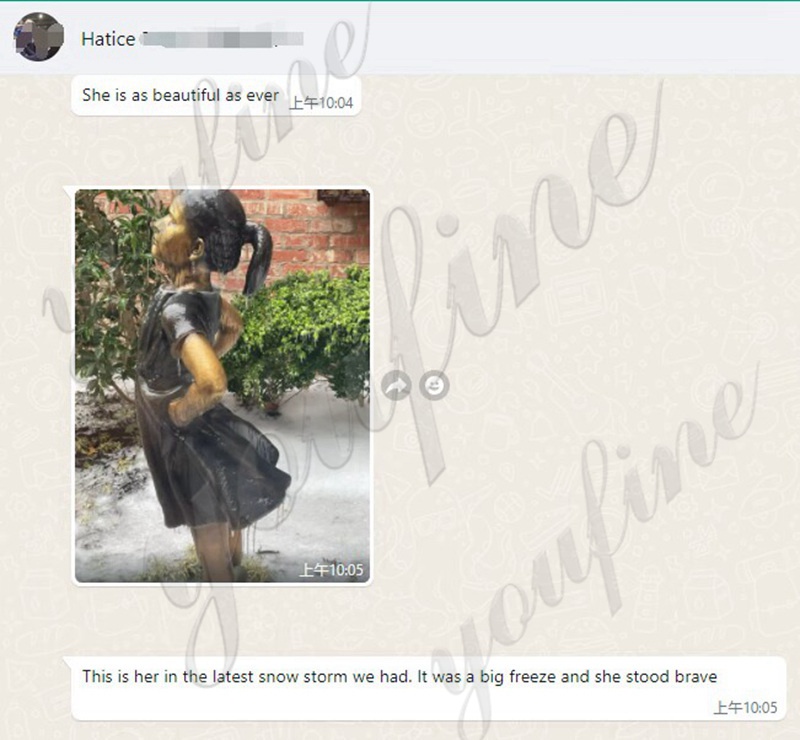
Cold Regions: Freeze-thaw cycles expand moisture trapped inside stone, causing cracks.
Tropical Climates: High humidity stresses both metal and stone surfaces.
Installation & Engineering Factors
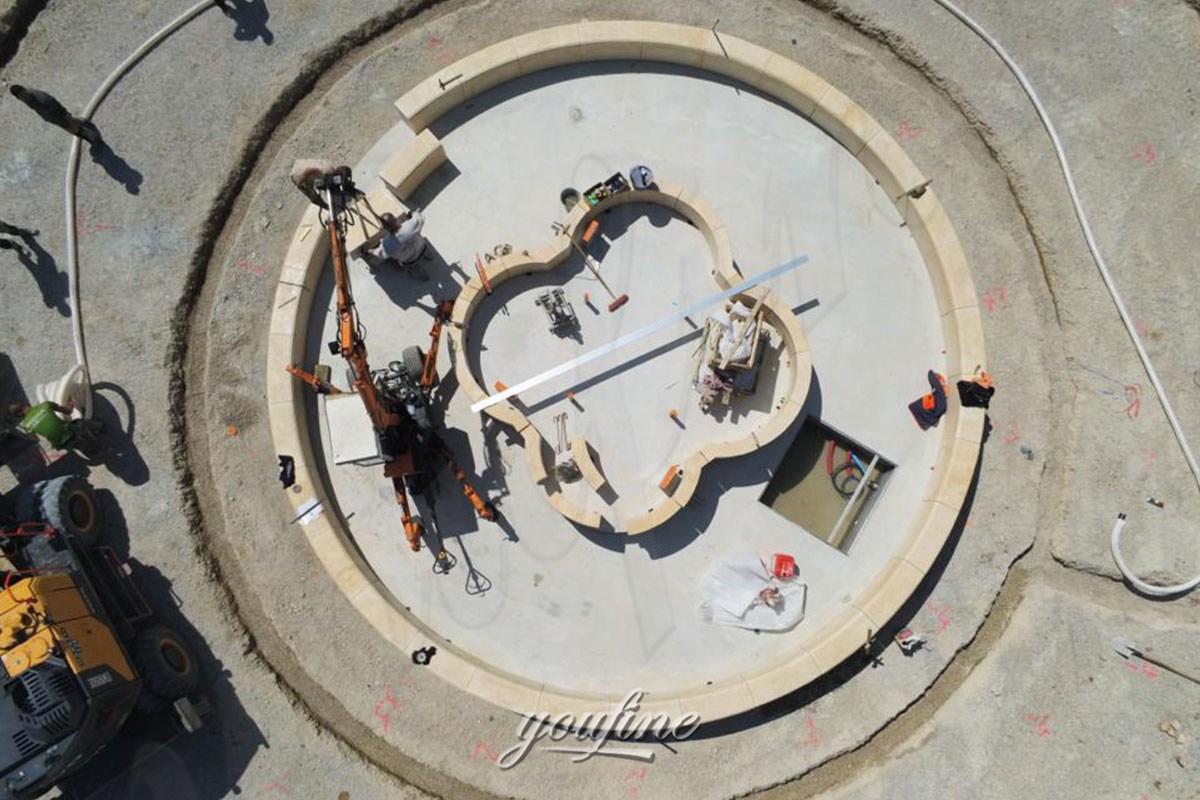
Professional fabrication dramatically influences durability.
Critical considerations include:
- Proper internal reinforcement
- Structural load calculations
- Foundation stability
- Drainage planning
- Elevation from soil contact
Poor installation can shorten lifespan more than material choice alone.
Indoor vs Outdoor Longevity Comparison
Generally, sculptures last significantly longer indoors due to environmental control.
Factor | Indoor | Outdoor |
UV Exposure | Minimal | High |
Moisture | Controlled | Variable |
Temperature | Changes Stable | Extreme |
Pollution | Low | High |
How to Extend the Life of Any Sculpture
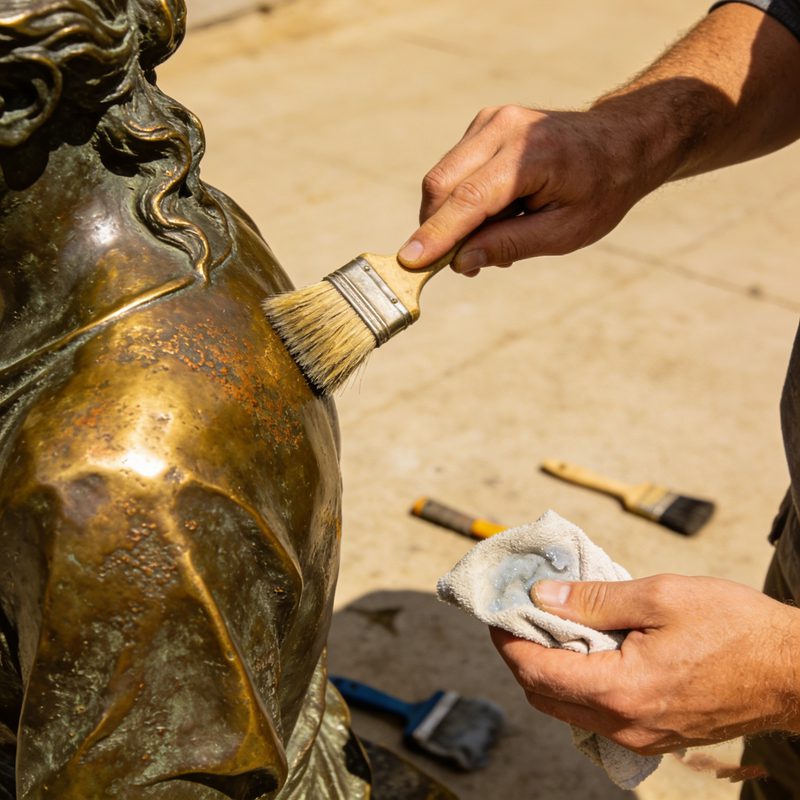
Regardless of material, longevity improves with proper care:
- Select the Right Material for Climate
- Use Professional Casting or Carving
- Apply Protective Coatings
- Conduct Annual Inspections
- Address Minor Damage Early
- Schedule Professional Restoration
Preventive maintenance costs far less than structural repair.
Which Sculpture Material Lasts the Longest?
From a long-term perspective:
- Most durable overall: Bronze and Stainless Steel
- Most historically proven indoors: Marble
- Most economical short-term option: Resin
For outdoor monuments intended to last generations, bronze and stainless steel are generally the safest choices.
For interior luxury environments, marble offers unmatched timeless elegance.
Frequently Asked Questions
1. How long does bronze statues last?
A bronze sculpture can last 100 to 500 years or more outdoors with proper casting, installation, and periodic maintenance.
2. How long do marble statue last?
A marble sculpture typically lasts 50 to 200 years, depending heavily on climate, pollution levels, and environmental exposure.
3. How long does a stainless steel sculpture last outdoors?
A stainless steel sculpture can last 100 years or more outdoors, especially when high-grade steel such as 304 or 316 is used.
4. Can marble statues stay outside?
Yes, but lifespan depends heavily on climate and pollution levels.
5. Does stainless steel rust?
High-quality stainless steel forms a protective layer that prevents rust under normal conditions.
6. What is the most durable material for outdoor sculpture?
Bronze and high-grade stainless steel are typically the most durable.
7. Can sculptures last for centuries?
Yes. Many historical sculptures have survived hundreds or even thousands of years when properly crafted and maintained.
Conclusion: Choosing a Sculpture That Lasts for Generations
A sculpture’s lifespan is not accidental. It is the result of informed material selection, skilled craftsmanship, structural engineering, environmental planning, and consistent care.
Depending on material and conditions, sculptures may last:
- 20–30 years (resin outdoor)
- 100+ years (stainless steel)
- 200–500+ years (bronze)
- Centuries indoors (marble)
When durability matters, investing in high-quality materials and professional manufacturing ensures your sculpture remains a lasting symbol for generations to come.
If your project requires long-term structural reliability and artistic excellence, careful planning from design to installation is essential.
YouFine Material Quality Control
At YouFine, material quality control is a fundamental part of our manufacturing process. We carefully select certified raw materials to ensure consistency, strength, and long-term durability for every sculpture.
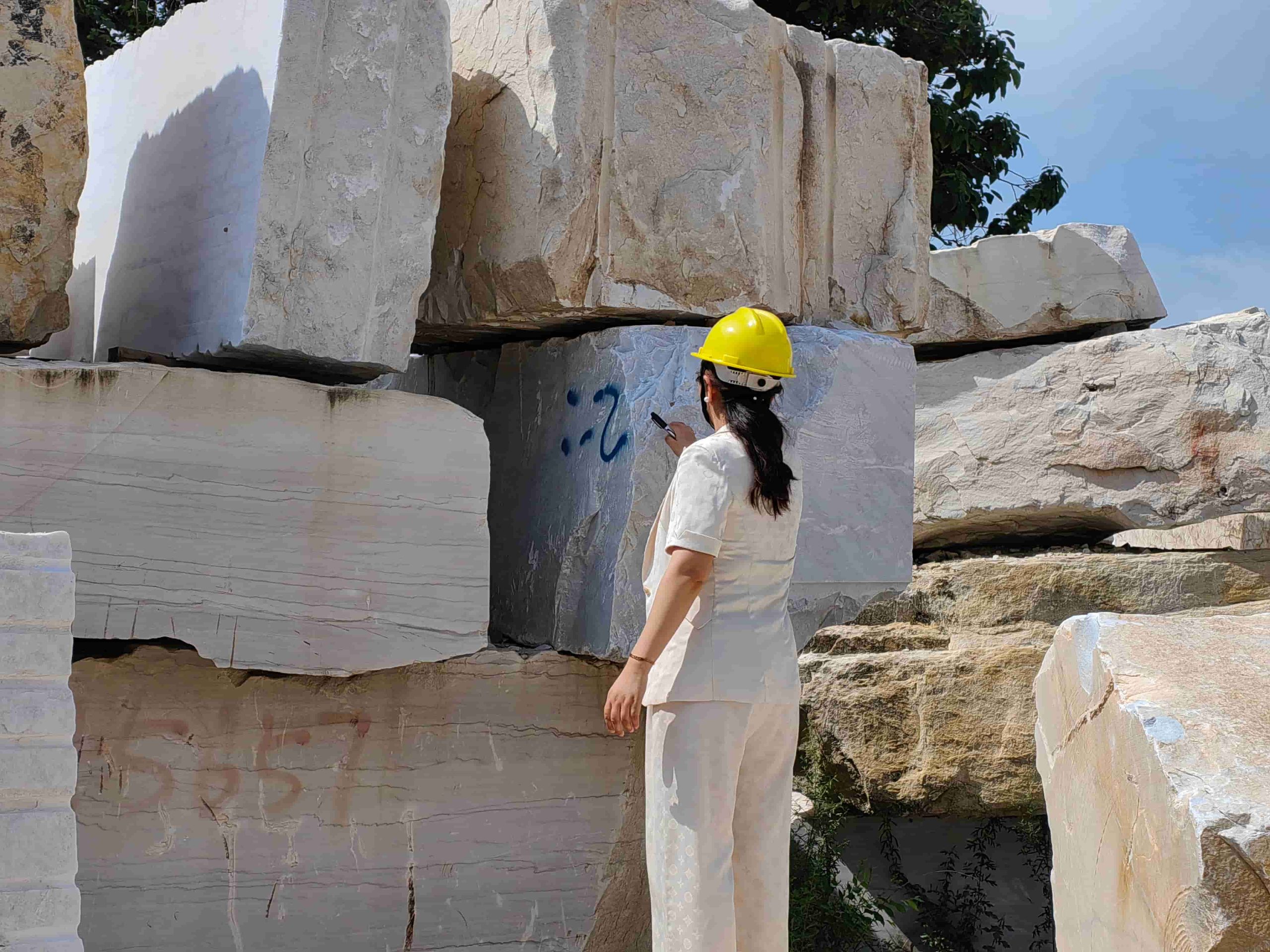
For bronze sculptures, we use high-grade copper alloys with controlled composition to guarantee structural stability and proper patina development. For marble works, each stone block is inspected for density, grain uniformity, and internal cracks before carving begins. For stainless steel projects, we verify material grades such as 304 or 316 to ensure corrosion resistance suited to the installation environment.
Throughout production, our team conducts systematic inspections at every stage—from raw material sourcing and fabrication to surface finishing and final assembly—to maintain strict quality standards and long-term performance reliability.