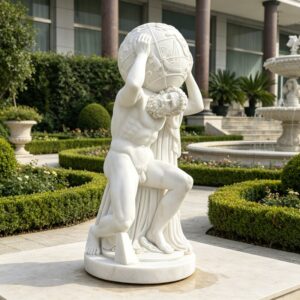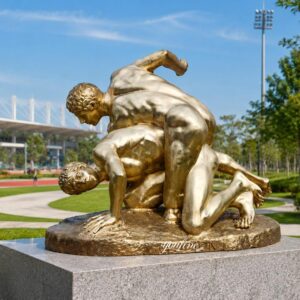
Bronze sculptures have been admired for thousands of years, from ancient civilizations to modern public art installations. Whether placed in a museum, city square, or private garden, bronze sculptures are known for their strength, elegance, and remarkable durability.
A common question many collectors, architects, and art buyers ask is: How long does a bronze statue last?
Based on my experience working in the sculpture industry for more than 10 years, and with YouFine’s 40 years of bronze casting experience, I can confidently say that a well-crafted bronze statue can last hundreds or even thousands of years.
Many bronze artworks created thousands of years ago are still preserved today. This longevity is possible because bronze is a highly durable metal alloy that naturally forms a protective layer over time, helping the sculpture resist corrosion and environmental damage.
In this guide, I will explain:
- The average lifespan of bronze statues
- Why bronze sculptures last so long
- The factors that affect their durability
- How bronze statues age outdoors
- Maintenance tips to extend their lifespan
- Historical examples of long-lasting bronze sculptures
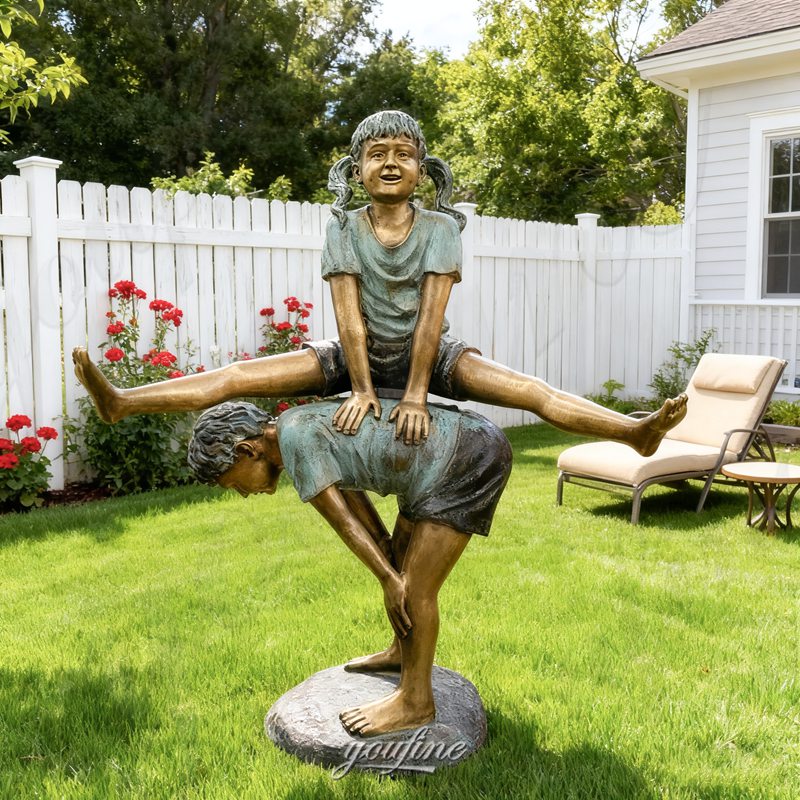
Average Lifespan of Bronze Statues
Bronze sculptures are among the most durable forms of art ever created. When properly cast and maintained, they can survive for centuries or even millennia.
The lifespan of a bronze statue depends largely on its environment and craftsmanship.
Indoor Bronze Statues
Indoor bronze statues are well protected from weather, moisture, and pollution. Because of this, they can last more than 1,000 years with minimal deterioration.
Many museum collections contain bronze sculptures that are thousands of years old and still retain their structural integrity.
Common indoor locations include:
- Museums
- Churches
- Hotels
- Galleries
- Private art collections
In these stable environments, bronze can remain virtually unchanged for centuries.
Outdoor Bronze Statues
Outdoor bronze sculptures are exposed to rain, temperature changes, and environmental pollutants. Even so, they can still last 100 to 500 years or more.
Public monuments and garden statues around the world demonstrate the remarkable durability of bronze.
With proper care and periodic maintenance, outdoor bronze statues may remain intact for many generations.
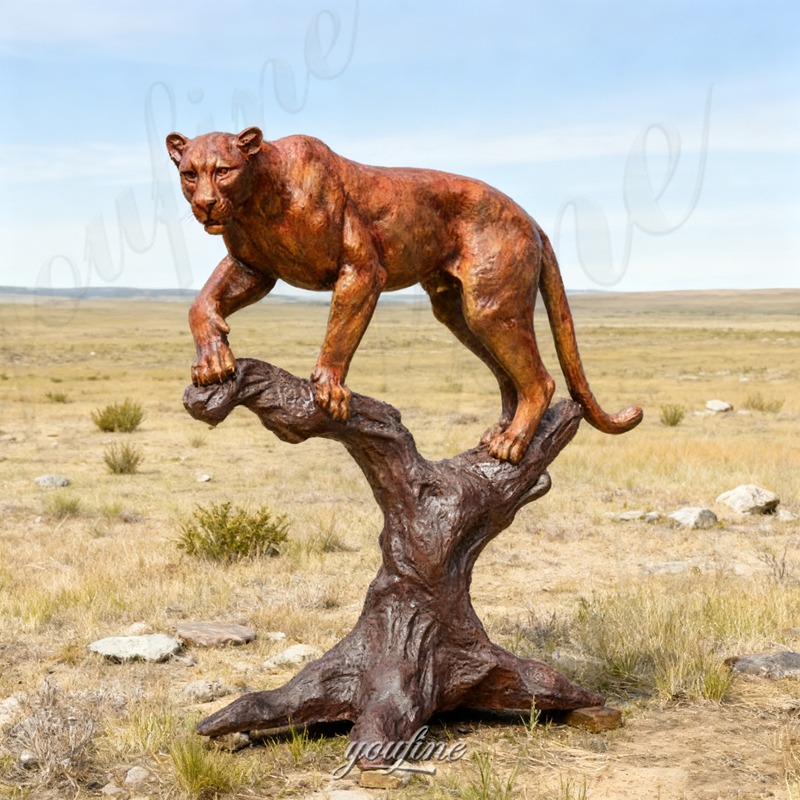
Why Bronze Statues Last So Long
Bronze has been used for sculpture since ancient times because of its unique combination of strength, beauty, and longevity.
Several characteristics make bronze exceptionally durable.
Bronze Alloy Structure
Bronze is primarily made from copper and tin, forming a strong and stable metal alloy. This composition provides excellent mechanical strength and resistance to cracking or breaking.
Compared with many other materials used in sculpture, bronze maintains its structural integrity for extremely long periods.
Protective Patina Layer
One of the most important reasons bronze statues last so long is the formation of a patina layer.
When bronze is exposed to air and moisture, it slowly oxidizes and forms a thin protective coating on the surface. This natural layer helps protect the metal underneath from further corrosion.
Over time, the patina may change color, ranging from brown and dark bronze tones to the famous green patina seen on many historical monuments.
Rather than damaging the sculpture, this patina actually helps preserve it.
High Structural Strength
Bronze is much stronger than many stone or synthetic materials used for sculpture.
Its strength allows sculptors to create:
- Thin structural elements
- Dynamic poses
- Large-scale statues
without compromising durability.
This balance between strength and artistic flexibility is one reason bronze remains one of the most popular materials for sculptures today.

What Factors Affect the Lifespan of Bronze Statues
Although bronze is extremely durable, several factors influence how long a statue will last.
Environmental Conditions
Climate and environmental exposure play a major role in bronze longevity.
Factors that affect bronze sculptures include:
- Humidity
- Rainfall
- Air pollution
- Coastal salt exposure
In coastal areas, salt in the air can accelerate corrosion. However, proper surface treatment and maintenance can significantly reduce this effect.
Bronze Casting Quality
The quality of the casting process has a major impact on durability.
Poor casting techniques may result in:
- Air bubbles in the metal
- Structural weaknesses
- Uneven thickness
These defects can shorten the lifespan of a sculpture. Experienced foundries carefully control the casting process to ensure strong, consistent bronze structures.
Wall Thickness of the Sculpture
The thickness of the bronze walls inside a sculpture is another important factor.
Professional bronze statues typically have a thickness of 4–8 mm, which provides enough strength while maintaining reasonable weight.
If a statue is cast too thin, it may become more vulnerable to damage over time.
Installation and Placement
Where and how a bronze statue is installed also affects its longevity.
For example:
- Poor drainage can cause water accumulation
- Sprinkler systems may expose the statue to constant moisture
- Bird droppings can damage the patina over time
- Proper installation planning helps avoid these issues.
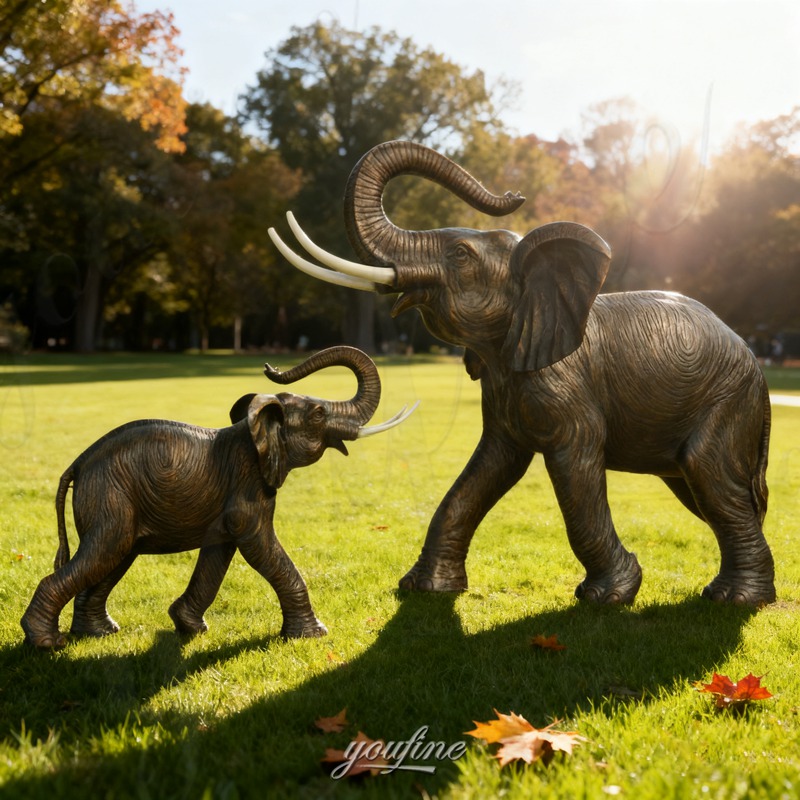
The Importance of Lost Wax Casting
Most high-quality bronze sculptures are created using the lost wax casting method, a technique that has been used for thousands of years.
This process allows artists to reproduce extremely detailed designs while maintaining strong structural integrity.
Basic Steps of Lost Wax Casting
The process typically includes:
- Creating a detailed sculpture clay model
- Producing a wax replica
- Covering the wax with a heat-resistant mold
- Melting the wax out of the mold
- Pouring molten bronze into the mold
- Finishing and polishing the sculpture
Because this technique produces dense, uniform bronze structures, it greatly improves the durability of the final artwork.
At YouFine, we use traditional lost wax casting combined with modern quality control to ensure each bronze sculpture meets high durability standards.
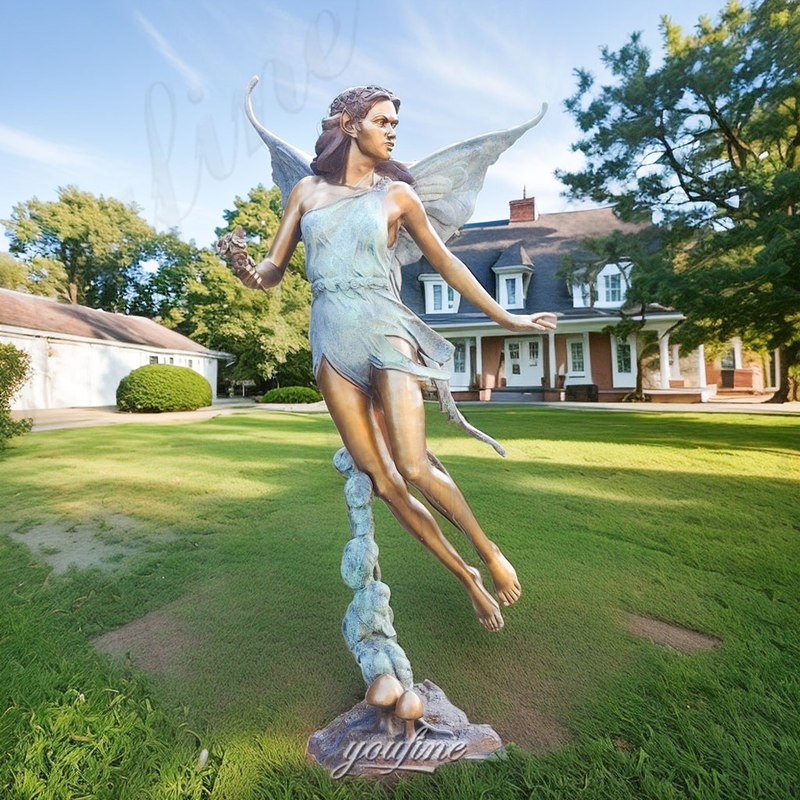
How Outdoor Bronze Statues Age Over Time
Bronze sculptures naturally change appearance over time due to environmental exposure.
This aging process is normal and often adds character to the sculpture.
- First 1–5 Years: The bronze surface may begin to darken slightly as oxidation starts.
- 10–20 Years: A stable patina layer gradually develops, giving the sculpture a deeper bronze tone.
- 50+ Years: The protective patina becomes well established and helps shield the metal from corrosion.
- 100+ Years: Many outdoor bronze statues develop the classic green patina that is commonly associated with historical monuments.
This aging process is not harmful; in fact, it often enhances the sculpture’s artistic appeal.
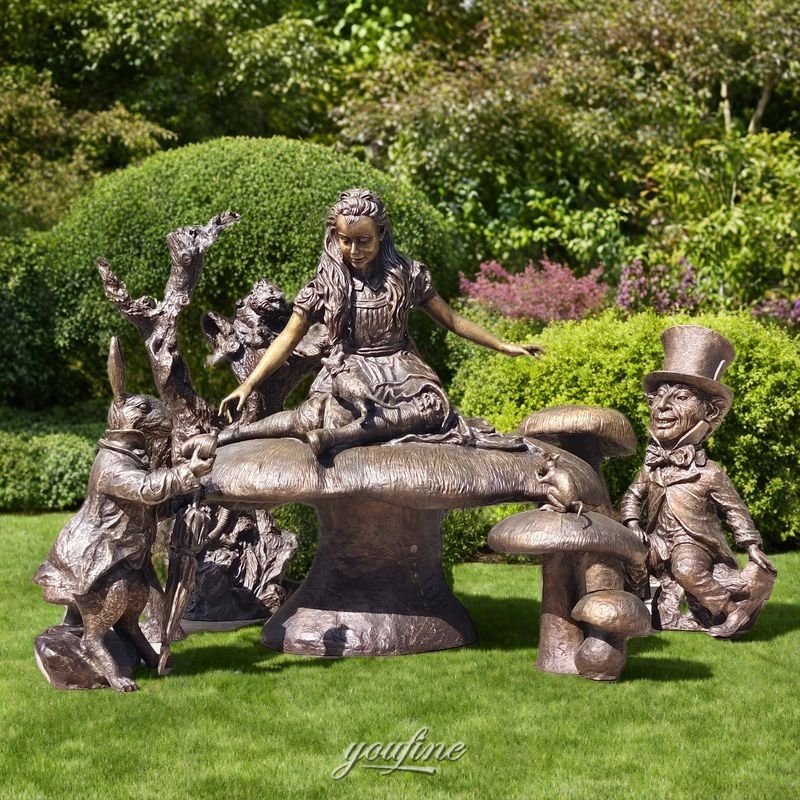
Famous Bronze Statues That Have Lasted for Centuries
Throughout history, many bronze statues have survived for hundreds or even thousands of years. These famous examples demonstrate the incredible durability of bronze as a sculptural material.
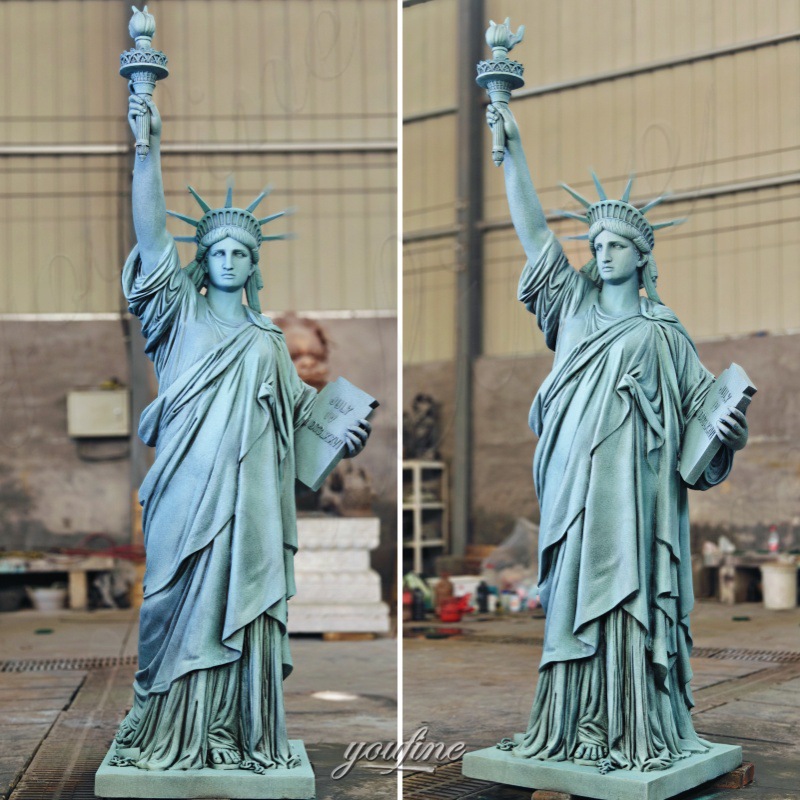
The Statue of Liberty: One of the most recognizable monuments in the world, the Statue of Liberty in New York City, was completed in 1886. Although its exterior is made primarily of copper, it behaves similarly to bronze by forming a protective green patina over time. More than a century later, the statue still stands strong despite constant exposure to wind, rain, and ocean air.
The Marcus Aurelius Equestrian Statue: The Equestrian Statue of Marcus Aurelius in Rome is one of the best-preserved bronze sculptures from ancient Rome. Created around 175 AD, this impressive statue has survived for nearly 2,000 years, proving how durable bronze can be when properly cast.
The Capitoline Wolf: Another famous example is the Capitoline Wolf, an ancient bronze sculpture displayed in the Capitoline Museums in Rome. This artwork, believed to date
Bronze vs Other Sculpture Materials
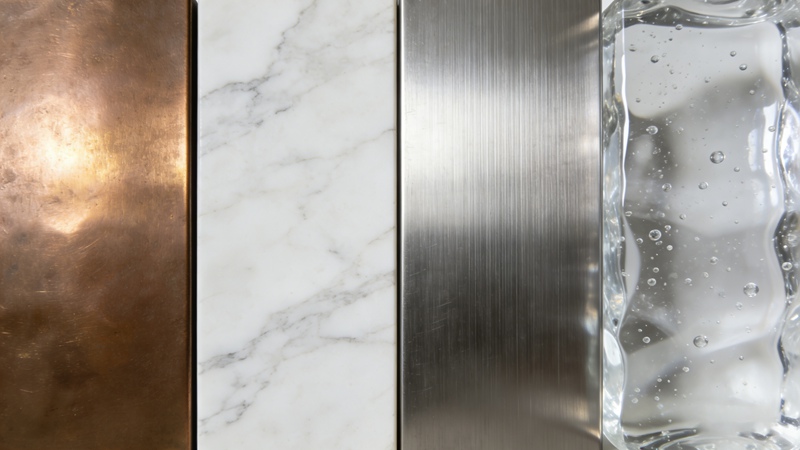
Different materials offer different levels of durability. Bronze remains one of the most durable and prestigious materials used in sculpture. Here is a comparison of common sculpture materials.
Material | Estimated Lifespan |
Bronze | 500 – 2000+ years |
Marble | 50 – 100+ years |
Stainless Steel | 50-200+ years |
Resin | 10-30 years |
How to Make Bronze Statues Last Longer
Although bronze is extremely durable, proper maintenance helps preserve its appearance and longevity.
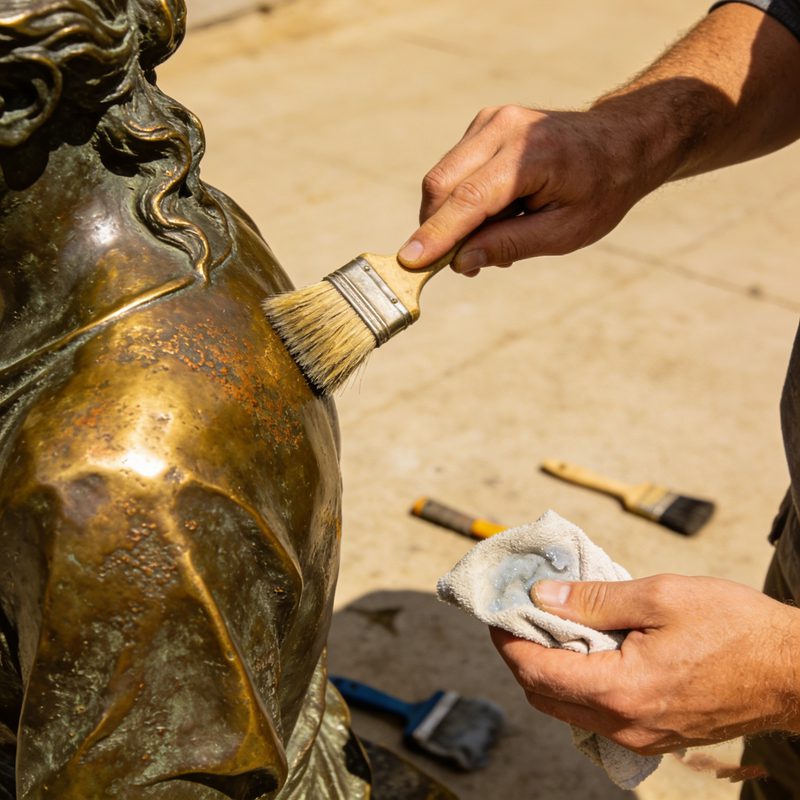
Regular Cleaning
Cleaning the statue periodically removes dirt, pollution, and organic debris.
Use:
- Soft cloth
- Mild soap
- Clean water
Avoid abrasive materials that may damage the surface.
Wax Protection
Many bronze sculptures benefit from a protective wax coating.
Wax helps:
- Protect the patina
- Reduce moisture exposure
- Maintain the sculpture’s color
Avoid Standing Water
- Water accumulation can damage bronze surfaces over time.
- Proper drainage and installation design help prevent this issue.
Periodic Inspection
Inspecting the sculpture occasionally allows small issues to be addressed before they become larger problems.
How to Tell If a Bronze Statue Is High Quality
Not all bronze sculptures are created with the same standards.
When purchasing a bronze statue, it is important to evaluate several factors.
- Bronze Alloy Composition: High-quality bronze sculptures typically use proper copper-tin alloy ratios to ensure strength and durability.
- Casting Thickness: Professional sculptures usually maintain consistent bronze thickness for structural stability.
- Surface Patina Quality: A well-applied patina should be even, natural-looking, and properly sealed.
Foundry Experience: Experienced foundries have better control over the casting process, ensuring long-lasting results.
FAQ
1. How long do bronze statues last outdoors?
Outdoor bronze statues typically last 100 to 500 years or more, depending on environmental conditions and maintenance.
2. Do bronze statues rust?
No. Bronze does not rust like iron. Instead, it forms a protective patina layer that helps prevent corrosion.
3. Why do bronze statues turn green?
The green color comes from a natural oxidation process that forms a protective patina on the bronze surface.
4. How often should bronze statues be maintained?
Basic cleaning once or twice a year is usually sufficient, although public monuments may require more frequent care.
5. Are bronze statues better than marble for outdoor sculptures?
Both materials are durable, but bronze generally performs better in harsh outdoor environments because it is less affected by weather and moisture. You could learn more: How Long Does a Sculpture Last?
6. How long do marble statue last?
A marble sculpture typically lasts 50 to 200 years, depending heavily on climate, pollution levels, and environmental exposure.
Conclusion
Bronze statues are among the most durable forms of sculpture ever created. Thanks to their strong metal structure and protective patina layer, they can survive for hundreds or even thousands of years.
While environmental conditions and craftsmanship affect longevity, bronze remains one of the most reliable materials for both artistic and architectural sculptures.
With proper casting techniques and basic maintenance, a bronze statue can become a lasting work of art that endures for generations.
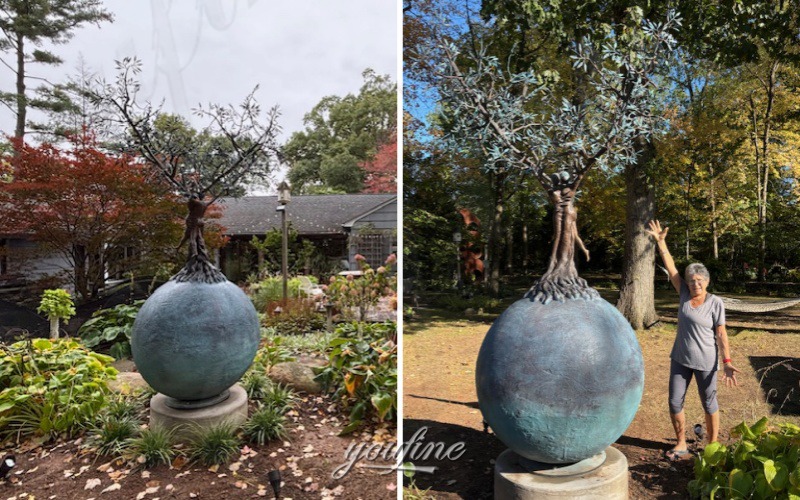
About YouFine
At YouFine, we specialize in handcrafted bronze sculptures produced using the traditional lost wax casting technique.
With over 40 years of casting experience, our team has created bronze statues for private collectors, public monuments, gardens, and architectural projects around the world.
Every sculpture is produced with strict material selection, precise casting processes, and detailed finishing to ensure long-term durability and artistic quality.
Our goal is to create bronze artworks that will stand the test of time and remain admired for generations.