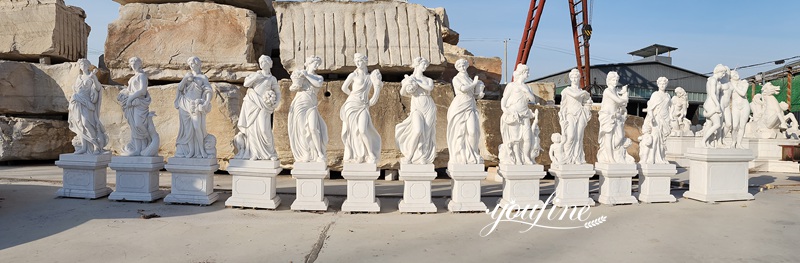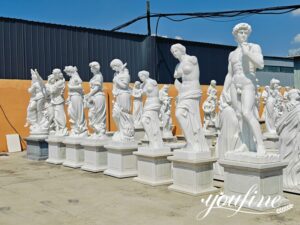
Over the past 10 years, I have met many clients who chose marble female statues to decorate their spaces. Whether it is the classical Venus de Milo, or a complete set of Four Seasons goddesses, these sculptures have consistently remained among the most popular choices for both indoor and outdoor decoration around the world.
From private villas and luxury gardens to hotels and public spaces, marble female statues continue to attract people with their timeless elegance and artistic presence.
In this article, I would like to share some of the most iconic designs, their meanings, and how they are used in modern environments.

Why Marble Is Perfect for Female Sculptures
Marble has always been one of the most respected materials in sculpture, especially for human figures.
Its fine grain allows artists to carve extremely delicate details, from facial expressions to flowing hair and soft drapery. More importantly, marble has a natural softness in appearance, giving the surface a skin-like translucency that brings sculptures to life.
When used for female statues, marble is especially powerful in expressing:
- Soft and natural body curves
- Gentle emotional expression
- A sense of purity, elegance, and refinement
Compared to bronze or resin, marble offers a more classical and luxurious visual impression, which is why it remains highly preferred in high-end architectural and landscape projects.
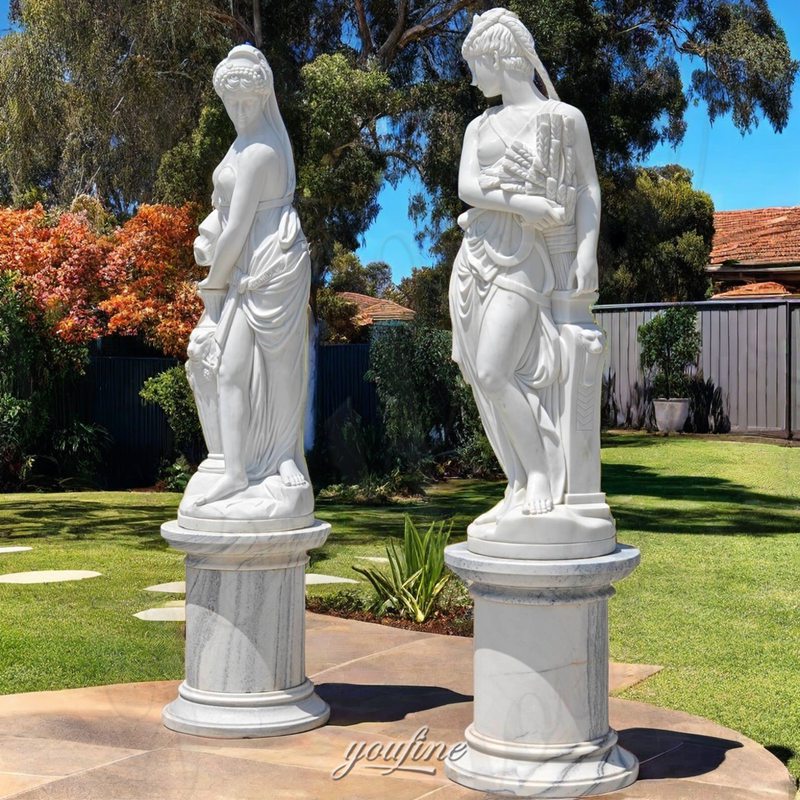
Most Famous Marble Female Statues in History
Over centuries, marble female statues have played a central role in classical art history. Many of these works are not only admired for their beauty but also for their symbolic meaning and artistic mastery. Below are some of the most famous examples that continue to inspire modern sculpture design.
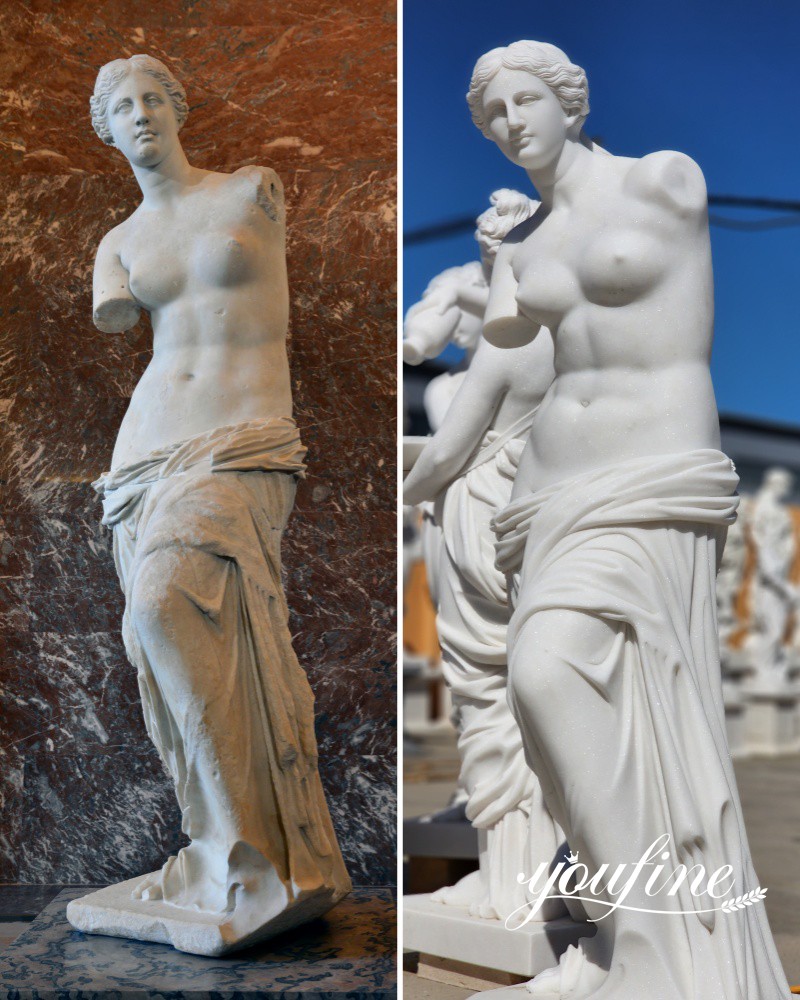
Venus de Milo
One of the most iconic sculptures in the world, the Venus de Milo represents Aphrodite, the goddess of love and beauty. Discovered on the island of Milos, this ancient Greek masterpiece is admired for its balanced proportions and timeless elegance. Even without arms, it remains a global symbol of classical femininity.
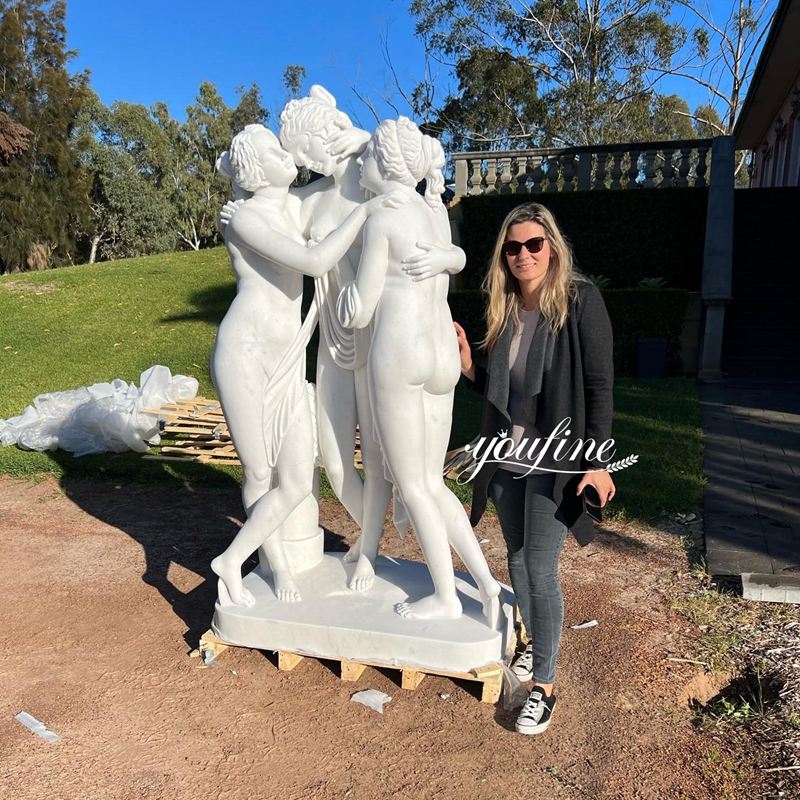
The Three Graces
This sculpture depicts three goddesses representing beauty, charm, and joy. Their intertwined composition creates a harmonious flow that symbolizes unity and grace. The Three Graces are often recreated in garden sculptures and fountain designs due to their elegant circular arrangement.
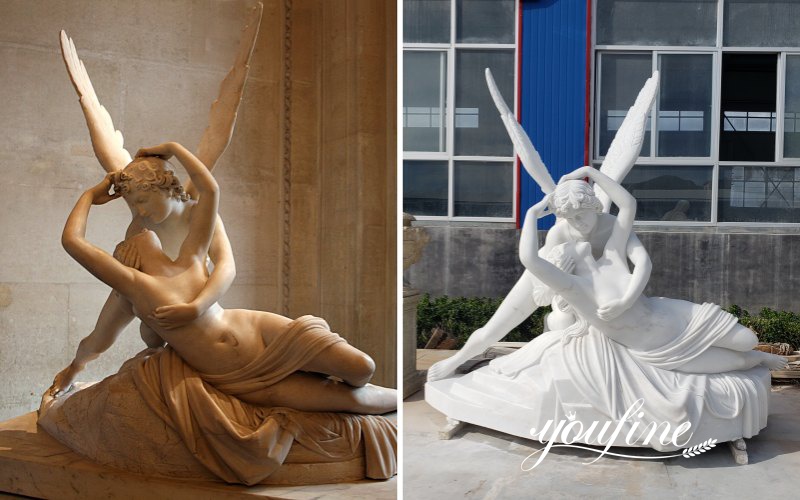
Psyche Revived by Cupid’s Kiss
Created during the neoclassical period, this masterpiece captures a deeply emotional moment between Psyche and Cupid. The soft marble carving and dramatic composition make it one of the most romantic sculptures in art history, frequently used as inspiration for luxury interior decor.
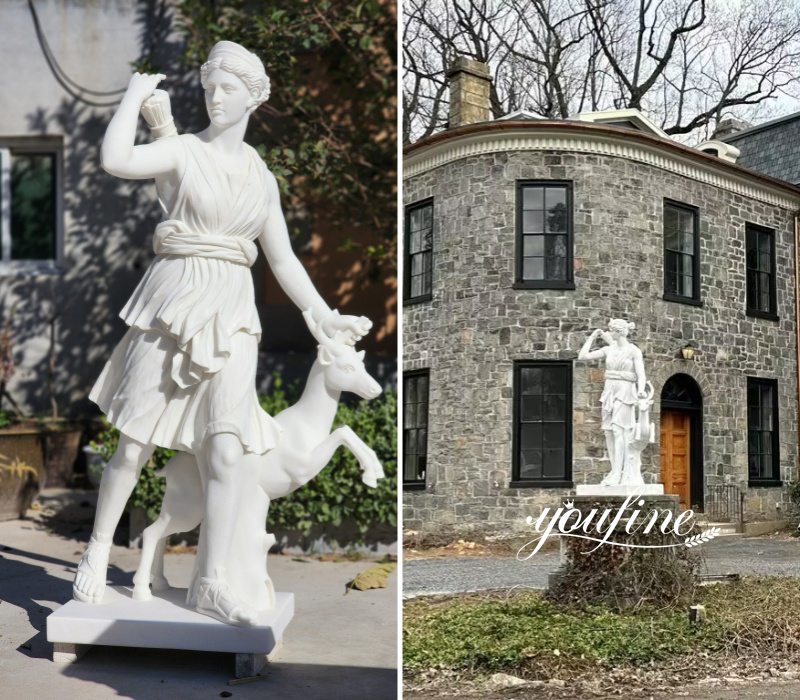
Diana the Huntress (Diana of Versailles)
This statue represents the Roman goddess of the hunt. Diana is portrayed in a dynamic pose, reaching for an arrow while accompanied by a deer. It symbolizes independence, strength, and feminine power, making it a popular choice for outdoor and garden installations.
The Birth of Venus (Inspired Sculptural Works)
While originally a painting by Botticelli, many marble sculptures have been created based on this iconic image. It represents the goddess Venus emerging from the sea, symbolizing beauty, rebirth, and divine femininity. These sculptural interpretations are popular in luxury decorative projects.

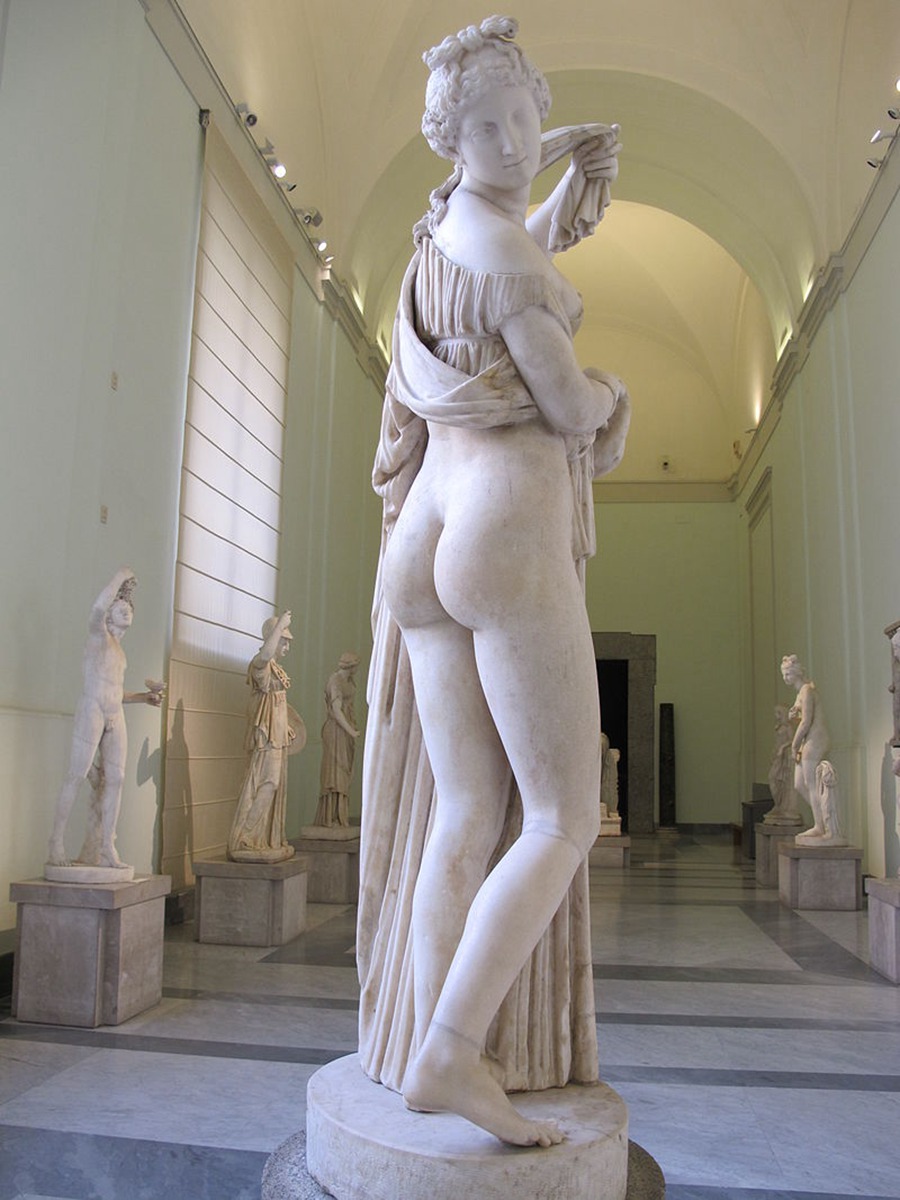
Venus Callipyge
This lesser-known but highly admired classical sculpture focuses on the idealized female form and physical beauty. The name means “Venus of the beautiful buttocks,” emphasizing harmony and proportion in the human body. It is a classic example of how ancient art explored aesthetics in detail.
Modern Classical Reproductions
In addition to ancient masterpieces, many modern workshops recreate and reinterpret classical marble female statues. These include:
- Life-size Venus statues for gardens
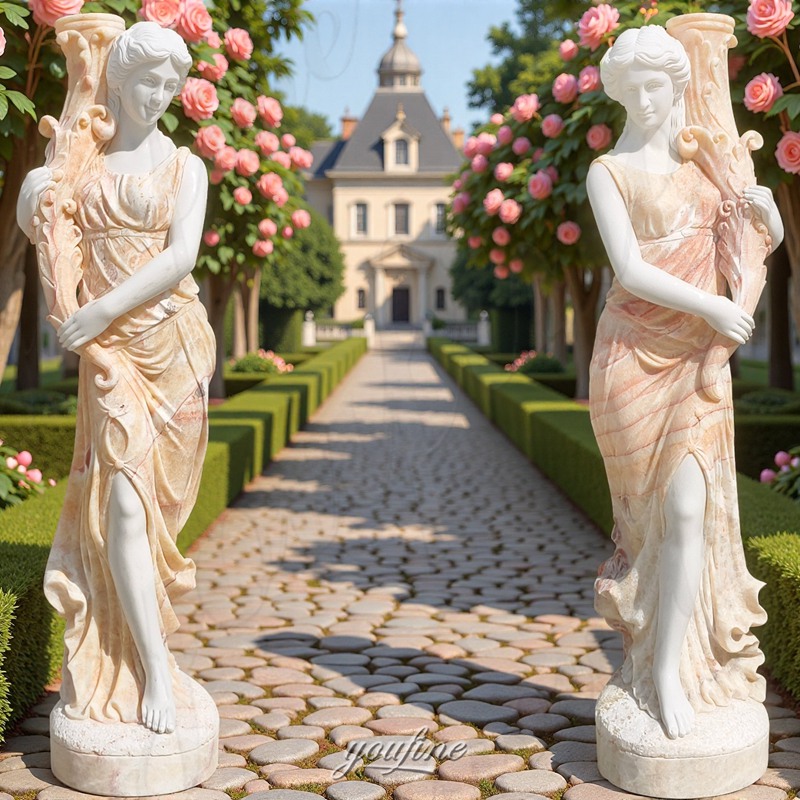
- Four Seasons goddess sets for fountains
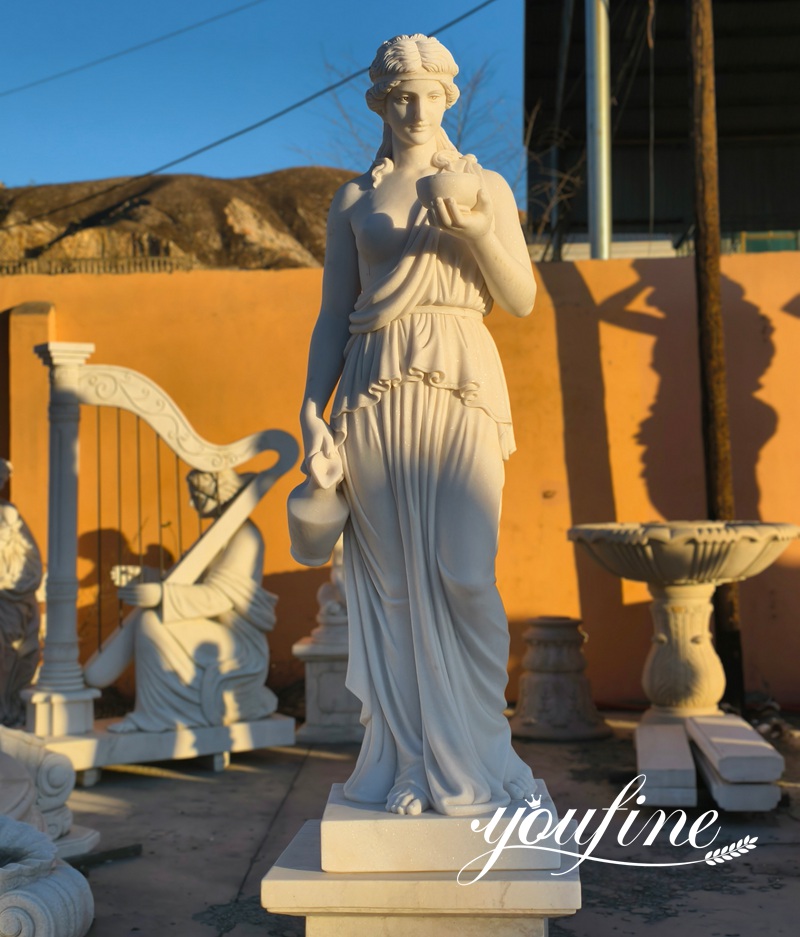
- Neoclassical standing female figures for villas and hotels
These reproductions allow classical beauty to be integrated into modern architecture and landscape design.

Symbolism Behind Marble Female Statues
In my experience working with clients worldwide, marble female statues are rarely chosen just for decoration. They often carry deeper meanings.
Common symbolism includes:
- Beauty and love–inspired by classical mythology
- Purity and grace–expressed through soft forms and calm posture
- Freedom and nature–shown in flowing movement and natural poses
- Strength and independence–represented by goddess or warrior figures
Different postures also communicate different emotions:
- Standing figures often represent dignity and confidence
- Sitting or reclining poses feel more peaceful and intimate
- Dynamic movement conveys energy and vitality
This combination of aesthetics and symbolism is what makes these sculptures timeless.
Where Marble Female Statues Are Commonly Used
Today, marble female statues are widely used in many types of spaces.
- Luxury Gardens: They often become the visual focal point of landscape design.
- Hotels and Resorts: Used to enhance artistic atmosphere and elevate the overall spatial experience.
- Wedding and Event Venues: Their romantic symbolism makes them highly suitable for ceremonial environments.
- Public Spaces: Parks and plazas use them to enrich cultural and artistic identity.
- Interior Decoration: Placed in entrances, halls, or staircases, they immediately create a sense of luxury and taste.

How to Choose the Right Marble Female Statue
Choosing the right sculpture depends on both space and artistic intention.
In general, clients consider:
- Size–life-size for realism, large-scale for visual impact
- Style–classical European style or modern interpretation
- Marble type–white marble, beige marble, or colored stone
- Placement–indoor elegance vs. outdoor durability
- Customization–whether to adjust pose, expression, or proportions
A well-selected statue can completely transform the atmosphere of a space.
Conclusion
Marble female statues continue to inspire people with their elegance, symbolism, and artistic depth. They bridge classical art and modern design, making them suitable for a wide range of environments—from luxury gardens to architectural landmarks.
Whether it is a historical reproduction or a fully custom design, these sculptures always bring a sense of beauty, culture, and permanence to any space.
If you are considering adding a marble female statue to your project, choosing the right craftsmanship is the most important step. A well-made sculpture will not only enhance your space but also remain a lasting piece of art for generations.
For high-quality handcrafted marble sculptures and custom projects, you can explore our works at YouFine, where we specialize in producing museum-quality marble statues with experienced hand-carving artisans and strict quality control.
Over the years, we have worked with clients from villas, hotels, public art projects, and landscape designers worldwide, helping them bring classical and custom sculpture ideas into reality.