When customers search for a sculpture, one of the first questions they usually ask is: “How much does this sculpture cost?”
However, there is no simple answer. Unlike mass-produced decorations, sculptures are handcrafted artworks that involve materials, design, craftsmanship, production techniques, and customization requirements. Two sculptures with similar appearances may have completely different prices because of differences in size, material quality, production processes, and artistic details.
A small decorative sculpture may cost hundreds of dollars, while a large custom sculpture for a hotel, resort, garden, or public space can cost thousands or even tens of thousands of dollars.
The price of a sculpture is not determined by one single factor. It is the result of multiple elements working together, including the material selected, the complexity of the design, the amount of craftsmanship involved, and the requirements for transportation and installation.
With 40+ years of experience creating custom sculptures for clients worldwide, YouFine understands that every sculpture project is unique. A professional sculpture manufacturer does not simply calculate the cost of raw materials but evaluates the entire process from design development to final installation.
In this article, we will explain the major factors that affect sculpture prices and help you understand how to choose the right sculpture according to your budget.
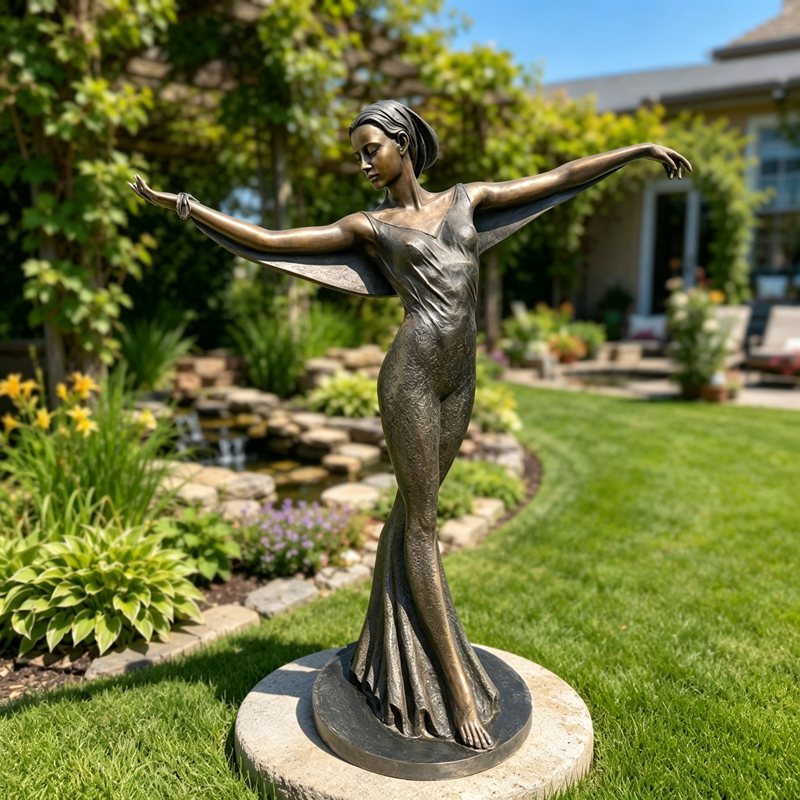
1. Material Selection: The Foundation of Sculpture Pricing
Material is one of the most important factors affecting the price of a sculpture. Different materials have different raw material costs, processing difficulties, durability, and artistic effects.
The choice of material not only determines the appearance of a sculpture but also influences the production process, labor requirements, maintenance needs, and final investment.
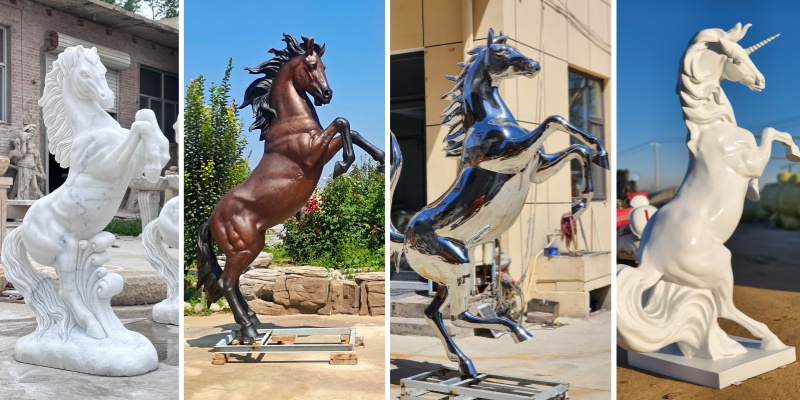
The following table shows the main factors that affect the cost of different sculpture materials:
Sculpture Material | Price Level | Main Price Factors | Production Difficulty | Common Applications |
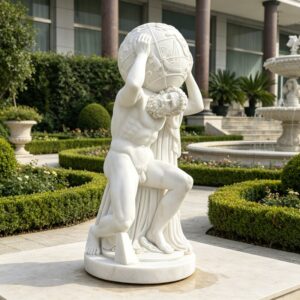
★★★★☆ Premium | Stone quality, marble origin, natural texture, carving difficulty, size of stone block | High – requires skilled hand carving and careful polishing | Garden statues, classical figures, fountains, architectural decoration | |
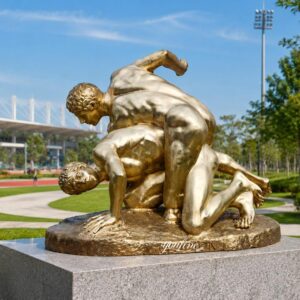
★★★★★ High-End | Bronze weight, casting process, mold complexity, patina finishing, surface details | High – involves molding, casting, chasing, and surface finishing | Outdoor statues, monuments, animal sculptures, public art | |
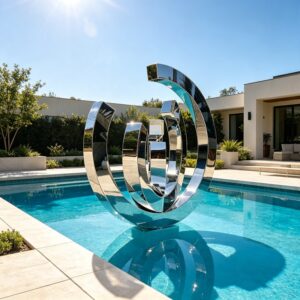
★★★★☆ Premium | Steel thickness, welding complexity, polishing process, surface treatment, structural requirements | Medium to High – requires professional fabrication and finishing techniques | Modern sculptures, landscape installations, commercial spaces | |
Fiberglass / Resin | ★★☆☆☆ Budget-Friendly | Mold creation, surface coating, painting details, structural support | Medium – requires professional mold making and quality finishing | Decorative sculptures, themed parks, commercial displays |
2. Size and Scale: Larger Sculptures Require More Resources
The size of a sculpture has a direct impact on its cost.
A larger sculpture requires more than just additional materials. It also involves:
- More raw materials
- More production hours
- More craftsmen
- Larger workshop space
- More complicated transportation
- Professional installation equipment
For example, creating a 50-cm garden statue and producing a 5-meter entrance sculpture for a hotel require completely different production plans.
Large-scale sculptures often require additional engineering considerations, including structural support, safety requirements, and installation planning.
Therefore, when requesting a sculpture quotation, customers should provide accurate information about the desired size and installation location.
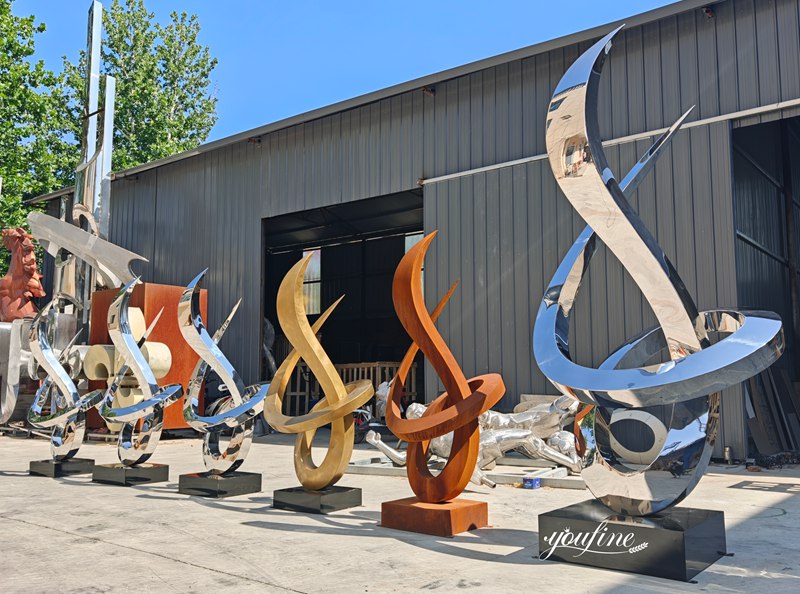
3. Design Complexity and Artistic Details
The complexity of the design is another major factor that affects sculpture pricing.
A simple modern abstract sculpture may require fewer production steps, while a realistic sculpture with detailed textures requires significantly more craftsmanship.
Complex designs often include:
- Human figures
- Animal sculptures
- Historical characters
- Realistic facial expressions
- Detailed clothing textures
- Intricate patterns
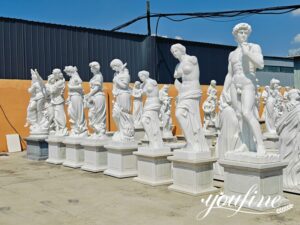
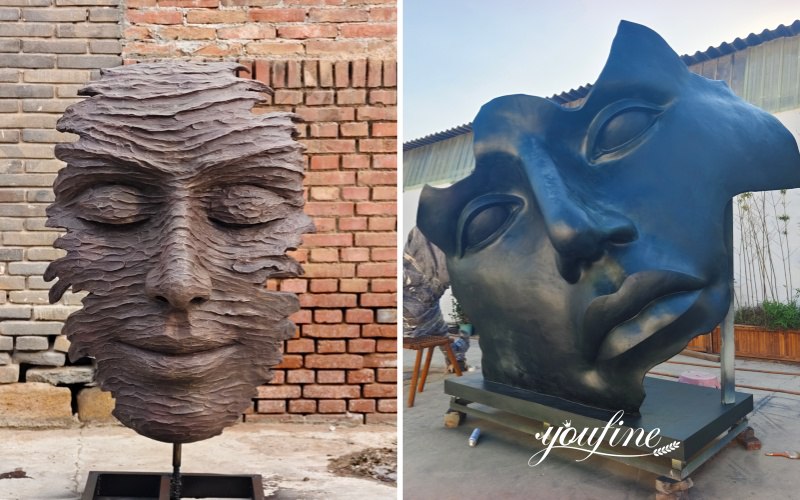
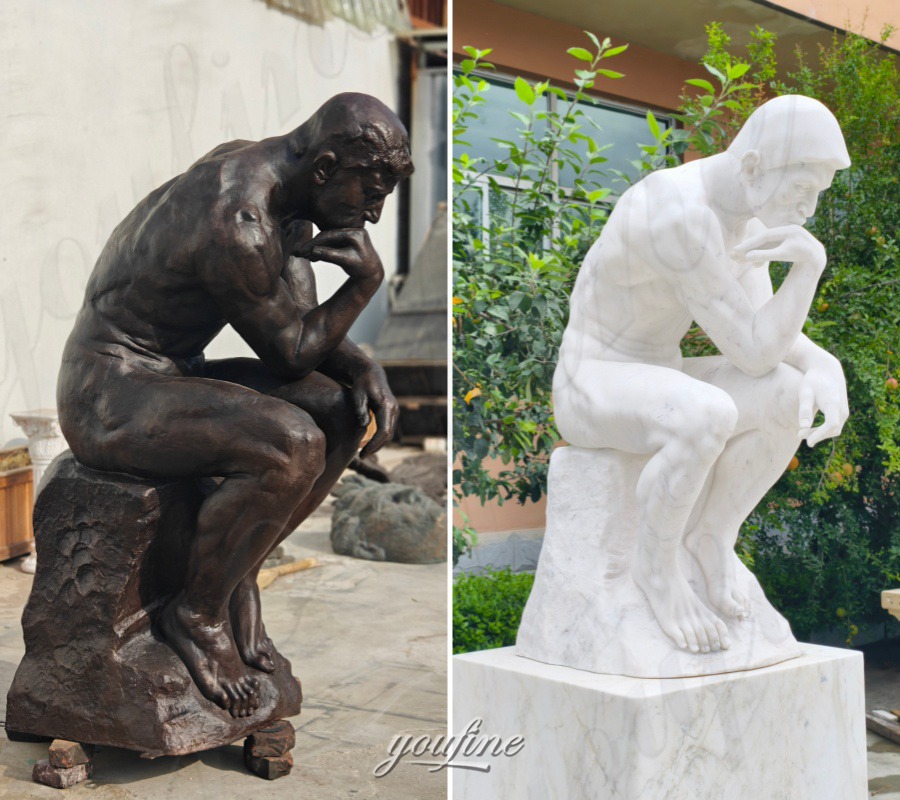
For example, carving a realistic marble human sculpture requires careful attention to anatomy, proportions, and surface details. Similarly, a bronze animal sculpture with realistic fur or feathers requires additional modeling and finishing work.
The more detailed and artistic a sculpture is, the more time and expertise are required during production.
4. Craftsmanship and Production Techniques
Behind every high-quality sculpture is a professional production process.
A sculpture is not simply created by shaping a material. It requires multiple stages of skilled craftsmanship.
Design Development
Before production begins, manufacturers usually work with clients to confirm:
- Sculpture concept
- Size requirements
- Material selection
- Style preferences
- Installation environment
For complex projects, 3D modeling can help customers visualize the final result before production.
Prototype Creation
For customized sculptures, creating a prototype or model is an important step.
Common materials include:
- Clay
- Foam
- Resin
- Digital 3D models
The prototype allows designers and clients to check proportions and make adjustments before final production.
Manufacturing Process
Different materials require different techniques.
Marble Sculpture Production:
- Stone selection
- Rough cutting
- Hand carving
- Detail refinement
- Surface polishing
Bronze Sculpture Production:
- Clay modeling
- Wax molding
- Casting
- Welding
- Surface chasing
- Patina finishing
Stainless Steel Sculpture Production:
- Cutting
- Welding
- Shaping
- Polishing
- Surface treatment
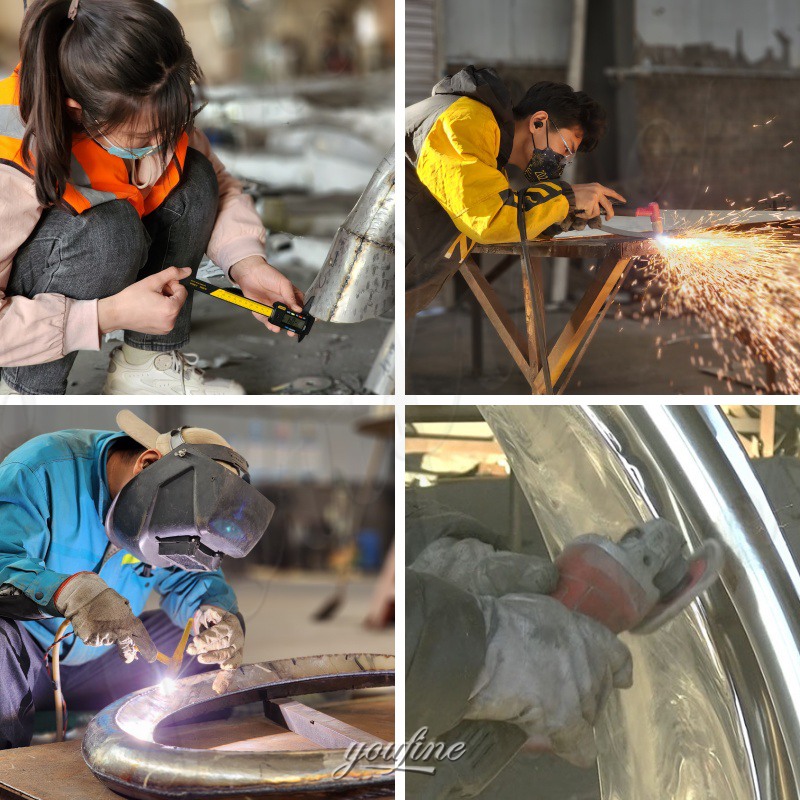
Each step requires experienced craftsmen, and the level of workmanship directly influences the final sculpture price.
5. Customization Requirements
Customized sculptures usually cost more than standard designs because they are created specifically for one customer and one environment.
Customization may include:
- Unique sculpture concepts
- Special dimensions
- Specific materials
- Personalized symbols
- Architectural matching
- Exclusive designs
For example, a resort may need a sculpture that matches its landscape theme, while a private estate owner may want a statue designed according to a specific architectural style.
A customized sculpture requires more communication, design adjustments, and production planning.
Unlike ordinary products, a custom sculpture is a unique artwork created for a specific purpose and space.

6. Artist Reputation and Sculpture Value
The artistic value of a sculpture can also influence its price.
Factors include:
- Designer experience
- Artistic concept
- Originality
- Cultural significance
In the art market, sculptures created by famous artists may have higher value because of their reputation and historical importance.
However, for commercial projects such as hotels, gardens, resorts, and architectural spaces, production quality and manufacturing expertise are equally important.
A successful sculpture project requires not only artistic creativity but also professional production capability to transform an idea into a durable and visually impressive artwork.
7. Labor, Finishing, and Logistics: Hidden Costs Behind Sculpture Pricing
Many customers focus mainly on material costs but overlook the importance of labor and logistics.
Labor Costs
Handcrafted sculptures require skilled workers, including:
- Sculptors
- Stone carvers
- Metal craftsmen
- Welders
- Surface finish specialists
The more complex the sculpture, the more working hours are required.
Finishing Costs
Surface finishing greatly affects the final appearance of a sculpture.
Examples include:
- Marble polishing
- Bronze patina
- Painting
- Protective coating
- Mirror polishing
High-quality finishing can significantly improve the visual effect and lifespan of a sculpture.
Transportation and Installation
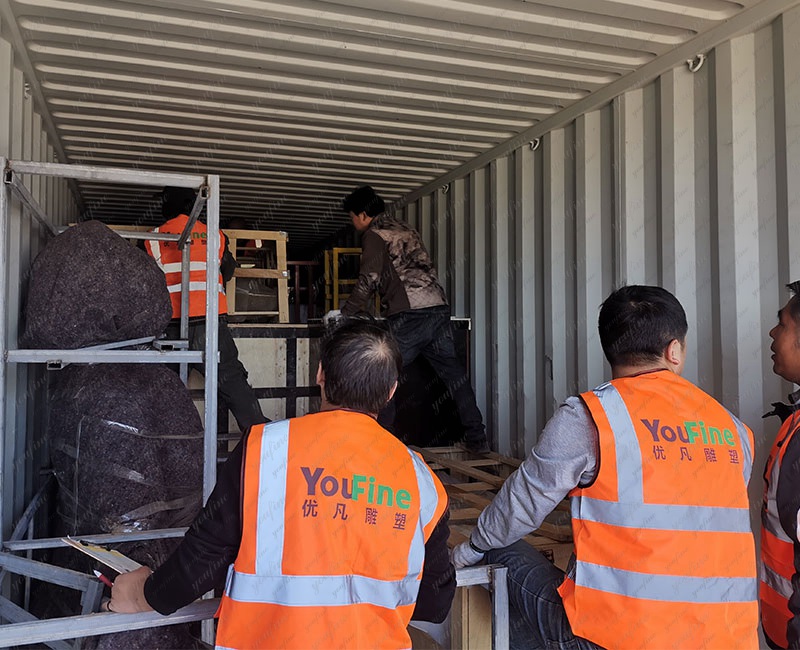
For international sculpture projects, logistics are also an important part of the budget.
Costs may include:
- Professional packaging
- International shipping
- Insurance
- Installation equipment
- On-site assembly
Large sculptures often require careful transportation planning to ensure safe delivery.
8. How to Choose the Right Sculpture Within Your Budget?
Choosing a sculpture is not only about finding the lowest price. The goal is to achieve the best balance between budget, quality, and artistic value.
For a Limited Budget
Consider:
- Smaller sculpture sizes
- Standard designs
- More affordable materials
- Simpler finishing options
These choices can still create attractive decorative effects.
For a Medium Budget
You may consider:
- Customized garden sculptures
- Marble statues
- Bronze decorative sculptures
This allows more flexibility in design and material selection.
For Large Project Budgets
Large budgets are suitable for:
- Public art sculptures
- Hotel entrance sculptures
- Resort landscape sculptures
- Large architectural installations
These projects usually require complete solutions, including design, production, transportation, and installation.
Before choosing a sculpture, customers should consider:
- Purpose of the sculpture
- Installation location
- Material durability
- Maintenance requirements
- Long-term artistic value
9. What Can YouFine Do to Maximize Your Sculpture Value Within Your Budget?
Choosing the right sculpture manufacturer is essential for achieving the best result within your budget.
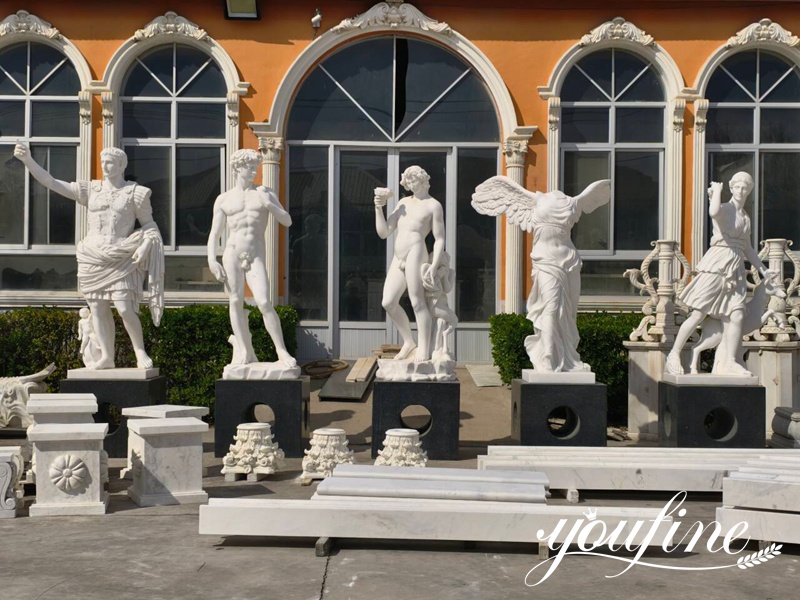
At YouFine, we help customers balance artistic expectations, material choices, production quality, and project requirements.
Our services include:
- Custom Sculpture Design: We help transform ideas into professional sculpture concepts.
- Material Recommendations: Based on your budget, location, and project requirements, we recommend suitable materials and production methods.
- Professional Manufacturing: With experienced craftsmen and advanced production techniques, we create sculptures with excellent quality and durability.
- Complete Project Support: From initial design consultation to production, packaging, and delivery, YouFine provides a complete sculpture solution.
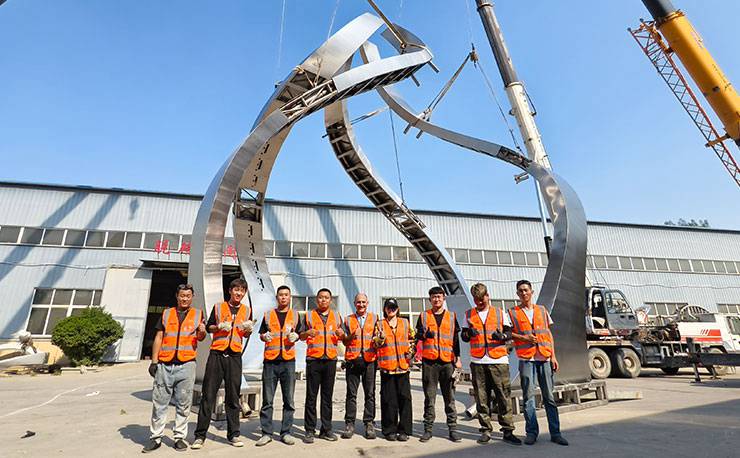
Whether you need a marble statue for a private garden, a bronze sculpture for a hotel, or a large-scale landscape artwork, our team can help you create a sculpture that meets your vision and budget.
Conclusion
The price of a sculpture is determined by many factors, including material, size, design complexity, craftsmanship, customization requirements, labor, and logistics.
Understanding these factors helps customers make better decisions and choose sculptures that provide long-term value.
A high-quality sculpture is not simply a decorative product. It is a combination of artistic creativity, skilled craftsmanship, and professional manufacturing.
If you are planning a custom sculpture project, YouFine can help you find the right solution based on your design ideas, space requirements, and budget.
Contact YouFine today to discuss your sculpture project and receive a professional quotation.