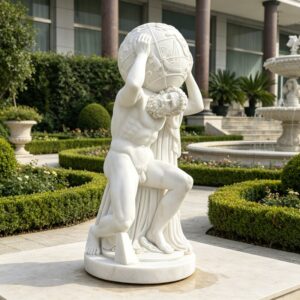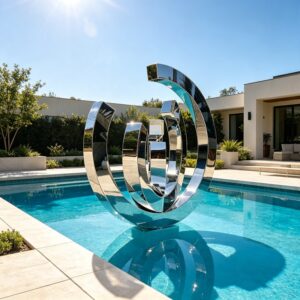
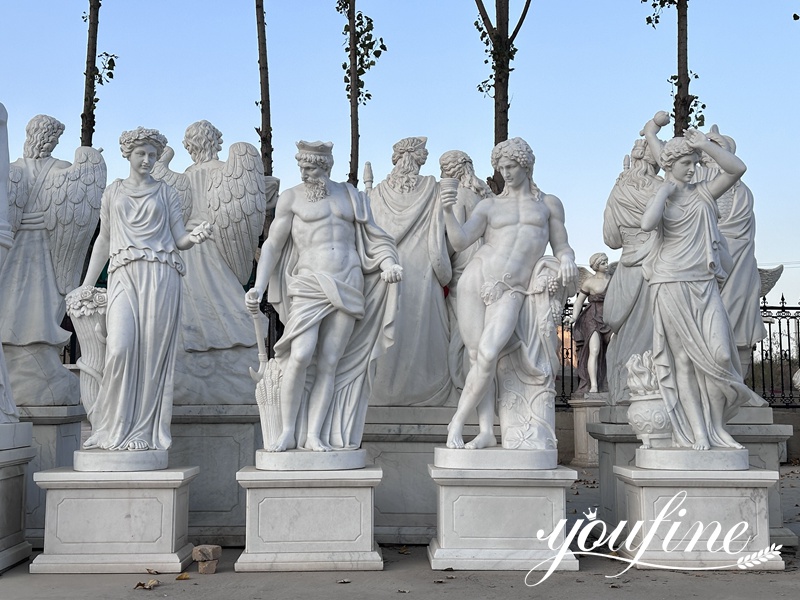
Marble sculptures have been admired for thousands of years, from ancient Greek masterpieces to modern architectural decorations. Their timeless beauty, smooth texture, and ability to capture fine details make marble one of the most popular materials in sculpture.
But how does a solid block of stone transform into a breathtaking work of art?
In this guide, we’ll walk you through the complete marble sculpture process—from the initial design to the final polished masterpiece.
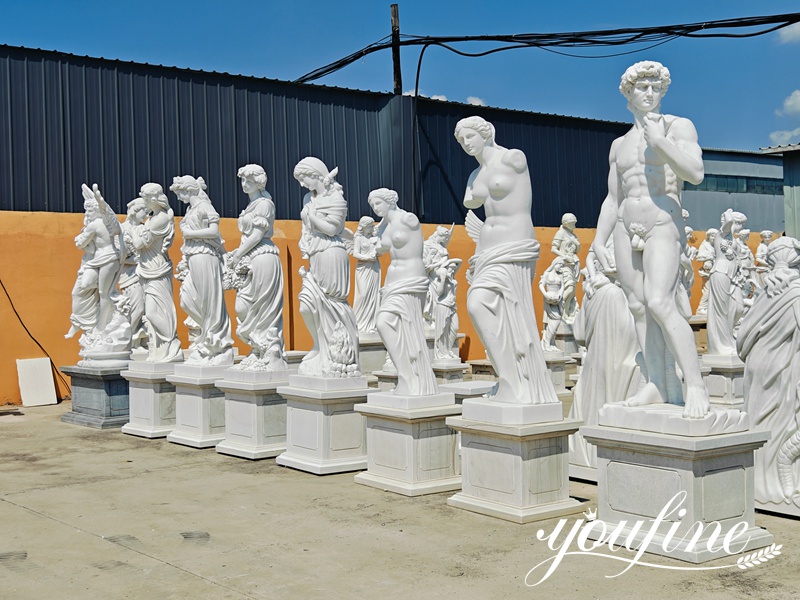
Why Marble Is Ideal for Sculpture
Marble has long been the preferred material for sculptors, and for good reason.
First, its fine-grained structure allows artists to carve intricate details, making it perfect for lifelike statues. Second, marble has a slight translucency, which gives sculptures a soft, skin-like appearance. Finally, it can be polished to a high finish, enhancing its elegance and luxury appeal.
However, marble also requires expertise. It is sensitive to acid and weathering, which is why choosing the right type of marble—and the right craftsmanship—is essential for long-lasting results.
The Marble Sculpture Process (Step by Step)
Step 1: Designing the Sculpture
Every marble sculpture begins with a clear design.
At this stage, the sculptor works closely with the client to define the style, size, and purpose of the sculpture. Whether it’s a garden statue, memorial, or architectural decoration, the installation environment plays a crucial role in shaping the design.
At YouFine, we go beyond simple drawings. Our team provides:
Free design sketches or 3D models
Professional advice based on installation location (indoor, outdoor, coastal, etc.)
Structural and proportion optimization
This step is critical because the design determines everything that follows—including material selection, carving techniques, and overall cost.
Step 2: Selecting the Marble Block
Once the design is finalized, the next step is choosing the right marble.
Different types of marble vary in color, texture, and durability. Selecting the right material ensures that the final sculpture not only looks stunning but also performs well in its environment.
For example:
- Fine white marble is ideal for detailed human sculptures
- Dense marble is better for outdoor installations
- Unique veined marble can enhance decorative pieces
Choosing the right marble is essential to achieving the desired visual and structural effect. If you want to explore more options, you can read our detailed guide: How Many Types of Marble are There–A Complete Guide to Marble Varieties, Colors & Sculpture Uses
At YouFine, we carefully inspect each block to ensure it is free from cracks and imperfections, guaranteeing the highest quality from the very beginning.
Step 3: Creating a Scale (Maquette)
Before carving the actual stone, sculptors often create a smaller model using clay or plaster.
This model helps refine the design and serves as a reference throughout the carving process. Since marble carving is irreversible, this step reduces risk and ensures accuracy.
Step 4: Transferring Measurements
To replicate the design onto the marble block, precise measurements are transferred from the model.
Traditionally, tools like calipers or pointing machines are used. Today, advanced workshops may also use 3D scanning and digital mapping to achieve higher precision.
Step 5: Rough Shaping (Blocking Out)
This is where the transformation begins.
Using chisels and hammers, sculptors remove large portions of stone to form the basic shape. This stage defines the overall proportions of the sculpture.
It is also one of the most critical steps—mistakes cannot be undone.
Step 6: Refining the Form
After the rough shape is established, the sculptor begins refining the details.
Tools such as claw chisels and rasps are used to gradually define muscles, drapery, and structural features. The sculpture starts to come to life during this stage.
Step 7: Detailing the Sculpture
This step focuses on fine details—the facial expressions, fingers, textures, and decorative elements.
It requires exceptional skill and patience, as even the smallest detail can significantly impact the final appearance.
At YouFine, our experienced craftsmen combine traditional hand-carving techniques with modern tools to achieve both artistic quality and precision.
Step 8: Sanding and Polishing
Once the carving is complete, the sculpture is carefully sanded using progressively finer abrasives.
This process removes tool marks and smooths the surface. Finally, the sculpture is polished to enhance its natural shine and elegant texture.
Step 9: Final Finishing and Protection
In the final stage, protective treatments may be applied to the marble.
This can include sealing or waxing to help protect against moisture, dirt, and environmental damage—especially for outdoor sculptures.
The sculpture is then prepared for safe transportation and installation.
Tools Used in Marble Sculpture
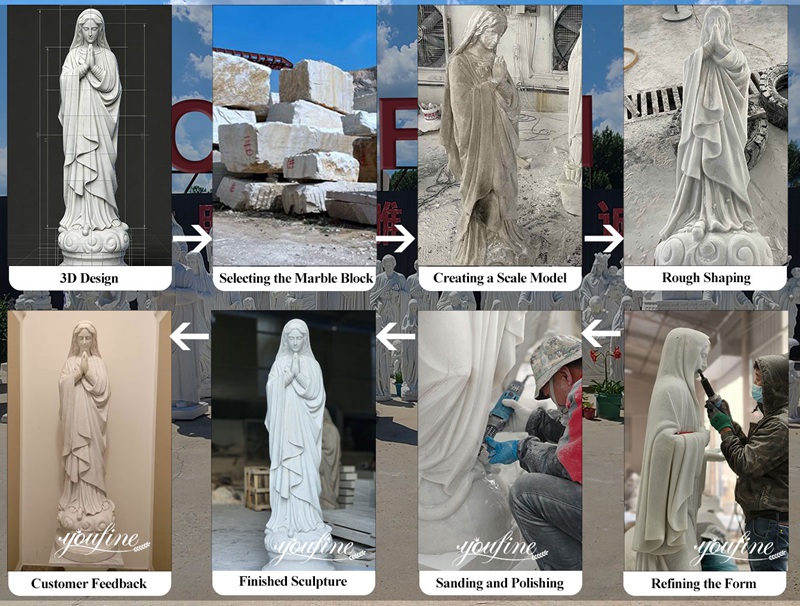
Marble carving combines traditional craftsmanship with modern technology.
Traditional tools include:
- Point chisels
- Tooth chisels
- Flat chisels
- Mallets
- Modern tools include:
- Pneumatic carving tools
- Diamond cutting tools
- CNC machines for rough shaping
Today, most high-quality sculptures use a combination of both methods.
Hand Carving vs Machine Carving
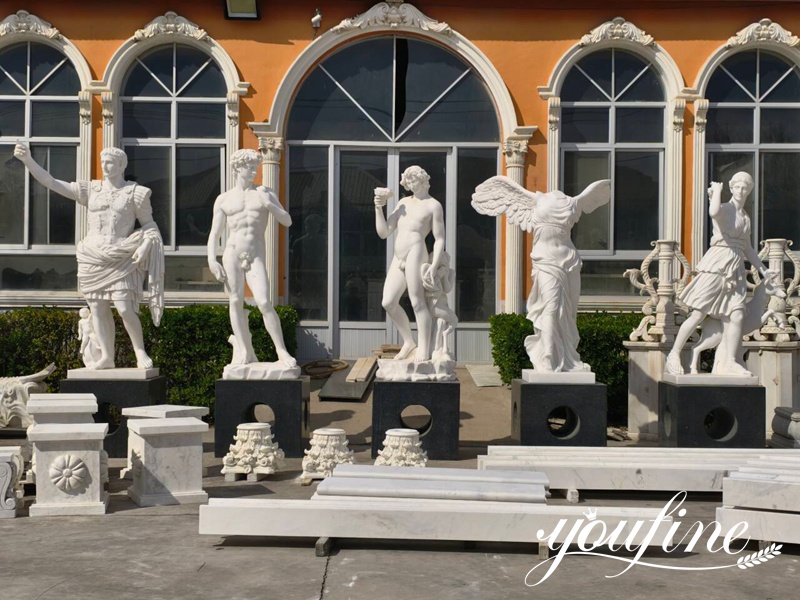
Hand carving offers unmatched artistic expression and uniqueness, making each sculpture one of a kind.
Machine-assisted carving improves efficiency and accuracy, especially for large or complex projects.
At YouFine, we combine both approaches—using machines for precision and hand carving for artistic refinement—to deliver the best results.
How Long Does It Take to Make a Marble Sculpture?
The production time depends on the size and complexity of the sculpture:
- Small sculptures: a few weeks
- Medium-sized projects: 1–3 months
- Large or highly detailed sculptures: several months or longer
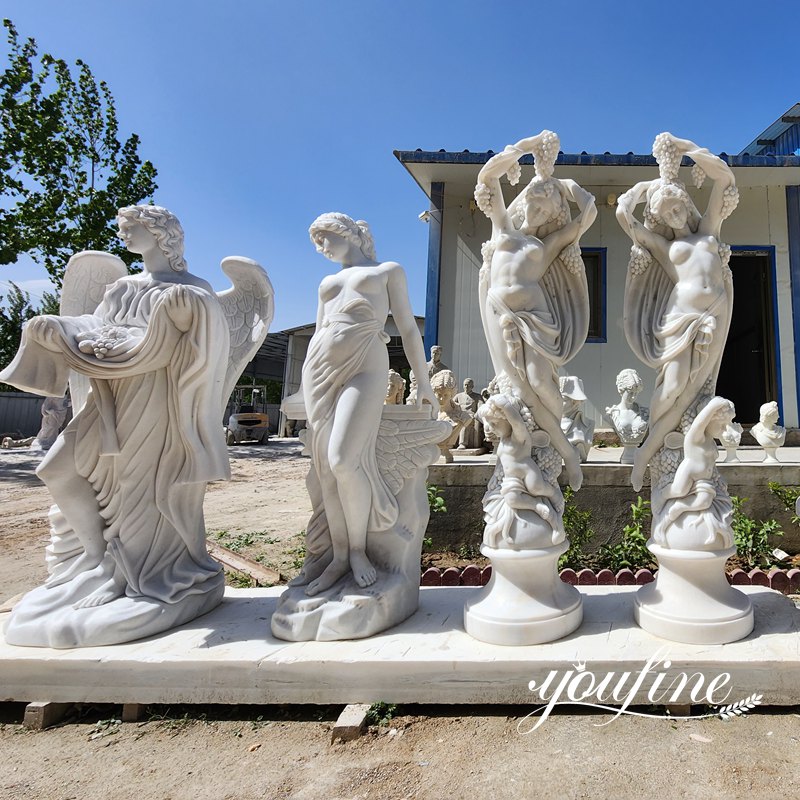
Common Applications of Marble Sculptures
Marble sculptures are widely used in:
- Garden and landscape decoration
- Memorial statues
- Religious sculptures
- Architectural projects (columns, fountains, reliefs)

Why Choose a Professional Marble Sculpture Factory
Creating a marble sculpture requires not only artistic skill but also technical expertise.
At YouFine, we offer:
- Custom design services
- Experienced hand-carving artisans
- Strict material selection
- Global shipping and installation support
We don’t just carve marble—we help bring your vision to life with the right design, material, and craftsmanship.
Conclusion
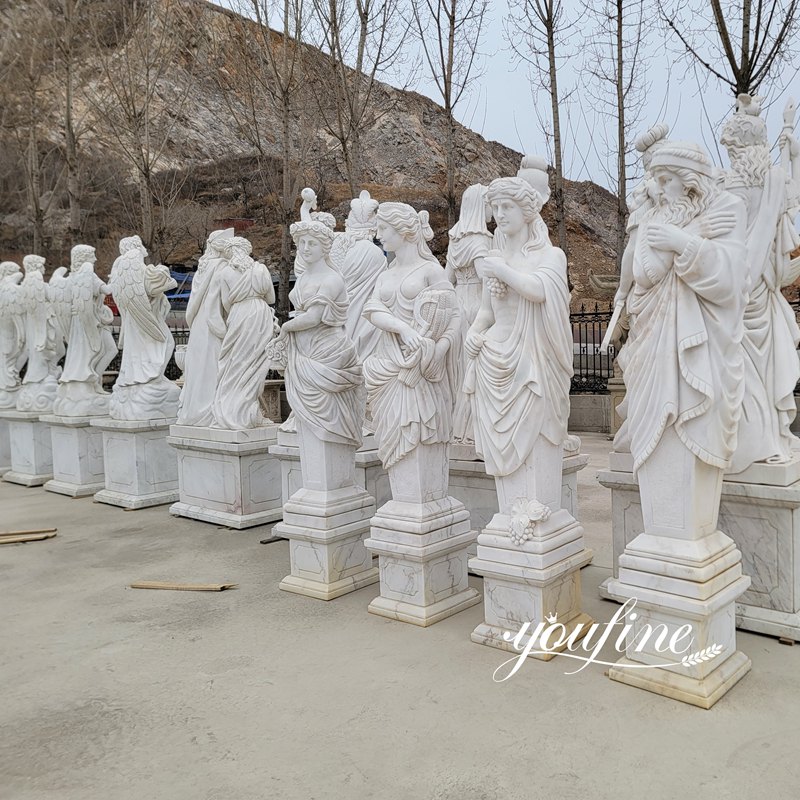
From a raw block of stone to a refined masterpiece, marble sculpture is a process that combines art, craftsmanship, and time.
Every stage—from design and material selection to carving and polishing—plays a crucial role in creating a sculpture that can last for generations.
If you are planning a custom marble sculpture, working with an experienced manufacturer makes all the difference. With over 40 years of experience, YouFine has helped clients around the world turn their ideas into high-quality marble artworks. From design consultation to final installation, our team ensures every detail meets your expectations.
Contact YouFine today to start your custom marble sculpture project.
FAQ
Q1: How much does a marble sculpture cost?
Costs vary depending on size, design complexity, and material. Custom projects are typically quoted individually.
Q2: Can marble sculptures be used outdoors?
Yes, but the right type of marble and proper protection are essential for durability.
Q3: How do you maintain a marble statue?
Regular cleaning and occasional sealing can help preserve its appearance.
Q4: Is hand carving better than machine carving?
Both have advantages. The best results usually come from combining both techniques.
Q5: What is the best type of marble for sculptures?
Popular choices include white marble for detailed figures and denser marble for outdoor use. The best option depends on your project requirements and environment.
Q6: Can you customize marble sculptures based on my design?
Yes, professional factories like YouFine specialize in custom projects. You can provide sketches, photos, or ideas, and the team will help turn them into a finished sculpture.
Q7: Is marble better than granite for sculptures?
Marble is generally preferred for detailed artistic sculptures due to its softer texture and finer grain, while granite is more durable and better suited for heavy-duty outdoor use.
Q8: How are marble sculptures shipped internationally?
Marble sculptures are carefully packed in strong wooden crates with protective materials. Experienced suppliers like YouFine handle global shipping to ensure safe delivery.