Bronze sculptures have stood the test of time for over 3,000 years—resisting corrosion, capturing fine detail, and conveying powerful stories. From ancient masterpieces to modern landmarks, bronze statues continue to inspire collectors, architects, developers, and public art planners worldwide.
In this guide, we explore the top 15 most famous bronze statues in the world, while also sharing practical insights if you’re considering commissioning or purchasing a bronze sculpture.
Why Bronze Statues Remain So Popular
Before diving into the list, it’s worth understanding why bronze is still the material of choice:
Durability: Ideal for outdoor use in parks, plazas, and commercial spaces
Detail & Texture: Captures fine artistic details better than most materials
Timeless Appeal: Ages beautifully with a natural patina
High Value Perception: Associated with prestige and permanence
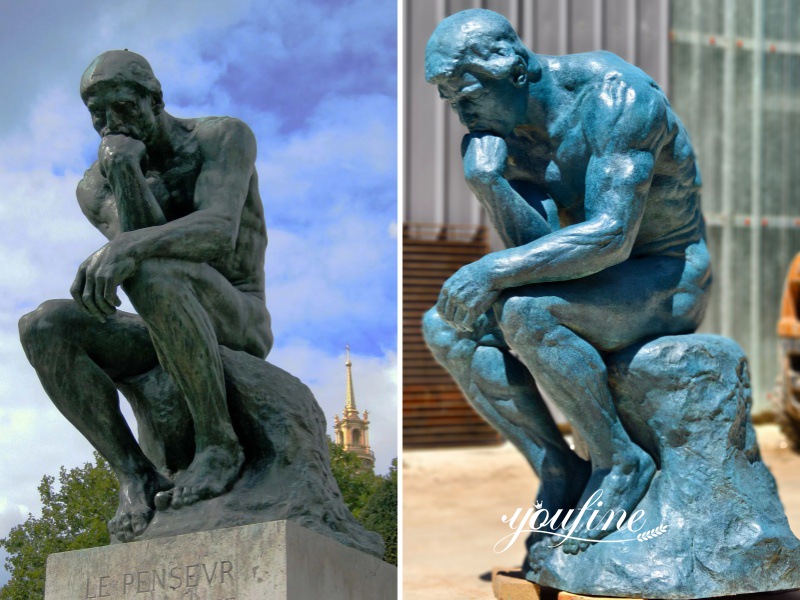
1. The Thinker–Paris, France / Worldwide
Artist: Auguste Rodin
Arguably the most famous sculpture in the world, The Thinker represents a man in deep philosophical meditation. Originally part of The Gates of Hell, it has become a universal symbol of intellect and introspection.
Ideal for academic institutions, libraries, and cultural spaces seeking intellectual symbolism.
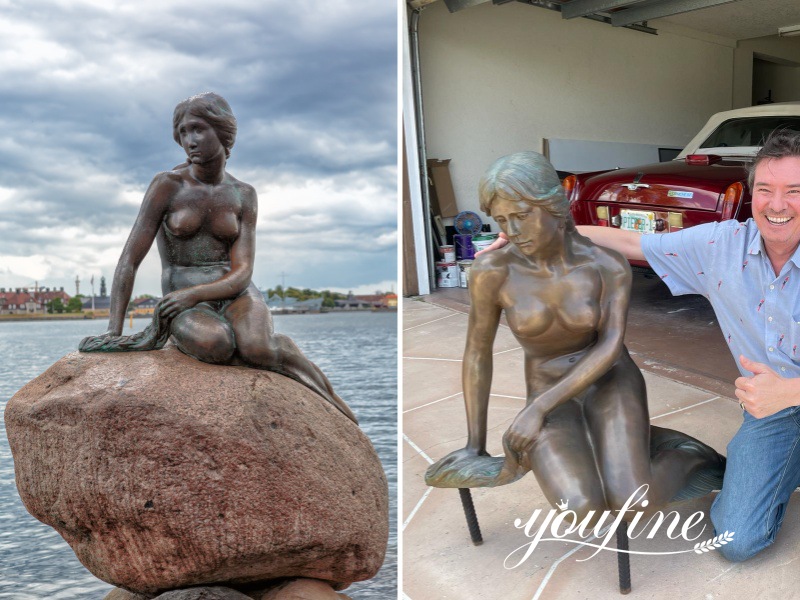
2. The Little Mermaid Statue–Copenhagen, Denmark
Artist: Edvard Eriksen
Inspired by Hans Christian Andersen
This delicate seaside sculpture is one of the most visited landmarks in Europe. Its quiet elegance and storytelling charm make it globally beloved.
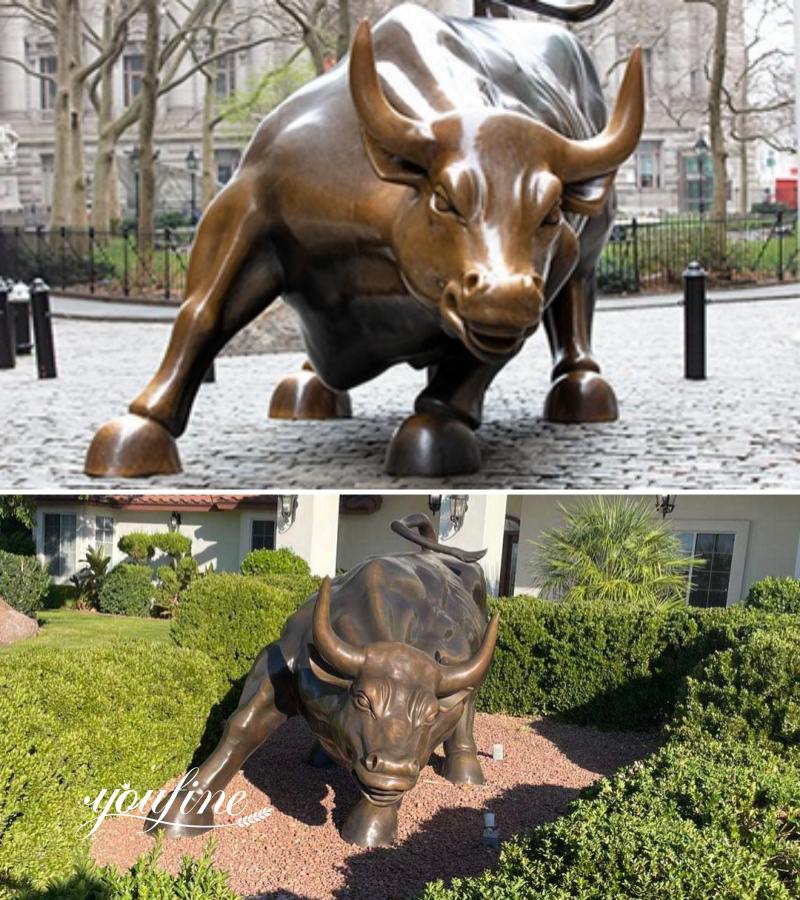
3. Charging Bull–New York City
Artist: Arturo Di Modica
A bold, aggressive symbol of financial optimism and strength, located in Manhattan’s Financial District.
Animal sculptures—especially bulls—are powerful symbols for business and finance sectors.
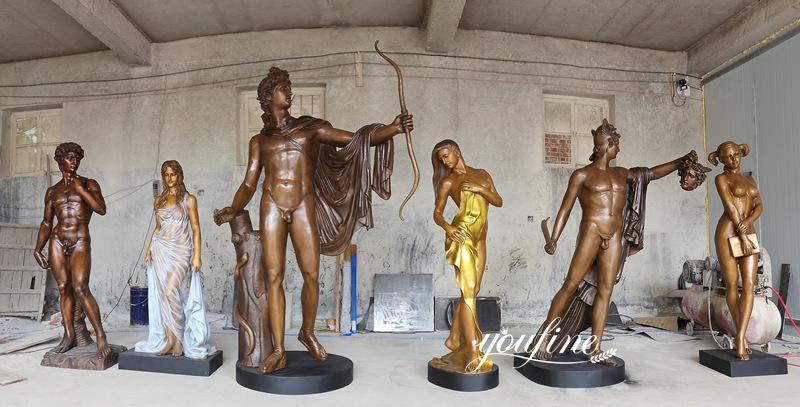
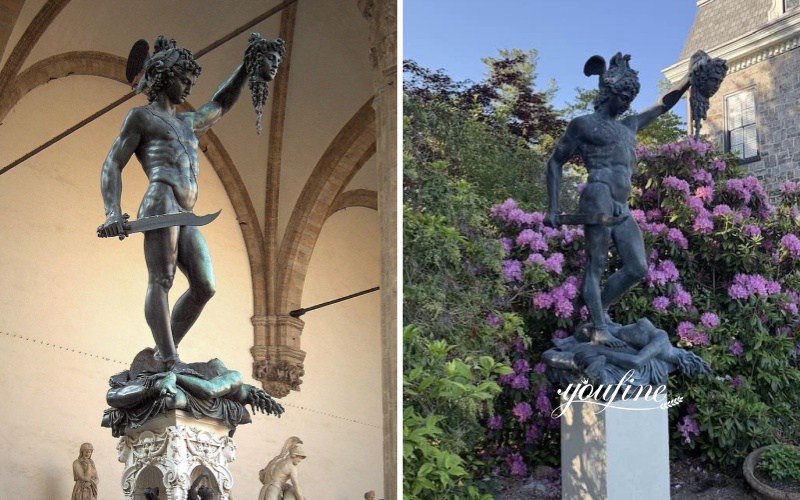
4. Perseus with the Head of Medusa–Florence, Italy
Artist: Benvenuto Cellini
A Renaissance masterpiece located in the Loggia dei Lanzi, showcasing extraordinary bronze casting techniques and dramatic storytelling.
Mythological sculptures are highly востребованы (in demand) in luxury gardens and resorts.
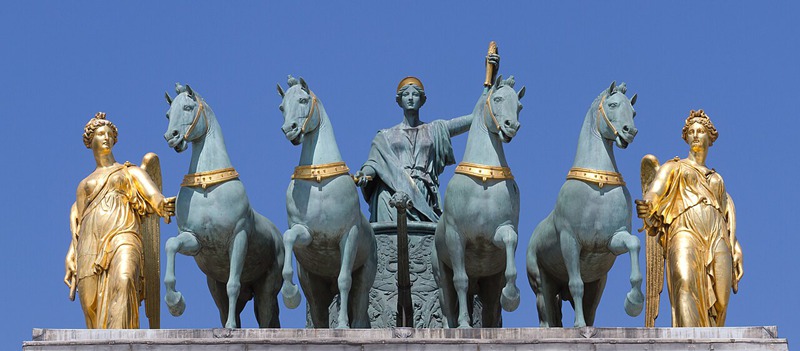
5. Horses of Saint Mark–Venice, Italy
These four ancient gilded bronze horses once stood in the Hippodrome of Constantinople and now adorn St. Mark’s Basilica.
Horse sculptures symbolize power, movement, and prestige—very popular in estates and public plazas.
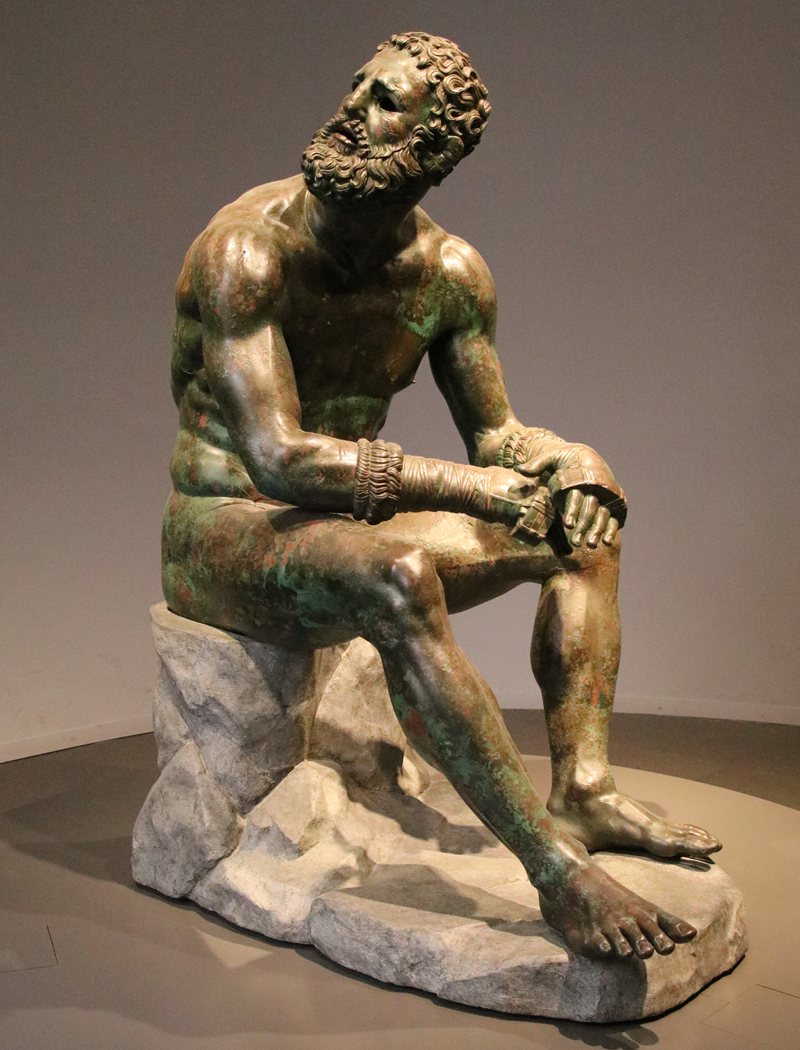
6. Boxer at Rest–Rome, Italy
A deeply emotional Hellenistic sculpture showing a battered, exhausted athlete.
Realistic and emotional sculptures create stronger viewer engagement and artistic value.
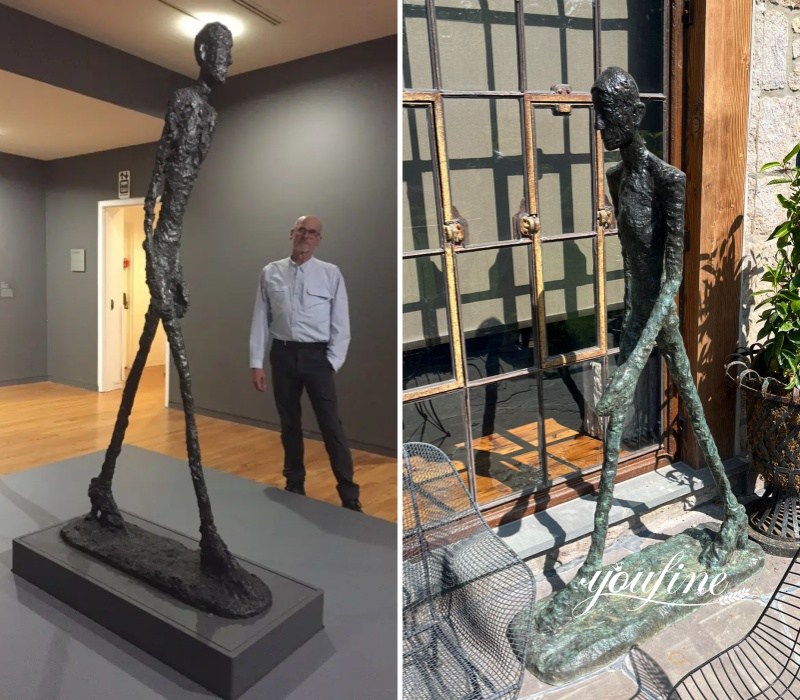
7. Walking Man I–Basel, Switzerland / Global
Artist: Alberto Giacometti
This elongated figure represents existentialism, movement, and the human condition.
Abstract and modern sculptures are increasingly used in contemporary architecture projects.
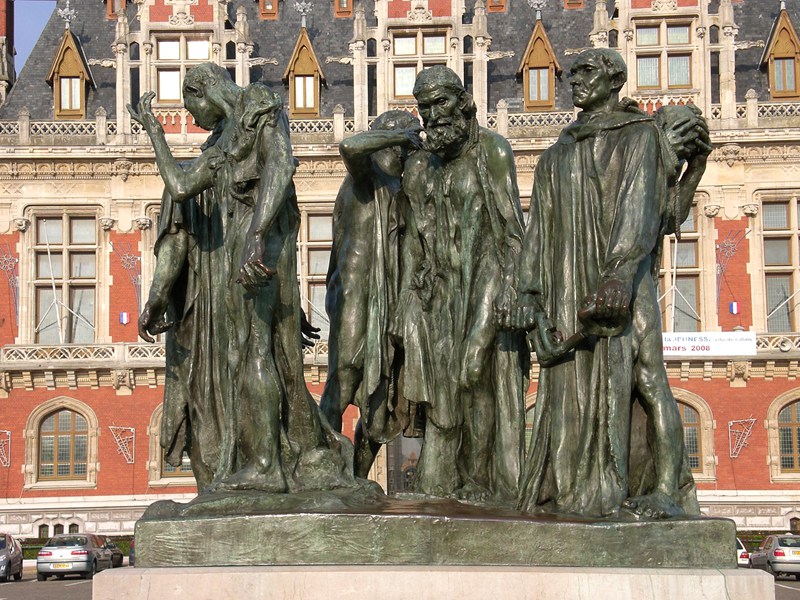
8. The Burghers of Calais–Calais, France
Artist: Auguste Rodin
A powerful group sculpture capturing sacrifice and emotional struggle during wartime.
Multi-figure bronze sculptures are ideal for memorials and historical storytelling.
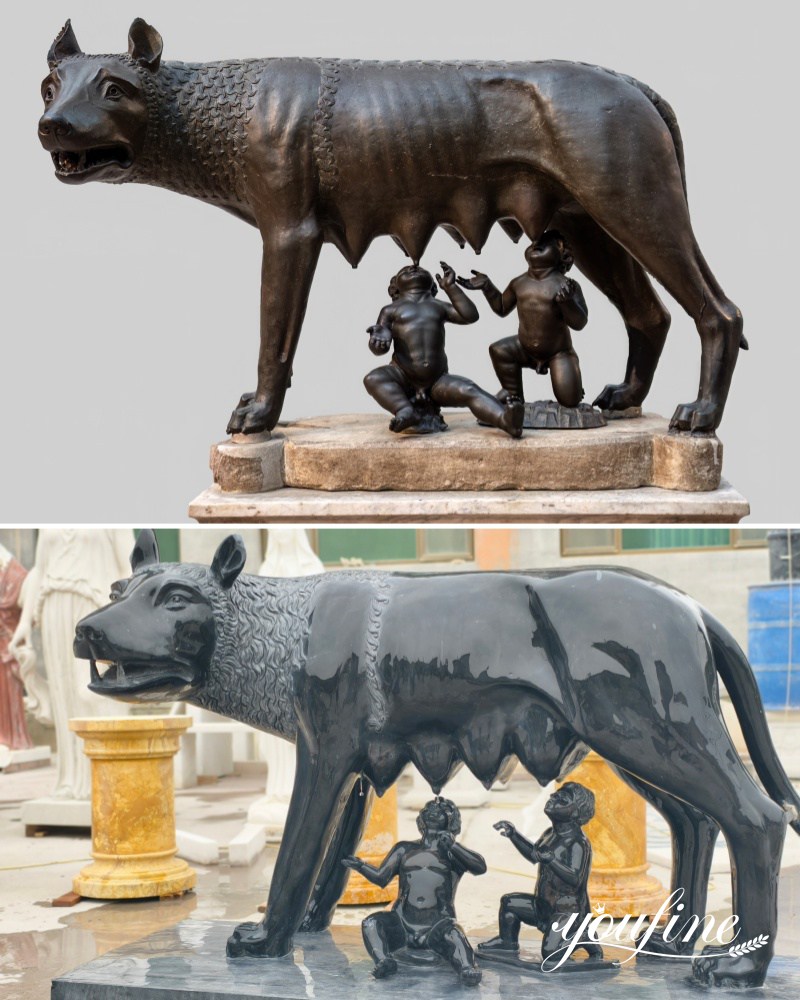
9. Capitoline Wolf–Rome, Italy
Depicts Romulus and Remus being nursed by a she-wolf—one of the most important symbols of Rome.
Cultural symbols are highly effective for civic and institutional projects.
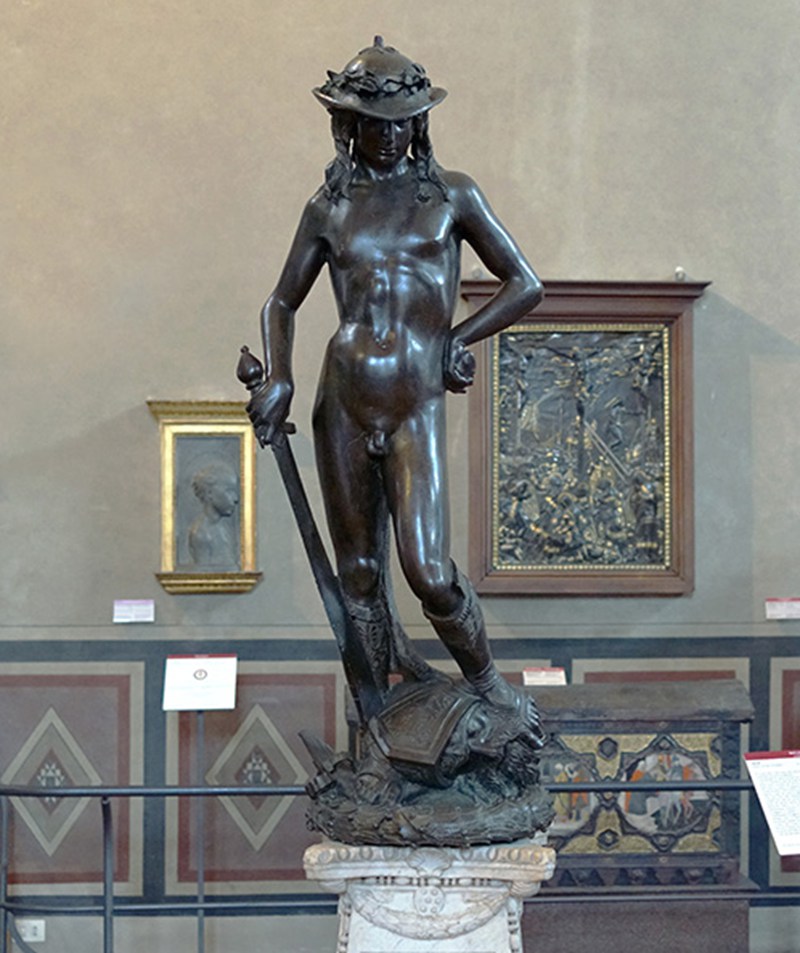
10. David Statue
Artist: Donatello
An early Renaissance breakthrough known for realism and elegance.
Classical human figures are timeless choices for high-end decorative projects.
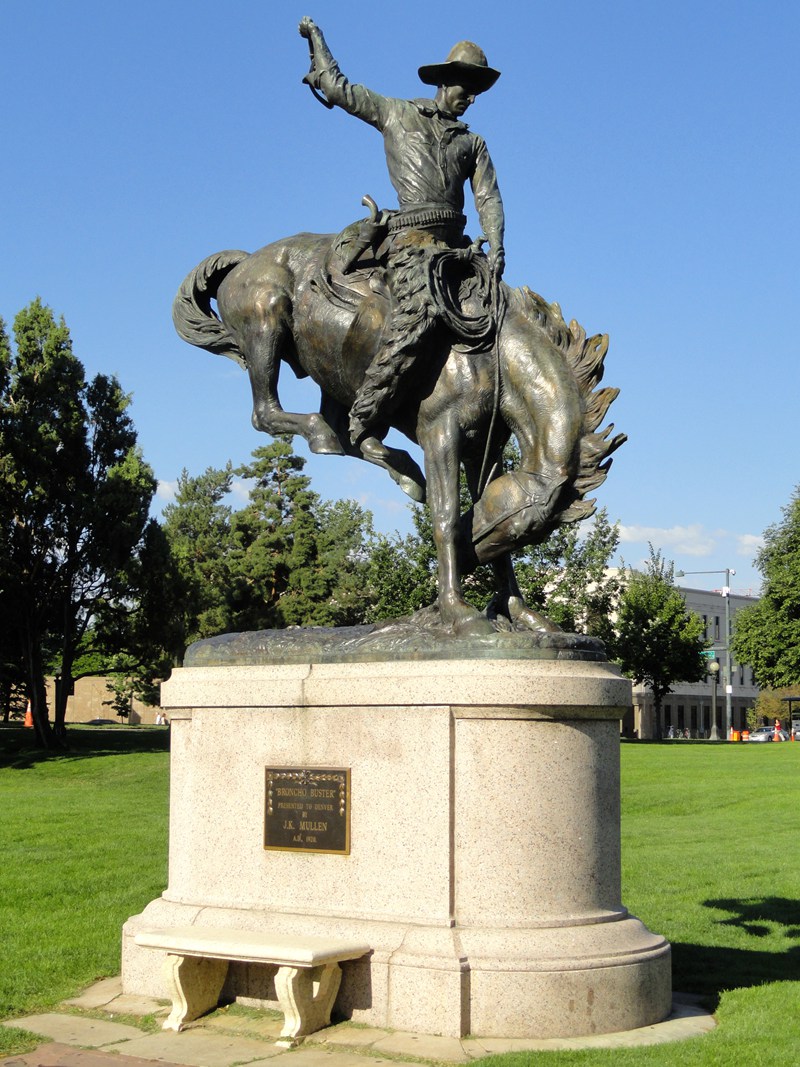
11. Bronco Buster–Washington, D.C. / USA
Artist: Frederic Remington
A vivid representation of the American Old West, capturing motion, tension, and raw energy.
Western-themed sculptures are especially popular in the U.S. market.
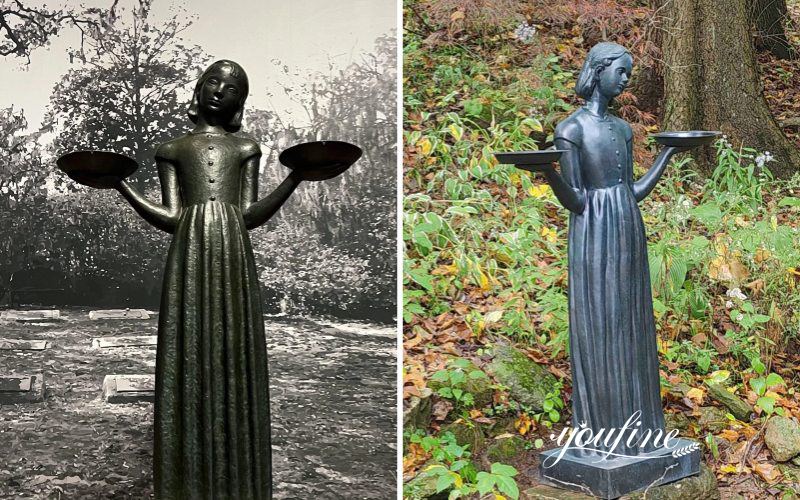
12. Bird Girl–Savannah, Georgia (formerly)
Artist: Sylvia Shaw Judson
Featured in: Midnight in the Garden of Good and Evil
This serene statue became world-famous through literature and media exposure.
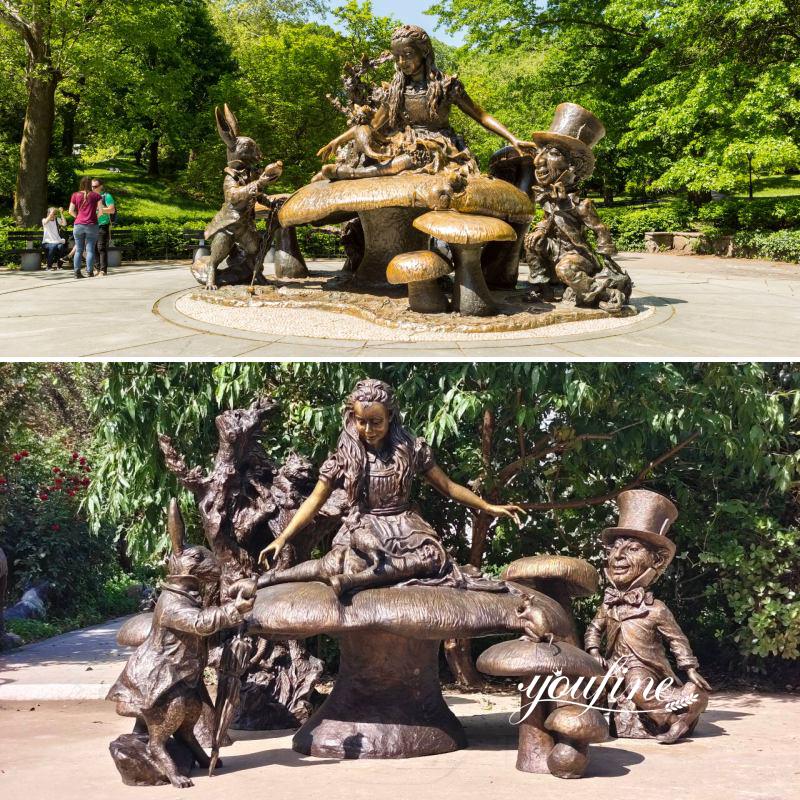
13. Alice in Wonderland statue–New York City
Artist: José de Creeft
A whimsical sculpture in Central Park designed to be interactive for children.
Interactive sculptures are excellent for parks, malls, and family-oriented spaces.
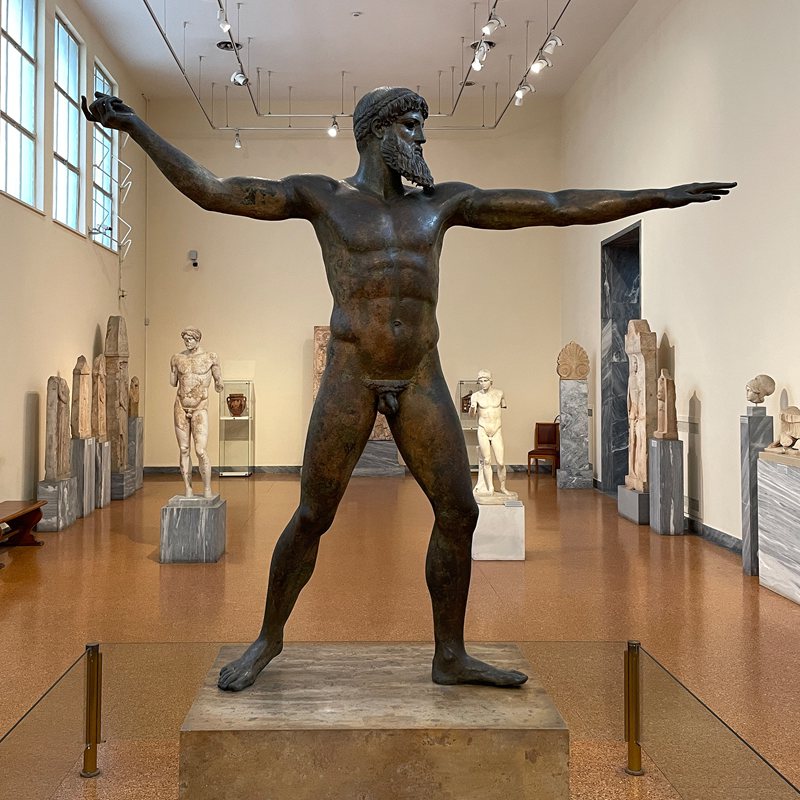
14. Artemision Bronze–Athens, Greece
A powerful 5th-century BCE statue believed to represent either Zeus or Poseidon mid-action.
Dynamic poses increase visual impact and attract attention in large spaces.
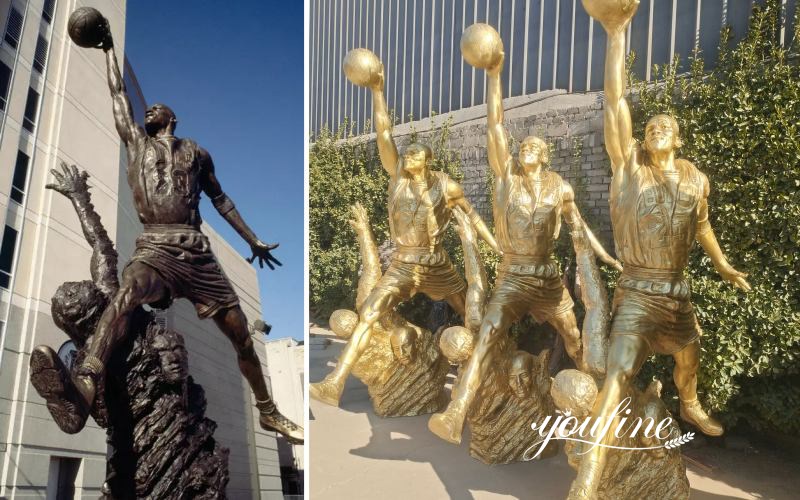
15. Michael Jordan statue–Chicago, USA
Artists: Omri Amrany & Julie Rotblatt-Amrany
Depicts: Michael Jordan
Also known as “The Spirit”, this statue captures Jordan in mid-air, symbolizing excellence and legacy.
Custom statues of celebrities and athletes are high-demand for branding and public engagement.
How to Choose the Right Bronze Statue for Your Project
If you’re inspired by these masterpieces and considering a purchase, here are key factors to evaluate:
1. Purpose
Public landmark
Garden decoration
Commercial attraction
Memorial or tribute
2. Size & Scale
Life-size vs monumental
Space compatibility
Visibility and impact
3. Style
Classical
Modern / abstract
Realistic
Cultural / symbolic
4. Fabrication Quality
Lost-wax casting method (preferred)
Bronze thickness
Surface finishing and patina
Why Invest in Bronze Sculpture?
Bronze sculptures are not just decoration—they are long-term assets:
- Increase property value
- Enhance brand image
- Attract visitors and foot traffic
- Create iconic visual identity
From The Thinker to the Statue of Unity, these famous bronze statues demonstrate the limitless potential of this material.
Whether you’re a developer, designer, or distributor, understanding these iconic works can help you make better decisions when selecting or commissioning a sculpture.