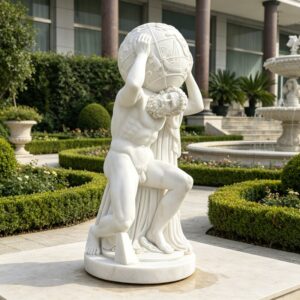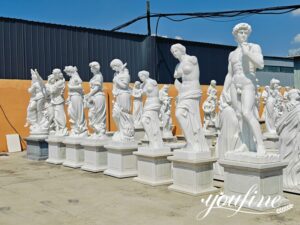
For thousands of years, marble has been regarded as one of the most prestigious and timeless materials for sculpture. From ancient Greek masterpieces to Renaissance artworks and modern garden decorations, marble statues continue to represent elegance, craftsmanship, and artistic excellence.
But why so many sculptors choose marble over other materials such as bronze, stainless steel, resin, or other types of stone?
The answer lies in marble’s unique combination of beauty, workability, durability, and natural characteristics. Unlike manufactured materials, every piece of marble has its own patterns, texture, and personality. Its smooth surface allows artists to create incredibly detailed sculptures, while its natural translucency gives finished works a lifelike appearance.
Today, marble remains a popular choice for classical statues, religious sculptures, garden ornaments, fountains, and architectural decorations. Understanding the advantages of marble can help you choose the right material for your next sculpture project.
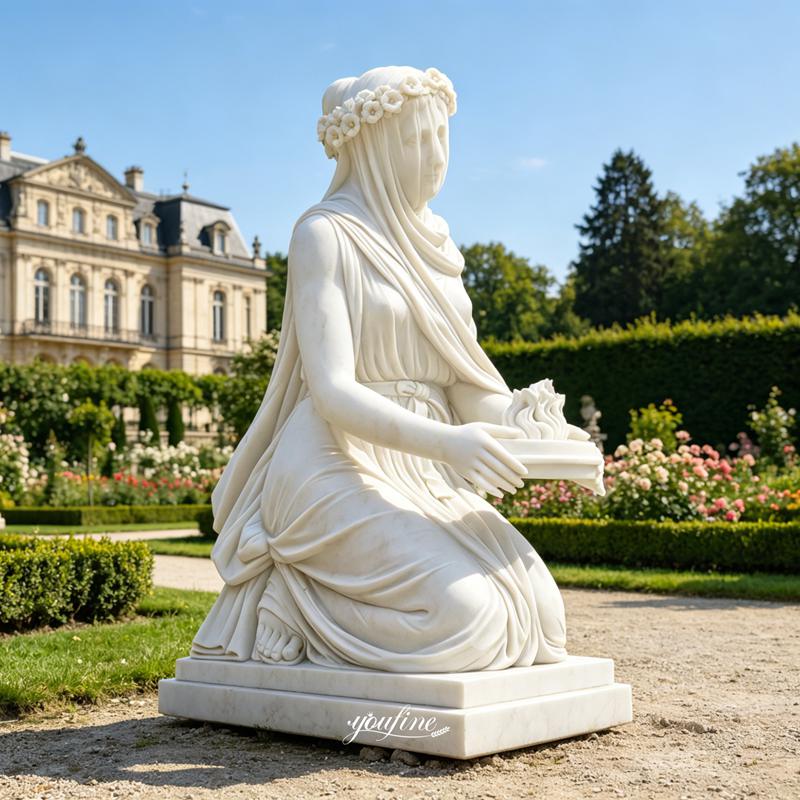
1. What Is Marble?
1.1 How Marble Is Formed
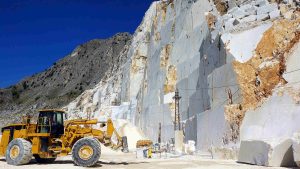
Marble is a natural metamorphic stone formed when limestone undergoes intense heat and pressure deep beneath the earth’s surface over millions of years.
During this geological process, the original minerals in limestone recrystallize, creating a dense stone with a smooth texture and distinctive crystalline structure. The primary component of most marble is calcium carbonate, which gives the stone its characteristic appearance and makes it suitable for carving.
Because marble is created naturally, every block has unique colors, veins, and patterns. These natural variations make each marble sculpture a one-of-a-kind artwork.
1.2 Key Characteristics of Marble
Marble has several properties that make it especially suitable for sculpture:
- Fine and Uniform Structure: Compared with many other natural stones, marble has a relatively consistent grain structure. This allows sculptors to carve precise details without the stone easily breaking apart.
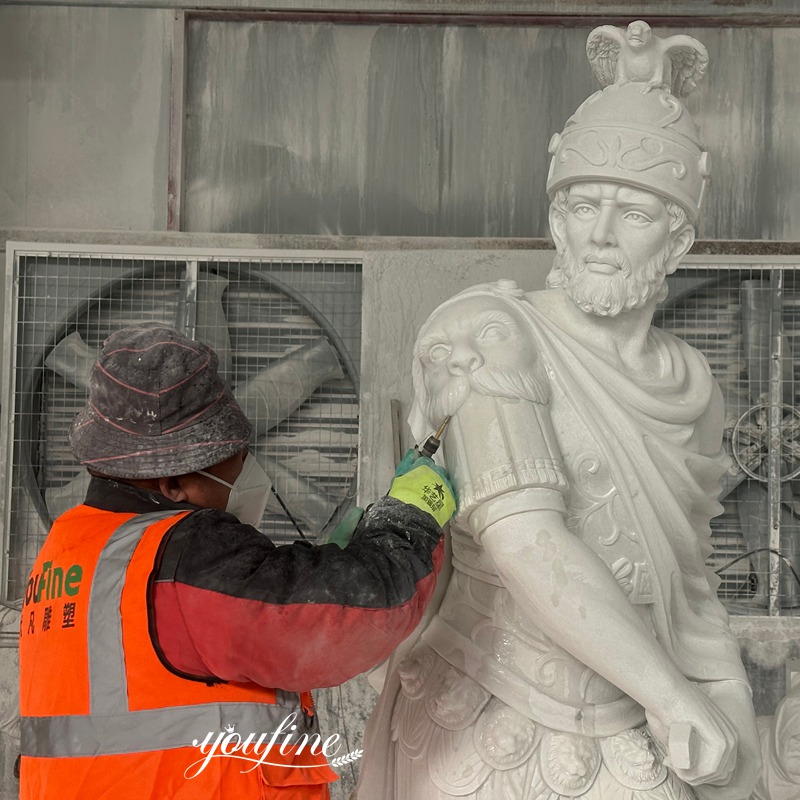
- Excellent Carving Performance: Marble is softer than granite, making it easier for artisans to shape. Sculptors can create delicate features such as facial expressions, flowing fabrics, hair textures, and intricate ornaments.
- Smooth Surface and High Polish: After carving and polishing, marble develops a smooth, elegant surface with a natural shine. This polished finish enhances the beauty of sculptures and highlights the craftsmanship behind each piece.
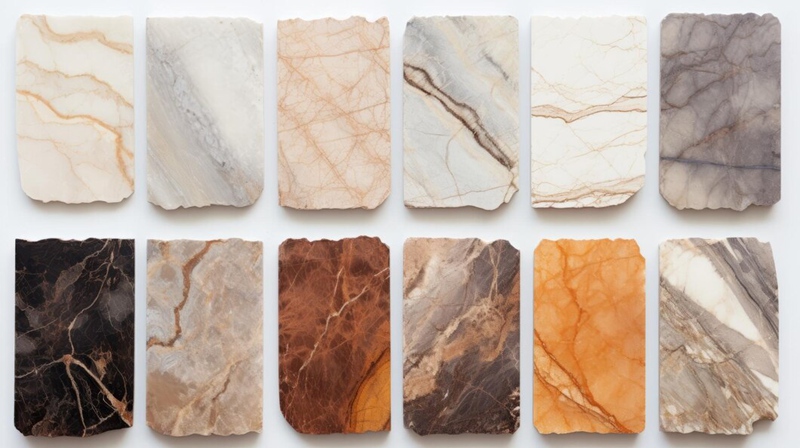
- Natural Color and Veining: Although white marble is the most famous choice for sculptures, marble is available in many colors, including beige, gray, green, and black. Natural veins add depth and character to each sculpture.
1.3 Common Types of Marble Used for Sculptures
Different marble varieties offer different visual effects and are selected according to the sculpture style and project requirements.
- Carrara Marble: Carrara marble is one of the most widely used sculptural marbles in history. It features a soft white background with subtle gray veins and is known for its excellent carving ability.
- Many classical sculptures were created using Carrara marble because of its balance between durability and workability.
- Statuario Marble: Statuario marble is a premium white marble with stronger gray veining and a bright appearance. It is often chosen for high-end sculptures because it creates a luxurious and elegant visual effect.
- Calacatta Marble: Calacatta marble is recognized for its bold veins and dramatic patterns. It is commonly used for decorative sculptures and luxury architectural projects.
- Beige Marble: Beige marble provides a warmer appearance compared with traditional white marble. It is popular for outdoor garden sculptures, fountains, and landscape projects.
For more information about different marble varieties, you can read: How Many Types of Marble Are There?
2. Why Has Marble Been Used for Sculptures for Centuries?
2.1 Easy to Carve Yet Strong Enough to Last
One of the biggest reasons marble has remained popular among sculptors is its excellent balance between softness and durability.
Compared with harder stones such as granite, marble is easier to carve and allows artists to gradually refine complex shapes. However, it is still strong enough to survive for centuries when properly selected, installed, and maintained.
This unique balance makes marble ideal for sculptures that require both artistic detail and long-term preservation.
2.2 Exceptional Ability to Capture Fine Details
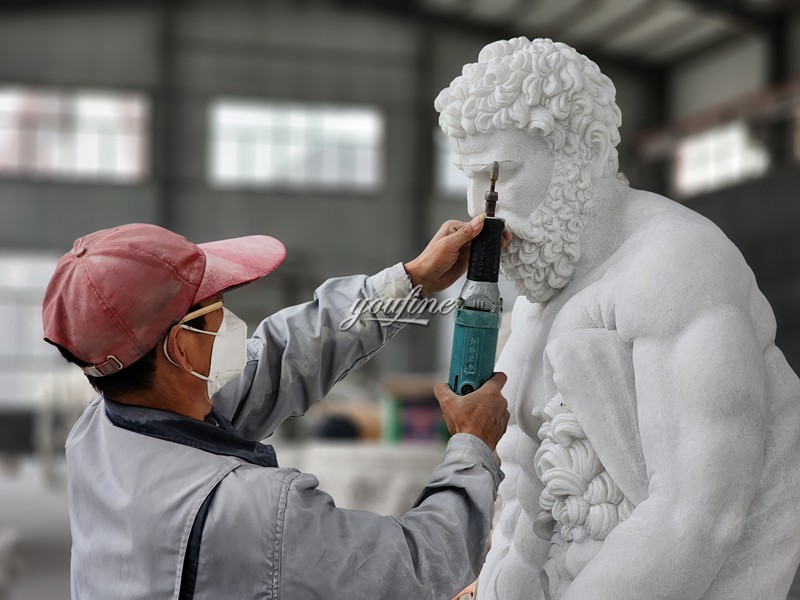
Marble is especially famous for its ability to reproduce extremely delicate details.
Skilled sculptors can use marble to create:
- Realistic facial expressions
- Individual strands of hair
- Natural folds in clothing
- Detailed hands and fingers
- Complex decorative patterns
This level of detail is one reason why many famous historical sculptures were created from marble. The material allows artists to transform a solid stone block into a work that appears soft, natural, and full of life.
2.3 Unique Light Translucency Creates a Lifelike Appearance
One of marble’s most distinctive characteristics is its subtle translucency.
When polished, high-quality marble allows light to penetrate slightly below the surface before reflecting back. This creates a soft glow that resembles the appearance of human skin.
For classical human sculptures, this quality was extremely valuable because it helped artists create a more realistic representation of the human body.
This natural visual effect is difficult to achieve with metals or synthetic materials.
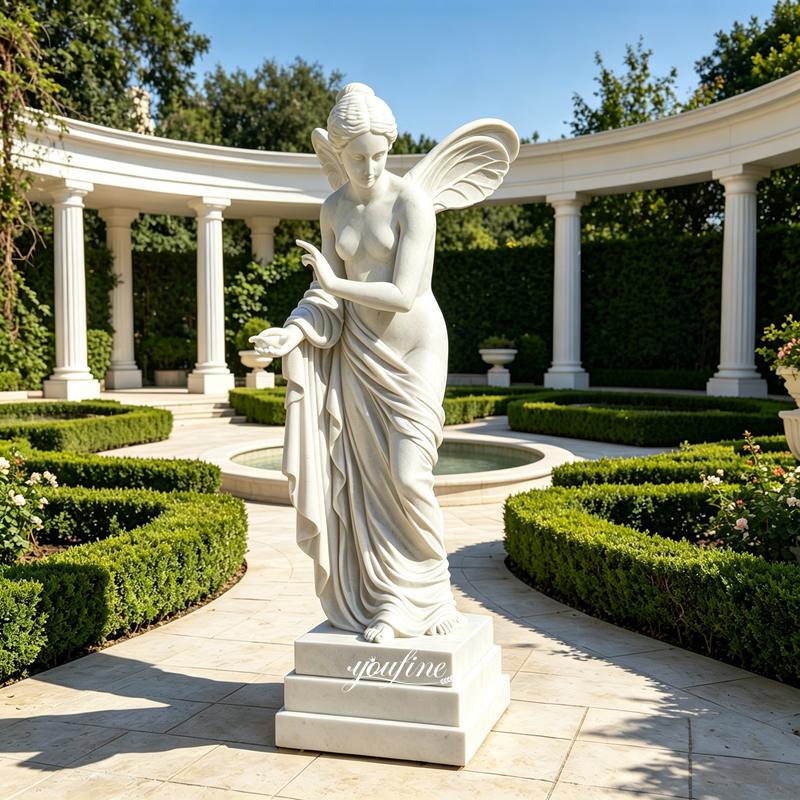
2.4 Natural Beauty and Timeless Elegance
Marble has been associated with beauty and luxury for thousands of years.
Its natural:
- Smooth texture
- Elegant appearance
- Unique patterns
- Bright surface finish
allow marble sculptures to complement both traditional and modern environments.
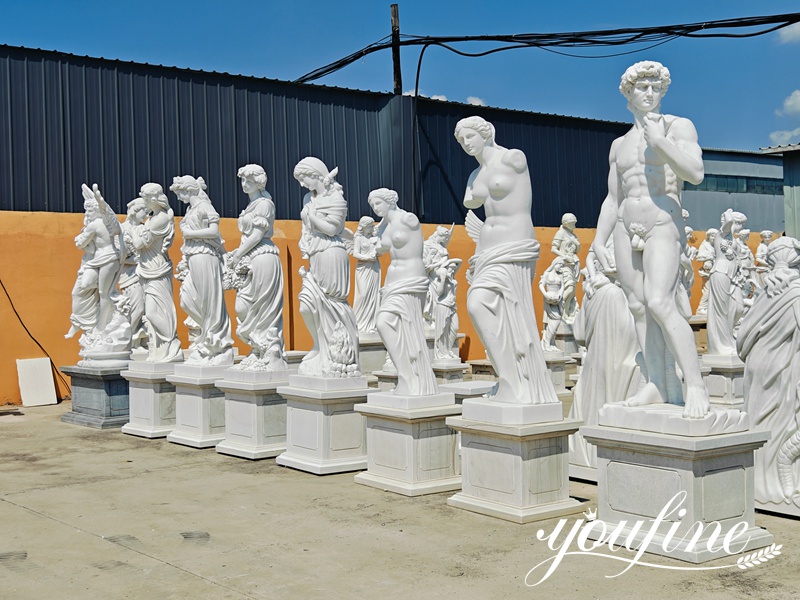
Whether placed in a European-style garden, luxury villa, hotel entrance, church, or public space, marble sculptures create a sense of sophistication and permanence.
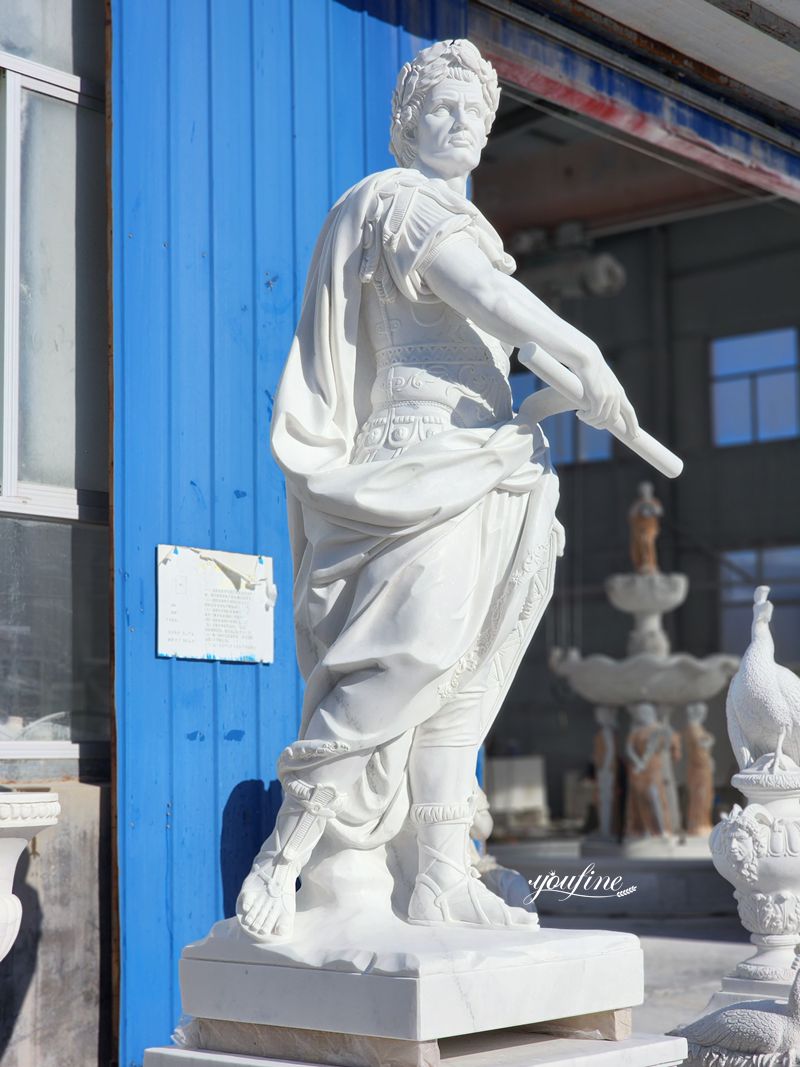
2.5 Proven Durability Through History
Another major advantage of marble is its ability to withstand the test of time.
Many ancient marble sculptures have survived for hundreds or even thousands of years, proving the material’s long-lasting artistic value.
However, the lifespan of an outdoor marble sculpture depends on several factors, including marble quality, local climate, installation methods, and maintenance.
For more details about marble durability, see: How Long Do Marble Statues Last?
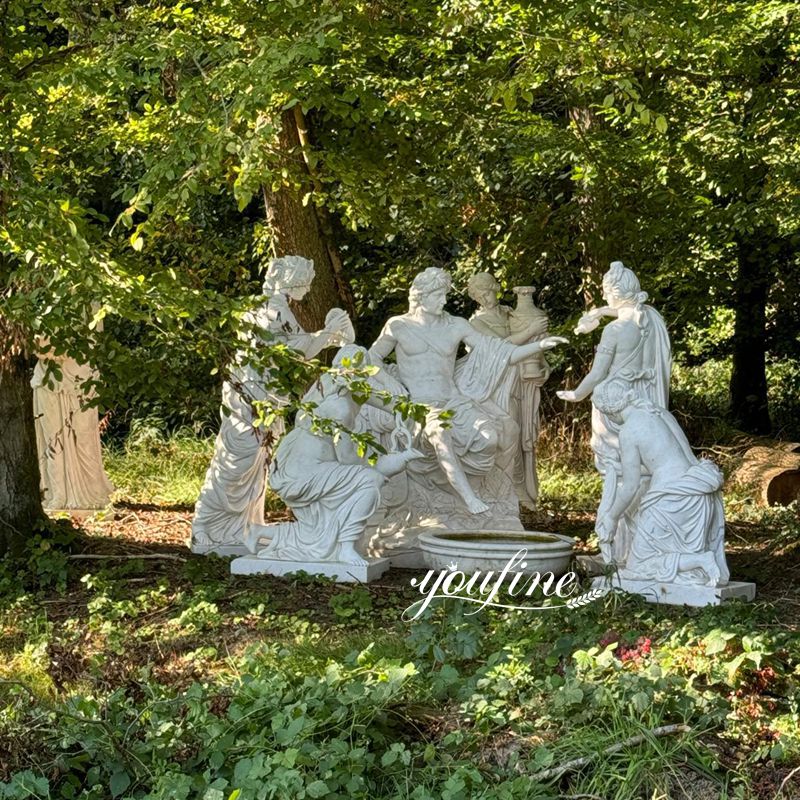
3. Famous Marble Sculptures That Demonstrate Marble’s Advantages
By studying these iconic works, we can better understand how marble’s unique properties help transform a simple stone block into a timeless piece of art.
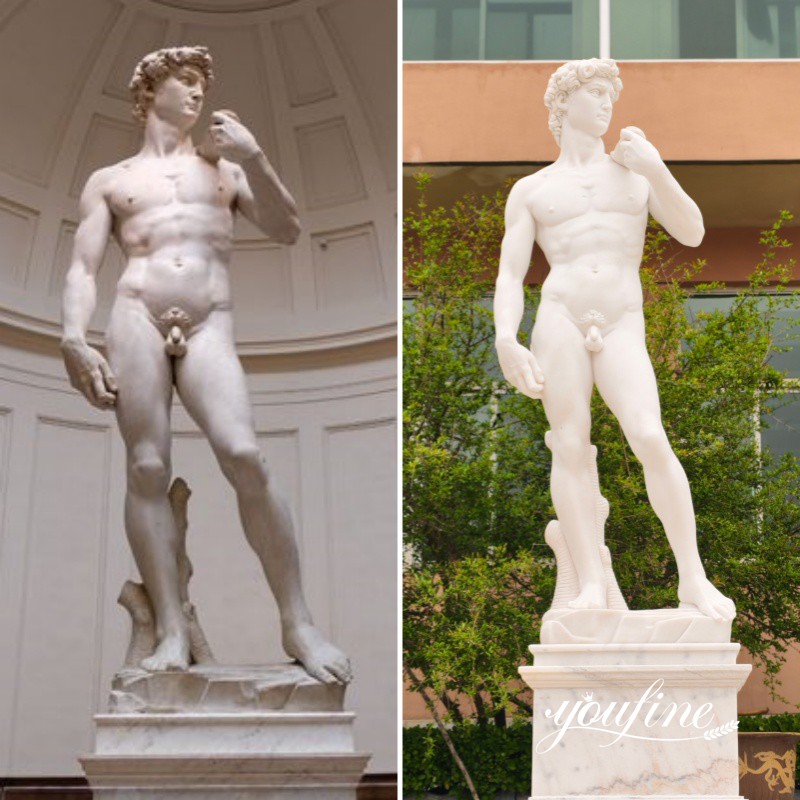
3.1 David by Michelangelo
David is one of the greatest examples of marble’s artistic potential.
Created during the Renaissance period, this masterpiece demonstrates the incredible level of detail that marble can achieve. From the realistic muscles and veins to the carefully carved facial expression, every element shows the sculptor’s ability to work with marble at an extremely precise level.
The sculpture also highlights marble’s ability to represent the human body naturally. The smooth surface and subtle light reflection create a realistic skin-like appearance that would be difficult to achieve with many other materials.
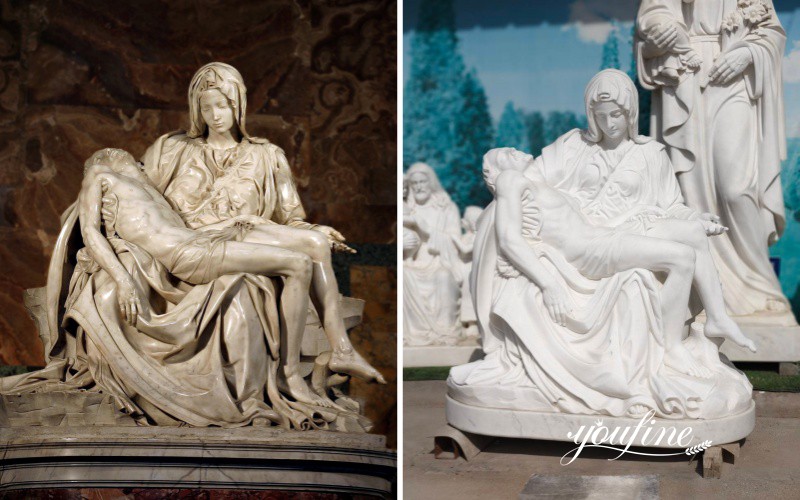
3.2 Pietà by Michelangelo
Another famous example is Pietà, which demonstrates marble’s ability to express emotion and softness.
The delicate folds of fabric, gentle facial expressions, and smooth transitions between different surfaces show how marble can capture both physical details and emotional depth.
This sculpture proves that marble is not only suitable for realistic forms but also for artworks that require sensitivity, elegance, and emotional expression.
3.3 Venus de Milo
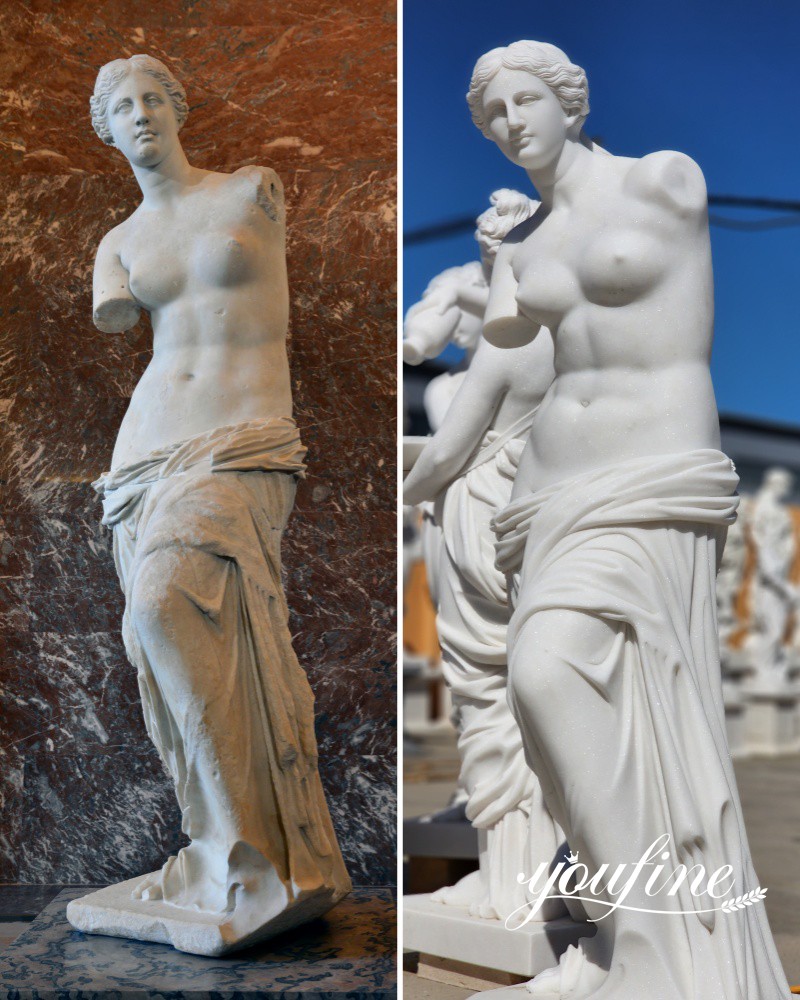
Venus de Milo is another iconic marble sculpture that represents classical beauty.
Created more than two thousand years ago, this ancient Greek sculpture continues to attract visitors worldwide. Its elegant proportions, smooth surface, and balanced composition demonstrate marble’s ability to preserve artistic beauty across generations.
4. Advantages of Marble Compared with Other Materials
Choosing the right material is one of the most important decisions in any sculpture project. Different materials offer different advantages depending on the desired style, environment, and budget.
While bronze, stainless steel, resin, granite, and other stones all have their own strengths, marble remains one of the most balanced choices because it combines artistic beauty with practical durability.
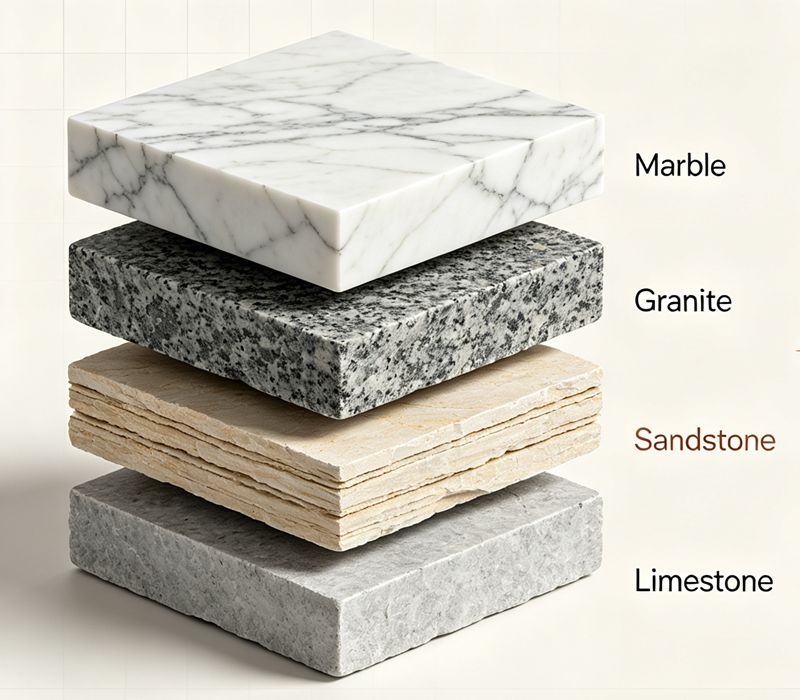
4.1 Marble vs Granite vs Sandstone and Limestone
Natural stones have been used for sculpture for thousands of years. Marble, granite, sandstone, and limestone each have unique properties, but they differ significantly in terms of carving performance, appearance, and applications.
Feature | Marble | Granite | Sandstone | Limestone |
Hardness | Medium | Very High | Low-Medium | Medium |
Ease of Carving | Excellent | Difficult | Easy | Easy |
Fine Detail | Excellent | Moderate | Moderate | Good |
Surface Finish | Highly polished | Polished | Natural texture | Smooth to matte |
Weather Resistance | High | Excellent | Moderate | Moderate |
Best Applications | Classical sculptures, statues, fountains | Monuments, large structures | Rustic garden sculptures | Architectural ornaments |
For a detailed guide about natural stones, you can read: The Ultimate Guide to Marble, Granite, Sandstone, and Limestone
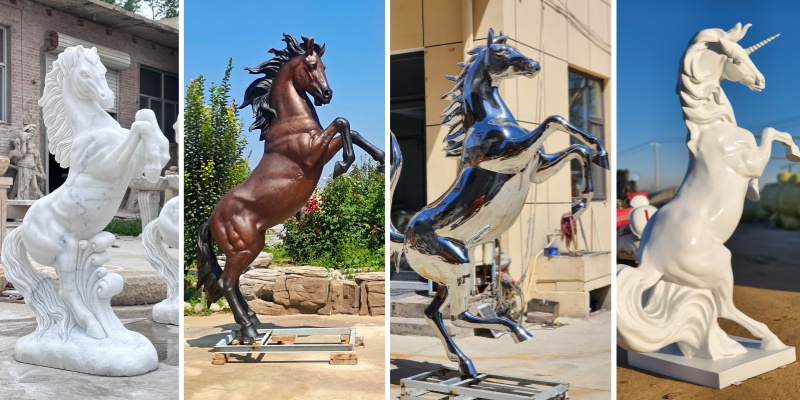
4.2 Marble vs Bronze vs Stainless Steel vs Resin
Besides natural stones, many modern sculptures are created using metals and synthetic materials. Bronze sculpture, stainless steel sculpture, and resin each have their own advantages, but marble offers a unique artistic value that has lasted for centuries.
Feature | Marble | Bronze | Stainless Steel | Resin/Fiberglass |
Appearance | Natural and elegant | Classic metallic finish | Modern and reflective | Can imitate different materials |
Detail Ability | Excellent | Excellent | Good | Good |
Durability | High | Excellent | Excellent | Moderate |
Maintenance | Low-Medium | Medium | Low | Low |
Artistic Style | Classical, timeless | Traditional, powerful | Modern, contemporary | Decorative, budget-friendly |
Cost Level | Medium-High | High | Medium-High | Low |
For more information about sculpture materials: What Is the Best Material for Sculpture?
4.3 Which Material Is Best for Your Sculpture Project?
Project Requirements | Recommended Material |
Classical statues | Marble & Bronze |
Fine artistic details | Marble & Bronze |
Religious sculptures | Marble & Bronze |
Luxury garden decoration | Marble & Bronze |
Large public monuments | Bronze & Stainless Steel |
Animal sculptures | Bronze |
Modern abstract designs | Stainless Steel |
Budget-friendly decoration | Resin |
Although each material has its own advantages, marble remains one of the most respected sculpture materials because it combines artistic tradition, natural beauty, and long-lasting performance.
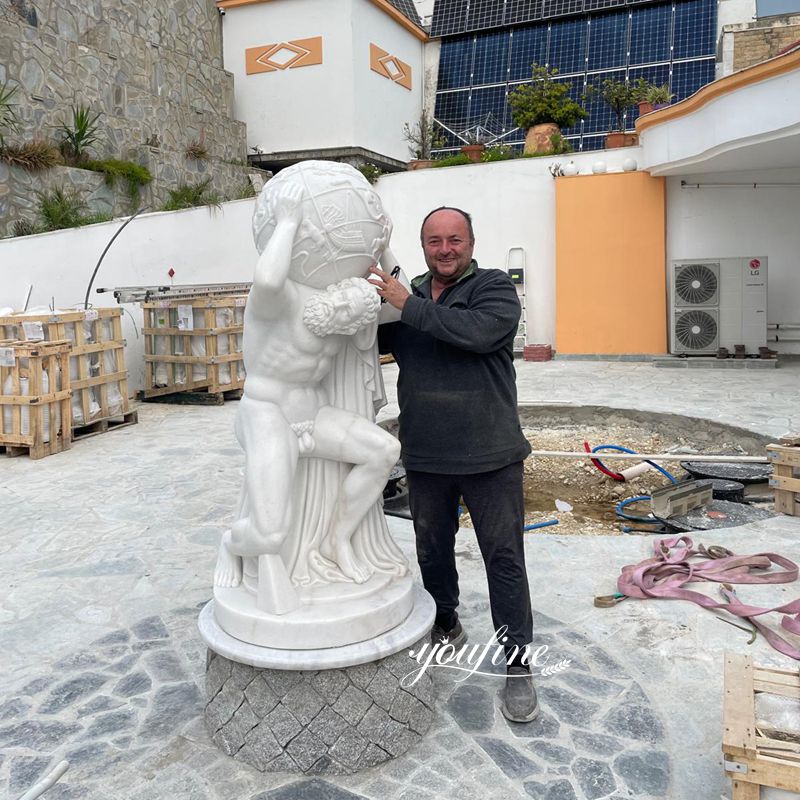
5. How to Choose the Right Marble for Your Sculpture
Choosing the right marble is essential for creating a sculpture that matches your artistic vision, installation environment, and budget. Different marble types have different colors, textures, and characteristics, so the best choice depends on the purpose of your project.
5.1 Consider the Sculpture Style
Different sculpture styles work better with different marble varieties.
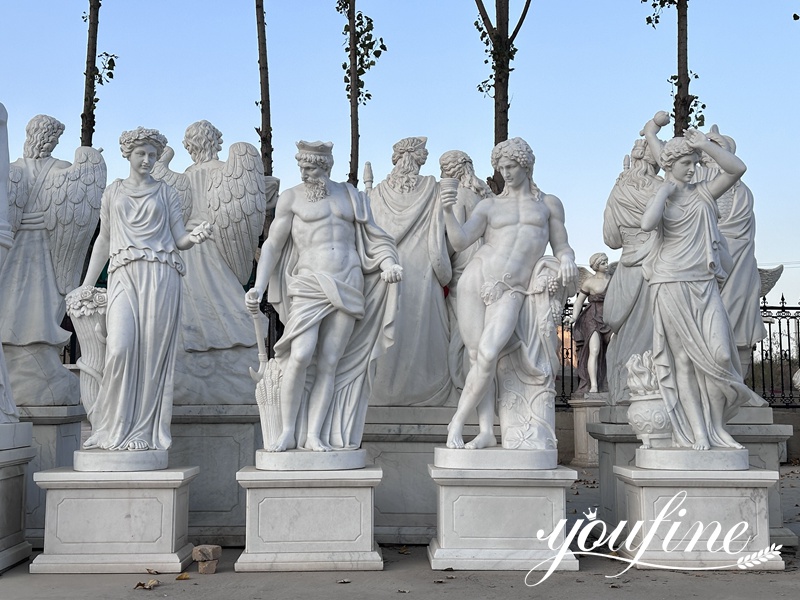
Classical and Human Sculptures
For realistic figures, portraits, and classical statues, white marble is often the preferred choice.
Recommended options:
- Carrara Marble
- Statuario Marble
These marbles provide a smooth surface and allow artists to create fine details such as facial expressions and clothing textures.
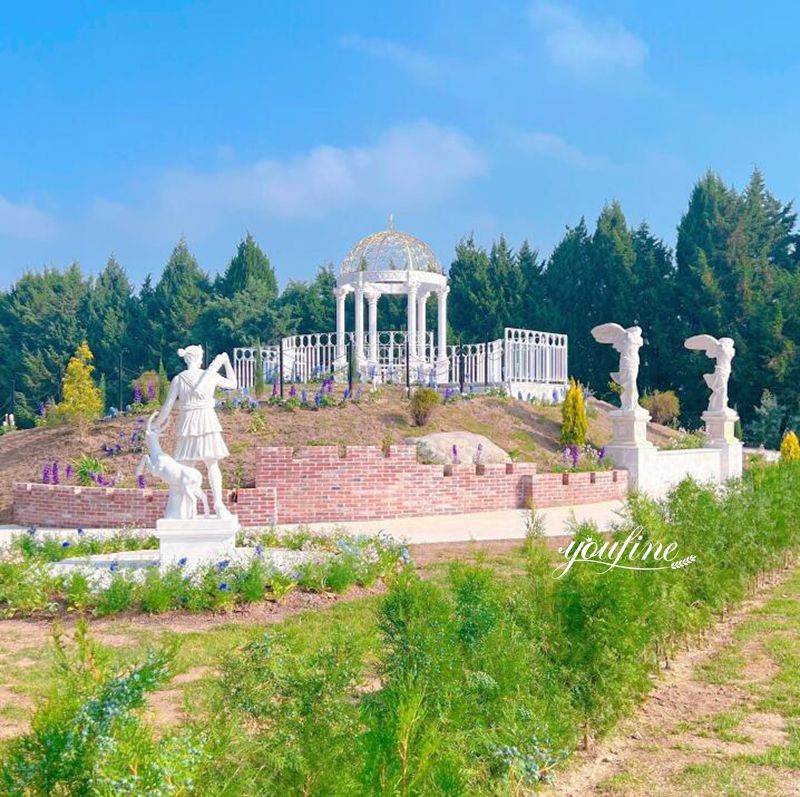
Garden Sculptures and Outdoor Decorations
For outdoor sculptures, many clients choose marble with warmer tones and strong visual appeal.
Common choices include:
- Beige Marble
- Cream Marble
- Natural-colored Marble
These options blend well with gardens, landscapes, and architectural surroundings.
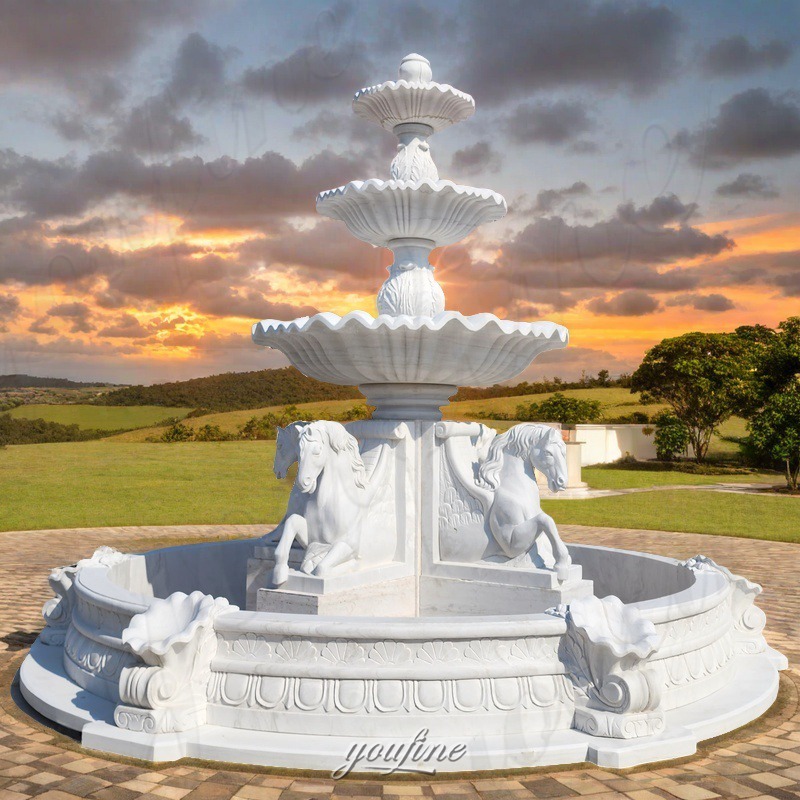
Marble Fountains and Architectural Projects
For fountains, columns, and large decorative elements, material selection should consider:
- Stone density
- Weather resistance
- Surface finish
- Project location
An experienced marble supplier can recommend the most suitable stone based on the application.
5.2 Consider the Installation Environment
The location of your sculpture also affects marble selection.
- Indoor sculptures: More flexibility in marble choice, focusing mainly on color and artistic style.
- Outdoor sculptures: Require consideration of climate, moisture, and maintenance requirements.
- Coastal areas: Need careful selection because salt and humidity may affect natural stone over time.
5.3 Choose an Experienced Marble Sculpture Manufacturer
The quality of a marble sculpture depends not only on the stone itself but also on the craftsmanship behind it.
A professional manufacturer can help with:
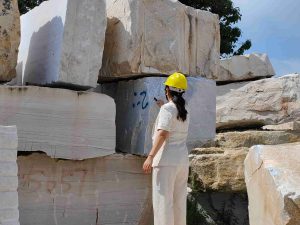
- Selecting suitable marble blocks
- Reviewing designs
- Controlling carving quality
- Providing safe transportation and installation support
For more information about the marble carving process: How Marble Sculptures Are Made: From Raw Stone to Masterpiece
6. Why Choose YouFine for Your Marble Sculpture Project?
Choosing the right marble is only the first step in creating a successful sculpture project. The quality of the final artwork also depends on the experience, craftsmanship, and production capabilities of the sculpture manufacturer.
With decades of experience in marble carving, YouFine helps clients transform natural stone into customized sculptures that combine artistic beauty, precision craftsmanship, and long-lasting value.
- Over 40 Years of Sculpture Craftsmanship
- Skilled Hand-Carved Craftsmanship
- Custom Marble Sculpture Services
- Complete Support from Design to Delivery
Our goal is to make the entire process smooth and reliable for clients around the world.
Conclusion
Marble has remained one of the most respected sculpture materials in history because it offers a rare combination of beauty, versatility, and durability.
Its smooth texture allows artists to create incredibly detailed works, while its natural translucency and elegant appearance give sculptures a timeless quality. From ancient masterpieces to modern garden decorations, marble continues to prove why it is one of the finest materials for sculpture.
At YouFine, we combine premium natural marble, skilled craftsmanship, and professional customization services to help clients create sculptures that can be appreciated for generations.
FAQ
- What is the best marble for sculpture?
The best marble for sculpture depends on the design, location, and desired appearance. Carrara marble is widely used for detailed carving, while Statuario and Calacatta marble are often chosen for luxury sculptures because of their bright color and elegant patterns.
- How much does a custom marble sculpture cost?
The cost of a custom marble sculpture depends on several factors, including the sculpture size, design complexity, marble type, carving time, and finishing requirements. Large and highly detailed sculptures usually require more craftsmanship and a higher budget.
- Can marble sculptures be customized from a photo or drawing?
Yes. Professional marble sculpture manufacturers can create custom sculptures based on customer-provided photos, sketches, CAD drawings, or design concepts. The design can be adjusted according to size, style, and installation requirements.
- How thick should a marble sculpture base be?
The base size depends on the sculpture’s height, weight, and installation environment. Larger outdoor sculptures usually require a stronger foundation and professional installation planning to ensure stability and safety.
- How do I clean and maintain a marble sculpture?
Marble sculptures should be cleaned with soft materials and mild cleaning solutions. Avoid acidic cleaners because they may damage the stone surface. Outdoor sculptures should also be checked regularly for stains, cracks, or surface changes.
- Are marble sculptures a good investment?
High-quality marble sculptures can have long-term artistic and decorative value. Because each sculpture is individually carved from natural stone, custom marble artworks often become unique pieces that enhance gardens, estates, hotels, and public spaces.