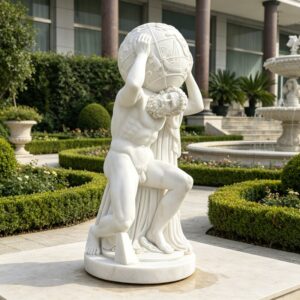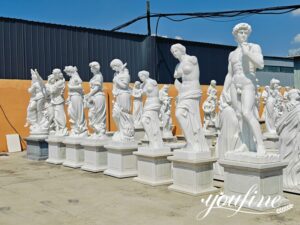
Neoclassical sculptures are among the most elegant and enduring forms of art in Western culture. Their balanced proportions, refined craftsmanship, and timeless beauty have made them popular for centuries.
As someone who has worked in the sculpture industry for over 10 years, I have seen firsthand how neoclassical sculptures continue to attract collectors, architects, landscape designers, and property developers. Many of our clients choose this style because it brings a sense of classical elegance and cultural depth to gardens, estates, hotels, and public spaces.
Neoclassical sculpture draws inspiration from the artistic traditions of ancient Greece and Rome. It emphasizes harmony, idealized human forms, and a calm, balanced composition. Master sculptors such as Antonio Canova and Bertel Thorvaldsen helped define this movement and set standards that artists still follow today.
In this article, I will share the key characteristics of neoclassical sculptures, explain their historical background, and discuss why they remain highly valued in modern architectural and landscape design.
What Is Neoclassical Sculpture?
Neoclassical sculpture is an artistic style that emerged in Europe in the late 18th century. It was inspired by the art and culture of ancient Greece and Rome, which were considered the highest examples of artistic perfection.
During my years working with marble and bronze sculptures, I have noticed that many people are drawn to neoclassical works because they feel timeless. Unlike many modern art styles, these sculptures focus on universal ideas of beauty, balance, and proportion.
Origins of the Neoclassical Art Movement
The rise of neoclassical art was closely connected to the intellectual movement known as the Age of Enlightenment. During this period, scholars and artists believed that art should reflect rational thinking, order, and classical ideals.
At the same time, major archaeological discoveries sparked new interest in ancient civilizations. Excavations in cities such as Pompeii and Herculaneum uncovered extraordinary sculptures, temples, and frescoes that had been hidden for centuries.
These discoveries inspired artists across Europe to study classical sculpture and recreate its aesthetic principles.
Why Neoclassical Sculpture Became Popular
Before the neoclassical movement, European art was dominated by the Baroque and Rococo styles, which often featured dramatic emotions and elaborate decoration.
Neoclassical artists took a different approach. They sought to restore the simplicity, balance, and dignity found in ancient art.
In my experience working with clients, many people still prefer this style because it conveys elegance without feeling excessive or overly decorative.
Key Characteristics of Neoclassical Sculptures
Over the past decade in the sculpture industry, I have studied and worked with many classical designs. While individual works vary, most neoclassical sculptures share several defining characteristics.
Inspiration from Ancient Greek and Roman Art
One of the most important features of neoclassical sculpture is its strong connection to ancient Greek and Roman art.
Many neoclassical artists studied famous classical statues such as the Venus de Milo and the Apollo Belvedere. These works were admired for their ideal proportions and graceful poses.
When producing classical sculptures for clients, I often see how these ancient masterpieces continue to influence modern designs.
Artists carefully analyze classical poses, drapery styles, and anatomical proportions to recreate the elegance of ancient sculpture.
Idealized Human Forms
Another defining characteristic of neoclassical sculpture is the focus on idealized human anatomy.
Rather than depicting people exactly as they appear in real life, sculptors create figures that represent the ideal form of human beauty.
From my experience working with marble sculptures, I can say that achieving this balance between realism and idealization requires exceptional craftsmanship. The sculptor must understand human anatomy while also refining the form to create a harmonious and elegant figure.
Typical features include:
- Balanced body proportions
- Smooth and refined surfaces
- Graceful body posture
- Calm facial expressions
These elements help create sculptures that feel dignified and timeless.
Calm and Balanced Composition
Another characteristic I frequently observe in neoclassical sculptures is their sense of balance and stability.
Unlike dramatic sculptural styles that emphasize motion and emotion, neoclassical works often convey a quiet sense of harmony.
Common compositional features include:
- Symmetrical arrangements
- Stable body positioning
- Controlled gestures
- Balanced visual weight
This sense of order is one of the reasons why neoclassical sculptures are so suitable for architectural settings and formal gardens.
Minimal Ornamentation and Elegant Simplicity
One thing that distinguishes neoclassical sculpture from many other artistic styles is its restraint.
Instead of using excessive decoration, the beauty of the sculpture comes from its form, proportions, and craftsmanship.
In many marble sculptures I have worked with, the smooth surface of the stone and the carefully carved details are enough to create a powerful visual effect.
Typical characteristics include:
- Clean lines
- Smooth marble surfaces
- Subtle drapery details
- Limited ornamentation
This simplicity allows the viewer to focus on the sculpture’s form and expression.

Traditional Materials: Marble and Bronze
Material choice is another important aspect of neoclassical sculpture.
Historically, sculptors favored materials that were widely used in ancient art.
The two most common materials are:
Marble
Marble has long been associated with classical sculpture. Its fine texture allows artists to create delicate details and lifelike surfaces.
Many neoclassical masterpieces, including Psyche Revived by Cupid’s Kiss, were carved from marble.
Bronze
Bronze sculptures are often used for public monuments and outdoor installations. This material provides strength and durability while still allowing artists to achieve refined details.
Both materials continue to be widely used in modern sculpture production.
Themes of Mythology and Heroism
Another defining characteristic of neoclassical sculpture is its subject matter.
Many sculptures depict stories from Greek and Roman mythology, as well as historical figures and allegorical themes.
These themes often represent:
- Beauty
- Strength
- Wisdom
- Justice
- Heroism
For example, mythological subjects like gods, goddesses, and legendary heroes are very common in classical sculptures.
These stories were originally used to convey moral values and cultural ideals.
Famous Neoclassical Sculptures
Neoclassical sculpture emerged in the 18th century as a revival of the artistic ideals of ancient Greece and Rome. It emphasizes harmony, idealized beauty, and restrained emotion. Many masterpieces from this period continue to influence art, architecture, and even modern decorative sculpture today.
Below are some of the most famous Neoclassical sculptures and their creators:
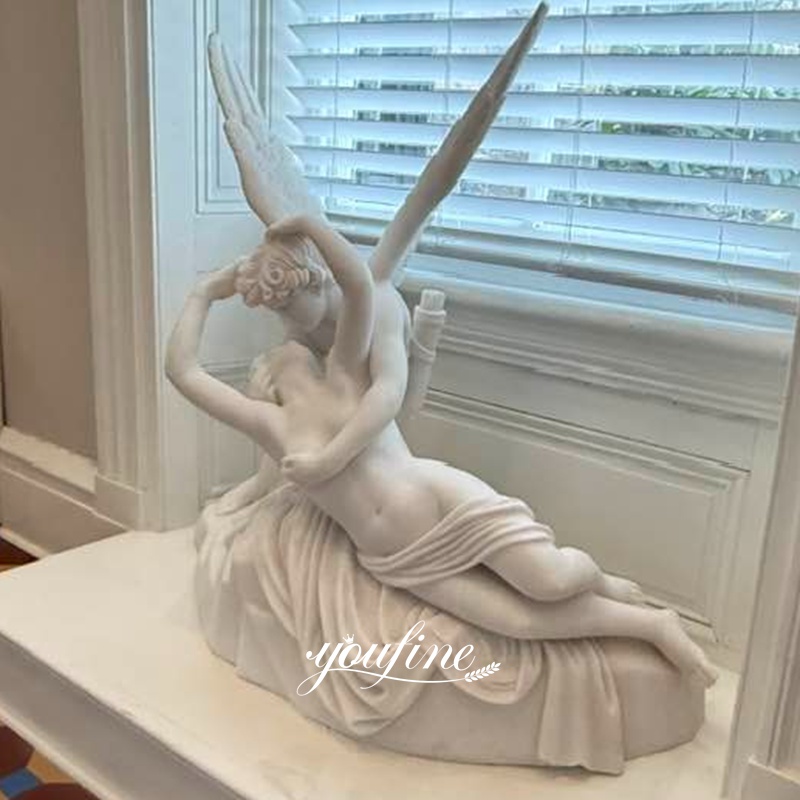
1. Psyche Revived by Cupid’s Kiss
Created by Antonio Canova, this masterpiece is widely regarded as one of the finest examples of Neoclassical sculpture. It captures a tender moment from classical mythology, where Cupid awakens Psyche with a kiss. The composition is graceful and dynamic, perfectly balancing emotion and idealized form.
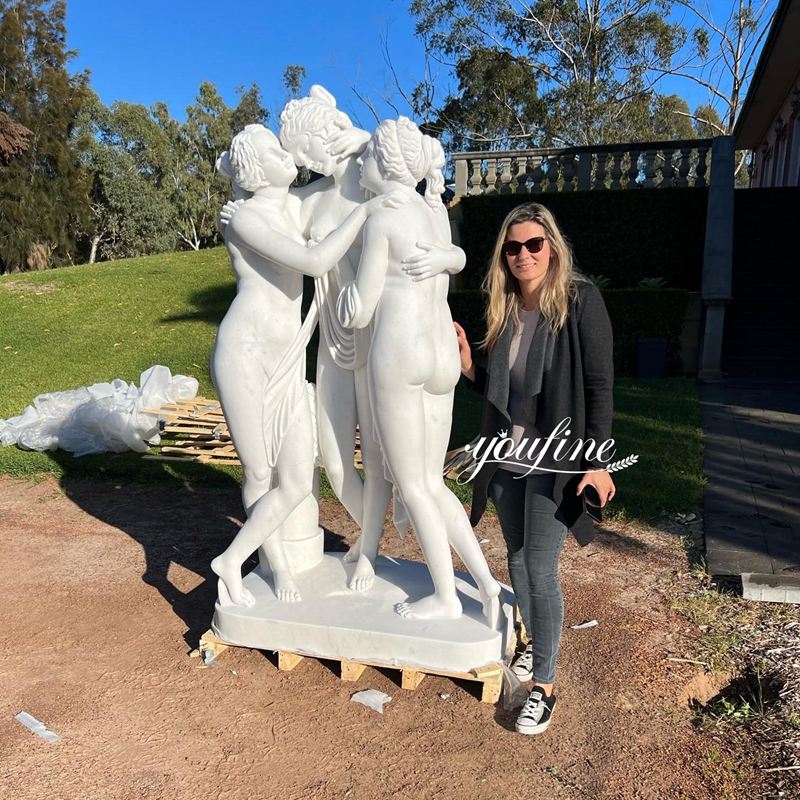
2. The Three Graces
Another iconic work by Antonio Canova, The Three Graces depicts the daughters of Zeus from Greek mythology. The sculpture is celebrated for its harmonious composition, smooth marble finish, and embodiment of feminine beauty and elegance.
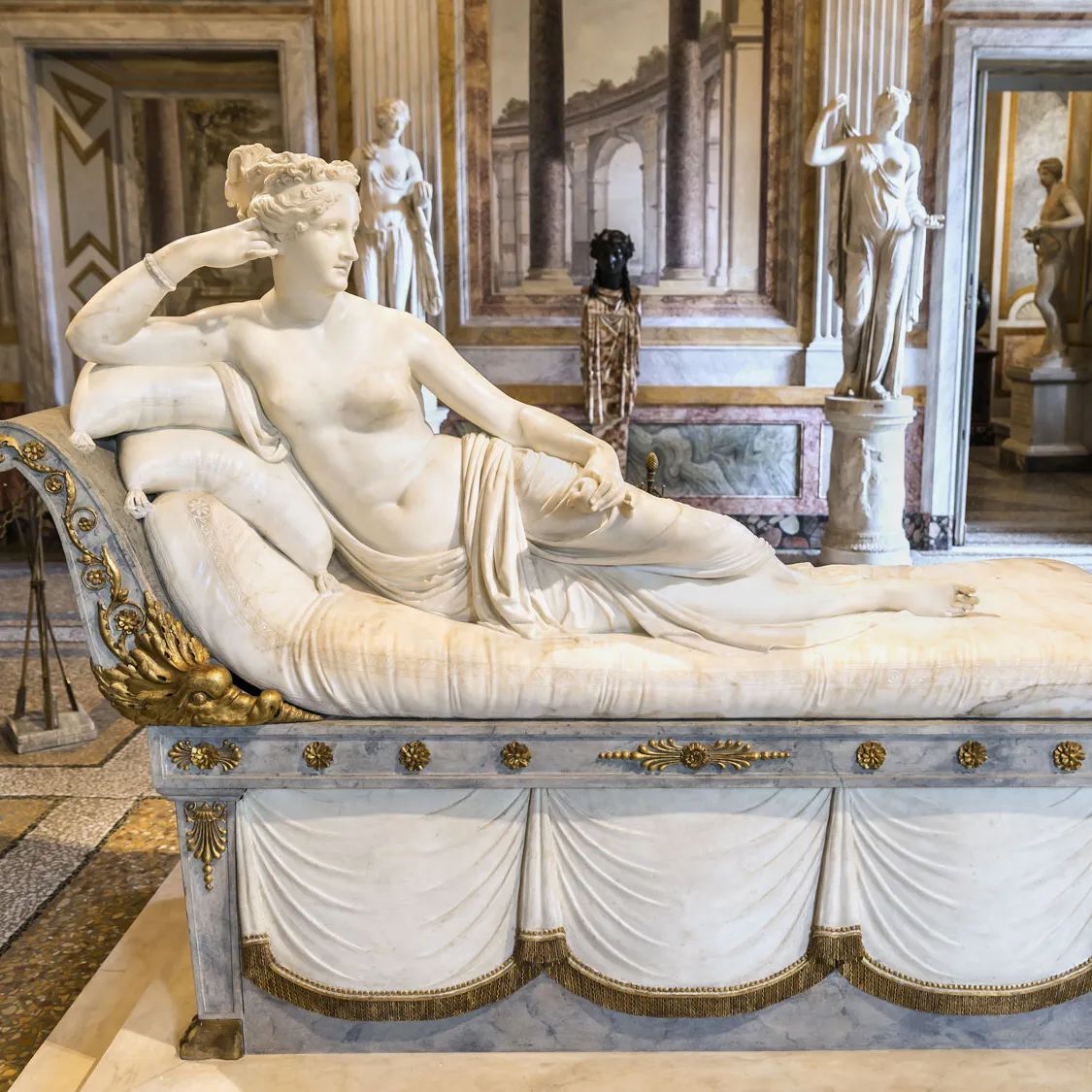
3. Pauline Bonaparte as Venus Victrix
In this sculpture, Antonio Canova portrays Pauline Bonaparte as the Roman goddess Venus. This work blends portraiture with mythology, a common feature in Neoclassical art, highlighting both realism and idealization.
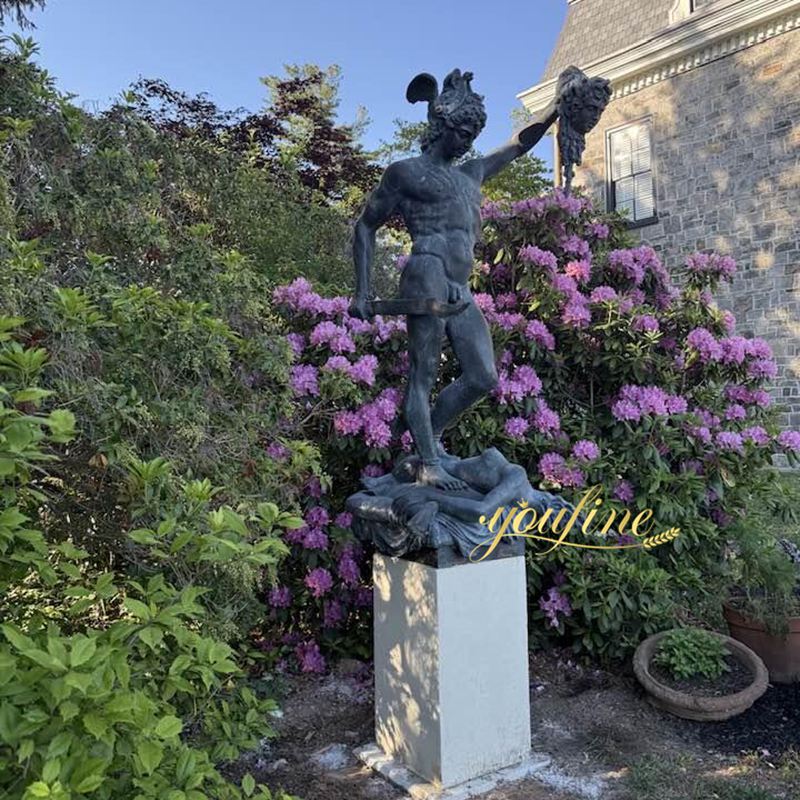
4. Perseus with the Head of Medusa
Also by Antonio Canova, this sculpture represents the Greek hero Perseus holding the head of Medusa. Inspired by ancient Roman sculptures, it reflects heroic strength, clarity of form, and classical balance.
5. George Washington (Statue)
French sculptor Jean-Antoine Houdon created a renowned statue of George Washington, depicting him in a style reminiscent of Roman generals. This work demonstrates how Neoclassical ideals were adapted to portray modern political figures.
6. The Dying Lion of Lucerne
Designed by Bertel Thorvaldsen, the Lion Monument commemorates Swiss Guards who died during the French Revolution. Unlike earlier works, it combines classical form with deep emotional expression, symbolizing loyalty and sacrifice.
Why Neoclassical Sculptures Are Still Popular Today
After more than ten years in the sculpture industry, I have noticed that neoclassical sculptures remain one of the most requested styles.
There are several reasons for this lasting popularity.
First, their classical proportions and elegant appearance make them suitable for many environments, including gardens, villas, museums, and public parks.
Second, the cultural and historical significance of classical art gives these sculptures a sense of prestige.
Finally, high-quality marble and bronze sculptures can last for generations, making them both artistic and architectural investments.
How Neoclassical Sculptures Are Used in Modern Landscape Design
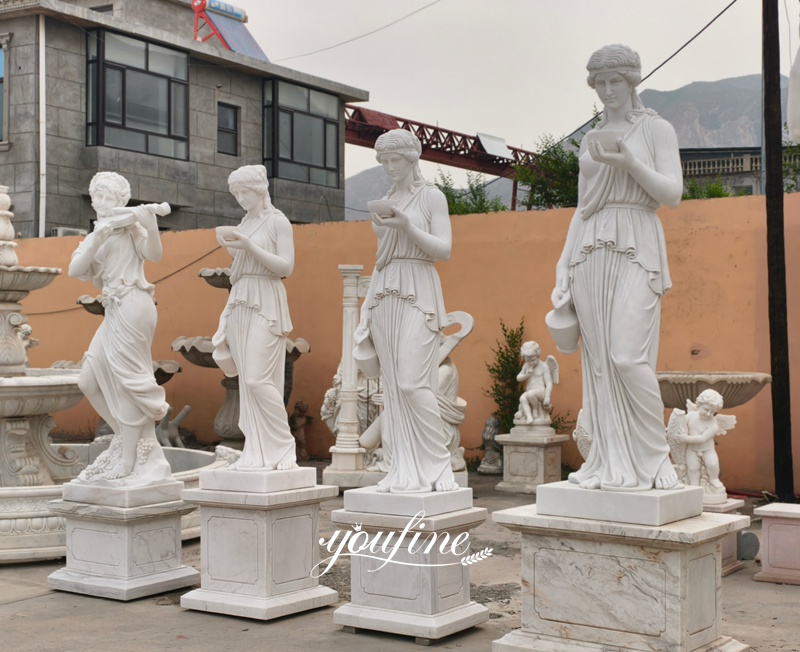
Today, neoclassical sculptures are widely used in landscape and architectural design.
Common applications include:
- Garden statues
- Marble fountains
- Estate decoration
- Public monuments
- Hotel and resort landscaping
In my experience, placing a well-designed classical sculpture in a garden or courtyard can completely transform the atmosphere of the space. It adds elegance, visual focus, and a sense of artistic tradition.
Conclusion
Neoclassical sculpture represents one of the most refined artistic traditions in Western art history. Inspired by the beauty and harmony of ancient Greek and Roman sculpture, it emphasizes idealized human forms, balanced compositions, and timeless elegance.
After working in the sculpture industry for over 40 years, YouFine has seen how this artistic style continues to resonate with people around the world. Whether placed in a museum, a public square, or a private garden, neoclassical sculptures bring a sense of classical beauty and cultural heritage to any environment.
For this reason, they remain one of the most admired and enduring forms of sculpture today.