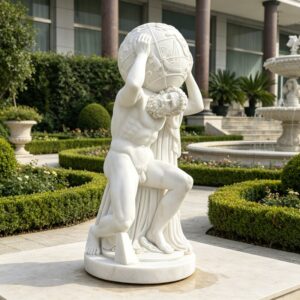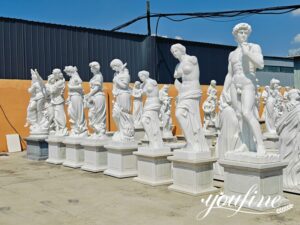
If you have ever visited a museum or looked at photographs of ancient sculptures, you may have noticed something curious: many famous Greek statues are missing their arms. From the graceful Venus de Milo to the dramatic Winged Victory of Samothrace, countless classical marble statues appear incomplete.
This has led many people to ask an intriguing question: Why do Greek statues have no arms?
The simple answer is that ancient Greek statues were originally sculpted with arms, but over centuries those fragile parts were lost due to structural weaknesses, natural weathering, historical destruction, and archaeological damage. What we see today is not how the sculptures originally looked, but rather the result of thousands of years of history.
Ancient Greek sculpture dates back more than two millennia. During that time, wars were fought, empires collapsed, temples were destroyed, and statues were buried underground for centuries. Because arms and other extended parts of a sculpture are particularly vulnerable, they were often the first pieces to break off.
Despite these missing pieces, Greek statues remain some of the most admired works of art ever created. In fact, their damaged condition has become part of their mystique. The fragments that survived still reveal the extraordinary craftsmanship, anatomical knowledge, and artistic vision of ancient Greek sculptors.
To understand why so many classical statues appear incomplete today, we need to look at both the technical aspects of sculpture and the historical events that shaped their survival.
Did Greek Statues Originally Have Arms?
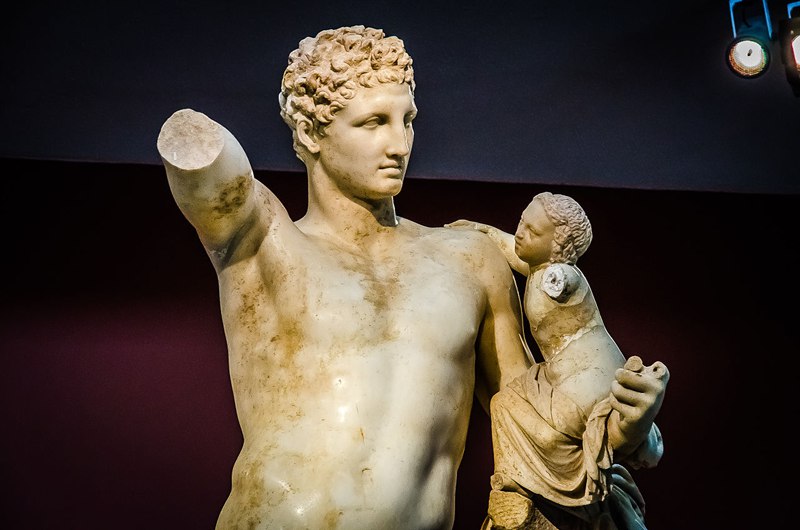
One of the most common misconceptions about classical sculpture is that ancient artists intentionally created statues without arms. In reality, Greek sculptors almost always carved complete human figures, including arms, hands, and detailed gestures.
Ancient Greek art focused heavily on the beauty and balance of the human body. Sculptors carefully studied anatomy and movement in order to create lifelike figures. The arms were especially important because they helped communicate motion, emotion, and narrative.
For example, statues of gods and heroes often used arm gestures to hold objects or express action. A god might raise an arm in blessing, while a warrior might extend his arm to hold a weapon. Without these elements, the sculpture would lose much of its storytelling power.
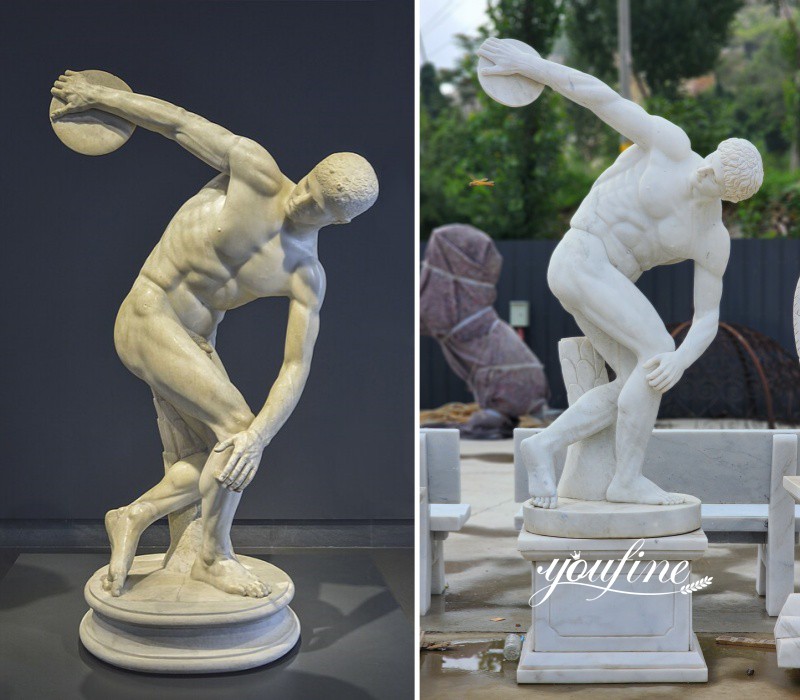
Several well-known ancient sculptures prove that arms were originally part of the design. The famous Discobolus, also known as the Discus Thrower, shows a powerful athlete twisting his body while swinging his arm to throw a discus. Another example is Apollo Belvedere, a Roman marble copy of a Greek bronze statue depicting the god Apollo with his arm extended.
In many cases, the arms were carved separately and then attached to the main body using metal pins or dowels. This allowed sculptors to create more dynamic poses without risking damage during the carving process. However, this construction method also made arms more vulnerable over time.
When archaeologists discover ancient statues today, the arms are often missing because they were detached long ago. The absence of these limbs is therefore not part of the original design but rather the result of centuries of damage and decay.
Structural Weakness: Why Arms Break Off Easily
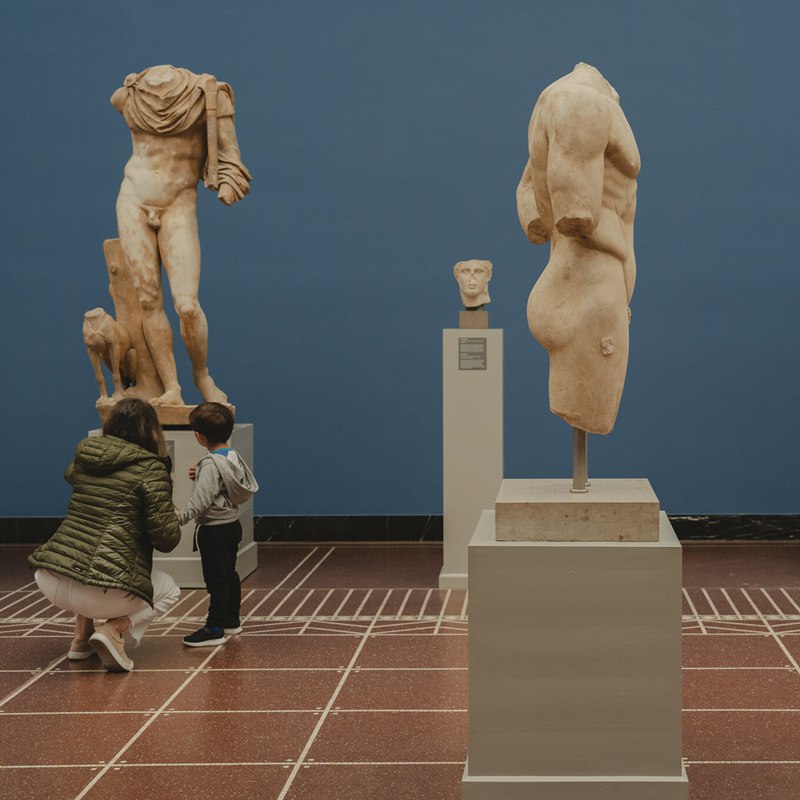
One of the main reasons Greek statues often lose their arms is simple physics. Sculptures, especially those made of stone, are subject to structural stress, and the arms are typically the most fragile parts.
Arms Extend Away from the Body
Unlike the torso or legs, which are supported by the main mass of the sculpture, arms often extend outward from the body. This creates what engineers call a cantilevered structure, meaning the weight of the arm is supported only at one connection point.
Over time, gravity and small vibrations can weaken this connection. Even a minor impact or shift in the surrounding environment can cause the arm to break off.
Marble Is Strong but Brittle
Many Greek statues were carved from marble. While marble is very strong under compression, it is relatively brittle when exposed to bending or pulling forces.
When a long marble arm extends away from the body, the stress at the joint increases dramatically. If the statue falls, shifts, or experiences sudden force, the arm is likely to snap.
Separate Construction Methods
As mentioned earlier, sculptors sometimes carved arms separately and attached them later. Metal pins or dowels were used to secure the pieces together.
While this technique allowed for more complex compositions, the connection points became weak spots over time. After centuries of corrosion, movement, and environmental change, these joints often failed.
Because of these structural factors, arms are statistically the most vulnerable parts of ancient sculptures, followed closely by noses, fingers, and heads.
Thousands of Years of Weathering and Natural Damage
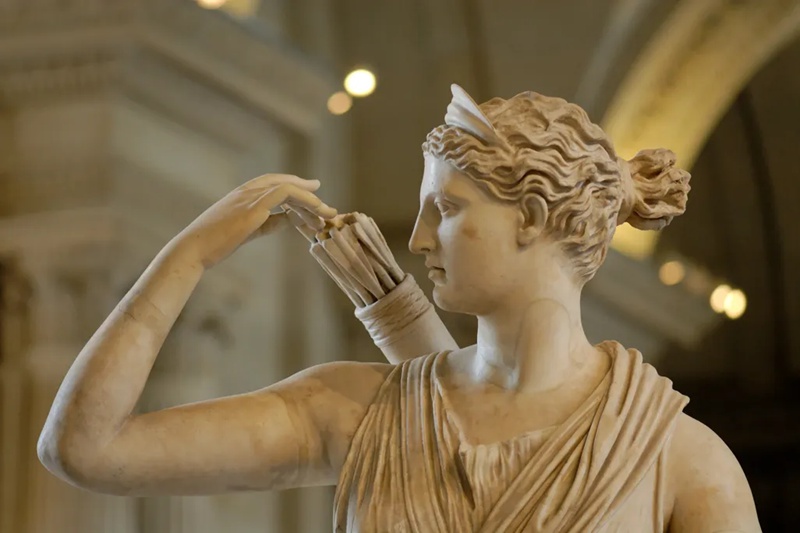
Another major reason Greek statues lost their arms is the simple passage of time. Many of these sculptures are more than 2,000 years old, and during that long period they were exposed to natural forces that gradually weakened their structure.
Outdoor Exposure
Many ancient statues were originally displayed outdoors in temples, public squares, and sanctuaries. Over centuries, they were exposed to wind, rain, and temperature changes.
Repeated cycles of heating and cooling can cause marble to expand and contract slightly. Over hundreds of years, these tiny movements can create cracks and fractures.
Earthquakes
The Mediterranean region where ancient Greece flourished is prone to earthquakes. Even moderate seismic activity could cause statues to topple or collapse.
When a statue falls, the extended parts—such as arms—are usually the first to break.
Burial and Soil Pressure
Many statues survived because they were buried underground after temples collapsed or cities were abandoned. While burial helped preserve them from weathering, it also subjected them to pressure from soil and debris.
Over centuries, this pressure could cause delicate parts like arms to detach or crumble.
Natural forces alone were enough to damage countless sculptures long before archaeologists rediscovered them.
Wars, Iconoclasm, and Deliberate Destruction
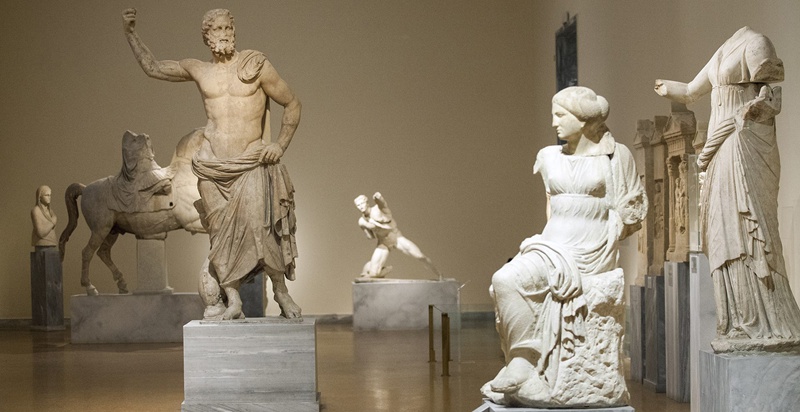
Not all damage to ancient statues was accidental. In many cases, statues were intentionally damaged or destroyed due to political, religious, or cultural reasons.
Political Changes
When one ruler or empire replaced another, statues associated with the previous regime were sometimes destroyed. Breaking a statue could symbolically erase the power or influence of the person it represented.
Religious Conflict
During the rise of Christianity in the late Roman Empire, many pagan temples and statues were attacked or dismantled. Because Greek sculptures often depicted gods and mythological figures, they became targets for destruction.
Symbolic Defacement
In ancient cultures, statues were sometimes believed to contain spiritual or symbolic power. Damaging key body parts—such as the face, arms, or nose—was thought to “neutralize” the statue.
For example, removing the nose of a statue was believed to prevent it from breathing or possessing spiritual life.
These acts of iconoclasm explain why many ancient sculptures appear deliberately damaged rather than simply worn down by time.
Damage During Excavation and Transportation
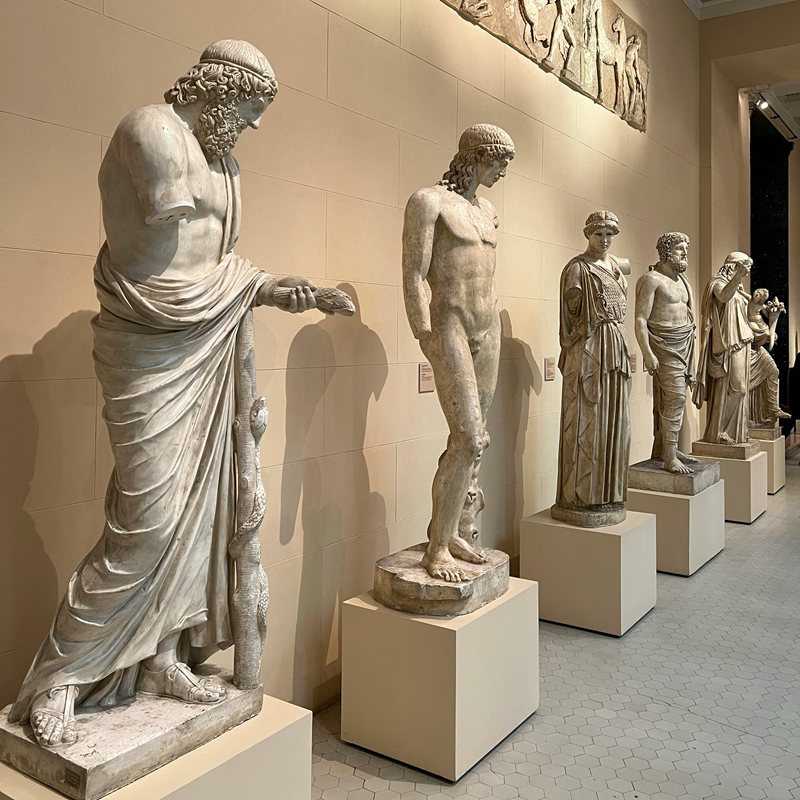
Archaeological discoveries are rarely perfect. Many statues are found in fragments because they were already broken before excavation began.
When archaeologists excavate ancient sites, they often uncover statues buried under layers of rubble, collapsed buildings, and soil. These conditions can leave sculptures cracked, fragmented, or incomplete.
Additionally, the process of transporting statues from excavation sites to museums can sometimes cause further damage, especially in earlier centuries when preservation techniques were less advanced.
Some statues discovered in the 18th and 19th centuries were moved across long distances by ship or wagon. During these journeys, fragile parts could easily break off.
As a result, many statues reached museums already missing arms or other features.
Famous Greek Statues That Lost Their Arms
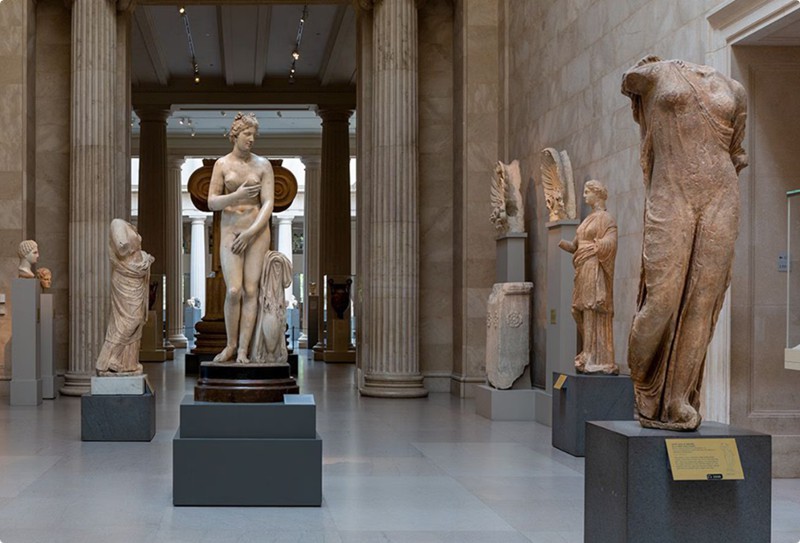
Several of the world’s most famous sculptures are known specifically for their missing limbs.
Venus de Milo
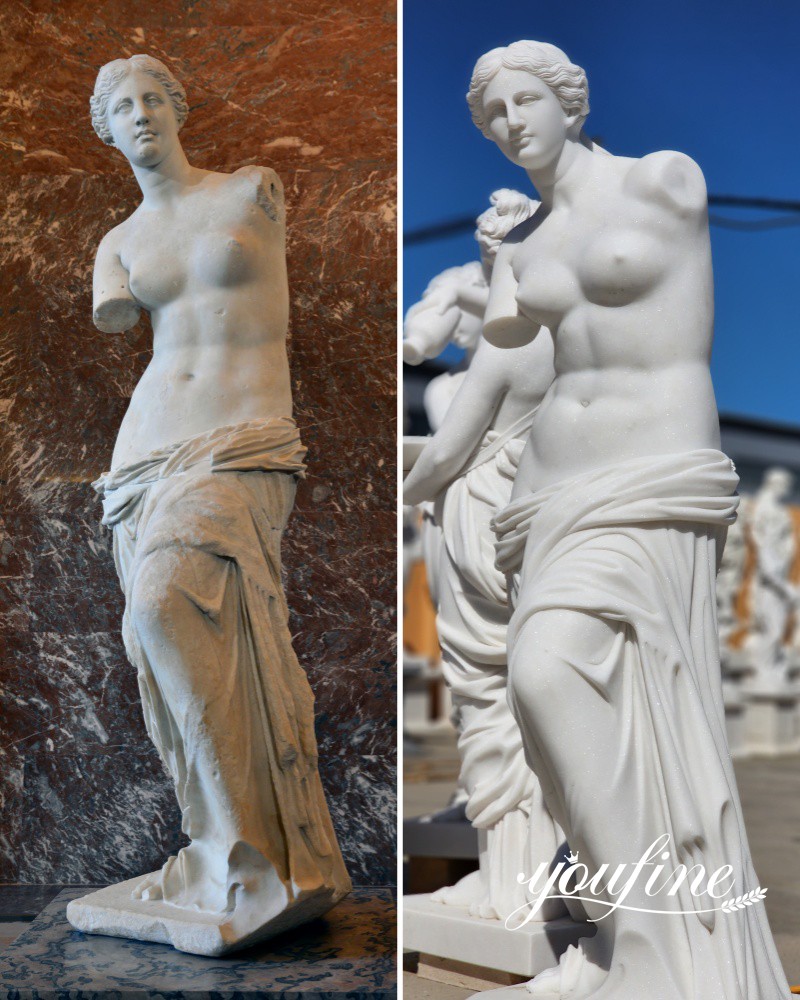
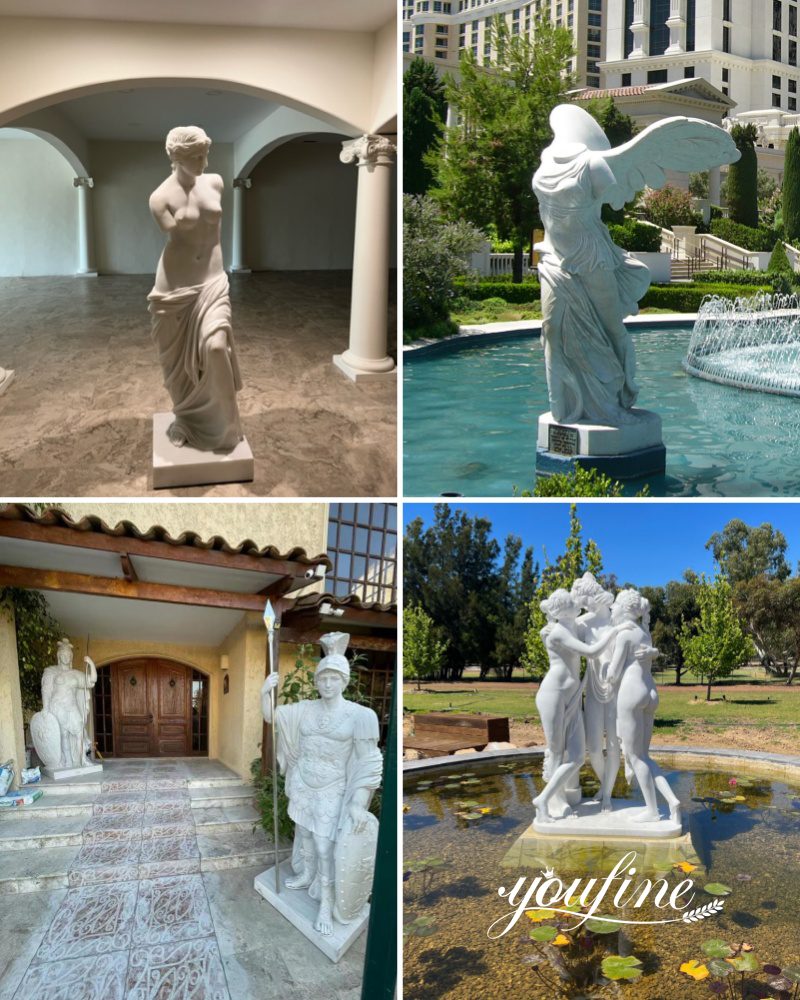
The Venus de Milo is perhaps the most famous armless statue in the world. Discovered on the Greek island of Milos in 1820, this marble sculpture is believed to represent Aphrodite, the goddess of love.
Archaeologists found the statue already missing both arms, and their original position remains a mystery. Many scholars believe the arms may have held an apple or shield.
Despite the missing limbs, the sculpture is considered one of the greatest masterpieces of ancient art.
Winged Victory of Samothrace
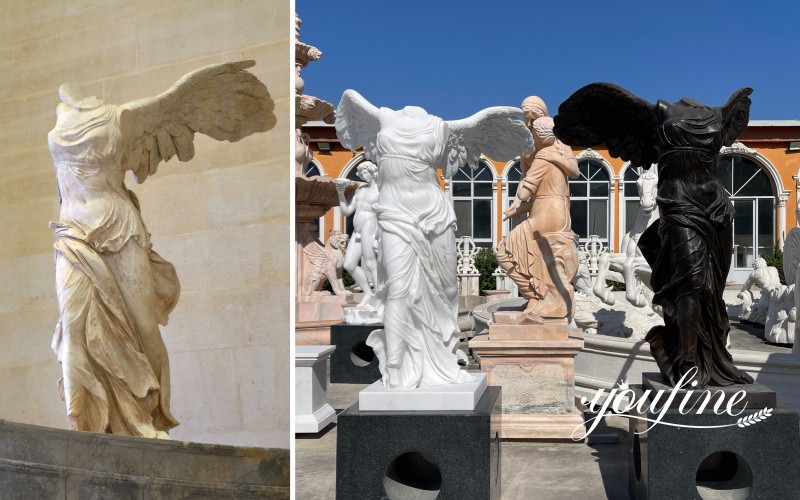
Another iconic statue, the Winged Victory of Samothrace, depicts the goddess Nike landing on the prow of a ship. The sculpture dramatically captures movement through flowing drapery and powerful wings.
However, both the head and arms are missing, likely lost during the statue’s long burial before its rediscovery in the 19th century.
Discobolus
The Discobolus survives today mainly through Roman copies of the original Greek bronze sculpture. Some copies are missing parts of their arms or hands, demonstrating how vulnerable these elements were over time.
These examples show that even the most celebrated works of classical art have not escaped the effects of history.
Why Museums Don’t Rebuild the Missing Arms
A natural question arises when people see damaged statues in museums: why don’t experts simply restore the missing arms?
In earlier centuries, restorers sometimes did attempt to reconstruct missing parts. However, modern museums typically avoid such reconstructions for several important reasons.
Historical Authenticity
Museums aim to preserve artifacts as accurately as possible. Adding new arms would introduce modern interpretations rather than original historical elements.
Lack of Evidence
In most cases, historians do not know exactly how the arms were positioned. Any reconstruction would involve speculation, which could misrepresent the original design.
Conservation Ethics
Modern conservation philosophy focuses on preservation rather than recreation. The goal is to stabilize and protect existing materials rather than alter them.
Because of these principles, museums usually display statues exactly as they were discovered.
Why Broken Greek Statues Still Fascinate Us
Even though many ancient sculptures are incomplete, they continue to inspire millions of visitors every year.
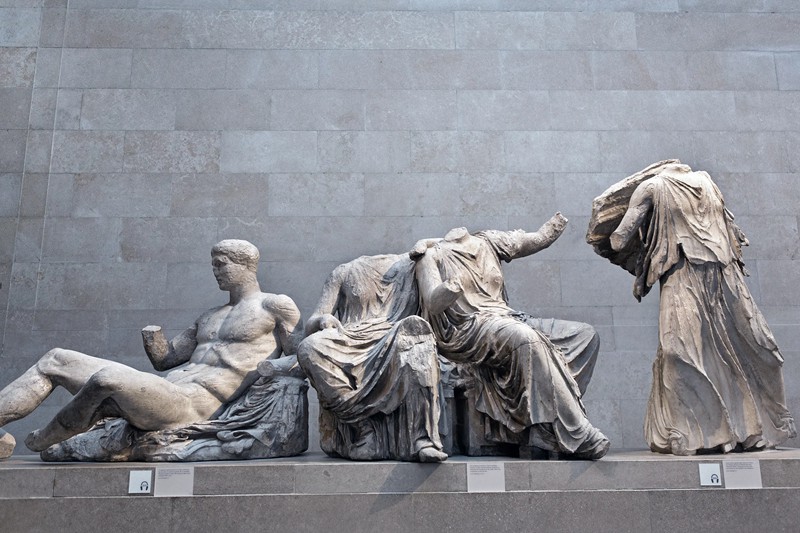
Part of their appeal lies in the mystery they carry. Missing arms or heads encourage viewers to imagine what the original statue might have looked like. The fragments that remain still demonstrate extraordinary artistic skill and beauty.
In some ways, the damage also reminds us of the long journey these sculptures have taken through history. They survived wars, earthquakes, burial, and rediscovery, yet their essential form and elegance remain intact.
Interestingly, the appeal of these incomplete sculptures is not limited to museums or historians. In the modern sculpture market, many collectors and designers actually prefer statues that replicate the same classical “broken” look.
From my experience working in the sculpture industry for more than 10 years, a large percentage of clients intentionally choose versions of classical statues without restored arms or missing parts. When customers order replicas of famous works like the Venus de Milo, they often request the traditional armless version rather than a reconstructed one.
There are several reasons for this preference. First, the incomplete form closely matches the original historical sculpture displayed in major museums. Buyers often want their replicas to reflect the authentic appearance of these world-famous masterpieces.
Second, the fragmented design has become part of the statue’s artistic identity. Over time, people have come to associate the missing arms with classical beauty, antiquity, and timeless elegance.
Finally, many designers believe that the absence of certain parts actually adds a sense of mystery and artistic imagination. Instead of focusing on what is missing, viewers are drawn to the graceful lines, balanced proportions, and emotional expression that remain.
For these reasons, broken Greek statues are no longer seen as damaged objects. Instead, they are appreciated as powerful symbols of history, resilience, and enduring artistic beauty.
Conclusion
So why do Greek statues have no arms?
The answer lies in a combination of structural, historical, and environmental factors. Ancient Greek sculptors originally created complete figures with arms and detailed gestures. However, over the course of more than two thousand years, those fragile parts were often lost.
The most common reasons include:
- Structural weakness in extended limbs
- Natural weathering and earthquakes
- Burial and soil pressure
- Wars and deliberate destruction
- Damage during excavation and transport
Despite these losses, Greek statues remain among the most admired artistic achievements in human history. Their elegance, realism, and expressive beauty continue to influence artists and sculptors today.
Even without their arms, these sculptures still speak across millennia—telling stories of ancient civilizations, artistic mastery, and the passage of time.