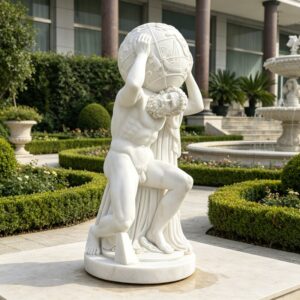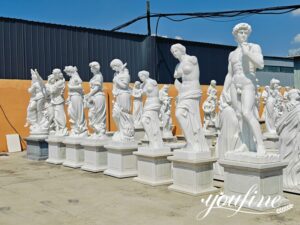
Outdoor statues enhance gardens, courtyards, and public spaces, but constant exposure to sun, rain, and temperature changes can lead to fading, corrosion, and surface damage. Without proper care, even high-quality outdoor statues may deteriorate faster than expected.
Protecting outdoor statues doesn’t require complex treatments. It starts with understanding the material, choosing the right placement, and applying preventive maintenance. In this guide, we share expert, practical tips to help extend the lifespan of outdoor statues and preserve their beauty for years to come.
Tip 1: Identify the Statue Material First
Protection Always Starts with the Material
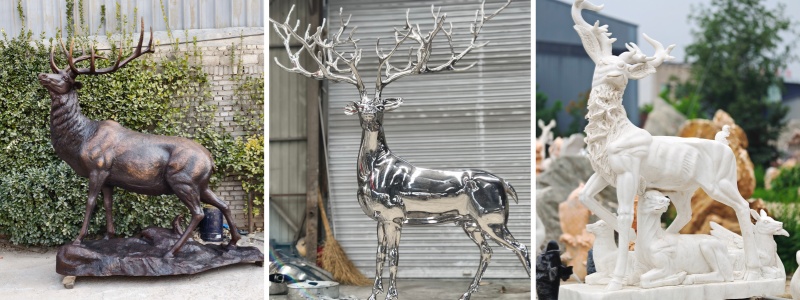
The most important step in protecting outdoor statues is knowing what they are made of. Different materials react very differently to weather, moisture, and sunlight, and there is no one-size-fits-all protection method.
For example, bronze statues need wax coatings to control oxidation, stone and marble require breathable sealants to prevent moisture damage, and resin or fiberglass statues need UV protection to reduce fading and brittleness. Applying the wrong treatment can cause more harm than good.
Before cleaning or sealing any outdoor statue, identify its material and follow care methods designed specifically for it. This ensures effective protection and helps preserve both the appearance and structural integrity of the statue over time.
Tip 2: Place Outdoor Statues on a Raised, Stable Base
Avoid Direct Contact with Soil and Standing Water
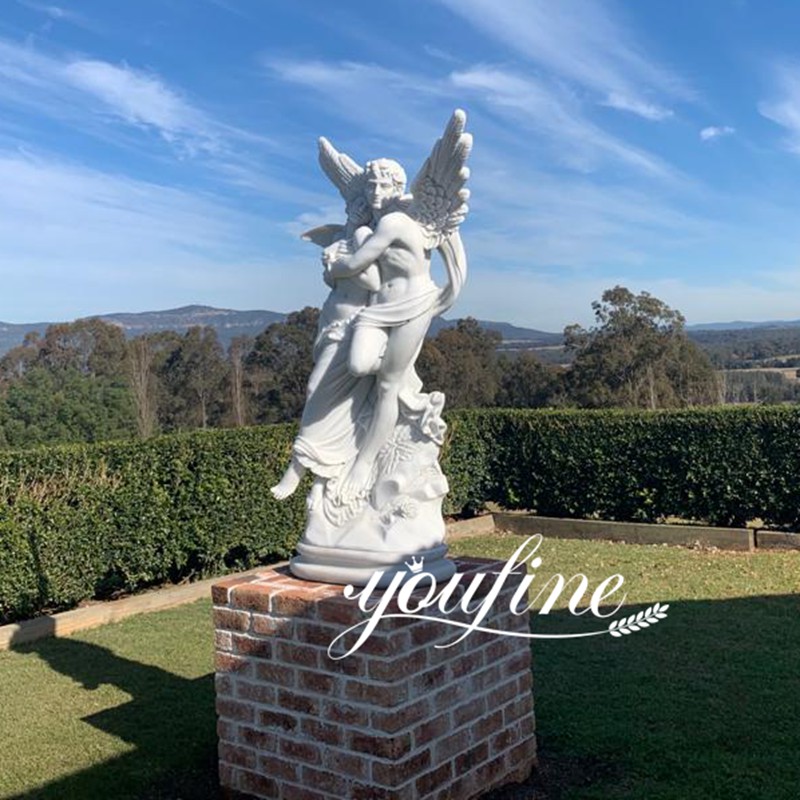
Outdoor statues should never sit directly on soil or grass. Ground contact allows moisture to rise into the statue, accelerating corrosion, cracking, and surface deterioration—especially for stone and metal sculptures.
A raised, stable base such as concrete, stone, or a properly designed pedestal helps keep the statue dry and structurally secure. Good elevation also improves drainage and reduces long-term damage caused by standing water.
Proper placement is a simple but critical step that significantly extends the lifespan of outdoor statues and prevents many common preservation issues before they start.
Tip 3: Clean Gently and Regularly
Safe Cleaning Prevents Long-Term Damage
Regular cleaning helps prevent dirt, pollution, and biological buildup from damaging outdoor statues. However, aggressive cleaning can do more harm than good.
Use soft brushes, microfiber cloths, and clean water or mild soap to remove surface debris. Avoid pressure washers, abrasive tools, or harsh chemicals, as these can erode surfaces, strip protective coatings, and cause permanent damage.
Gentle, routine cleaning keeps outdoor statues looking their best while preserving the material and protective layers designed to extend their lifespan.
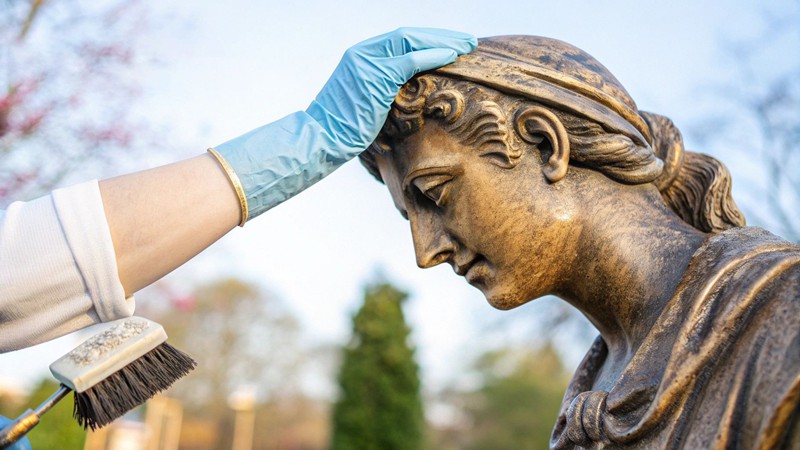
Tip 4: Apply the Right Protective Coating
Use Coatings as Preventive Protection, Not Repairs
Protective coatings should be applied before visible damage appears, not after problems have already developed. Their primary role is to slow moisture penetration, reduce oxidation, and shield surfaces from UV exposure.
Instead of frequent or heavy applications, focus on proper timing and consistency. Inspect the statue regularly and reapply coatings only when the existing layer shows signs of wear. Overuse or incorrect application can trap moisture and accelerate deterioration.
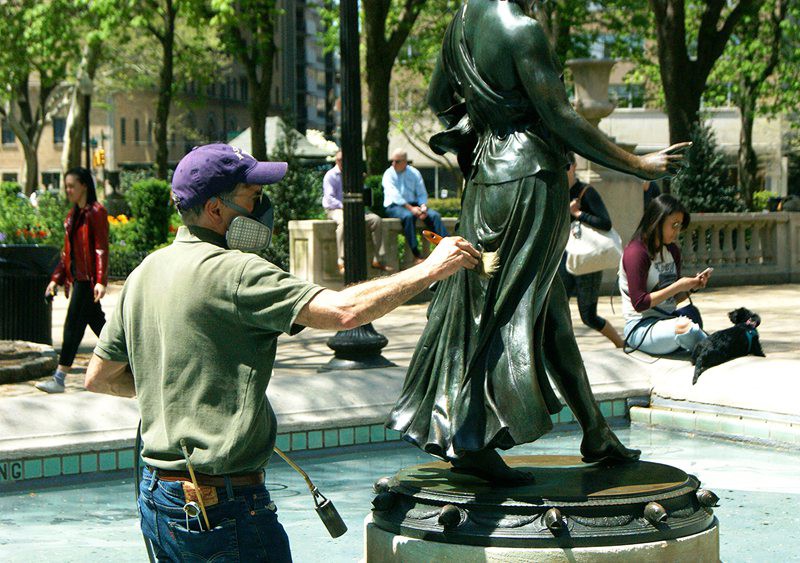
Tip 5: Protect Outdoor Statues from Sun and UV Exposure
UV Damage Is Often Invisible at First
Prolonged sun exposure can cause fading, surface weakening, and premature aging—especially for painted, resin, and composite outdoor statues. Unlike moisture damage, UV damage often develops gradually and may go unnoticed until the surface appearance has already changed.
Whenever possible, place outdoor statues in areas with partial shade or indirect sunlight. For statues in full sun, regular inspection is essential to detect early signs of color loss or surface dulling.
Managing UV exposure is a simple but often overlooked step that helps outdoor statues maintain their original appearance for much longer.
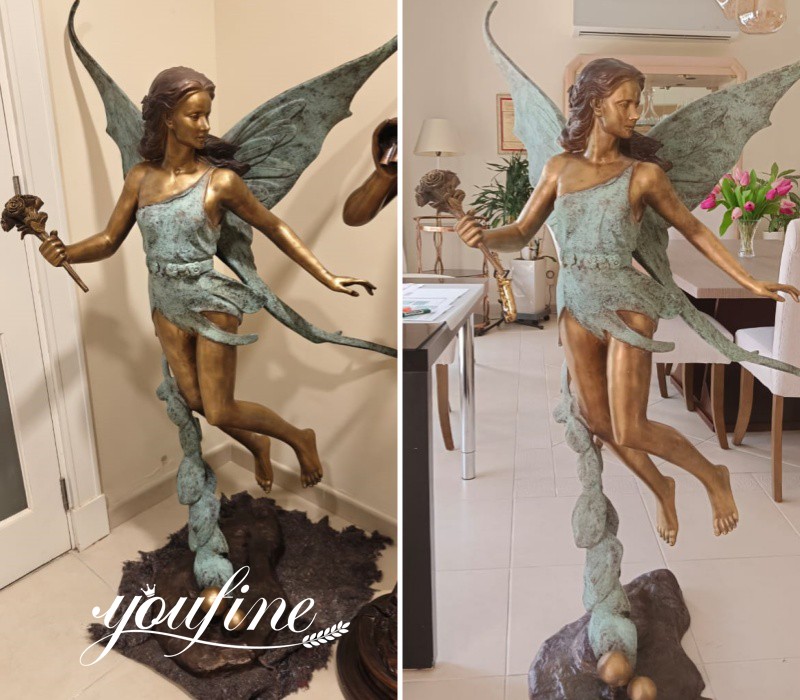
Tip 6: Plan Seasonal Protection
Adjust Care as Weather Conditions Change
Outdoor statues are affected differently throughout the year. Seasonal changes such as freezing temperatures, heavy rain, or extreme heat can accelerate wear if not addressed in time.
In colder months, freeze–thaw cycles may cause cracking or surface stress, while rainy seasons increase the risk of moisture penetration. Planning ahead—such as improving drainage, using breathable covers when necessary, or increasing inspections during extreme weather—helps prevent seasonal damage.
Adapting protection strategies to the local climate is a practical way to extend the lifespan of outdoor statues with minimal effort.
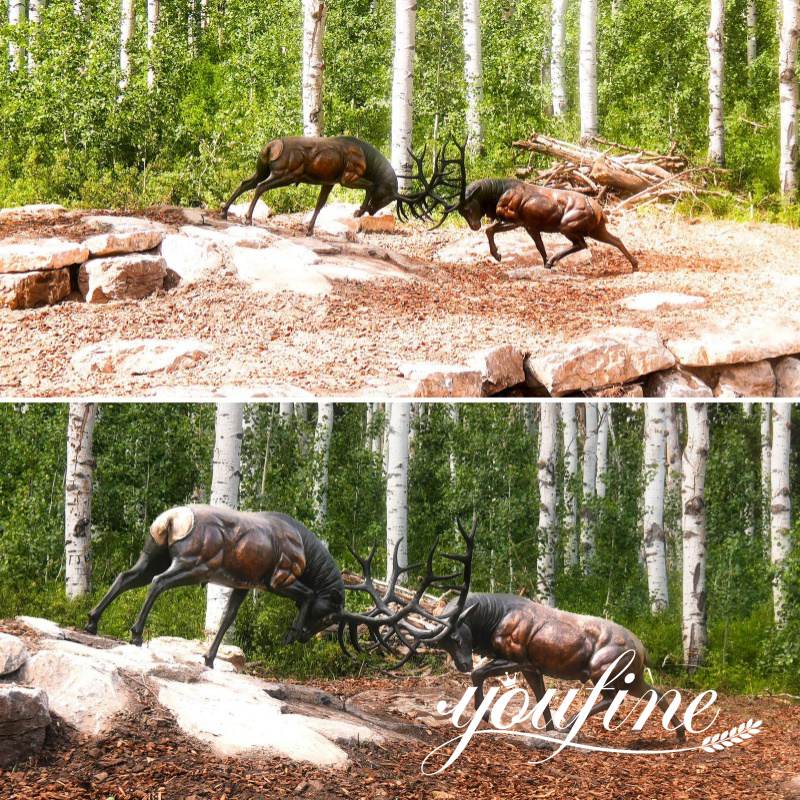
Tip 7: Ensure Proper Drainage Around the Statue
Water Accumulation Can Cause Serious Damage
Standing water around the base of a statue accelerates corrosion, promotes moss or algae growth, and can even weaken the foundation over time. Proper drainage is essential to prevent these issues.
Place statues on slightly elevated bases, ensure the surrounding soil slopes away from the statue, and avoid low spots where water can pool. Even small adjustments in placement or grading can significantly reduce moisture-related damage and preserve both the structure and appearance of outdoor statues.
Tip 8: Avoid Common Landscaping Mistakes
Protect Statues from Indirect Damage
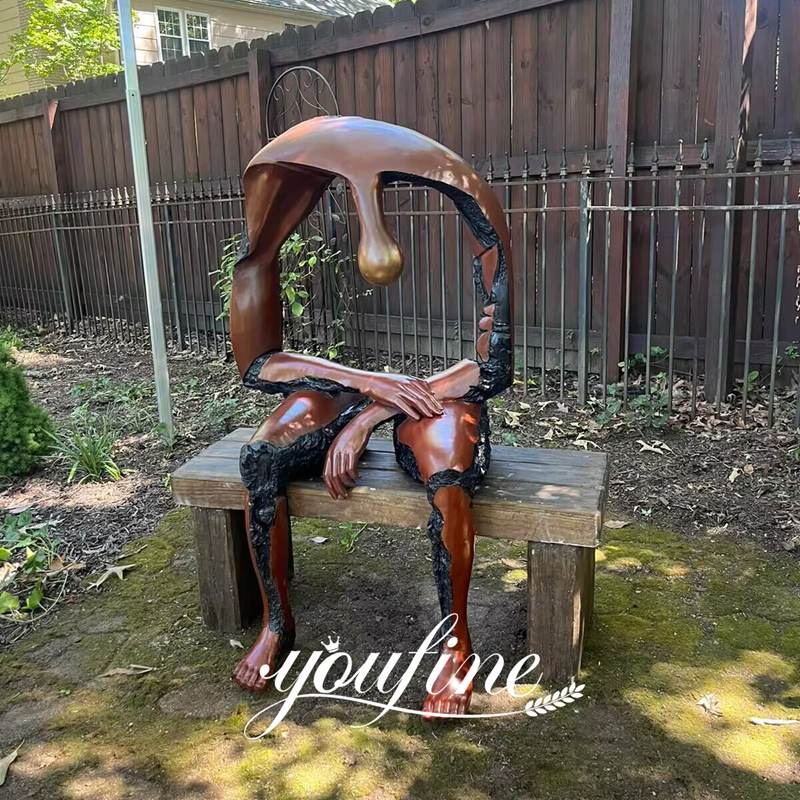
Landscaping around outdoor statues can unintentionally cause damage over time. Mulch, fertilizers, and nearby sprinklers may hold moisture against the base or cause chemical erosion. Gravel or hard mulch that shifts can scratch or chip surfaces.
Maintain a clear buffer zone around the statue. Keep soil, mulch, and plants at a safe distance, and adjust irrigation so water does not consistently spray the statue. Thoughtful landscaping prevents indirect wear and helps statues stay in excellent condition for years.

Tip 9: Inspect Outdoor Statues Regularly
Catch Problems Early Before They Worsen
Regular inspections are key to preventing minor issues from turning into major damage. Look for cracks, loose parts, fading, corrosion, or worn protective coatings. Early detection allows timely maintenance and reduces the need for costly repairs.
Create a simple inspection schedule—monthly or quarterly depending on the climate—and take note of any changes. Consistent monitoring ensures outdoor statues remain safe, stable, and visually appealing over time.
Tip 10: Start with a Reliable Supplier
Prevent Problems at the Source with Quality and Expertise
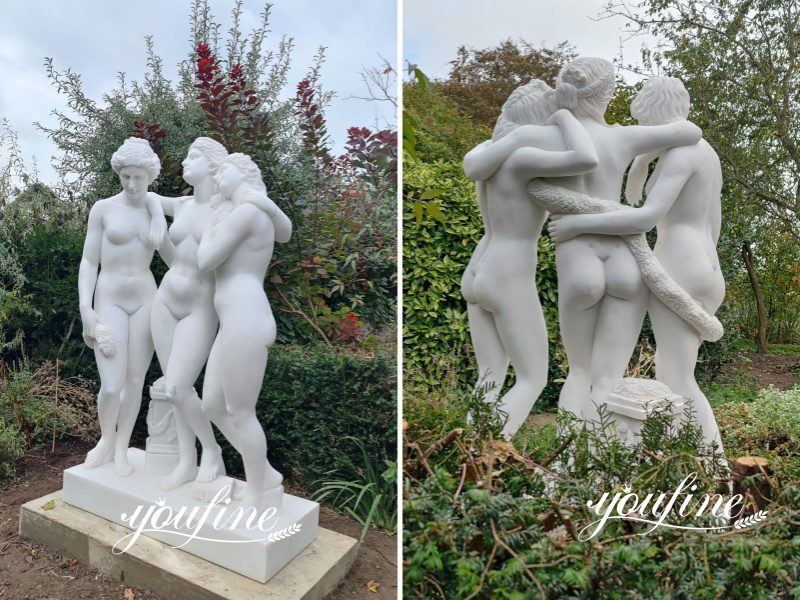
Many long‑term issues with outdoor statues—such as premature cracking, uneven finishes, or coatings that fail early—stem from material quality and fabrication. Choosing a reliable supplier from the start can greatly reduce future maintenance needs and help outdoor statues retain their beauty for decades.
Look for a supplier with proven expertise in outdoor art, transparent material specifications, and established quality standards. A knowledgeable partner can recommend the right materials, finishes, and installation details tailored to your climate and site conditions.
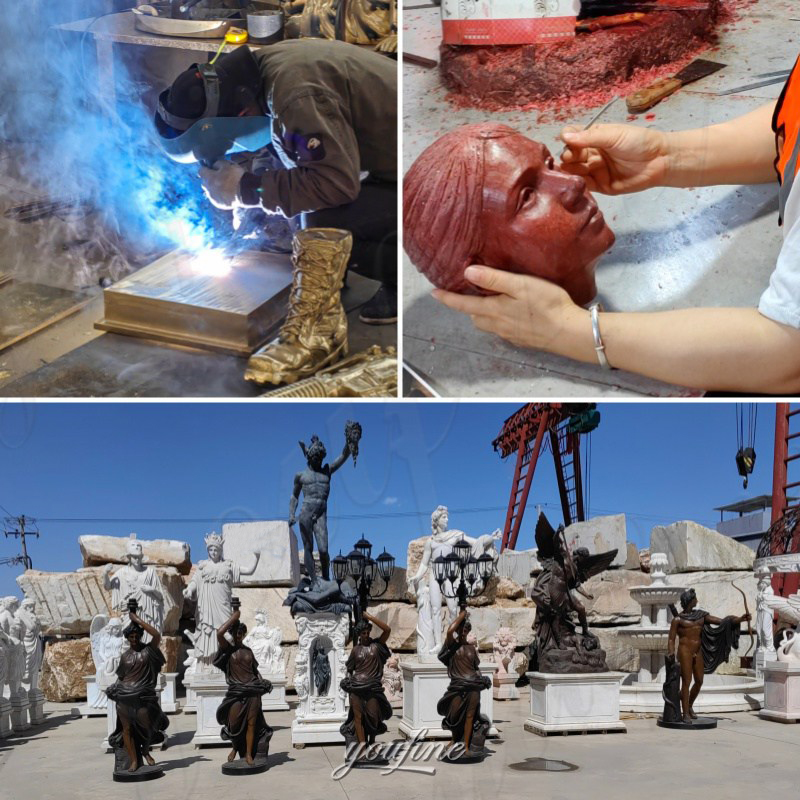
YouFine, with 40 years of experience in sculpture fabrication and material science, focuses on durable outdoor finishes and precise craftsmanship to help clients avoid common weather‑related damage. Starting with YouFine’s quality standards means less reactive repair work later and more confidence in your outdoor statue’s long‑term performance.
Conclusion
Caring for outdoor statues doesn’t have to be complicated. By identifying the material, placing statues correctly, cleaning gently, applying protective coatings, planning for seasonal changes, ensuring drainage, avoiding landscaping mistakes, inspecting regularly, and—most importantly—starting with a reliable supplier like YouFine, you can significantly extend the lifespan and preserve the beauty of your outdoor statues.
Investing in quality from the source and following consistent, practical maintenance steps ensures that your sculptures remain safe, visually stunning, and durable for years to come. With the right care and expert support, outdoor statues can continue to enhance gardens, public spaces, and private collections for decades.