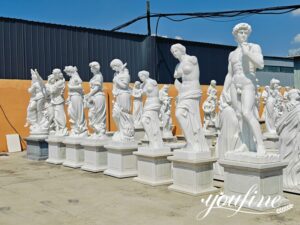
Bronze sculptures have been admired and collected for thousands of years. From ancient civilizations to modern public monuments, bronze has remained one of the most respected materials in sculpture. However, many people who are considering purchasing a statue often ask the same question: Are bronze sculptures worth anything?
The simple answer is yes—bronze sculptures can be extremely valuable, both in terms of artistic significance and long-term durability. Unlike many decorative materials, bronze statues combine strong metal composition, skilled craftsmanship, and timeless beauty. Because of these qualities, they are widely used for gardens, luxury homes, public monuments, and cultural landmarks.
For buyers, understanding the value of bronze sculptures is important before making a purchase. Why do bronze statues often cost more than resin or fiberglass sculptures? What determines their price? And are they truly worth the investment?
In this guide, we will explore why bronze sculptures are considered valuable, what factors influence their price, how much they typically cost, and how to choose a high-quality bronze sculpture that will last for generations.
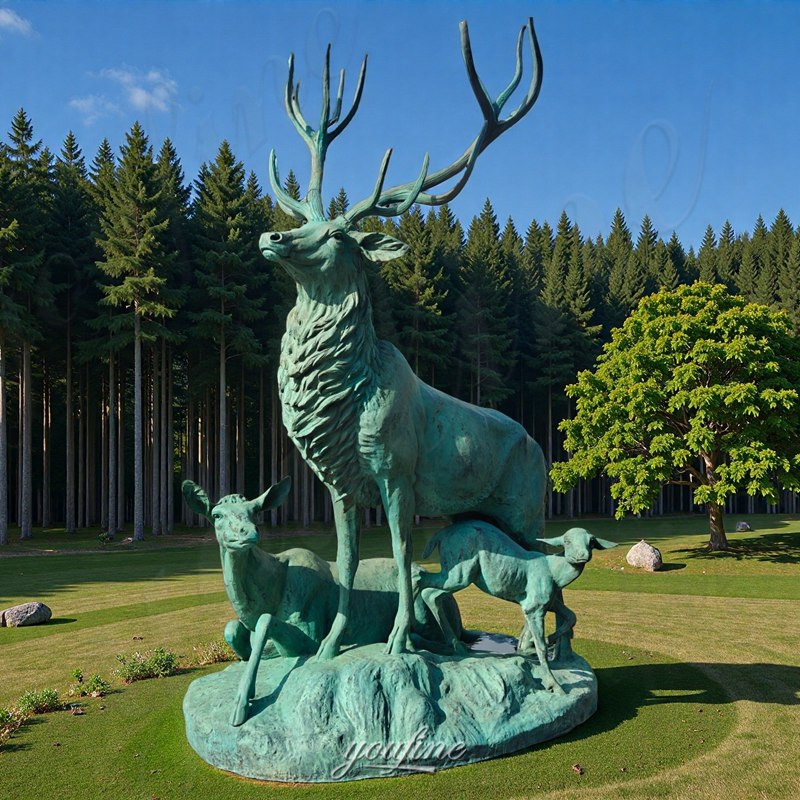
Why Bronze Sculptures Are Considered Valuable
Bronze sculptures have maintained their popularity throughout history for several important reasons. Their value comes not only from the metal itself but also from their durability, artistic possibilities, and cultural significance.
Premium Metal Material
Bronze is an alloy made primarily from copper and tin, two metals that have been valued for centuries. Because bronze contains a high percentage of copper, it already has intrinsic material value even before it is shaped into a sculpture.
Compared with many other sculpture materials used today, bronze stands out as a premium option. Because of its metal composition, bronze sculptures are often considered more valuable than pieces made from synthetic materials. Even when used purely for decoration, a bronze statue typically represents a higher level of craftsmanship and material quality.
This is one reason why bronze has historically been the preferred material for important monuments and public sculptures.
Extremely Long Lifespan
One of the greatest advantages of bronze sculptures is their remarkable durability.
High-quality bronze statues can easily last over 100 years, and many historic bronze sculptures have survived for centuries. Unlike materials such as resin or plaster, bronze does not easily crack, fade, or deteriorate when exposed to outdoor conditions.
Instead, bronze gradually develops a protective surface layer called patina. This natural process not only protects the metal from corrosion but also enhances the sculpture’s visual character.
Because of this durability, bronze sculptures are ideal for:
- outdoor garden decoration
- public monuments
- memorial statues
- architectural landscaping
- city squares and parks
For buyers, this means that a bronze sculpture is often a long-term investment that can last for generations.
Outstanding Artistic Detail
Another reason bronze sculptures are highly valued is their ability to capture extremely fine artistic details.
Most high-quality bronze statues are created using the traditional lost-wax casting technique, a process that allows sculptors to reproduce intricate textures and complex forms with great precision.
This method enables artists to create sculptures with:
- realistic anatomy
- detailed clothing textures
- expressive facial features
- delicate decorative patterns
Because of these artistic possibilities, bronze has been the preferred material for many of the world’s most famous sculptures. The combination of strength and flexibility allows artists to achieve designs that would be difficult to produce with other materials.
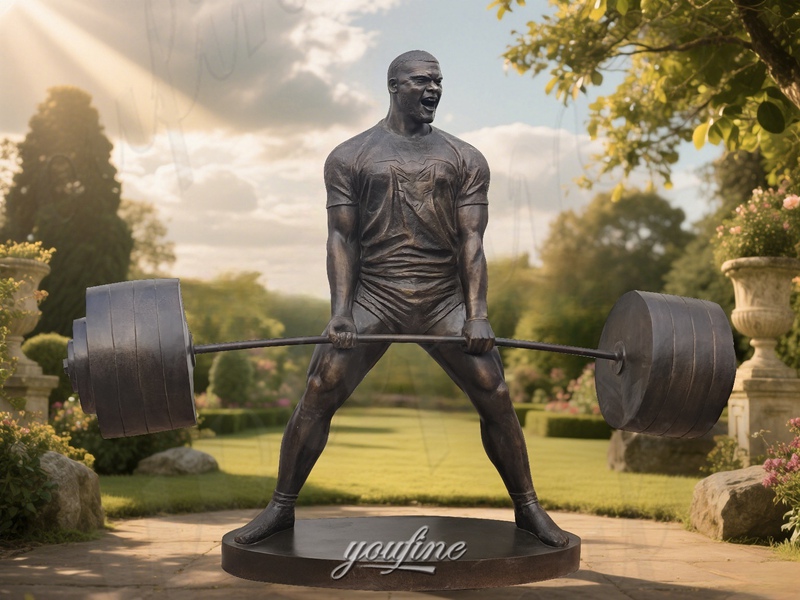
What Determines the Price of a Bronze Sculpture?
Many buyers are curious about why bronze sculptures vary so widely in price. Some small statues may cost only a few hundred dollars, while large monumental sculptures can reach tens of thousands of dollars or more.
Several important factors influence the final price of a bronze sculpture.
Sculpture Size
The size of a sculpture is one of the most obvious factors affecting its cost.
Larger sculptures require significantly more bronze material, which increases the production cost. In addition, large statues often require more complex molds, additional structural reinforcement, and longer production time.
For example:
a small tabletop bronze statue may require only a few kilograms of bronze
a life-size sculpture may require hundreds of kilograms
Because of the additional material and labor involved, larger sculptures typically command higher prices.
Casting Technique
The casting method used to produce a sculpture also affects its value.
High-quality bronze sculptures are usually produced using the traditional lost-wax casting process. This method has been used for centuries and is known for producing highly detailed and durable sculptures.
However, lost-wax casting involves many steps, including:
- sculpting the original model
- creating silicone molds
- producing wax replicas
- forming Sand shells
- melting and pouring molten bronze
- finishing and polishing the surface
Because the process requires skilled craftsmen and careful attention to detail, sculptures created using this technique tend to be more valuable.
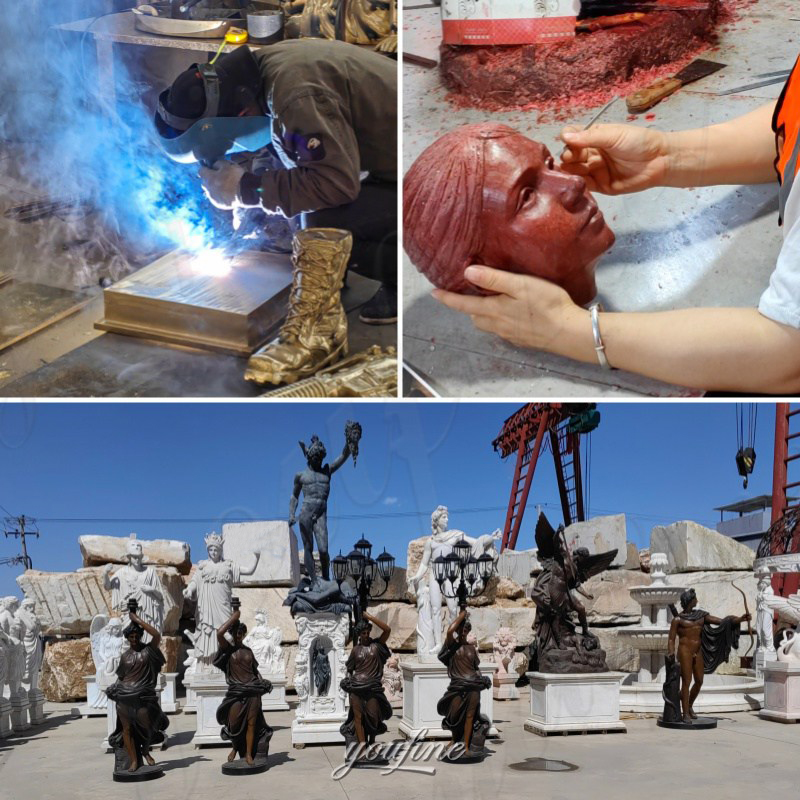
In addition, YouFine uses the lost-wax casting process, an advanced technique that effectively prevents white spots or green patches from forming on the sculpture. Compared to the traditional ammonia casting method, this process is relatively more expensive, but some foundries choose it for higher profits.
Craftsmanship and Finishing
A bronze sculpture does not become a finished artwork immediately after casting. In fact, a large portion of the work happens during the post-casting finishing stage.
Skilled artisans must carefully:
- remove casting seams
- refine details
- polish surfaces
- apply patina coloring
The quality of this finishing work greatly influences the final appearance of the sculpture. Well-crafted bronze sculptures often display smooth surfaces, sharp details, and balanced proportions.
When buyers evaluate a bronze statue, the craftsmanship of these finishing steps is often a key indicator of quality.
Custom Design
Another factor that affects the value of bronze sculptures is whether the piece is custom-designed.
Many clients today prefer personalized sculptures that reflect specific themes, historical figures, or cultural symbols. Custom sculptures require artists to create an original design before the casting process begins.
This design stage may involve:
- sketches
- clay modeling
- design revisions
- client approvals
Because custom sculptures are unique artworks created specifically for the client, they often carry greater artistic value than mass-produced decorative statues.
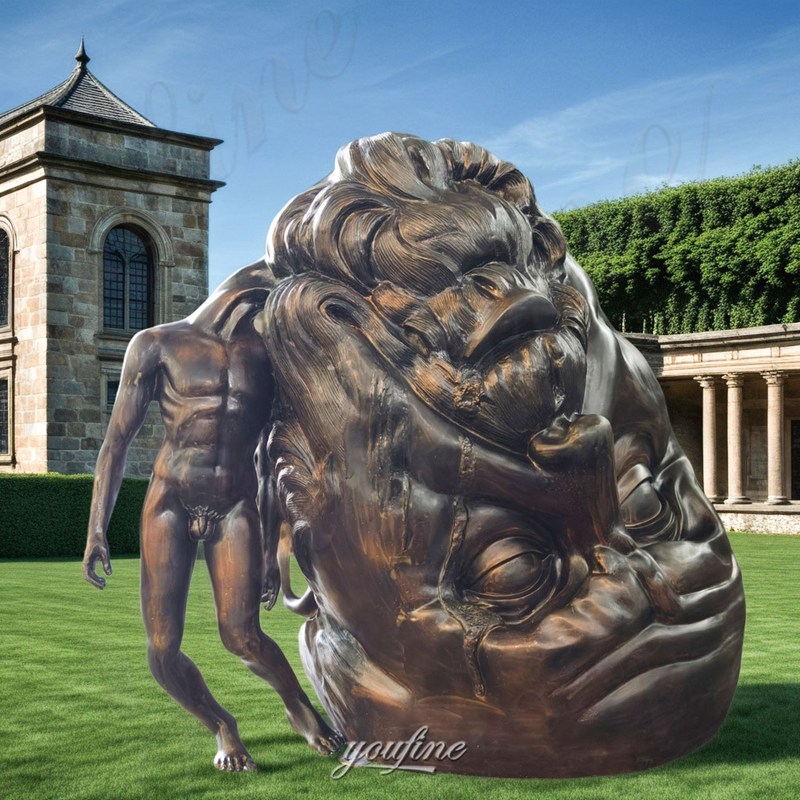
How Much Do Bronze Sculptures Usually Cost?
The price of bronze sculptures can vary significantly depending on size, complexity, and craftsmanship. However, there are some general price ranges that buyers can use as a reference.
Statue Size Small bronze statue (12–18 inches) | Average Cost Range $500 – $4,000 |
Medium sculpture (2–4 ft) | $2,000 – $10,000 |
Life-size bronze statue (5–6 ft) | $12,000 – $60,000 (Western market) |
Monument statue (10 ft+) | $50,000 – $250,000+ |
Of course, highly customized or monumental sculptures designed for public spaces may cost even more.
While bronze sculptures often have a higher initial price than resin statues, they offer much greater durability and long-term value.
You could learn more: How Much Does Bronze Statue Cost in 2026 ?
Where Are Bronze Sculptures Commonly Used?
Thanks to their strength and timeless appearance, bronze sculptures are used in a wide range of settings.
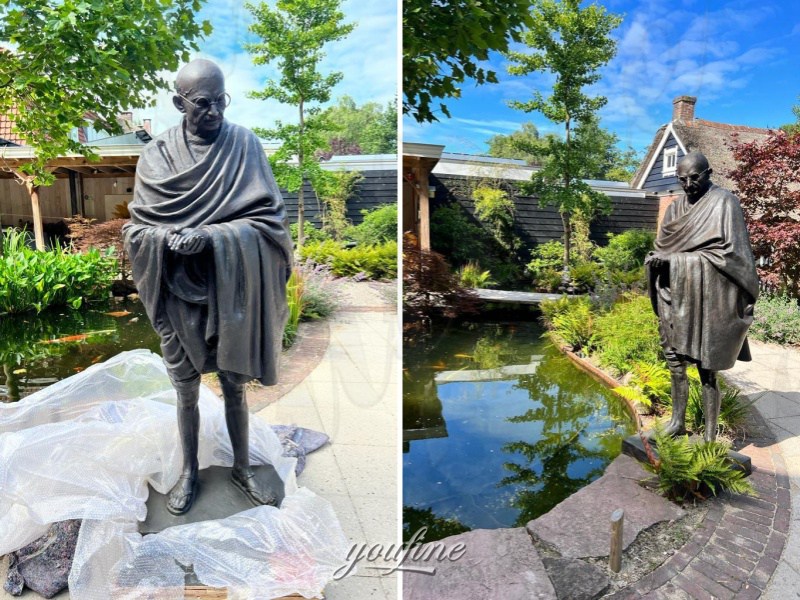
- Garden Decoration: Bronze statues are popular features in gardens and landscape design. They add elegance and artistic character to outdoor spaces while withstanding weather conditions.
- Luxury Home Decoration: Many homeowners install bronze sculptures in courtyards, entrances, or interior spaces to create a sense of luxury and artistic sophistication.
- Public Monuments: Cities and cultural institutions frequently use bronze for statues commemorating historical figures, events, or cultural heritage.
- Parks and Squares: Large bronze sculptures are often placed in parks, plazas, and public squares as visual landmarks that attract visitors.
Are Bronze Sculptures a Good Long-Term Investment?
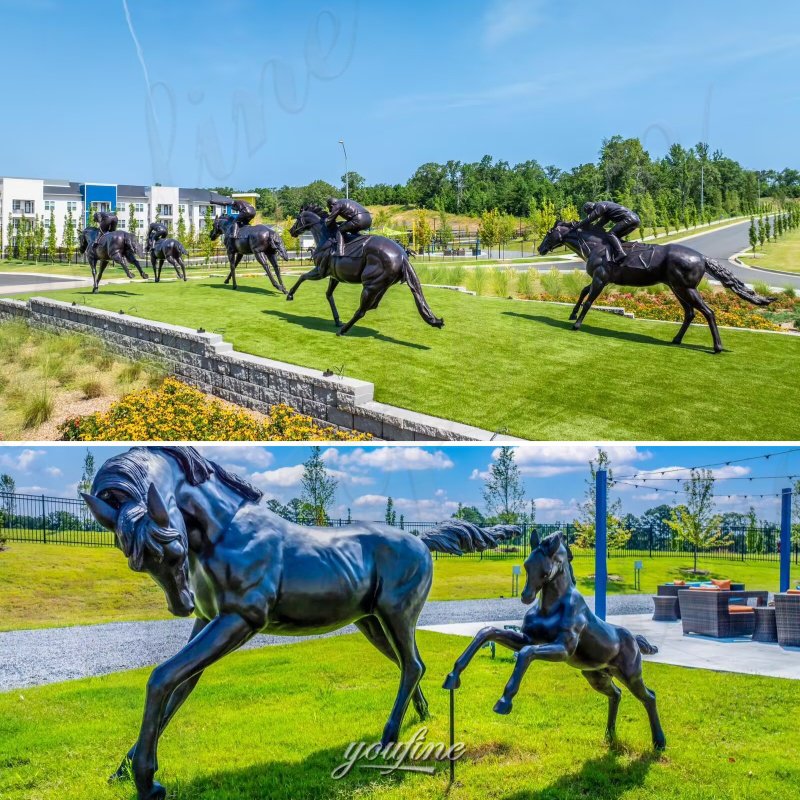
For many buyers, bronze sculptures represent more than just decorative objects. Because of their durability and artistic value, they are often considered a long-term investment in art and design.
Unlike temporary decorative items, a well-crafted bronze sculpture can remain in excellent condition for decades or even centuries.
This makes bronze sculptures particularly appealing for:
- permanent landscape design
- heritage projects
- architectural decoration
- public installations
Even if the financial value does not increase significantly, the artistic and cultural value of a bronze sculpture often grows over time.
How to Choose a High-Quality Bronze Sculpture
If you are planning to purchase a bronze sculpture, it is important to evaluate several key aspects to ensure you are getting a high-quality piece.
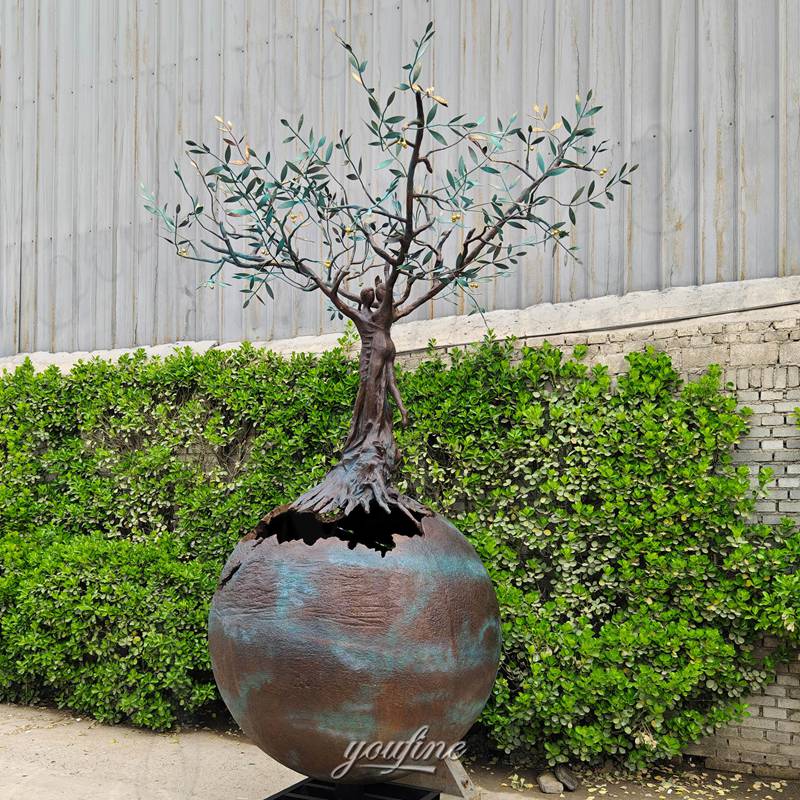
- Check the Casting Method: Look for sculptures produced using lost-wax casting, which is widely regarded as the best technique for achieving fine detail and long-lasting quality.
- Examine Surface Finishing: A good bronze sculpture should have smooth surfaces, clear details, and evenly applied patina coloring.
- Observe the Details: High-quality sculptures show sharp textures and balanced proportions, while lower-quality pieces may appear rough or unfinished.
Work with an Experienced Sculpture Manufacturer: Choosing a reputable sculpture manufacturer ensures better craftsmanship, reliable materials, and professional production processes.
Conclusion
So, are bronze sculptures worth anything? The answer is undoubtedly yes.
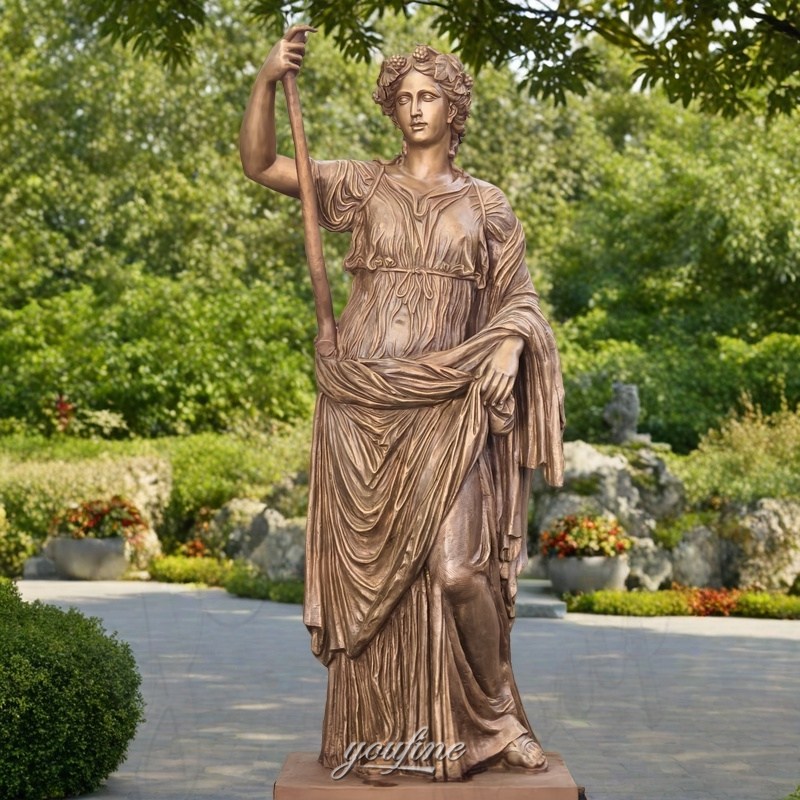
Bronze sculptures are valuable because they combine premium materials, skilled craftsmanship, and exceptional durability. Unlike many decorative objects that wear out over time, a well-made bronze statue can last for generations while maintaining its beauty and structural integrity.
For gardens, homes, and public spaces, bronze sculptures offer a timeless artistic presence that few other materials can match.
Whether you are looking for a decorative garden statue, a memorial monument, or a custom-designed artwork, investing in a high-quality bronze sculpture can provide lasting value and aesthetic appeal for many years to come.
Why Choose YouFine Bronze Sculpture
Choosing the right manufacturer is essential when investing in a bronze sculpture. At YouFine Sculpture Factory, we combine traditional craftsmanship with professional production standards to create durable and artistic bronze statues.
- Experienced Craftsmen: Our skilled artists and craftsmen have years of experience in sculpture modeling, casting, and finishing, ensuring each piece has accurate proportions and fine details.
- Traditional Lost-Wax Casting: We use the traditional lost-wax casting technique, which allows us to reproduce intricate details and create strong, long-lasting bronze sculptures.
- High-Quality Materials: We use premium bronze alloys that are durable and suitable for both indoor and outdoor environments, ensuring the sculpture maintains its beauty for many years.
- Custom Design Services: YouFine offers custom sculpture services, allowing clients to create unique bronze artworks based on their ideas, themes, or project requirements.
- Reliable Production and Shipping: With strict quality control and professional international shipping experience, we ensure every sculpture is safely delivered and ready for installation.
With skilled craftsmanship, quality materials, and dedicated service, YouFine is committed to creating bronze sculptures that offer lasting beauty and value.