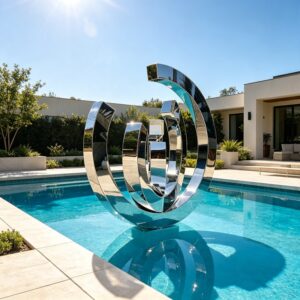
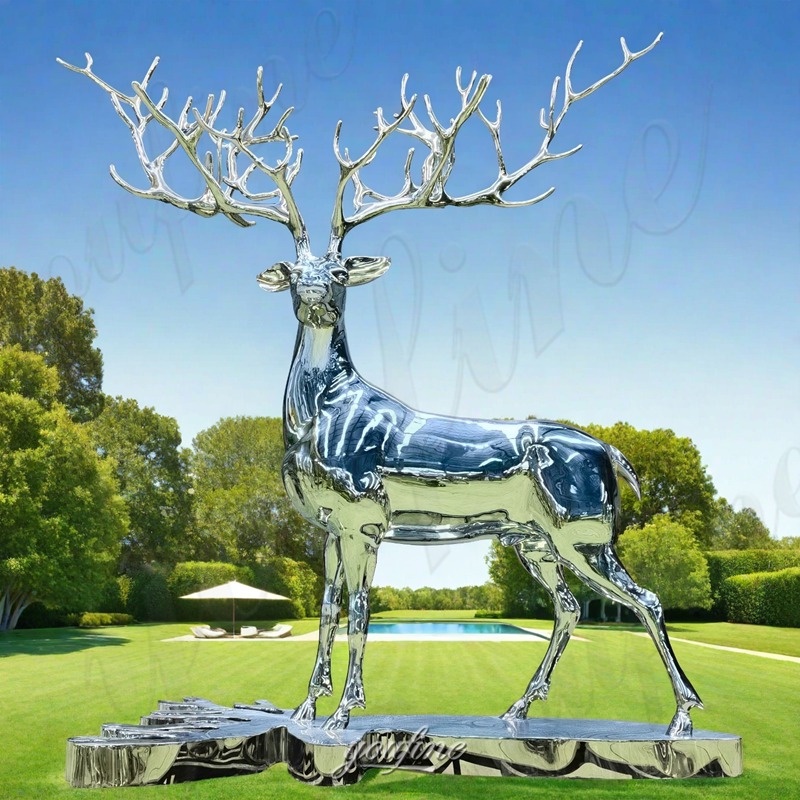
Stainless steel sculptures have become increasingly popular in modern architecture, landscape design, and public art installations. From city plazas and commercial complexes to private gardens and luxury hotels, stainless steel sculptures are widely admired for their sleek appearance, contemporary aesthetic, and exceptional durability.
Unlike many traditional materials, stainless steel offers a unique combination of strength, corrosion resistance, and long-term stability. This makes it an ideal choice for large outdoor artworks and architectural sculptures that must withstand changing weather conditions for decades.
A common question people ask before investing in a metal sculpture is: How long can stainless steel sculptures actually last?
Generally speaking, stainless steel has a lifespan of 50 to 200 years. However, the lifespan of a stainless steel sculpture is not determined by the material alone. Factors such as the grade of stainless steel, environmental conditions, fabrication quality, surface finishing, and maintenance practices all play important roles.
In this article, we will explore how long stainless steel sculptures can last, what factors influence their durability, and how proper care can extend their lifespan even further.

Average Lifespan of Stainless Steel Sculptures
Typical Service Life of Stainless Steel Sculptures
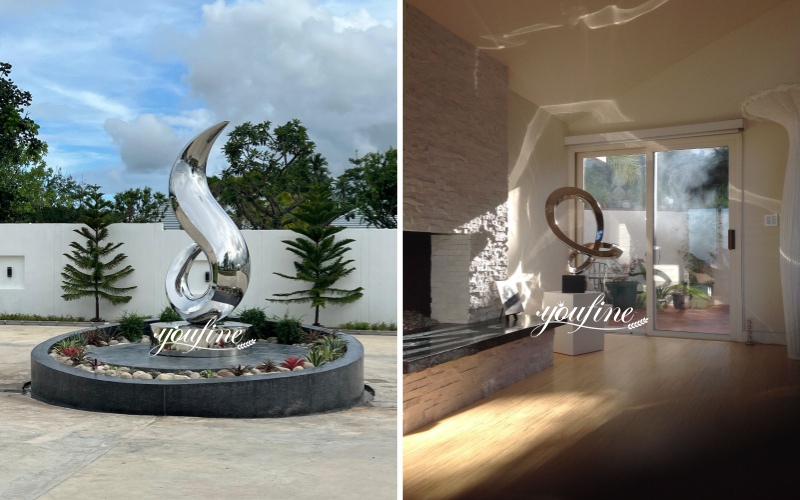
In most cases, high-quality stainless steel sculptures can last between 50 and 100 years when placed outdoors. This estimate assumes that the sculpture is made from durable stainless steel grades and is properly fabricated and installed.
In indoor environments, stainless steel sculptures can last even longer. Because they are protected from rain, humidity fluctuations, and air pollution, indoor stainless steel artworks may remain intact for over 100 years with minimal maintenance.
Compared with many modern sculptural materials such as resin or fiberglass, stainless steel offers a significantly longer lifespan. It is highly resistant to corrosion and structural damage, which allows sculptures to maintain their appearance and integrity for decades.
For this reason, stainless steel is widely used in public art projects, architectural decorations, urban landmarks, and large outdoor sculptures.
Indoor vs Outdoor Lifespan
Indoor Stainless Steel Sculptures
Indoor sculptures benefit from a stable environment. They are typically protected from extreme temperature changes, rainfall, ultraviolet radiation, and pollution.
As a result, indoor stainless steel sculptures may last well over a century, especially if occasional cleaning and care are provided. Museums, galleries, and commercial buildings often use stainless steel artworks because they maintain their appearance with minimal upkeep.
Outdoor Stainless Steel Sculptures
Outdoor sculptures face more challenging conditions. Exposure to rain, humidity, wind, dust, and sunlight can gradually affect the surface of the metal.
However, stainless steel remains highly resistant to environmental damage. Even in outdoor settings, a properly designed sculpture can last for many decades without significant structural deterioration.
In many cities around the world, stainless steel sculptures installed decades ago still maintain their original appearance.
Lifespan Compared to Other Sculpture Materials
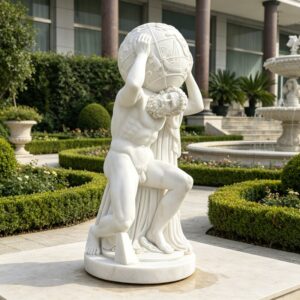
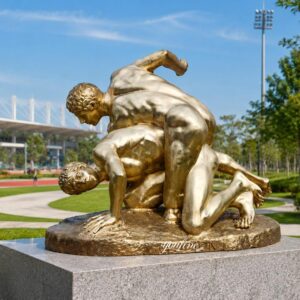
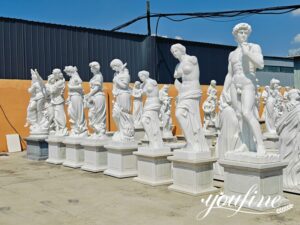
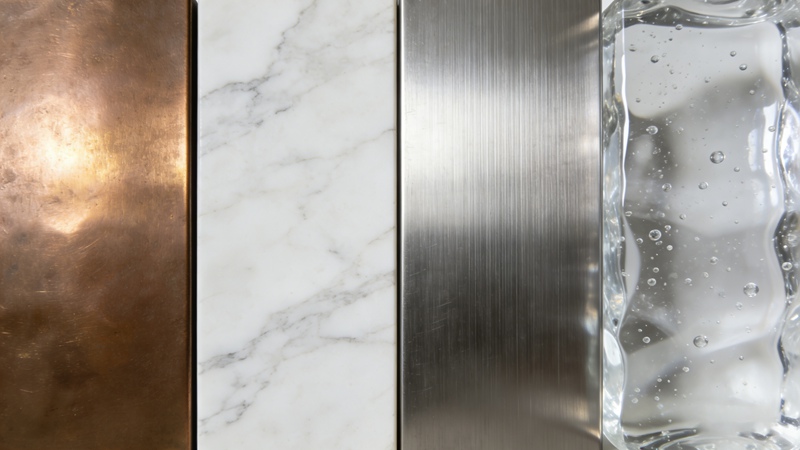
Different materials used in sculpture have very different lifespans. While marble and bronze sculptures can last for centuries, stainless steel offers a balance of durability, modern appearance, and lower maintenance requirements. This makes it particularly attractive for contemporary sculptures and architectural installations.
Material | Average Lifespan |
Marble | 50 – 100+ years |
Bronze | 500 – 2000+ years |
Stainless Steel | 50-200 + years |
Resin | 10 – 30 years |
You could learn more: How Long Does a Sculpture Last?
Why Stainless Steel Sculptures Last So Long
The Protective Chromium Oxide Layer
One of the most important reasons stainless steel is so durable is its ability to form a protective layer on its surface.
Stainless steel contains chromium, a chemical element that reacts with oxygen in the air to form a thin layer known as chromium oxide. This invisible film acts as a protective barrier that prevents moisture and oxygen from reaching the metal underneath.
Even if the surface becomes scratched, the chromium oxide layer can automatically reform, restoring the protective barrier. This self-healing property is what gives stainless steel its remarkable resistance to corrosion.
Exceptional Structural Strength
Another advantage of stainless steel is its outstanding mechanical strength. Stainless steel has high tensile strength and can withstand significant pressure and impact without deforming.
This makes it especially suitable for large sculptures, including those installed in public spaces where they must remain structurally stable for many years.
Large-scale sculptures often use stainless steel frameworks or internal support structures to ensure long-term durability.
Excellent Weather Resistance
Stainless steel can withstand a wide range of environmental conditions, including:
- Heavy rain
- Snow and frost
- Strong sunlight
- Temperature fluctuations
- Wind and airborne particles
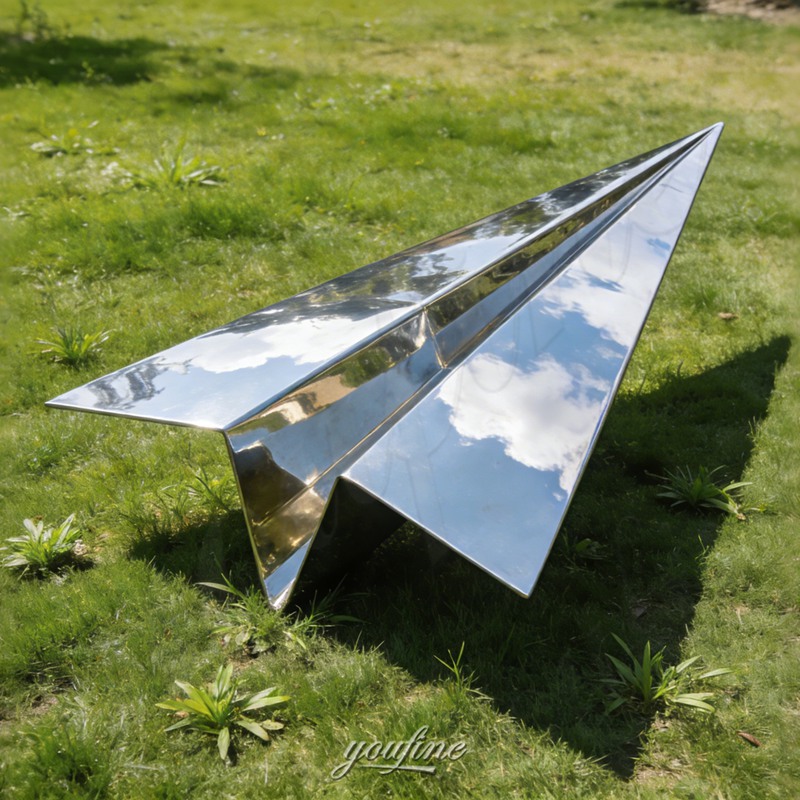
Because of its excellent weather resistance, stainless steel is commonly used for outdoor sculptures, urban landmarks, and architectural installations.
Key Factors That Affect the Lifespan of Stainless Steel Sculptures
Although stainless steel is highly durable, several factors can influence how long a sculpture will last.
Stainless Steel Grade
Not all stainless steel is the same. Different grades of stainless steel offer different levels of corrosion resistance.
201 Stainless Steel: 201 stainless steel is a more economical material. While it still offers some corrosion resistance, it is generally less durable than higher-grade stainless steels. This material is often used for indoor sculptures or decorative pieces where environmental exposure is limited.
304 Stainless Steel: 304 stainless steel is the most commonly used material for sculptures. It offers a good balance of strength, durability, and corrosion resistance. Most outdoor stainless steel sculptures in cities and parks are made from 304 stainless steel.
316 Stainless Steel: 316 stainless steel contains an additional element called molybdenum. This improves its resistance to corrosion, particularly in environments with high salt content. Because of this, 316 stainless steel is often used for sculptures located in coastal cities or areas with high humidity.
Environmental Conditions
Environmental conditions play a major role in determining how long a stainless steel sculpture will last.
Coastal Environments: In coastal areas, salt carried by ocean air can accelerate corrosion on many metals. While stainless steel performs better than most materials, sculptures near the sea often require higher-grade stainless steel such as 316.
Industrial Areas: Cities with heavy industrial pollution may expose sculptures to acidic particles and chemicals in the air. Over long periods, these substances can affect the surface of metal sculptures.
Dry Inland Regions: Dry climates generally provide the best conditions for stainless steel sculptures. Low humidity and reduced environmental pollution allow sculptures to maintain their appearance for longer periods.
Fabrication and Craftsmanship
The quality of fabrication plays a significant role in the longevity of a stainless steel sculpture. Even with high-grade materials, poor craftsmanship can reduce durability and structural stability.
Important aspects include:
- Welding quality
- Structural engineering
- Material thickness
- Internal support structures
High-quality sculptures are typically produced using techniques such as laser cutting, precision welding, and careful surface polishing. Skilled craftsmanship helps ensure that the sculpture remains stable and visually appealing for decades.
Welding Methods: Spot Welding vs Full Welding
Welding is a critical part of stainless steel sculpture fabrication. There are generally two methods: spot welding and full welding.
Spot welding connects metal panels at certain points and is more cost-effective. However, small gaps may remain, which can allow rainwater to enter the sculpture over time.
Full welding seals the entire seam between metal sections, providing stronger joints and better protection against water penetration. This method helps prevent internal corrosion and improves long-term durability, although it requires more labor and higher production costs.
For large outdoor sculptures, full welding is usually considered the more durable and reliable option.
Surface Finishing
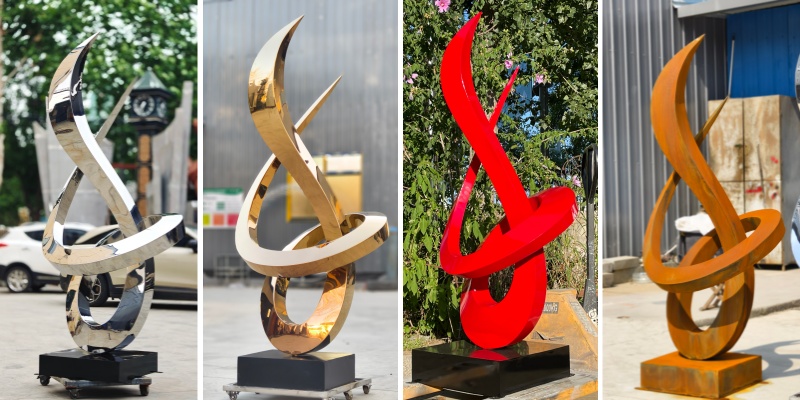
Surface treatment also affects durability. Many stainless steel sculptures receive specialized finishes to improve their appearance and resistance to environmental damage.
Common surface finishes include:
- Mirror polishing
- Brushed finish
- Sandblasted texture
- Protective coatings
These finishes help reduce dirt accumulation, enhance corrosion resistance, and improve the sculpture’s visual impact.
How to Extend the Lifespan of Stainless Steel Sculptures
Although stainless steel sculptures require relatively little maintenance, proper care can extend their lifespan significantly.
Choose the Right Material
Selecting the correct stainless steel grade is the first step toward ensuring long-term durability.
304 stainless steel works well in most urban environments
316 stainless steel is recommended for coastal regions
Professional Fabrication
Working with experienced sculpture manufacturers ensures that the sculpture is properly engineered and fabricated.
High-quality craftsmanship improves both the structural stability and visual appearance of the artwork.
Proper Installation
Installation plays an important role in durability. Sculptures should be installed on stable foundations that prevent movement or structural stress.
Designing proper drainage systems also helps prevent water accumulation around the sculpture.
Regular Cleaning
Regular cleaning helps maintain the appearance of stainless steel sculptures.
Recommended practices include:
- Cleaning the surface every three to six months
- Using mild, non-abrasive cleaning solutions
Avoiding harsh chemicals
These simple steps can keep the sculpture looking new for many years.

Are Stainless Steel Sculptures a Good Long-Term Investment?
Stainless steel sculptures offer many advantages for long-term installations.
They combine durability with modern design, making them suitable for a wide variety of environments.
Common installation locations include:
- Public parks
- City plazas
- Commercial buildings
- Luxury hotels
- Private gardens
Because they require minimal maintenance and remain visually appealing for decades, stainless steel sculptures are often considered a smart long-term investment for both artistic and architectural projects.

Conclusion
Stainless steel sculptures are among the most durable forms of modern sculpture. In most outdoor environments, a well-made stainless steel sculpture can last between 50 and 100 years, and in indoor settings, its lifespan may extend well beyond a century.
The longevity of a sculpture depends on several factors, including the grade of stainless steel used, environmental conditions, fabrication quality, and maintenance practices.
Thanks to their corrosion resistance, structural strength, and contemporary aesthetic, stainless steel sculptures have become a preferred choice for architects, artists, and city planners around the world.
Whether placed in a public plaza, a commercial landscape, or a private garden, stainless steel sculptures can remain lasting works of art for generations to come.
FAQs
1. How long do stainless steel sculptures last outdoors?
Outdoor stainless steel sculptures typically last 50 to 100 years or more. Their lifespan depends on factors such as the grade of stainless steel, environmental conditions, fabrication quality, and maintenance practices. In favorable environments with proper care, stainless steel sculptures can last even longer.
2. Do stainless steel sculptures rust?
Stainless steel sculptures generally do not rust under normal conditions. Stainless steel contains chromium, which forms a protective oxide layer on the surface that prevents corrosion. However, in extreme environments such as coastal areas with high salt exposure, some surface corrosion may occur over time.
3. What is the best stainless steel for outdoor sculptures?
The most commonly used stainless steel grades for sculptures are 304 stainless steel and 316 stainless steel.
304 stainless steel is suitable for most outdoor environments.
316 stainless steel offers stronger corrosion resistance and is ideal for coastal or high-humidity areas.
4. Do stainless steel sculptures require maintenance?
Stainless steel sculptures are considered low-maintenance, but occasional cleaning is recommended. Washing the surface every few months with mild detergent and water can help remove dust, pollutants, and fingerprints, keeping the sculpture looking new.
5. Are stainless steel sculptures suitable for coastal environments?
Yes, stainless steel sculptures can be installed in coastal areas, but it is recommended to use 316 stainless steel, which has better resistance to salt corrosion. Regular cleaning can also help reduce salt buildup on the surface.
6. Are stainless steel sculptures better than bronze sculptures?
Both materials are highly durable and widely used in sculpture. Bronze sculptures are often associated with classical art and can last for centuries, while stainless steel sculptures offer a more modern aesthetic and require less maintenance. The choice usually depends on the artistic style and installation environment.
7. Why are stainless steel sculptures popular in modern public art?
Stainless steel sculptures are popular because they combine durability, modern appearance, and structural strength. Their reflective surfaces and contemporary design make them ideal for urban landmarks, parks, and architectural landscapes.
8. How Long Do Marble Statues Last?
Marble statues are known for their impressive longevity. When placed in stable environments and properly maintained, marble sculptures can last hundreds to even thousands of years. Many ancient marble statues from Greek and Roman civilizations have survived for over 2,000 years. However, marble used outdoors may gradually erode due to rain, pollution, and temperature changes.
9. How Long Does Bronze Statues Last?
Bronze statues are among the most durable types of sculptures. A well-made bronze sculpture can last several hundred years, and in some cases even longer. Bronze naturally develops a protective patina over time, which helps shield the metal from corrosion. With proper maintenance, bronze statues can remain stable and visually appealing for centuries.