Relief sculpture is one of the most fascinating and historically significant forms of sculptural art. From the walls of ancient temples to modern architectural decoration, relief carvings have been used for thousands of years to tell stories, preserve history, and enhance the beauty of buildings.
As someone who has worked in the sculpture industry for more than ten years, I have seen how relief sculptures continue to play an important role in both traditional art and contemporary architectural design. Many clients are familiar with statues or freestanding sculptures, but fewer people fully understand what relief sculpture is and how it differs from other types of sculpture.
At YouFine, our team has been producing sculptures for over 40 years. Our factory is located in Quyang, Hebei Province, which is widely known as China’s “hometown of sculpture.” With generations of master craftsmen and one of the most advanced marble carving traditions in the world, we have created countless relief sculptures for gardens, monuments, architecture, and public art projects.
In this guide, I will explain what relief sculpture is, explore its different types, discuss the materials and techniques used to create it, and share some famous examples that have influenced art and architecture throughout history.
What Is a Relief Sculpture?
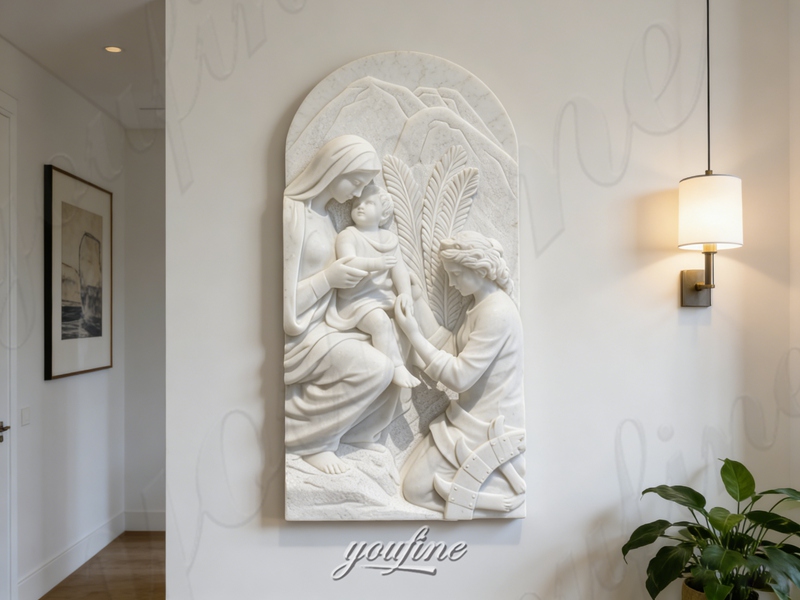
A relief sculpture is a type of sculpture in which the figures are carved or modeled so that they remain attached to a flat background surface. Unlike sculptures in the round—which can be viewed from every angle—relief sculptures are designed primarily to be viewed from the front.
Although the sculpture is connected to a background, the artist creates depth and three-dimensional form by carving or modeling the figures so they project outward from the surface.
In many ways, relief sculpture sits between painting and sculpture. Like painting, it is often displayed on walls or architectural surfaces. But like sculpture, it has volume, texture, and physical depth.
Throughout history, relief sculptures have been used to depict religious scenes, historical events, mythological stories, and decorative motifs. Because they are attached to a surface, they are especially suitable for decorating buildings, monuments, and memorial structures.
Even today, relief sculptures are widely used in architectural design, luxury residences, landscape projects, and cultural landmarks.
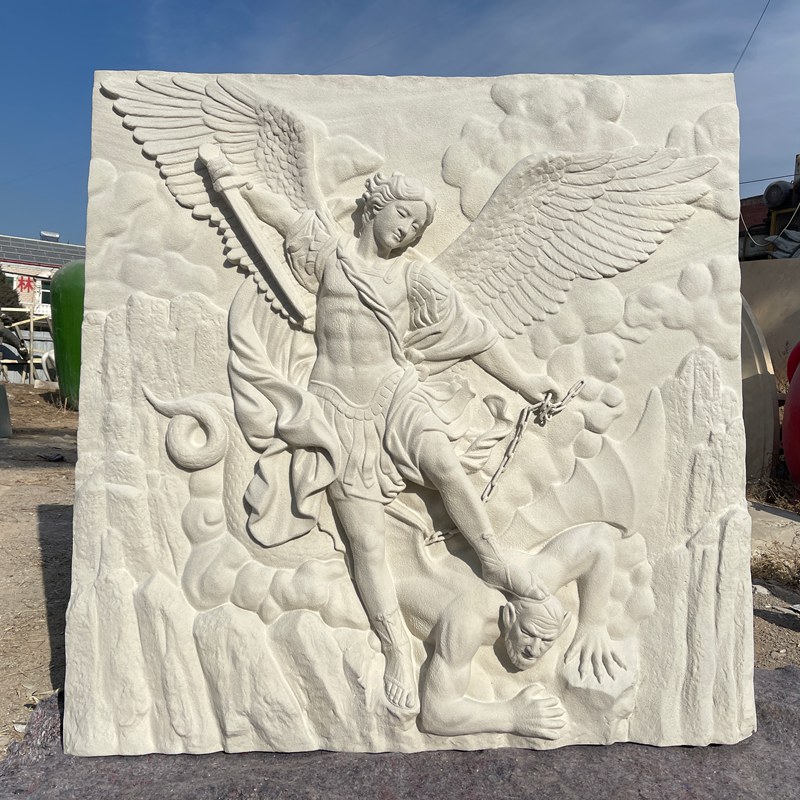
The Main Types of Relief Sculpture
Relief sculptures are generally classified based on how far the figures project from the background surface. Different depths create different visual effects and artistic styles.
The four most common types are low relief, high relief, sunken relief, and mid-relief.
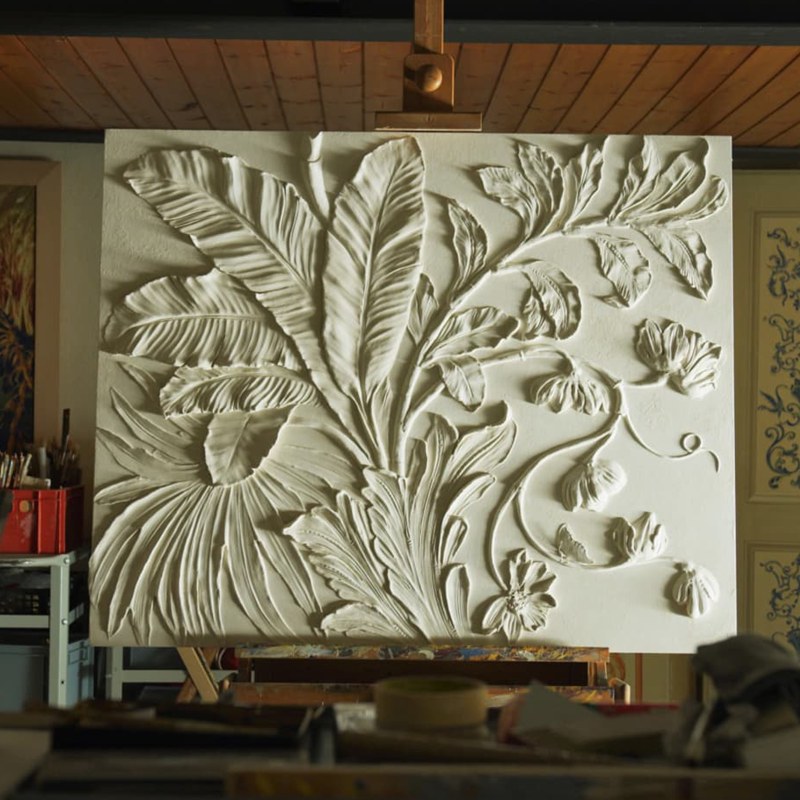
Low Relief (Bas-Relief)
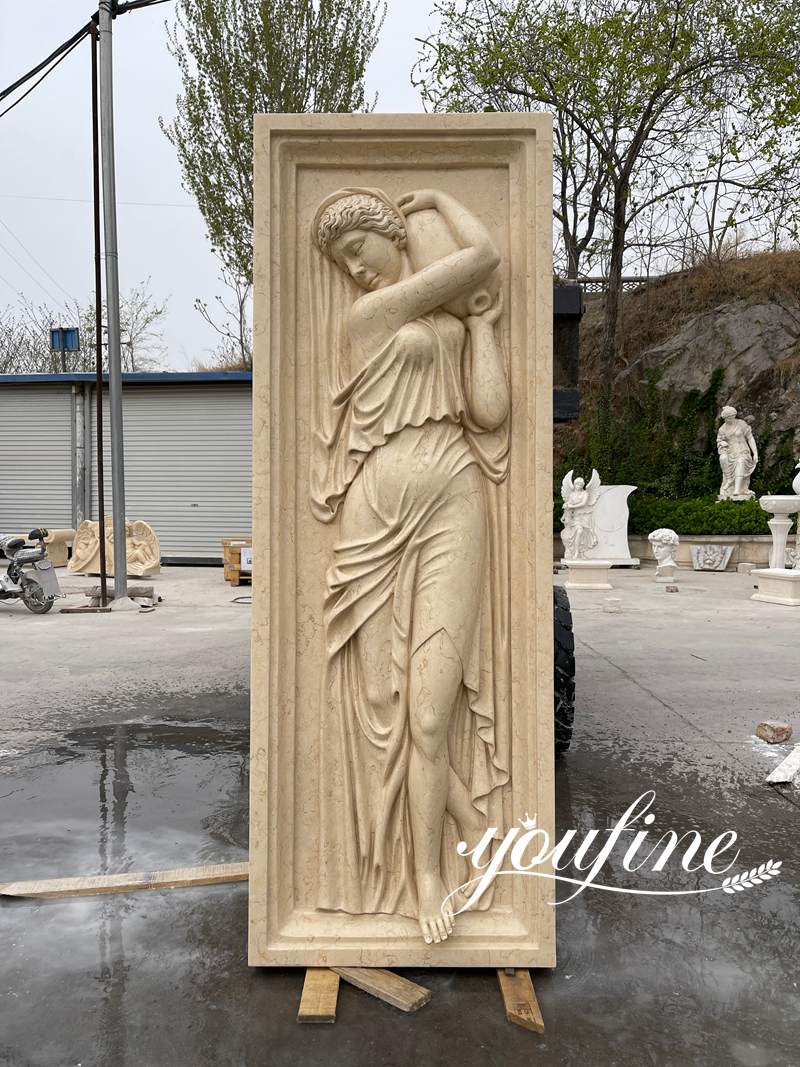
Low relief, also called bas-relief, is the most subtle form of relief sculpture. In this technique, the figures project only slightly from the background surface.
The depth is usually shallow, and the design appears gently raised rather than strongly three-dimensional. Because of this, bas-relief sculptures often resemble detailed drawings carved into stone.
Low relief has been widely used throughout history in architectural decoration, coins, and friezes.
Some common characteristics include:
- Minimal projection from the background
- Smooth transitions between surfaces
- Strong emphasis on lines and surface details
- Ideal for storytelling scenes
Many classical temples and government buildings feature bas-relief panels that illustrate historical narratives.
In our projects at YouFine, low relief sculptures are often used for decorative wall panels in villas, garden landscapes, and memorial monuments.
High Relief (Alto-Relief)
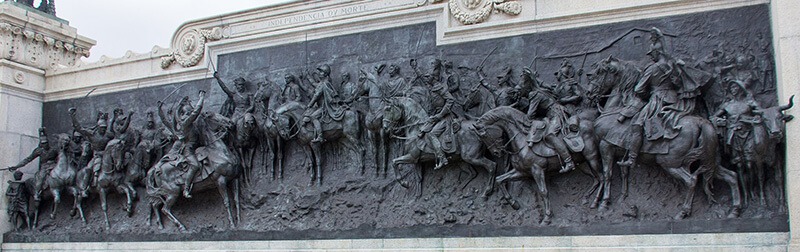
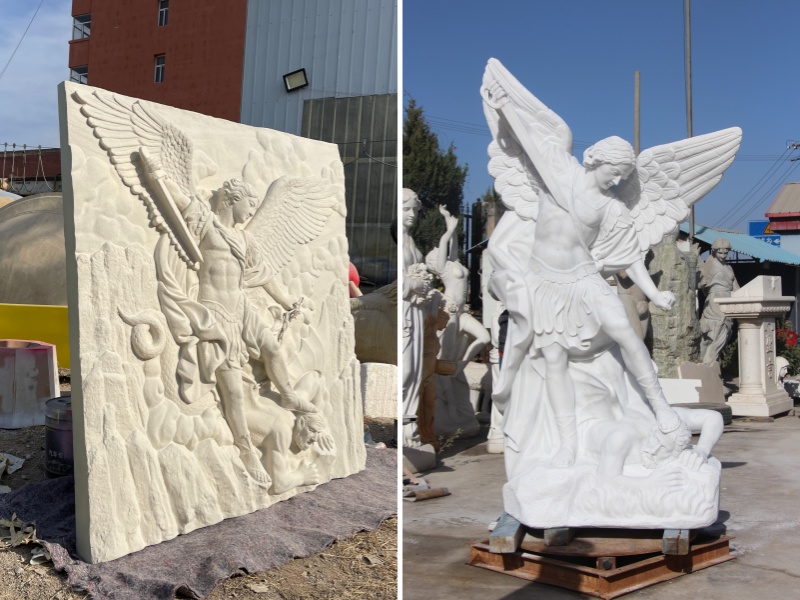
High relief, or alto-relief, is much more dramatic. In this technique, the figures project deeply from the background surface.
In many cases, more than half of the figure’s depth is visible, and some parts may almost appear completely detached from the background.
This creates strong shadows and a powerful three-dimensional effect.
High relief sculptures are often used for monumental artworks and architectural highlights.
Typical characteristics include:
- Deep carving with significant projection
- Strong sense of volume and realism
- Dramatic light and shadow effects
- More complex carving techniques
Because high relief sculptures require deeper carving and more structural planning, they are generally more challenging and time-consuming to create.
In large architectural projects, high relief sculptures are often used as focal points that draw attention and create visual impact.
Sunken Relief
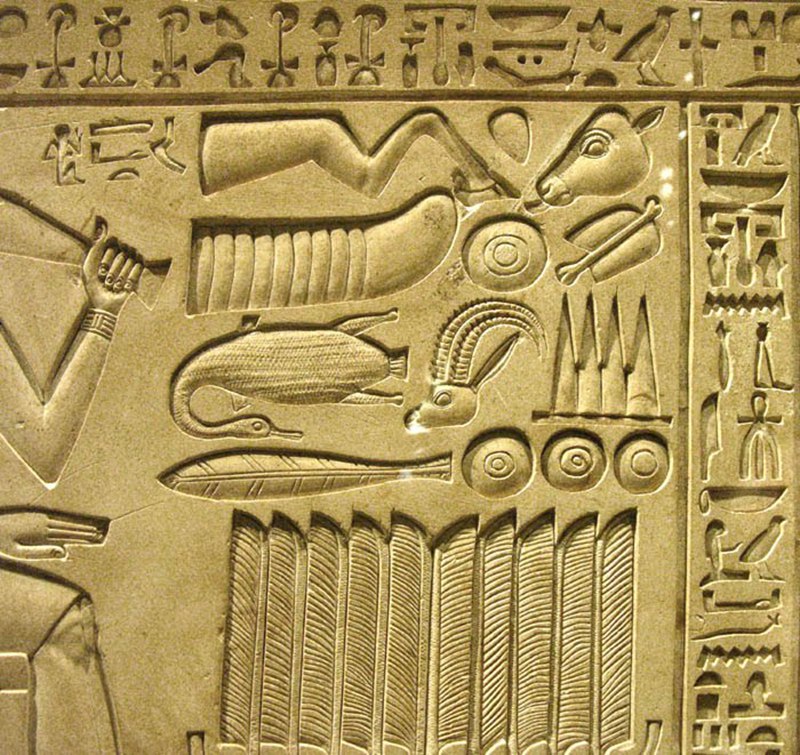
Sunken relief is quite different from the other two types. Instead of projecting outward from the surface, the design is carved into the material.
The outlines of the figures are cut into the surface, and the shapes are sculpted within these boundaries.
Sunken relief was particularly popular in ancient Egyptian art. It can be seen in many temple walls and historical monuments.
One advantage of sunken relief is its durability. Because the figures are recessed rather than raised, they are less likely to be damaged by erosion or weather.
Additionally, sunlight creates shadows inside the carved lines, making the images easier to see even in bright outdoor environments.
A famous example can be found at the Temple of Karnak, where temple walls are covered with intricate carved scenes.
Mid-Relief (Mezzo-Relief)
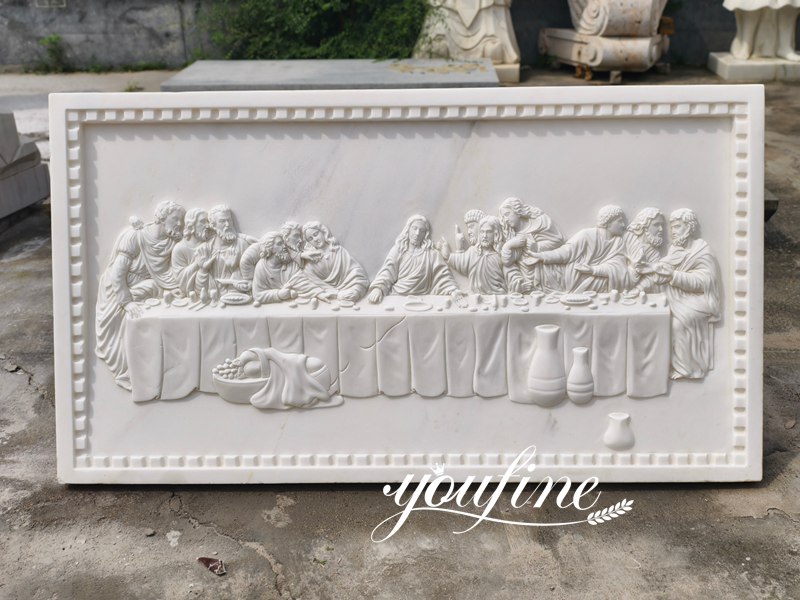
Mid-relief sits between low relief and high relief in terms of depth. The figures project moderately from the background, creating a balanced visual effect.
Although it is less commonly discussed than the other types, mid-relief is frequently used in architectural panels and decorative artworks.
This technique allows artists to achieve greater depth than bas-relief while maintaining structural stability.
Relief Sculpture vs Sculpture in the Round
Many people confuse relief sculpture with traditional statues, but the two forms are quite different.
A sculpture in the round is fully three-dimensional and freestanding. It can be viewed from every angle.
Relief sculpture, however, remains attached to a background surface and is usually designed to be viewed from the front.
Here is a simple comparison:
Feature | Relief Sculpture | Sculpture in the Round |
Structure | Attached to background | Freestanding |
Viewing angle | Primarily frontal | 360-degree viewing |
Depth | Limited depth | Full three-dimensional form |
Common uses | Walls, architecture | Statues and monuments |
Both types have their own artistic value, but relief sculpture is particularly suitable for architectural decoration and storytelling compositions.
Materials Used in Relief Sculpture
Over the centuries, artists have used a wide variety of materials to create relief sculptures.
Some of the most common materials include:
Marble
Marble is one of the most popular materials for relief sculpture because of its fine texture and elegant appearance.
It allows sculptors to create delicate details and smooth surfaces.
In Quyang, where our factory is located, marble carving has been practiced for hundreds of years. Local craftsmen have developed advanced techniques that allow extremely precise and detailed relief carvings.
Bronze
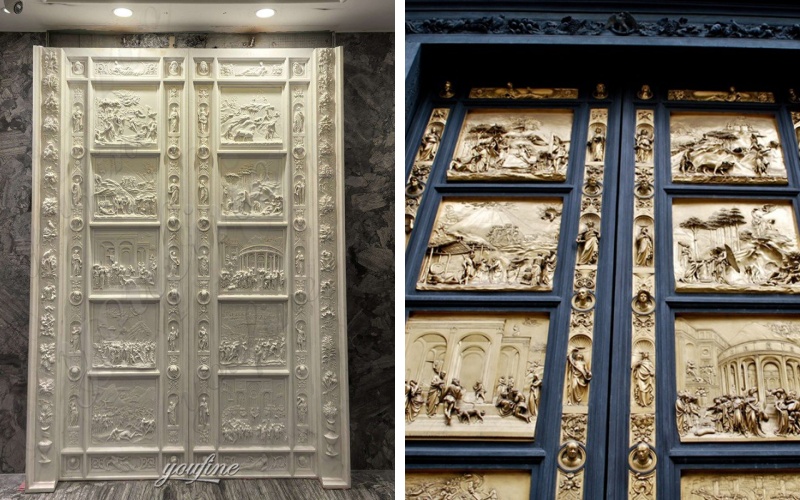
Bronze relief sculptures are created through casting rather than carving.
Bronze panels are often used for memorial plaques, historical monuments, and architectural decorations.
Stone
Granite, limestone, and sandstone are also widely used materials. These stones are extremely durable and suitable for outdoor environments.
How Relief Sculptures Are Made
Creating a relief sculpture requires both artistic skill and technical precision. The process usually involves several stages.
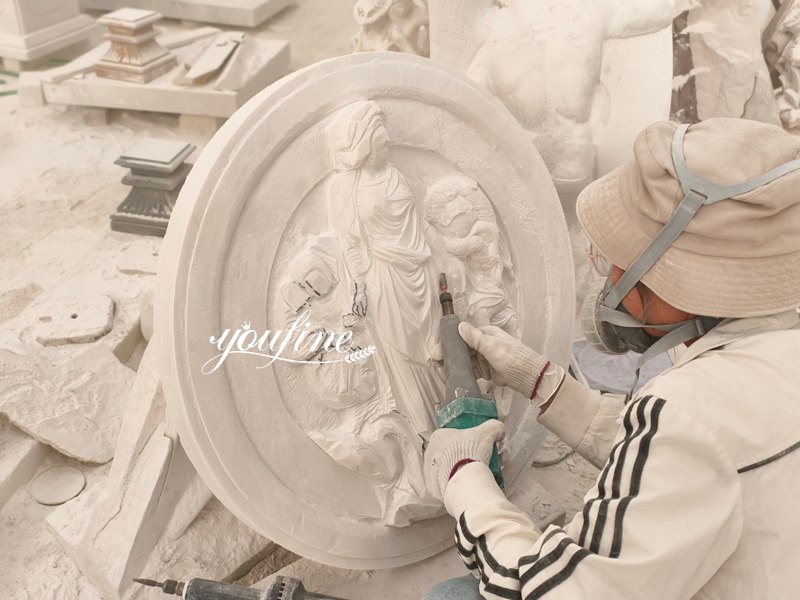
- Designing the Artwork: The sculptor first develops sketches or digital drawings to plan the composition.
- Preparing the Material: The stone or other material is cut and prepared to create a flat working surface.
- Transferring the Design: The design is transferred onto the surface using drawing techniques or templates.
- Rough Carving: The background material is gradually removed to establish the depth of the sculpture.
- Detailed Carving: The sculptor refines the shapes, adds textures, and defines the details.
- Finishing: The final stage includes polishing, sanding, or surface treatment to achieve the desired appearance.
Depending on the size and complexity of the design, the entire process can take anywhere from several days to several months.
Famous Relief Sculptures in History
Relief sculptures appear in many of the world’s most famous architectural monuments.
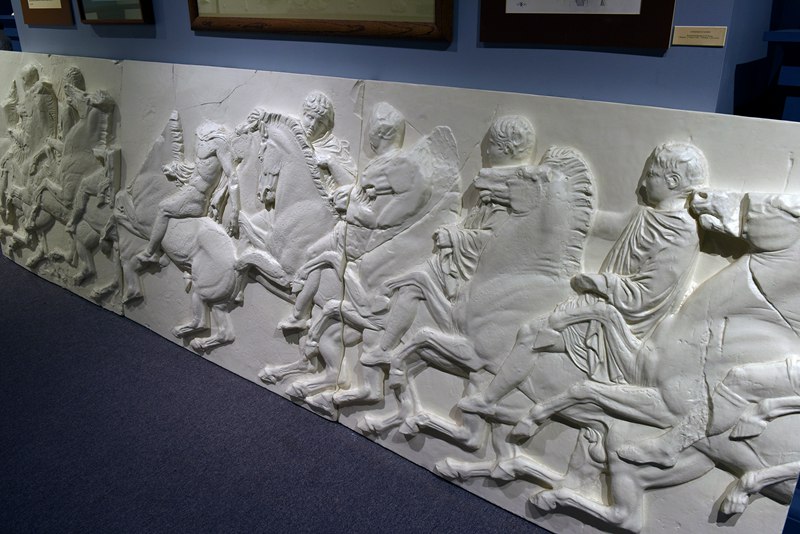
One well-known example is the marble frieze of the Parthenon, located in Athens. These relief panels depict a ceremonial procession and demonstrate extraordinary craftsmanship.
Another iconic work is the massive carving at the Mount Rushmore National Memorial, where the faces of four U.S. presidents are carved into a mountain in dramatic high relief.
In ancient Rome, relief sculptures were widely used on triumphal arches, including the Arch of Titus, which features detailed carvings depicting historical events.
These works illustrate how relief sculpture has been used not only for decoration but also for preserving historical narratives.
Why Relief Sculpture Remains Popular Today
Even in modern architecture and landscape design, relief sculptures continue to be widely used.
There are several reasons for their lasting popularity.
First, relief sculptures integrate naturally with architecture. They can transform plain walls into artistic focal points.
Second, they are ideal for storytelling. A single panel can contain complex scenes and multiple figures.
Third, they are structurally durable because they remain attached to a solid base.
Finally, relief sculpture offers a unique balance between two-dimensional art and three-dimensional sculpture.
Our Experience Creating Relief Sculptures
Having worked in the sculpture industry for over a decade, I have seen how relief sculptures can transform a space.
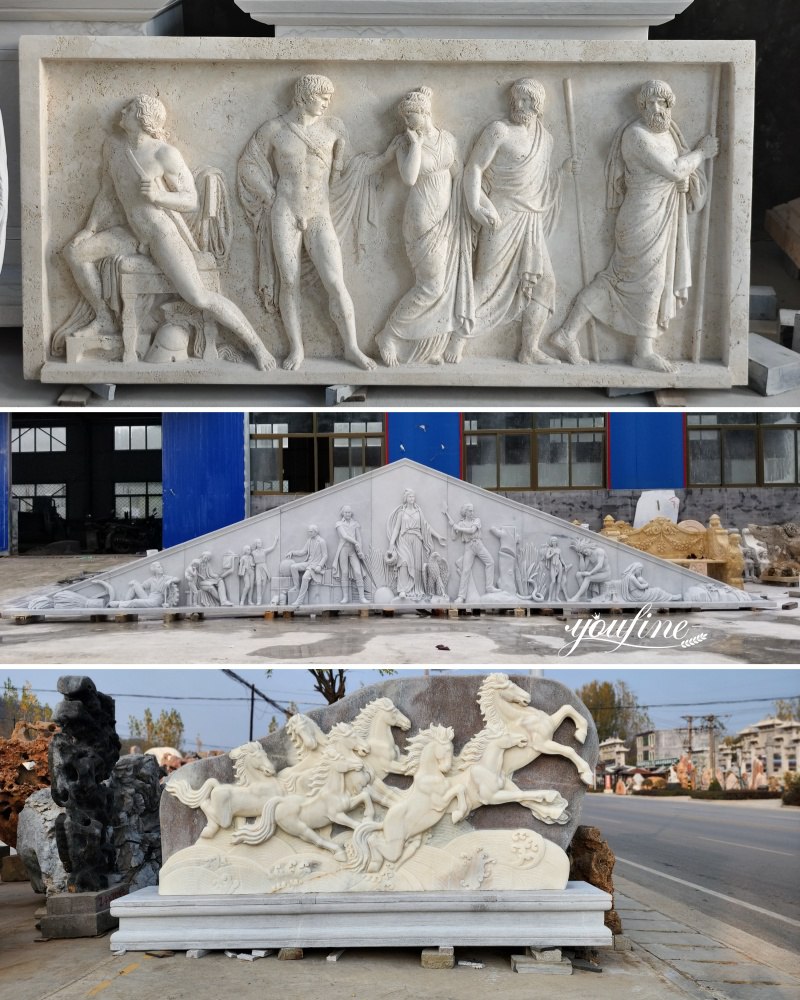
At YouFine, we collaborate with architects, designers, and collectors from around the world to create custom relief sculptures for villas, gardens, hotels, and public spaces.
Our factory in Quyang benefits from a long tradition of master craftsmen and advanced marble carving techniques. Combined with modern technology and strict quality control, this allows us to produce highly detailed relief sculptures that meet international standards.
Many of our projects involve custom designs, where clients provide architectural plans or concept sketches and our sculptors transform them into finished marble artworks.
This combination of traditional craftsmanship and modern production is one of the reasons relief sculpture remains such a powerful artistic medium today.
Conclusion
Relief sculpture is a timeless art form that combines the visual storytelling of painting with the depth and texture of sculpture.
From ancient temples and historical monuments to modern architectural decoration, relief sculptures have played an essential role in artistic expression for thousands of years.
Whether created in low relief, high relief, or sunken relief, these works continue to capture history, culture, and imagination in stone, metal, and other materials.
And with centuries of carving tradition in places like Quyang, this remarkable art form will continue to inspire future generations.