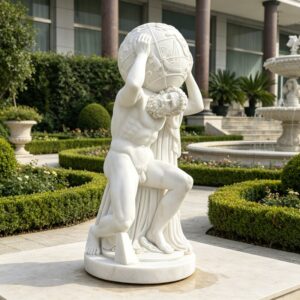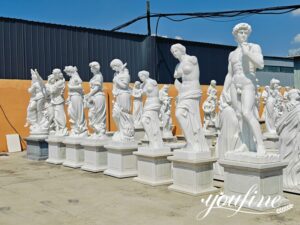
Guardian statues have been used for thousands of years to symbolize protection, strength, and spiritual power. From ancient temples and royal palaces to modern gardens and luxury estates, these statues serve as both artistic decorations and symbolic protectors.
Across different cultures, guardian statues often stand at entrances, gates, pathways, or important buildings. Their purpose is not only decorative but also symbolic — they are believed to protect the space, ward off negative energy, and represent authority or dignity.
In this article, we will explore the most popular types of guardian statues, their cultural meanings, and how to choose the perfect one for your property or landscape design.
The History of Guardian Statues
The tradition of placing statues as guardians dates back to ancient civilizations. Many cultures believed that statues could embody spiritual power or act as protectors of sacred spaces.
One of the most famous ancient guardian sculptures is the
Great Sphinx of Giza, a monumental sculpture built thousands of years ago to guard the pyramids and symbolize royal strength and wisdom.
Similarly, ancient China placed guardian lions at palace gates, while European cathedrals used gargoyles to protect religious buildings. Over time, these sculptures evolved into decorative features used in gardens, estates, hotels, parks, and public architecture.
Today, guardian statues remain popular for both their aesthetic beauty and their symbolic meaning.
7 Popular Types of Guardian Statues
1. Lion Guardian Statues
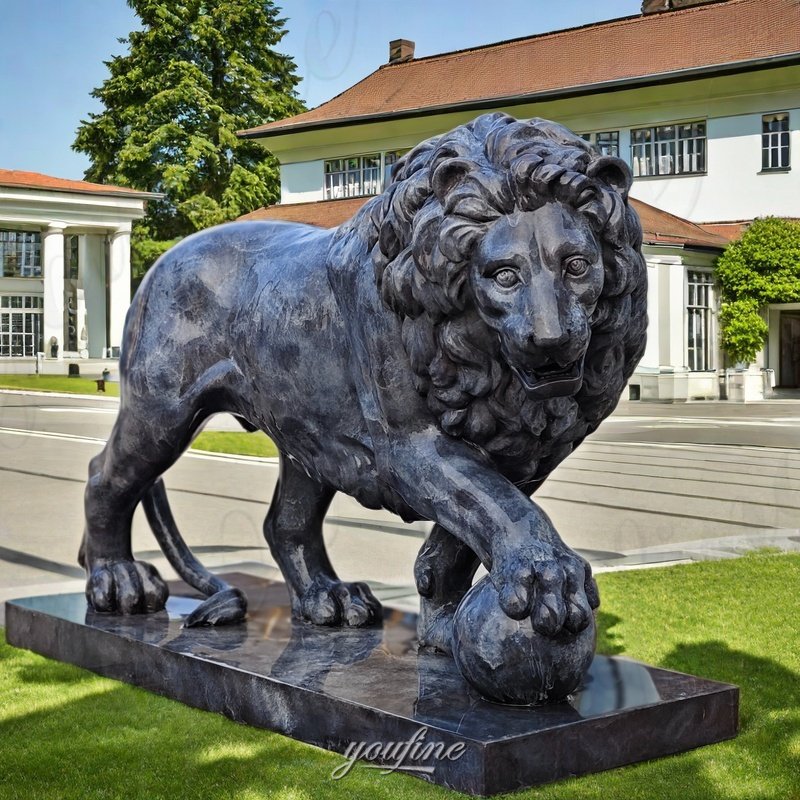
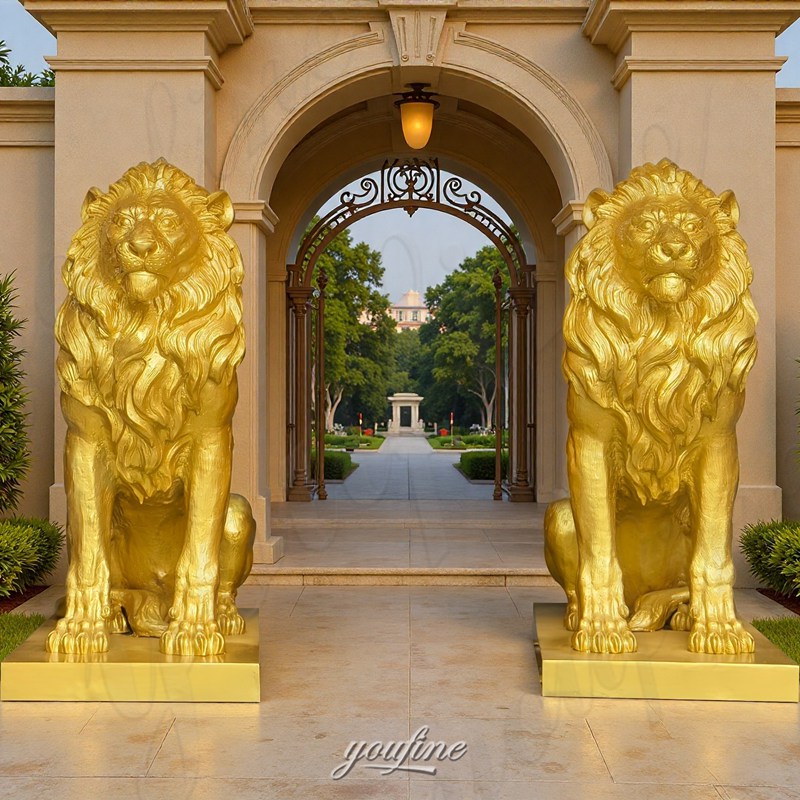
One of the most iconic guardian sculptures is the lion statue. Lions symbolize strength, authority, courage, and protection in many cultures.
In Chinese culture, traditional stone lions — often called Chinese Guardian Lions — are commonly placed at the entrances of temples, palaces, and government buildings.
These statues are usually displayed in pairs:
The male lion holds a ball under its paw, symbolizing power and authority.
The female lion protects a cub, representing nurturing and family protection.
Today, lion statues are widely used in:
- Mansion entrances
- Hotel gates
- Public buildings
- Garden pathways
Because of their powerful symbolism, lion statues are one of the most popular guardian sculptures worldwide.
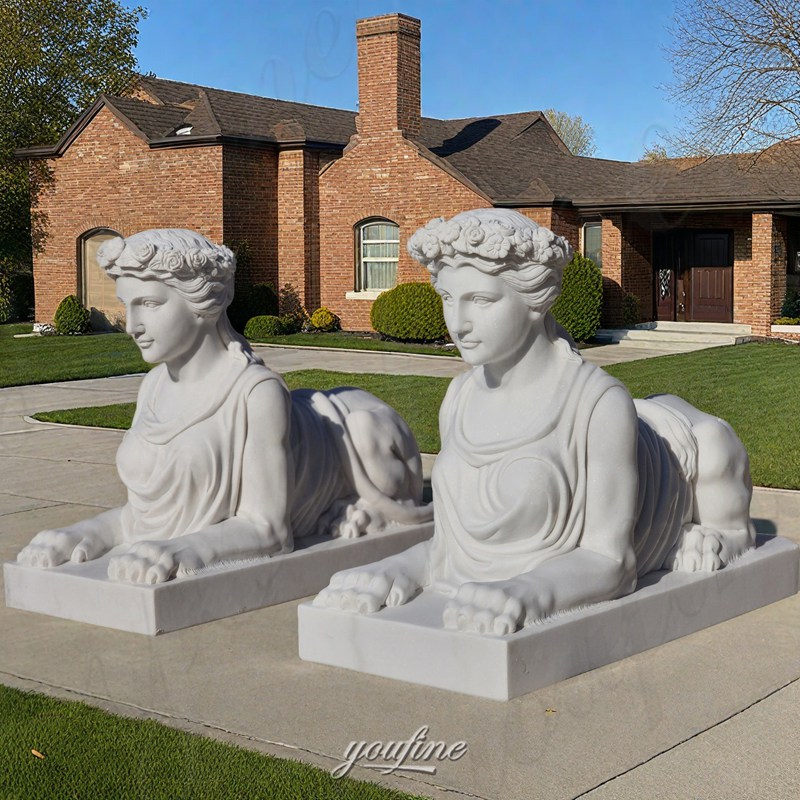
2. Sphinx Statues
Another legendary guardian figure is the Sphinx.
The sphinx combines the body of a lion with a human head and represents wisdom, mystery, and strength. In ancient Egypt, sphinx statues were often placed along temple avenues and royal pathways.
The most famous example is the Great Sphinx of Giza.
In modern landscaping, sphinx statues are frequently used to decorate:
- Estate entrances
- Long garden walkways
- Palace-style architecture
- Luxury resorts
Their elegant and mysterious appearance makes them a popular choice for classical garden design.
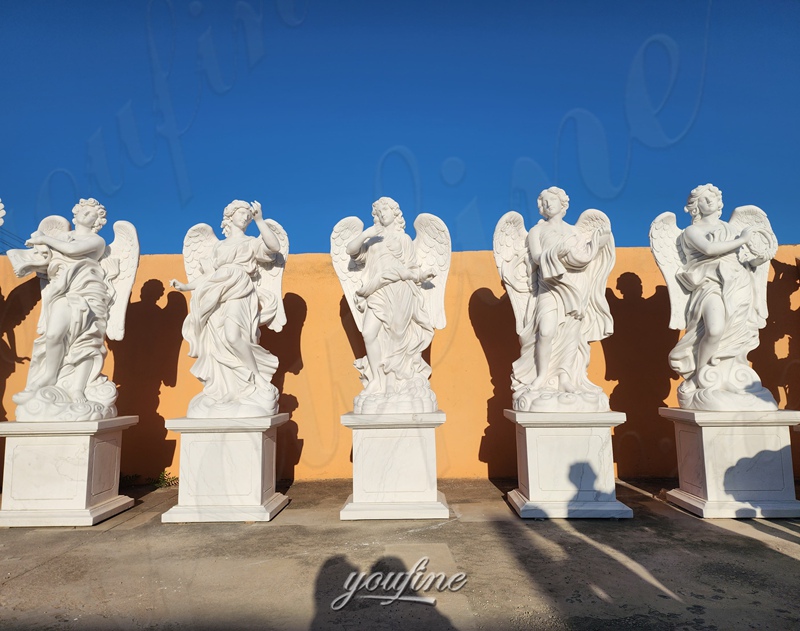
3. Angel Guardian Statues
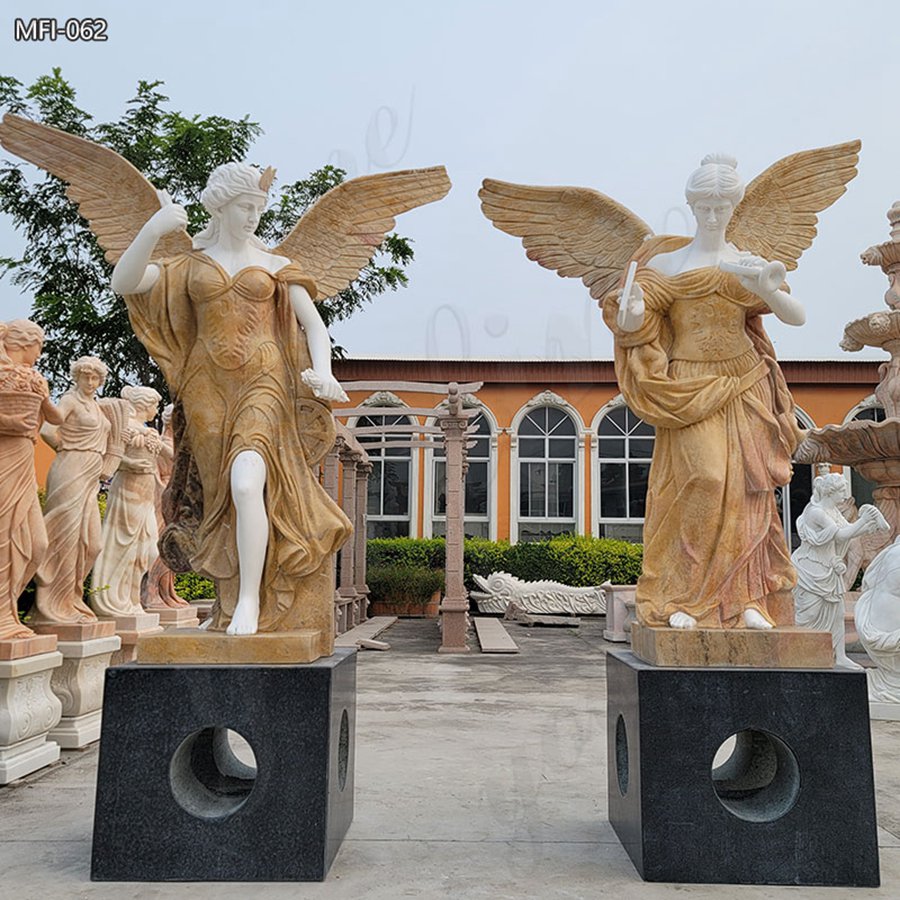
Angel statues represent divine protection and spiritual guidance. In Christian culture, angels are believed to watch over people and offer comfort and safety.
One of the most well-known angelic figures is Michael the Archangel, often depicted defeating evil forces.
Angel statues are commonly placed in:
- Gardens
- Memorial parks
- Cemeteries
- Church courtyards
These statues create a peaceful and sacred atmosphere, making them ideal for spaces meant for reflection and remembrance.
4. Gargoyle Statues
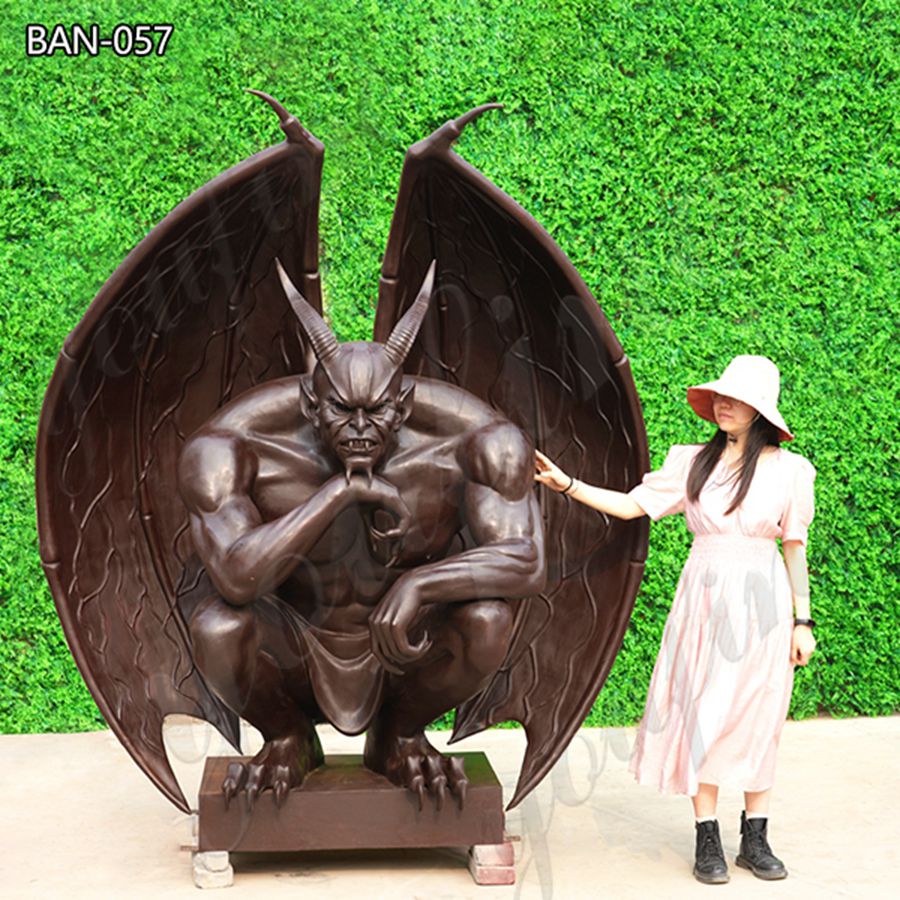
Gargoyles are dramatic and sometimes frightening sculptures traditionally found on medieval European buildings.
The term gargoyle originally referred to a carved stone creature used as a rainwater spout on Gothic cathedrals. Over time, they became symbolic guardians believed to scare away evil spirits.
Many famous gargoyles can be seen on the
Notre-Dame Cathedral in France.
Today, gargoyle statues are popular in:
- Gothic architecture
- Theme parks
- Fantasy gardens
- Castle-style buildings
Their bold and mysterious appearance adds character and historical charm to architectural spaces.
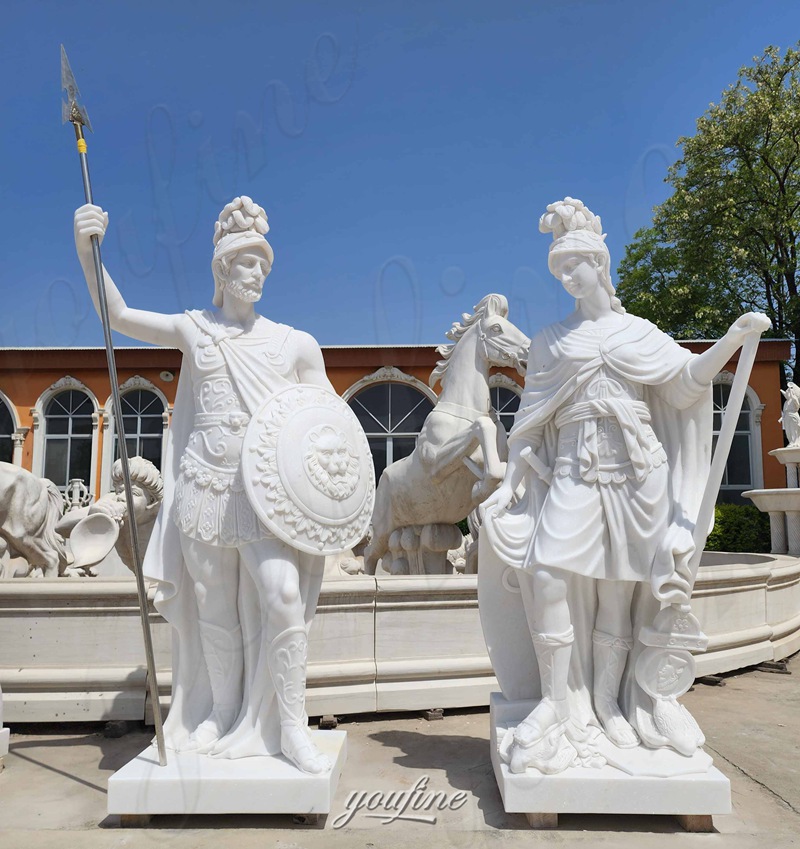
5. Warrior Statues
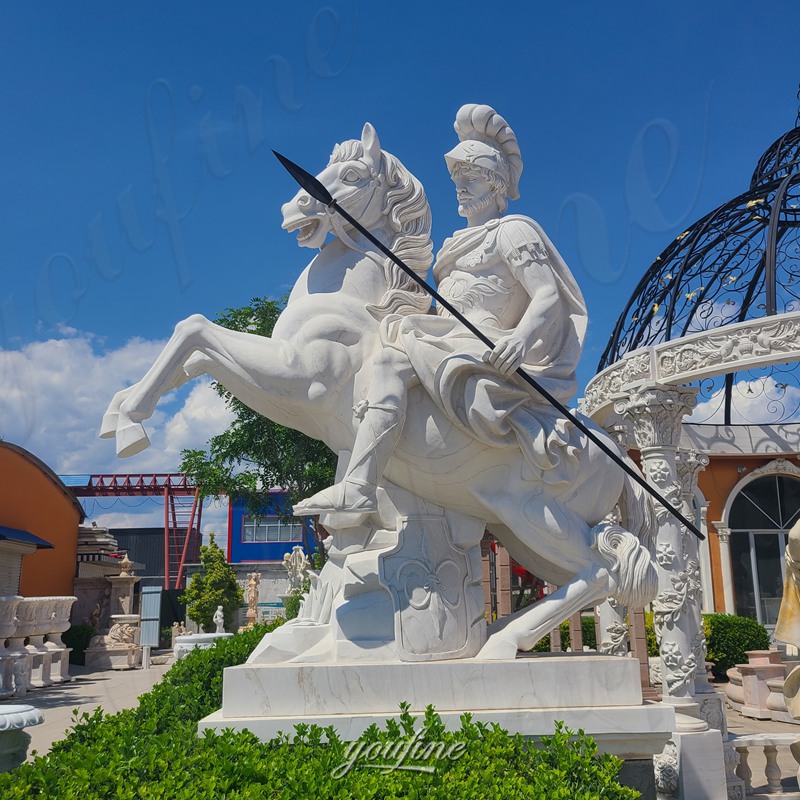
Warrior statues symbolize courage, loyalty, and protection. Throughout history, warriors have been honored as protectors of kingdoms and nations.
One of the most extraordinary examples of guardian warrior sculptures is the Terracotta Army in China. Thousands of life-sized soldiers were created to guard the tomb of an emperor.
Modern warrior statues are often used in:
- Memorial parks
- Military monuments
- Public squares
- Cultural heritage sites
These sculptures represent strength and honor while also serving as impressive works of art.
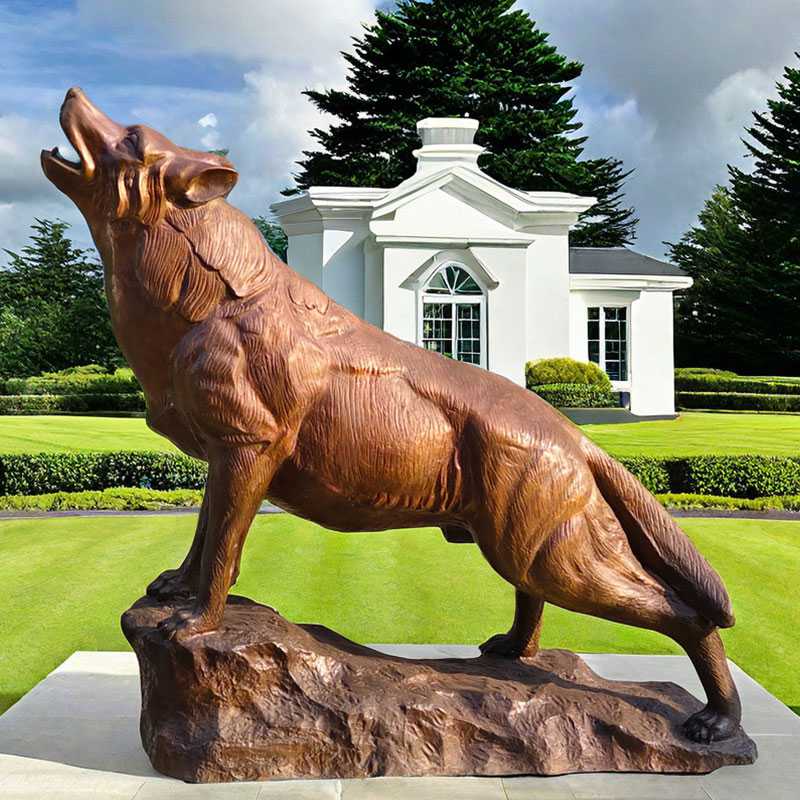
6. Animal Guardian Statues
Animals have long been associated with protection and symbolism. Many cultures use animal statues as guardians of property and sacred places.
Common guardian animals include:
Lions – power and authority
Eagles – freedom and vigilance
Wolves – loyalty and courage
Dogs – protection and companionship
For example, the
Eagle is frequently used in monuments and government buildings to represent vigilance and national pride.
Animal guardian statues are popular in both traditional and contemporary landscape designs.
7. Mythological Guardian Figures
Many mythological characters are believed to have protective powers. These statues often appear in religious or cultural architecture.
For instance, Ganesha is widely revered as a remover of obstacles and a protector of homes and businesses.
Similarly, Athena symbolizes wisdom, strategy, and protection.
Mythological guardian statues are especially popular in:
- Temples
- Cultural parks
- Spiritual gardens
- Museums
They add both cultural significance and artistic beauty to a space.

Where to Place Guardian Statues
Guardian statues are typically positioned in locations where protection and symbolism are most meaningful.
Common placements include:
- Entrance Gates: Placing statues at entrances creates a strong visual impression and symbolizes protection of the property.
- Garden Pathways: Statues along pathways guide visitors and add a sense of grandeur to landscape design.
- Courtyards: Guardian sculptures in courtyards can serve as central focal points.
- Public Spaces: Many cities place guardian statues in parks, plazas, and monuments to symbolize civic pride.
The placement should always balance aesthetics, scale, and symbolism.
How to Choose the Right Guardian Statue
When selecting a guardian statue, consider the following factors:
1. Material
Common materials include: Marble, Bronze, Stone, Stainless steel. Each material offers different durability and visual styles.
2. Size and Scale
Large entrance gates require larger statues to maintain visual balance. Smaller gardens may benefit from medium-sized sculptures.
3. Style Compatibility
The statue should match the architectural style of the building or landscape.
Examples:
Classical gardens → marble statues
Modern landscapes → metal sculptures
Gothic buildings → gargoyles
4. Symbolic Meaning
Choose a guardian figure that reflects the message you want to convey, such as strength, wisdom, protection, or spirituality.
Conclusion
Guardian statues have played an important role in architecture and cultural symbolism for thousands of years. From the majestic lions of Asia to the mysterious sphinxes of Egypt and the dramatic gargoyles of Europe, these sculptures reflect humanity’s enduring desire for protection and strength.
Today, guardian statues remain a powerful decorative element in gardens, estates, hotels, and public spaces. By choosing the right design, material, and placement, you can create a space that feels both elegant and meaningful.
A well-chosen guardian statue does more than decorate a location — it tells a story, represents tradition, and stands as a timeless protector of the space it inhabits.