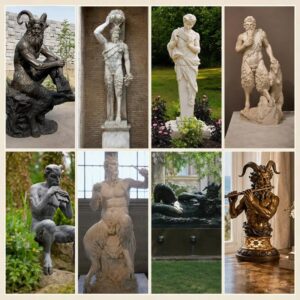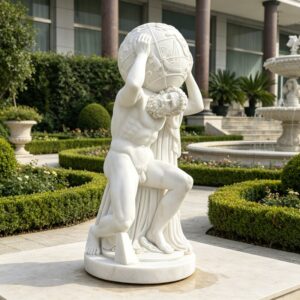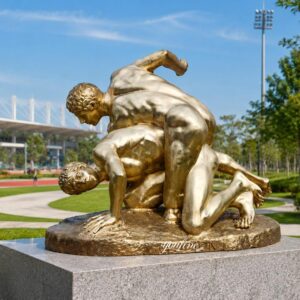
Sculpture is one of the most enduring and expressive forms of visual art. From ancient stone carvings to monumental stainless steel installations in modern cities, sculpture has continuously evolved in materials, techniques, and artistic concepts.
Today, sculpture is no longer limited to traditional statues. Artists and designers employ a wide range of methods and styles, creating works that interact with architecture, landscapes, and public spaces. Understanding the different types of sculpture helps art lovers, collectors, architects, and developers make informed choices—whether appreciating art or commissioning custom works.
This complete guide explores 10 major types of sculpture in art, beginning with core sculptural methods and moving into major styles that define sculptural expression from ancient times to contemporary art.
1. How Sculptures Are Classified
Sculptures are generally classified in two key ways:
- By method–how the sculpture is physically made
- By type or style–how the sculpture exists in space or communicates visually
Many sculptures combine multiple methods and styles, but understanding these categories provides a strong foundation for appreciating sculptural art.

2. Core Sculptural Methods
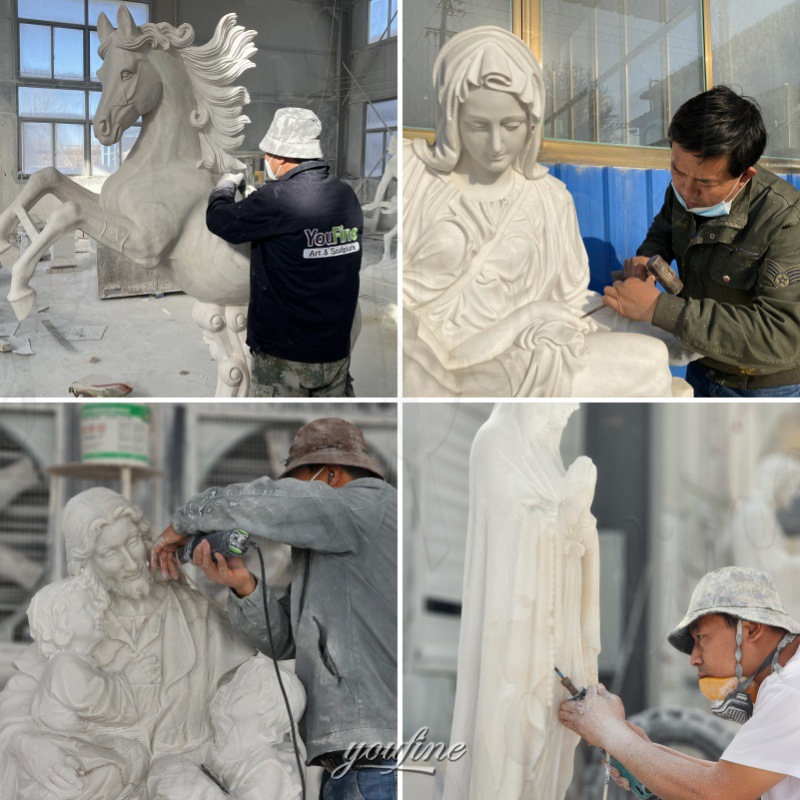
2.1 Carving (Subtractive Sculpture)
- Materials: marble, limestone, granite, wood
- Process: cutting, chiseling, and refining
- Key characteristic: irreversible—material once removed cannot be replaced
Famous examples include classical Greek marble statues and religious stone carvings in churches. Carving demands precision, foresight, and exceptional craftsmanship, making it a hallmark of traditional sculpture.
2.2 Modeling (Additive Sculpture)
Modeling is an additive process, where material is gradually built up rather than removed.
- Materials: clay, wax, plaster
- Advantages: flexibility and ease of modification
- Common use: concept models, figurative studies, and prototypes
Modeling allows artists to experiment freely with form and proportion. Many bronze sculptures begin as clay or wax models before being cast into their final material.
For a more focused breakdown of the most essential processes, you may also be interested in our detailed article on the four basic sculpture techniques.

2.3 Casting
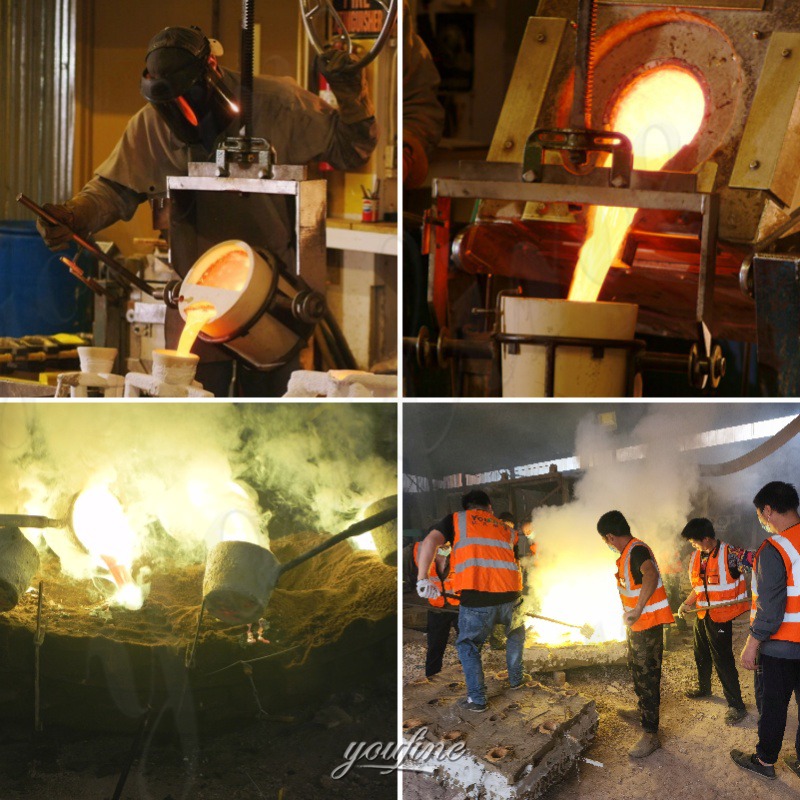
Casting enables artists to reproduce complex forms by pouring liquid material into a mold.
- Common materials: bronze, resin, concrete, fiberglass
- Techniques: lost-wax casting, sand casting
- Benefits: high detail, durability, repeatability
Bronze casting has been widely used for monuments, public sculptures, and commemorative works due to its strength and timeless aesthetic.
2.4 Forging & Fabrication (Metal Sculpture Method)
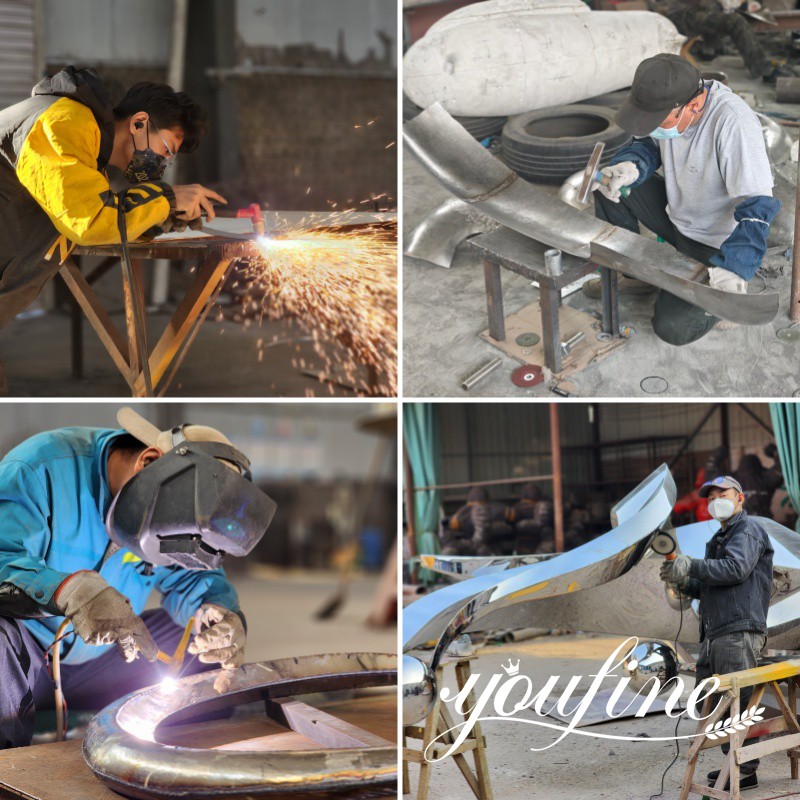
Forging and fabrication are essential modern sculptural methods, especially for stainless steel sculptures and large-scale public art.
Materials: stainless steel, carbon steel, aluminum
Processes involved:
- Cutting and shaping
- Bending, hammering, and forming
- Welding internal structures
- Surface finishing (mirror polish, brushed, matte)
Stainless steel sculpture fabrication offers significant advantages:
- Exceptional strength and structural stability
- Excellent corrosion resistance for outdoor environments
- Ideal for large, abstract, and architectural sculptures
This method is widely used in contemporary urban landmarks, plazas, waterfronts, and modern landscape projects.
2.5 Assemblage
Assemblage involves combining different materials—often found or recycled objects—into a single sculptural composition.
- Materials: metal fragments, wood, industrial parts, everyday objects
- Style: experimental and conceptual
- Art movement: closely associated with modern and contemporary art
Assemblage challenges traditional ideas of sculpture by transforming ordinary objects into expressive artworks.
3. Major Types & Styles of Sculpture
3.1 Freestanding Sculpture (Sculpture in the Round)
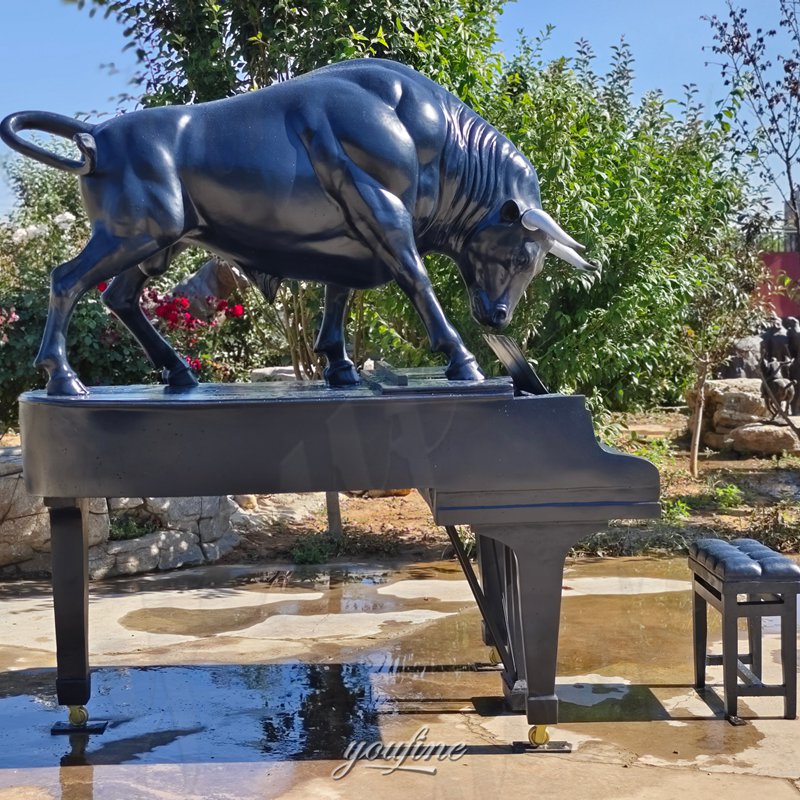
Freestanding sculptures are fully three-dimensional works designed to be viewed from all angles.
- Viewing: 360 degrees
- Common subjects: figures, animals, abstract forms
- Applications: public spaces, gardens, galleries
This is the most recognizable type of sculpture and remains a core form in both classical and modern art.

3.2. Relief Sculpture
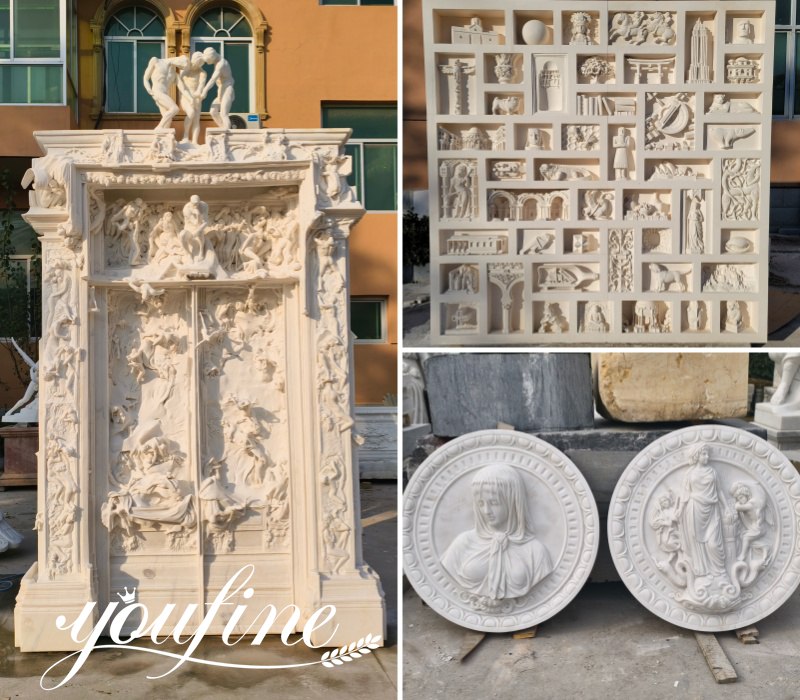
Relief sculpture is carved or modeled onto a flat surface, with forms projecting outward.
Types:
- Bas-relief (low relief)–shallow depth
- High relief–dramatic projection
Uses: architectural decoration, monuments, religious buildings
Relief sculpture bridges sculpture and architecture, often used to tell historical or symbolic stories.
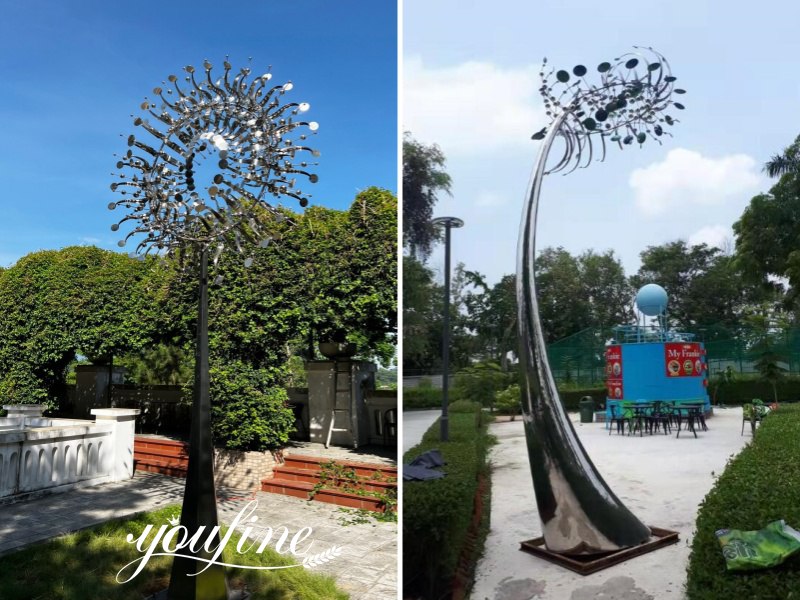
3.3 Kinetic Sculpture
Kinetic sculptures incorporate movement as a key element of the artwork.
- Movement sources: wind, motors, gravity
- Experience: constantly changing visual forms
- Notable style: popular in modern public art
By introducing motion, kinetic sculptures engage viewers in a dynamic and time-based experience. To learn more, you can read this blog post: What is Kinetic Art Sculpture?
3.4 Installation Art
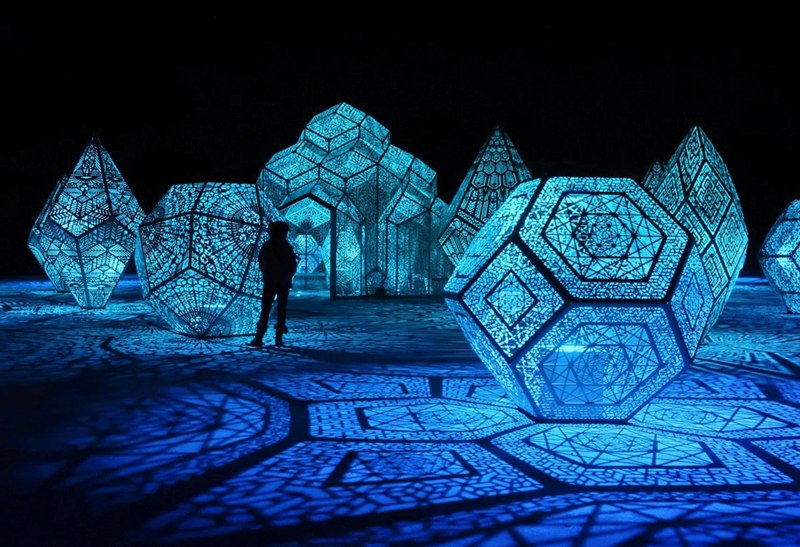
Installation art transforms an entire space into a sculptural environment.
- Scale: often large and immersive
- Materials: sculpture, light, sound, mixed media
- Feature: site-specific and experiential
Rather than being viewed from a distance, installation sculptures invite audiences to move through and interact with the artwork.
3.5 Abstract Sculpture
Abstract sculpture moves away from realistic representation and focuses on form, balance, texture, and emotion.
- Characteristics: non-representational or simplified forms
- Materials: stainless steel, marble, bronze, mixed media
- Common settings: modern plazas, corporate spaces, galleries
Abstract sculptures are especially popular in contemporary architecture and landscape design for their timeless and versatile visual impact.

3.6 Land Art (Earthworks)
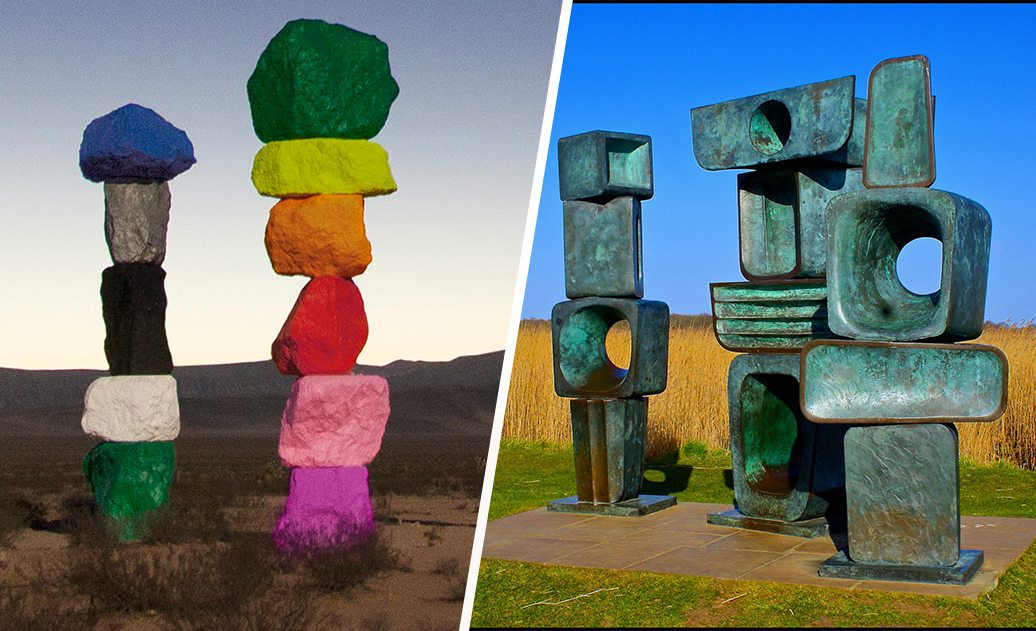
Land Art, also known as Earthworks, uses the natural landscape itself as the artistic medium. Instead of traditional materials, artists work directly with earth, rocks, sand, soil, and vegetation to create large-scale, site-specific artworks.
- Materials: earth, stone, sand, natural elements
- Scale: often monumental
- Concept: integration of art and environment
While many original Land Art works are temporary and exposed to natural erosion, some clients and institutions seek to reinterpret or recreate the visual language of Land Art using more durable materials.
In practice, this often means translating the organic forms and spatial concepts of Earthworks into long-lasting sculptures made from marble, bronze, or stainless steel. These recreated works retain the spirit of Land Art while offering greater permanence, structural stability, and suitability for urban spaces, museums, and architectural landscapes.
As a result, Land Art continues to influence contemporary sculpture, not only in natural environments but also through carefully crafted reinterpretations produced by professional sculpture manufacturers.
Other Notable Sculpture Forms
In addition to the main types, several specialized sculptural forms are worth noting:
- Bust Sculpture: depicts a person’s head, shoulders, and upper chest
- Found Object Art: minimal alteration of everyday manufactured objects
- Light Sculpture: uses light as a structural or expressive element
- Sound Sculpture: incorporates sound as part of the artwork
These forms further expand the boundaries of sculptural expression.

Conclusion
From traditional stone carving to modern stainless steel fabrication, sculpture continues to evolve while maintaining its powerful role in art and design. Each sculptural method and style offers unique possibilities, allowing artists and designers to shape spaces, convey meaning, and create lasting visual impact.
Understanding the different types of sculpture not only enriches artistic appreciation but also helps in selecting the right sculptural approach for architectural, landscape, and public art projects.
At YouFine Sculpture, we combine traditional craftsmanship with advanced metal fabrication techniques to create marble, bronze, and stainless steel sculptures for projects around the world.
If you are planning a sculpture project—whether it involves marble, bronze, stainless steel, or the reinterpretation of artistic concepts such as Land Art—YouFine Sculpture is ready to assist.
With decades of experience in sculpture manufacturing and international project support, YouFine provides professional design consultation, material recommendations, production planning, and installation guidance.
Feel free to contact YouFine to discuss your ideas and explore customized sculpture solutions.