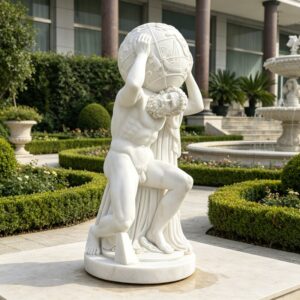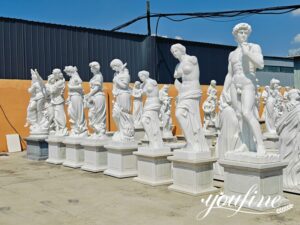
Impressionist sculpture is an artistic style that focuses on capturing movement, atmosphere, and fleeting moments rather than perfect detail or idealized form.
Instead of aiming for flawless realism, impressionist sculptors seek to express emotion, light, and the sensation of a single moment in time.
Although Impressionism is best known as a painting movement, its influence on sculpture has been profound—shaping how artists model form, treat surfaces, and interact with space. Today, impressionist sculptures are widely appreciated in gardens, galleries, hotels, and public art projects for their expressive and timeless character.

Origins of Impressionism and Its Influence on Sculpture
Impressionism originated in late 19th-century France, led by painters such as Claude Monet, Edgar Degas, and Pierre-Auguste Renoir. These artists rejected rigid academic rules and instead focused on everyday life, natural light, and spontaneous impressions.
Sculptors working during this period began adopting similar ideas. Rather than depicting idealized bodies or historical perfection, they explored:
- Momentary gestures
- Natural, unposed movement
- Emotional expression through form
This shift marked a transition from classical permanence to artistic immediacy—an approach that would forever change modern sculpture.

Key Characteristics of Impressionist Sculpture
Emphasis on Movement and Gesture
Impressionist sculptures often appear as if they are caught mid-action. Figures may be walking, dancing, turning, or pausing briefly in motion. The goal is not symmetry, but vitality.
Expressive and Textured Surfaces
Unlike classical sculptures with smooth, polished finishes, impressionist works frequently feature visible tool marks and rough textures. These surfaces convey the artist’s hand and enhance the sense of spontaneity.
Interaction with Light and Shadow
The uneven surfaces of impressionist sculptures interact beautifully with light. As sunlight or artificial lighting shifts, shadows change across the sculpture, adding depth and visual movement—especially in bronze works.
Suggestive Rather Than Complete Forms
Impressionist sculpture does not aim to explain everything. Certain details may be simplified or left intentionally vague, inviting viewers to engage emotionally and complete the image through their imagination.
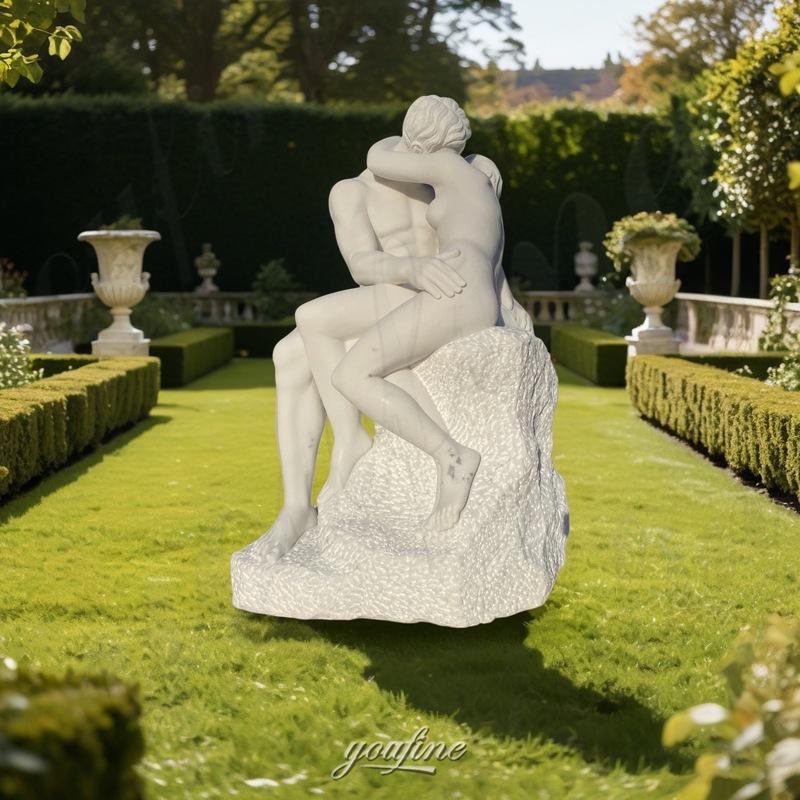
Impressionist Sculpture vs Classical Sculpture
This contrast helps explain why impressionist sculptures feel more intimate and alive in modern environments.
Classical Sculpture | Impressionist Sculpture |
Ideal proportions and realism | Emotional expression and mood |
Smooth, refined surfaces | Textured, expressive finishes |
Static, balanced poses | Dynamic, natural movement |
Focus on permanence | Focus on the moment |
Famous Impressionist Sculptors and Influences
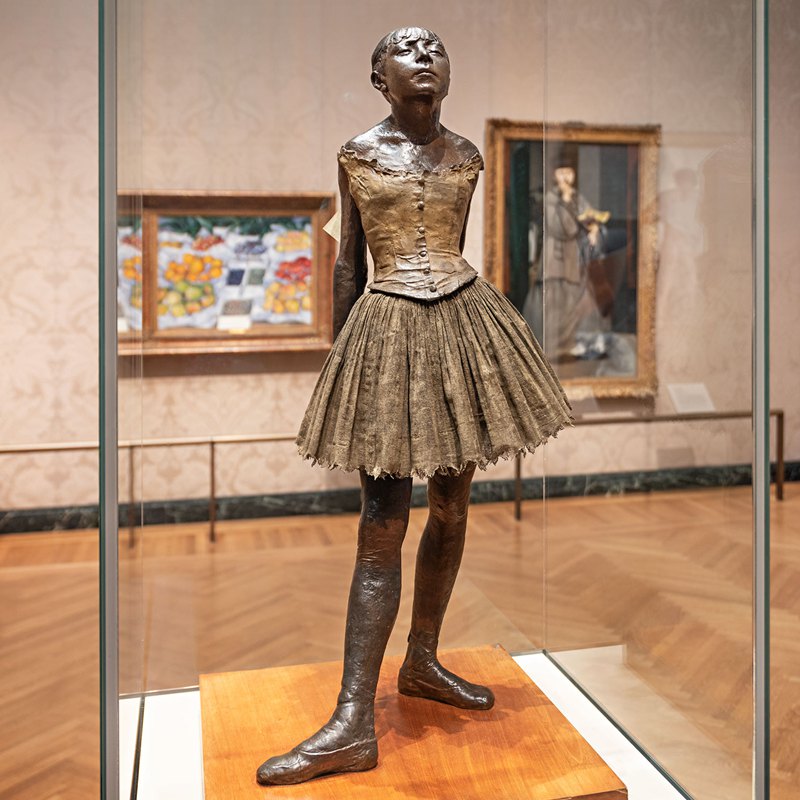
- Edgar Degas: Degas is one of the most iconic figures associated with impressionist sculpture. His famous Little Dancer of Fourteen Years captures a natural, unposed moment, emphasizing realism and psychological presence rather than ideal beauty.
- Auguste Rodin: Although not a pure impressionist, Rodin played a critical role in bridging classical sculpture and modern expression. His dynamic modeling, textured surfaces, and emotional intensity strongly influenced impressionist and modern sculptors alike.
- Medardo Rosso: Italian sculptor Medardo Rosso is often considered one of the purest sculptural impressionists. His works focus on light, atmosphere, and fleeting impressions rather than solid form.
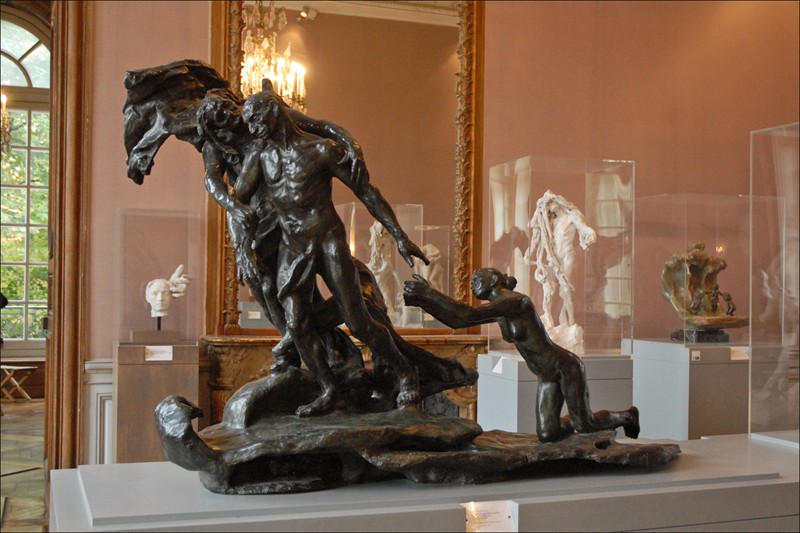
- Camille Claudel: A highly talented sculptor and collaborator of Rodin, created emotionally intense works that explored human relationships and psychological tension. Her sculptures feature fluid movement, expressive surfaces, and intimate subject matter, reflecting impressionist influence while maintaining a deeply personal artistic voice.
- Constantin Meunier: Belgian sculptor Constantin Meunier applied impressionist principles to industrial and working-class subjects. His sculptures depict laborers in natural, unposed stances, capturing the dignity and realism of everyday life rather than heroic idealization.
Common Materials Used in Impressionist Sculpture
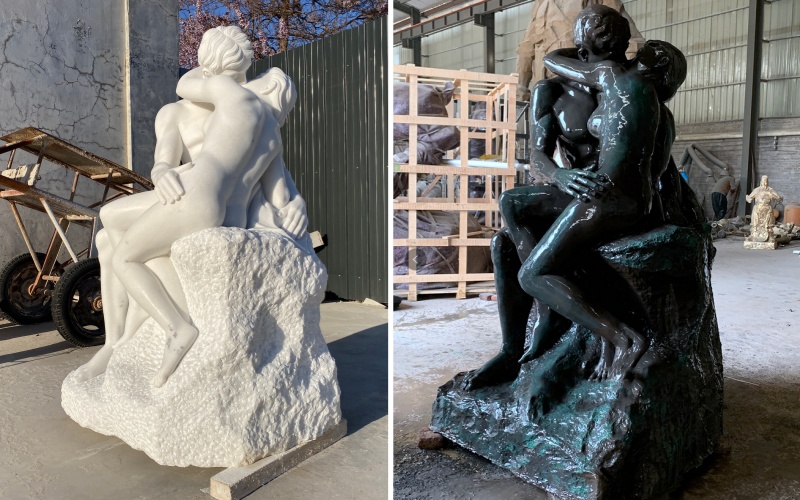
Bronze: Bronze is the most common material for impressionist sculpture. It preserves fine textures, allows expressive surface treatment, and develops a rich patina over time. Its durability also makes it ideal for outdoor installation.
Marble: Less common but still used, marble impressionist sculptures rely on subtle modeling rather than high polish, emphasizing softness and natural form.
Where Are Impressionist Sculptures Used Today?
Impressionist sculptures are widely used in both private and public spaces. Their expressive nature allows them to blend harmoniously with natural surroundings and contemporary architecture alike, including:
- Private gardens and estates
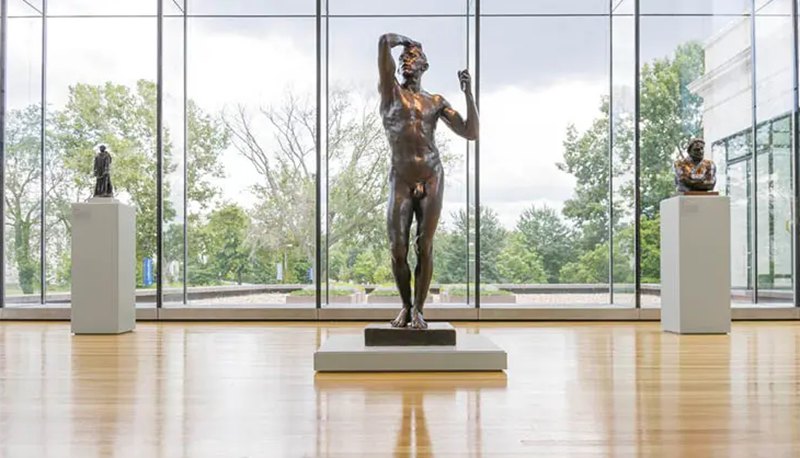
- Art galleries and museums
- Hotels, resorts, and luxury commercial spaces
- Urban landscapes and public art installations
Is an Impressionist Sculpture Right for Your Project?
Impressionist sculpture may be ideal if you are looking for:
- A strong artistic presence without rigid formality
- A sculpture that complements rather than dominates its environment
- Emotional depth and visual movement
However, for projects requiring strict historical accuracy or formal commemoration, a classical or realistic sculpture may be more appropriate.
What YouFine Offers
At YouFine Art Sculpture, we specialize in crafting high-quality bronze sculptures and marble sculptures that balance artistic expression with enduring craftsmanship. With over 40 years of experience in sculpture manufacturing, we work closely with artists, designers, collectors, and project planners worldwide to bring creative visions into reality.
- Custom Impressionist Sculptures: We offer fully customized impressionist sculptures based on drawings, reference images, or original concepts. From expressive figurative works to abstract-inspired forms, our team ensures that each piece preserves the movement, texture, and emotional character essential to impressionist sculpture.
- Bronze Casting with Artistic Integrity: Bronze is one of the most effective materials for impressionist sculpture, as it faithfully captures surface texture and interacts beautifully with light. Our traditional lost-wax casting process allows us to retain fine details while maintaining the spontaneous, hand-modeled quality of the original work.
- Skilled Hand Finishing and Patina: Impressionist sculpture relies heavily on surface treatment. Our artisans carefully hand-finish each piece, avoiding over-polishing to preserve expressive textures. A wide range of custom patinas is available to enhance depth, contrast, and long-term visual appeal.
- Solutions for Private and Public Projects: YouFine provides impressionist sculptures for Private collections and gardens; Hotels, resorts, and commercial spaces; Galleries and exhibitions; Public art and landscape projects. We also support clients with technical drawings, size customization, and installation guidance to ensure each sculpture integrates seamlessly into its intended environment.
If you are considering an impressionist sculpture for a private collection, garden, or public project, YouFine Art Sculpture is here to support you from concept to completion.
Contact YouFine today to start a professional conversation and turn artistic vision into a lasting sculptural work.