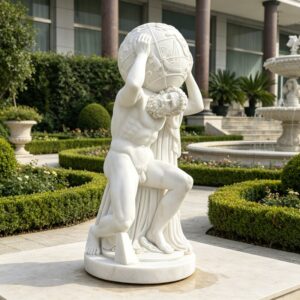
In ancient Greek mythology, goddesses not only represent strength, wisdom, love and beauty, but also symbolize human worship of nature and supernatural power. These goddess statues have become the treasures of ancient civilization with their exquisite artistic expression and profound cultural connotations.
Through these timeless sculptures, we can get a glimpse of the beliefs, social values and artistic achievements of that era. In this blog, we will take you to appreciate the 12 most representative Greek goddess statues and feel their charm and historical stories together.
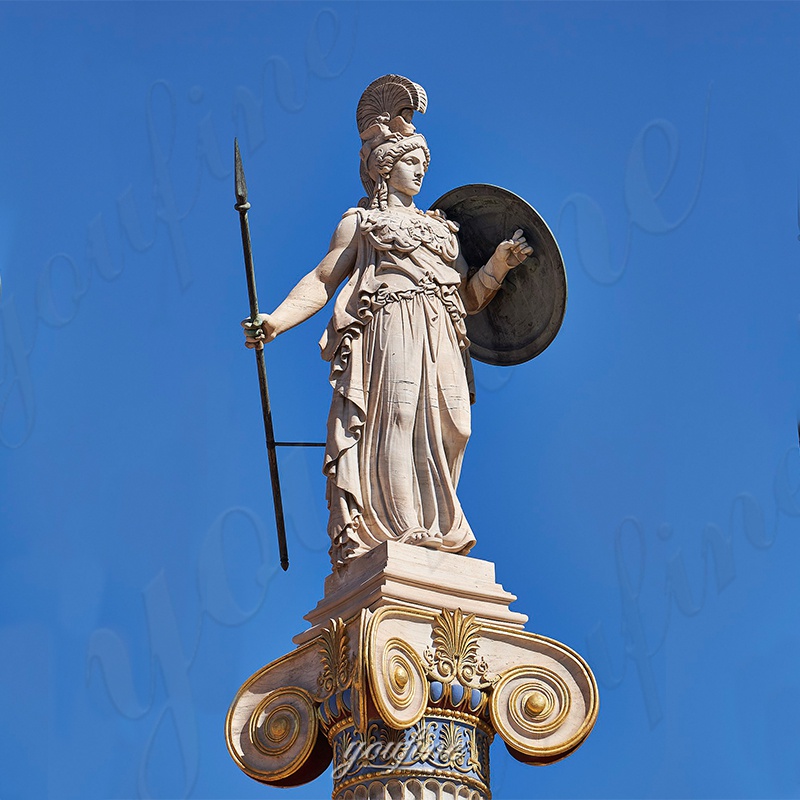
1.Athena Parthenos
The Athena Parthenos is one of the most famous sculptures in ancient Greece. It was designed and made by the great sculptor Phidias in the 5th century BC. The statue originally stood in the Parthenon in Athens. It is about 12 meters high and made of gold and ivory.
It symbolizes the majesty and glory of Athena, the goddess of wisdom and war. In the statue, Athena wears a helmet and holds the goddess Nike, which symbolizes victory. At her feet are a snake and a shield, which symbolize wisdom. Although the original has been lost, historical documents and copies allow us to still feel its shocking power as the pinnacle of ancient Greek art.
2.Aphrodite of Knidos
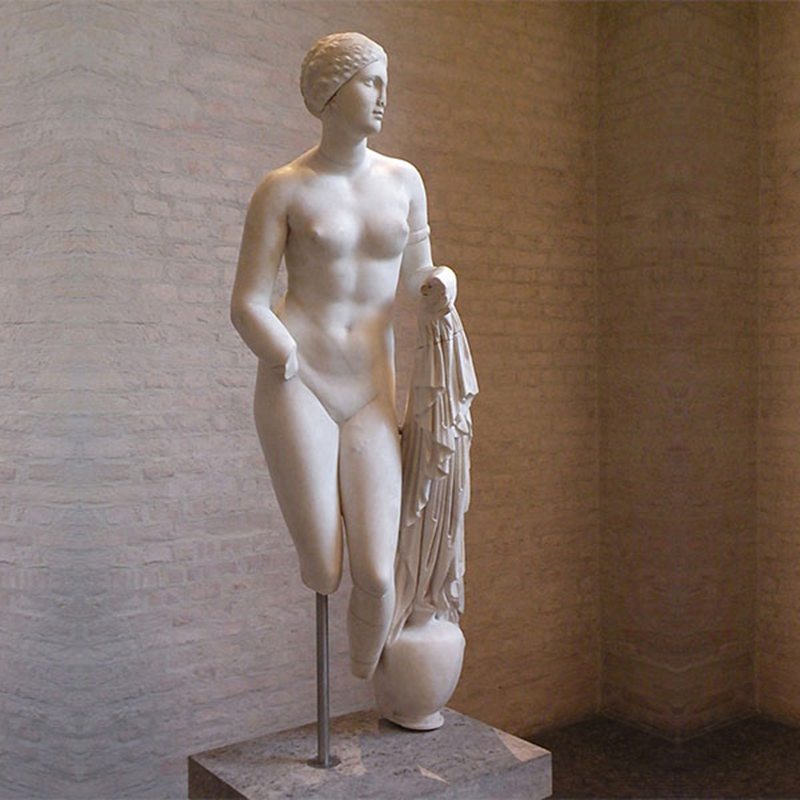
The statue of Aphrodite of Knidos is the first statue in the history of ancient Greek art to depict a nude goddess. It was created by the famous sculptor Praxiteles in the 4th century BC. The statue shows the softness and natural beauty of Aphrodite, the goddess of love and beauty, showing her lifting her clothes before bathing, which is both elegant and full of human emotions.
This innovation broke the conservative image in traditional sculptures and shocked the world at that time. Although the original work has been lost, a large number of Roman copies and historical records have made it a symbol of classical beauty and set a model for artistic creation in later generations.
3.Winged Victory of Samothrace
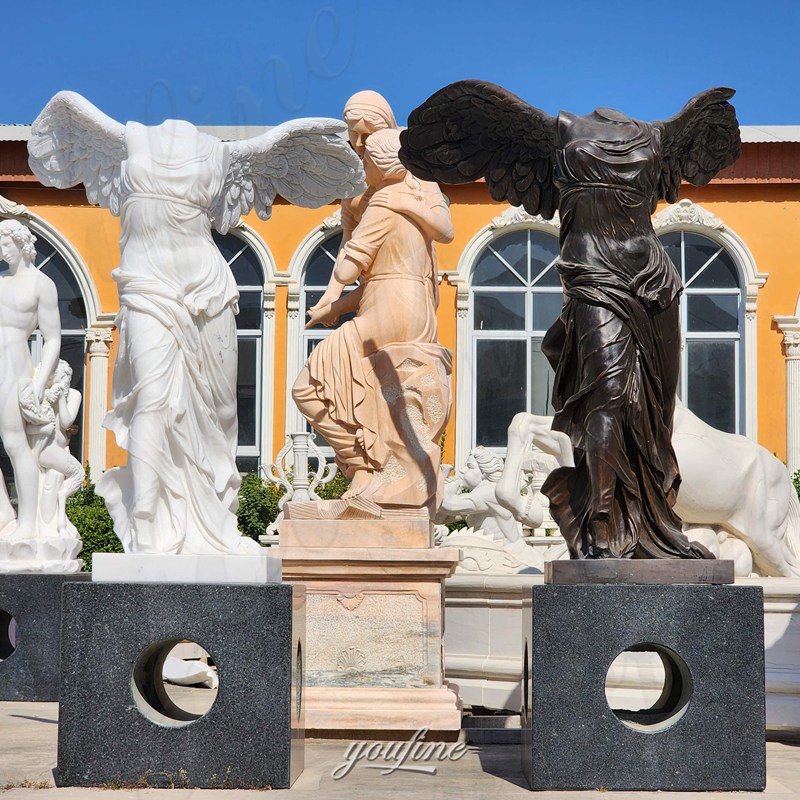
The Winged Victory of Samothrace is one of the most dynamic and expressive masterpieces of ancient Greek sculpture. It was created in the 2nd century BC to commemorate a naval victory.
The statue depicts Nike, the goddess of victory, standing on the bow of a warship with her wings spread out and her robes flying in the wind. The sculpture is made of marble and delicately depicts the goddess standing against the wind, showing unparalleled strength and elegance.
Today, the statue is housed in the Louvre in France. Although its head and arms are missing, it does not reduce its shocking power as a pinnacle of ancient art.
4.Demeter Statue
The Demeter Statue at Eleusis is a concentrated expression of the worship of Demeter, the goddess of agriculture and harvest. The statue was found at the site of the Eleusinian temple and is an important symbol of the religious rituals associated with Demeter in the region.
The statues usually show Demeter in a robe, holding a wheat ear or a torch symbolizing the harvest, with a kind and solemn face, showing her image as the guardian of life and abundance. These statues are not only of great artistic value, but are also closely related to the famous Eleusinian Mysteries, carrying the ancient Greeks’ deep belief in the cycle of life and natural prosperity.
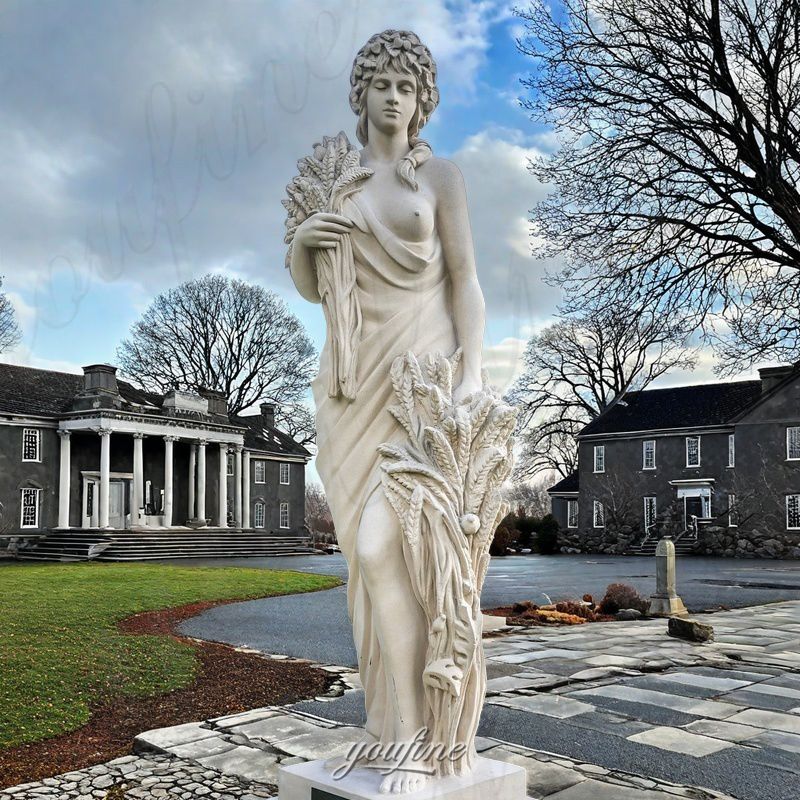
5.Artemis Statue
The Artemis of Ephesus is one of the most distinctive goddess statues of ancient Greece, showing a unique image of Artemis, the goddess of hunting, nature and fertility.
Originally located in the ancient temple of Ephesus in Asia Minor, the statue shows Artemis in gorgeous clothing and a series of circular objects on her chest (usually thought to be symbols of breasts or groups of animals), details that are interpreted as symbolic of fertility, nature and the reproduction of life.
The style of the statue emphasizes symbolism rather than naturalism, reflecting the ancient Greek worship of female power and natural abundance. Although the original has been lost, many ancient copies and reliefs allow us to glimpse the artistic style and religious meaning of the statue.
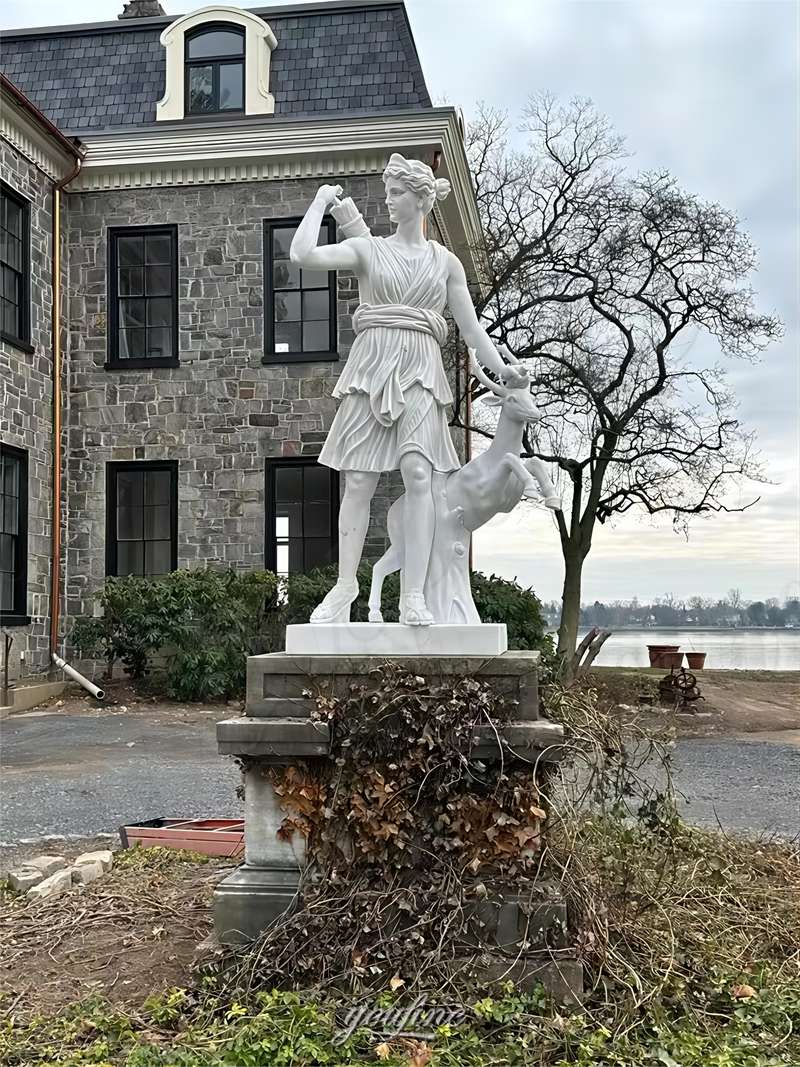
6.Hera of Samos
Hera of Samos is one of the ancient Greek worships of the goddess Hera, the patron saint of marriage and family. The statue was originally located in the Temple of Hera on the island of Samos and is one of the early artistic images of Hera.
The statue shows a solemn and majestic image of Hera, usually wearing a robe, holding a scepter or symbolic objects, with a dignified face, symbolizing her authority as the wife of Zeus, the king of gods, and the queen of heaven.
The statue presents a typical ancient Greek classical style, reflecting the ancient Greek art’s respect for the maternity of the goddess and social order. Although the original statue no longer exists, through the archaeological discoveries and replicas of the site, we can still feel Hera’s sacred temperament and the exquisite craftsmanship of ancient Greek art.
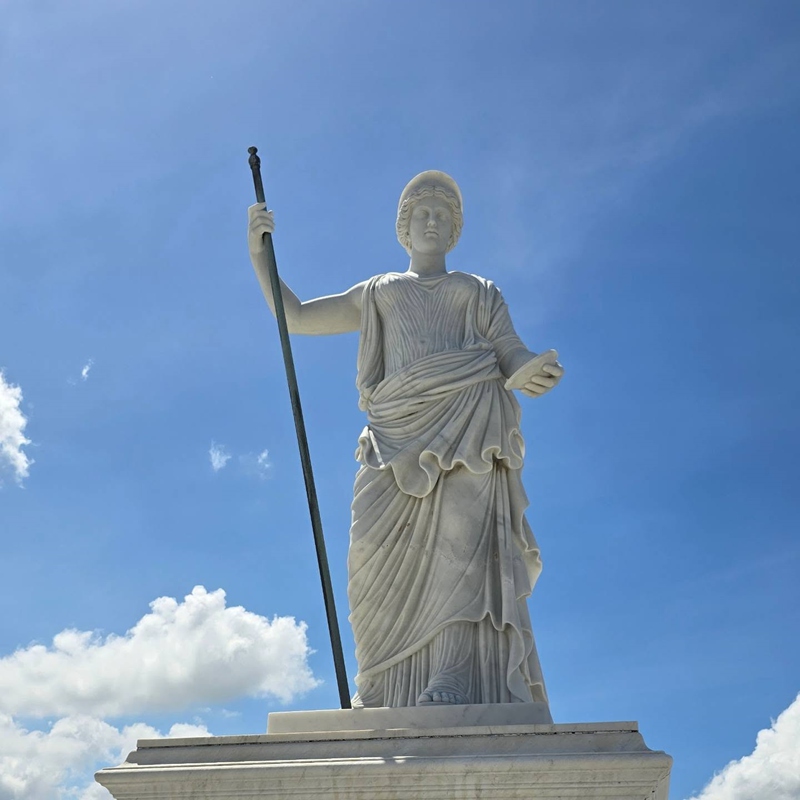
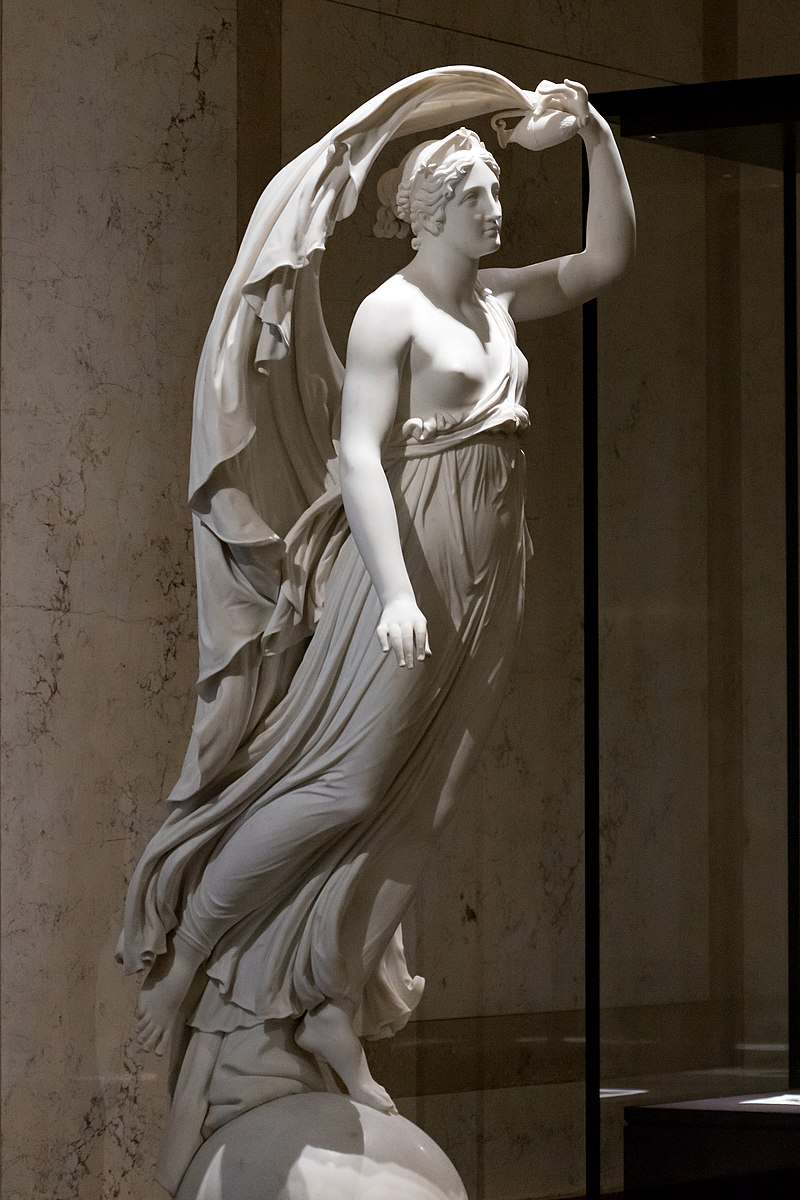
7.Eos Statue
The Eos Statue depicts Eos, the goddess of dawn, who in Greek mythology is the goddess of light and morning. Eos is often depicted as a beautiful young woman driving a four-horse chariot across the sky, dispelling darkness and welcoming a new day.
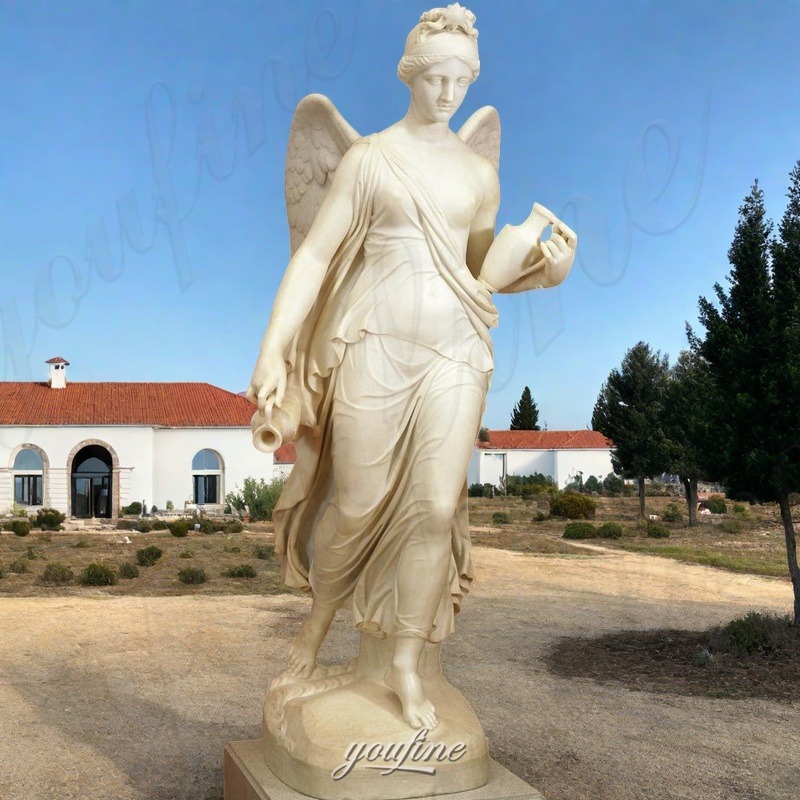
In ancient Greek art, Eos is often depicted in flight, showing her soft and energetic qualities like the morning light. One of the most famous statues of Eos dates from the 5th century BC, showing her dancing or flying, wearing a light robe, giving people a sense of vitality and vitality.
8.Alcmene Statue
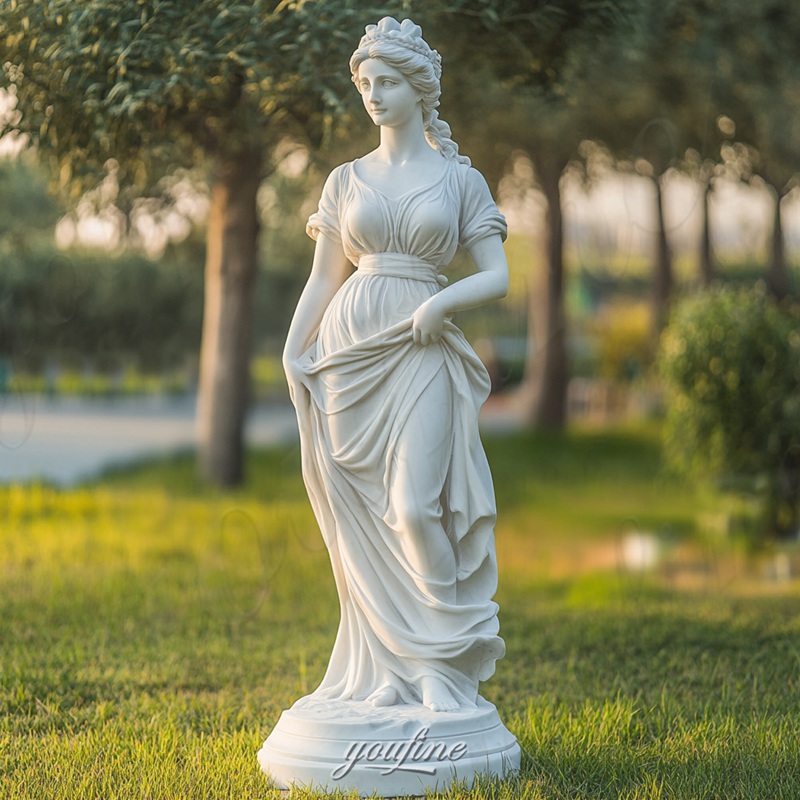
Alcmene Statue is one of the important statues in ancient Greek mythology. Alcmene is the mother of Hercules. Although she is not a Greek deity, as the mother of Hercules, Alcmene has a special status in Greek mythology. She is usually portrayed as a gentle and tough woman, symbolizing motherhood and sacrifice.
Although there are no widely circulated classic works about Alcmene statues like other major goddesses, her image often appears in some artworks and reliefs. She is usually shown in a gentle and noble posture, perhaps holding some kind of symbolic motherhood (such as baby Hercules) in her hands, conveying the greatness and kindness of the mother. Statues of Alcmene usually reflect her strength and courage, especially the selflessness and greatness she showed when she accepted Hercules’ extraordinary destiny.
These statues not only show the exquisite techniques of ancient Greek art, but also reflect the high respect and praise for the role of mother.
9.Persephone Statue
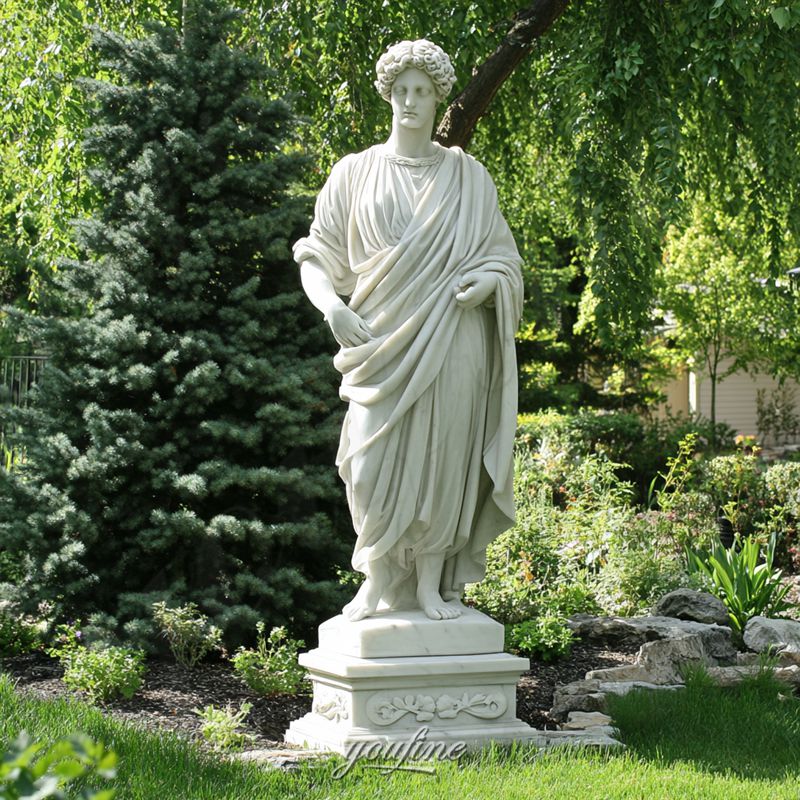
Persephone Statue is a classic image of Persephone, goddess of the underworld, in ancient Greek art. Persephone is the daughter of Demeter, who was abducted by Hades and became the Queen of the Underworld. She symbolizes the change of seasons, the resurrection of spring, and the power of death. In artistic representation, Persephone’s image often presents her as a symbol of the underworld or the Queen of the Underworld. She is often depicted standing or sitting, with a solemn and mysterious face.
Statues of Persephone often combine her dual identity of spring resurrection and the underworld. Some statues show her holding pomegranates or flowers, symbolizing her connection with spring, while in other works, she may hold symbolic objects of the underworld, such as a scepter or elements of the Styx. Her image is usually full of mystery and elegance, showing her complex role in mythology: both a symbol of life and a guardian of death and rebirth.
10.Hecate Tri-Form Statue
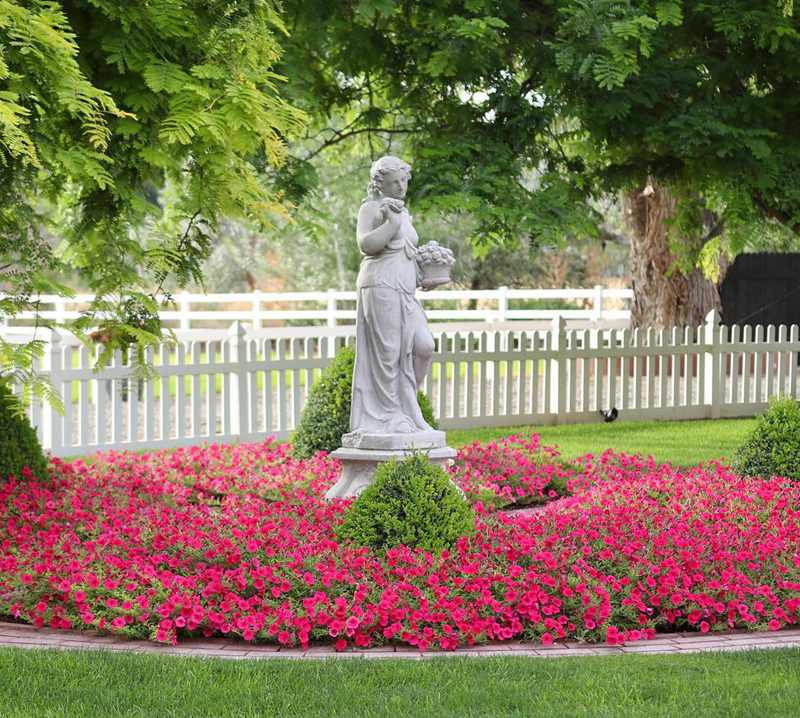
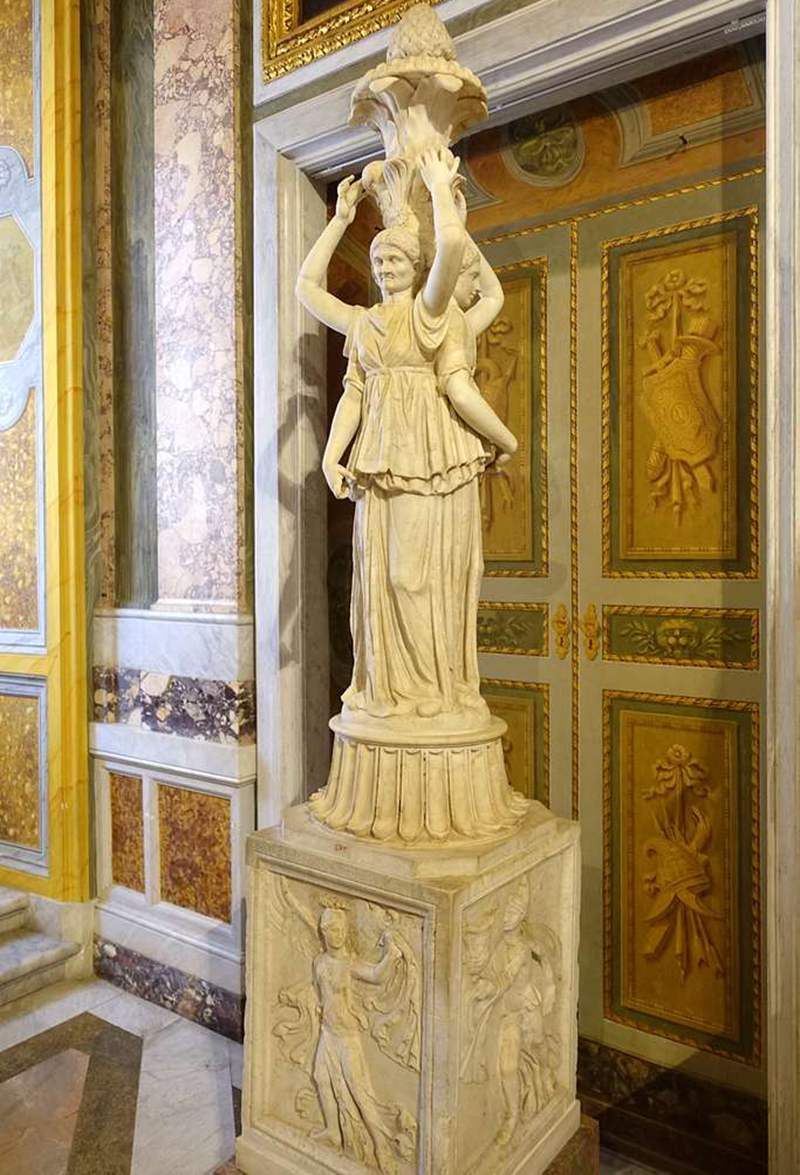
Hecate is a three-phase goddess in ancient Greek mythology, in charge of magic, witchcraft, intersections and the world of the dead. Her three forms symbolize her multiple identities: a girl, a mother and an old woman, reflecting the three stages of life.
Hecate’s three-phase statues usually show her in the form of three figures around a central column, symbolizing her multiple identities and all-round power. This way of expression is relatively rare in ancient art, reflecting Hecate’s unique status as a three-phase goddess.
For example, on the famous Pergamon Altar (c. 2nd century BC), Hecate is depicted in three forms, attacking a snake-like giant with the help of a dog.
In addition, the Hecate statues collected by the Vatican Museum also typically show her characteristics as a three-phase goddess.
Hecate’s three-phase statues are not only uniquely expressive in art, but also reflect the ancient Greeks’ deep understanding and reverence for her multiple identities.
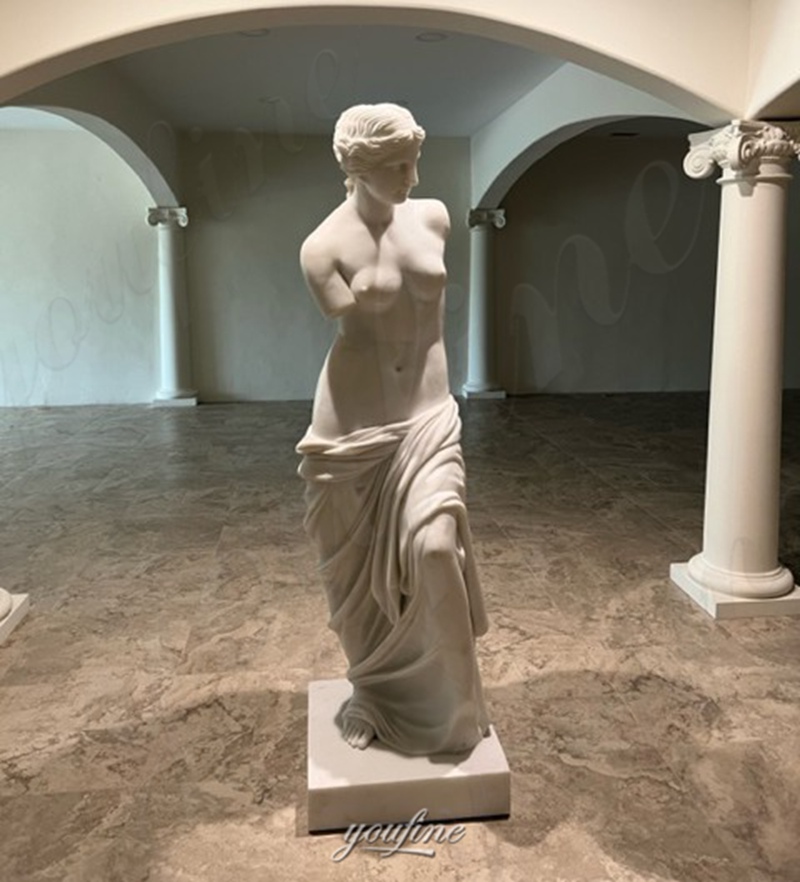
11.Venus de Milo
The statue was created between 130 and 100 BC and is believed to have been created by the sculptor Alexandros of Antioch.
The statue is about 204 cm tall and is carved from Paros marble, showing the ancient Greek pursuit of beauty. Although the arms are missing, the statue is still known for its elegant posture and exquisite craftsmanship, reflecting the superb skills of ancient Greek sculpture.
Venus de Milo is considered one of the symbols of ancient aesthetics and has influenced countless artists and cultural works. Its image has been widely copied and has become one of the most famous sculptures in the history of Western art. This statue is not only the treasure of the Louvre, but also a classic that art lovers and tourists around the world must visit.
12.Statue of Iris
Iris is the goddess of the rainbow and messenger of the gods in ancient Greek mythology. She is usually depicted as a winged woman holding a golden scepter, symbolizing her role in conveying messages between gods and humans.
In art, Iris has been depicted in a variety of ways, both in ancient sculptures and by modern artists. For example, Auguste Rodin designed Iris, Messenger of the Gods in 1891, a sculpture that shows Iris in flight.
In addition, modern artist Sam Jinks created a work called The Messenger, inspired by the statue of Iris on the west facade of the Parthenon.
Overall, statues of Iris have an important place in art history, reflecting her multiple symbolic meanings as a mythological figure.
These Greek goddess statues are not only works of art, but also cultural bridges spanning thousands of years. They tell us how the ancient Greeks viewed the world, revered gods, and expressed beauty. Whether it is the noble Athena, the elegant Aphrodite, or the mysterious Hecate, each statue contains breathtaking history and legends. I hope that this exploration will give you a deeper understanding of these sculptures and inspire your interest in ancient Greek culture!