“What is realistic sculpture?” is rarely only a definition question. For designers, architects, developers, and project stakeholders, the real question is often more practical: Will a realistic sculpture look natural in the actual space, support the design story, pass approval, and be produced with controlled quality?
Realistic sculpture is a sculptural style that represents people, animals, objects, or scenes in a lifelike and recognizable way. It may show accurate body proportions, natural posture, believable facial expression, detailed clothing folds, animal anatomy, skin texture, hair, feathers, or other surface details. But it is important to understand one thing from the beginning: realistic sculpture is not simply a three-dimensional copy of a photograph.
A photograph captures one angle, one light condition, and one moment. A sculpture must work in three dimensions. People may see it from the front, side, back, below, or from a distance. Light changes during the day. The surrounding architecture, landscape, and viewing height all affect how “real” the sculpture feels.
That is why, when I help a customer evaluate a realistic sculpture concept, I do not only ask, “Does the reference image look good?” I also ask: Can this realistic expression be translated into a stable, well-proportioned, material-appropriate sculpture that works in the intended environment?
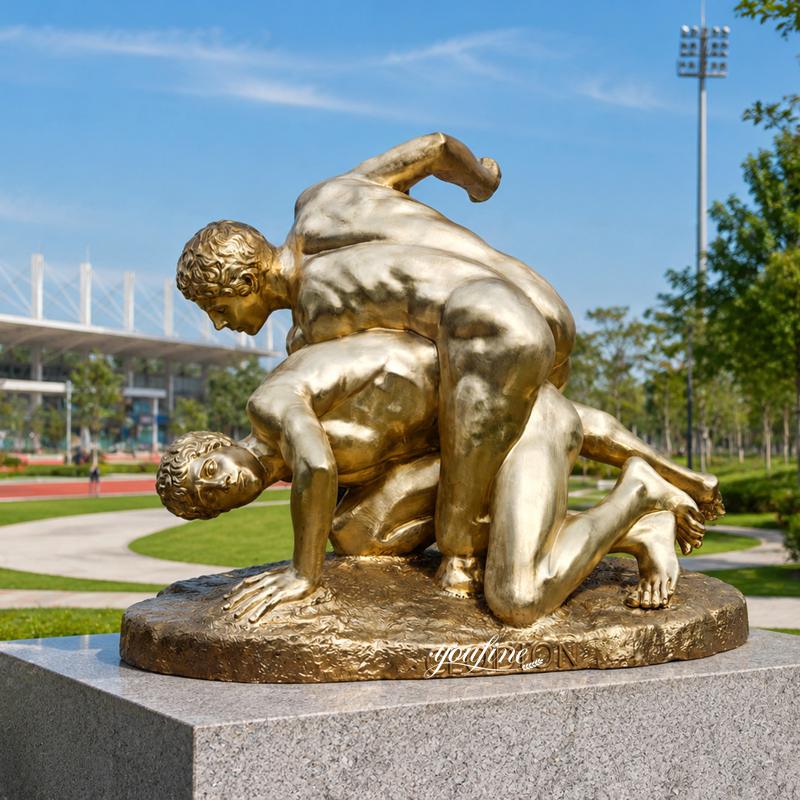
A Simple Definition of Realistic Sculpture
Realistic sculpture is a style of sculpture that aims to make the subject look lifelike, familiar, and physically believable. The subject may be a human figure, animal, historical person, portrait bust, sports figure, cultural character, everyday object, or scene from real life.
In a professional project, realistic sculpture usually focuses on several visual goals:
| Element | What It Means in Realistic Sculpture | Why It Matters |
|---|---|---|
| Proportion | The size relationship between head, body, limbs, or object parts | Wrong proportion can make the sculpture feel unnatural, even if details are rich |
| Anatomy | The structure of muscles, bones, joints, and body shape | Especially important for people and animals |
| Posture | The way the body stands, sits, walks, turns, or moves | A stiff posture can make a lifelike figure feel artificial |
| Gesture | Hand position, body direction, movement, and attitude | Helps communicate emotion, action, and story |
| Expression | Face, eyes, mouth, and emotional character | Important for portraits, memorials, and human-centered projects |
| Texture | Skin, hair, fabric, feathers, fur, stone, or object surface | Creates visual realism and close-view interest |
| Surface finish | Patina, polishing, painting, carving marks, or coating | Affects realism, durability, and design harmony |
In simple terms, realistic sculpture is about recognition and believability. A viewer should feel, “This person, animal, or object looks alive, natural, or true to life.”
However, believability does not always mean extreme detail. Sometimes a sculpture with slightly simplified details but excellent posture, balance, and proportion feels more realistic than a sculpture full of small details but with a wrong body structure.
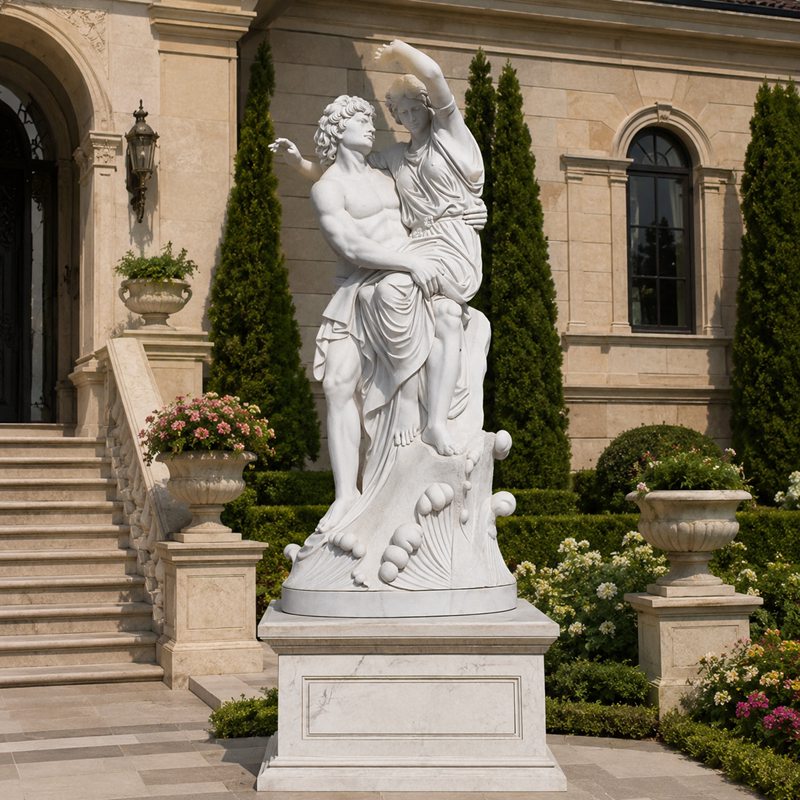
Realistic Sculpture Is Not Just Photo Duplication
One common misunderstanding I often see in project discussions is the idea that realistic sculpture should be identical to a single photograph. That expectation can create risk.
A photograph is flat. A sculpture has depth, volume, weight, and physical presence. If a sculptor follows only one photo too mechanically, the front view may look acceptable, but the side view, back view, or body volume may look weak. For a figure sculpture, the artist must understand anatomy and spatial form. For an animal sculpture, the artist must know the body structure under the fur, feathers, or skin.
A professional realistic sculpture normally uses reference images, but those references must be interpreted. The sculptor may need to adjust the pose, correct unclear proportions, enhance the gesture, or balance the composition so that the final piece works from many angles.
For designers and architects, this point is important when explaining the concept to a project owner or committee. It is better to say:
“The sculpture will be based on the approved reference direction, but the final form must be developed as a three-dimensional artwork.”
This is more accurate than promising an exact copy from one image. It also leaves room for professional modeling, correction, and approval.
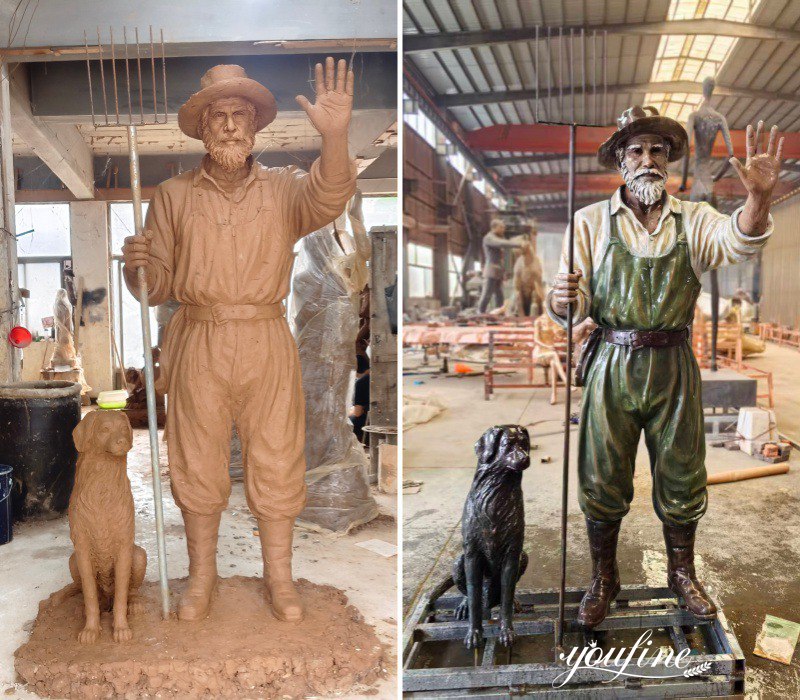
What Makes a Realistic Sculpture Look Natural?
A realistic sculpture succeeds when the whole form feels believable. Fine detail helps, but realism depends on more than detail.
Proportion Comes First
Before surface texture, facial details, or clothing folds, the main proportion must be right.
In a human figure, the relationship between head size, shoulder width, arm length, leg length, and body mass must feel natural. In an animal sculpture, body length, leg position, neck angle, and head size must match the species and pose.
If proportion is wrong, later finishing cannot fully fix the problem. From my experience, proportion review should happen early, before final production.
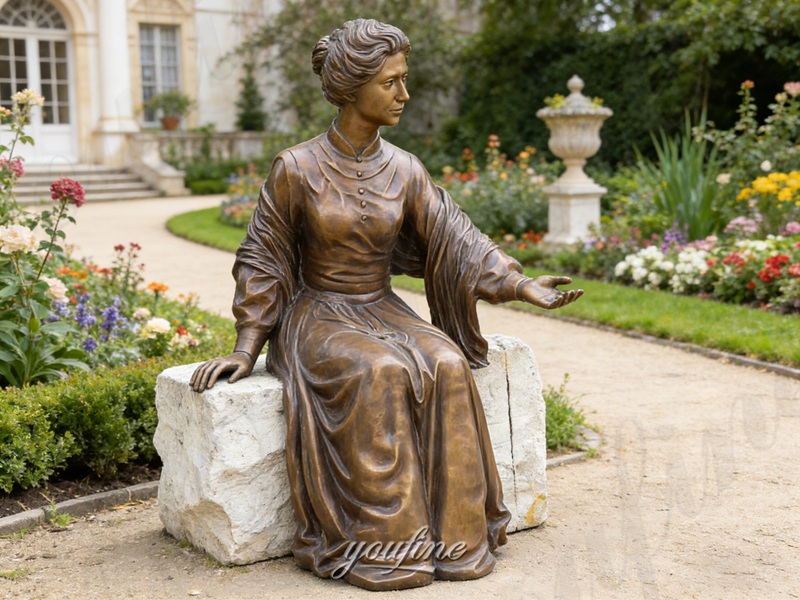
Posture Must Feel Alive
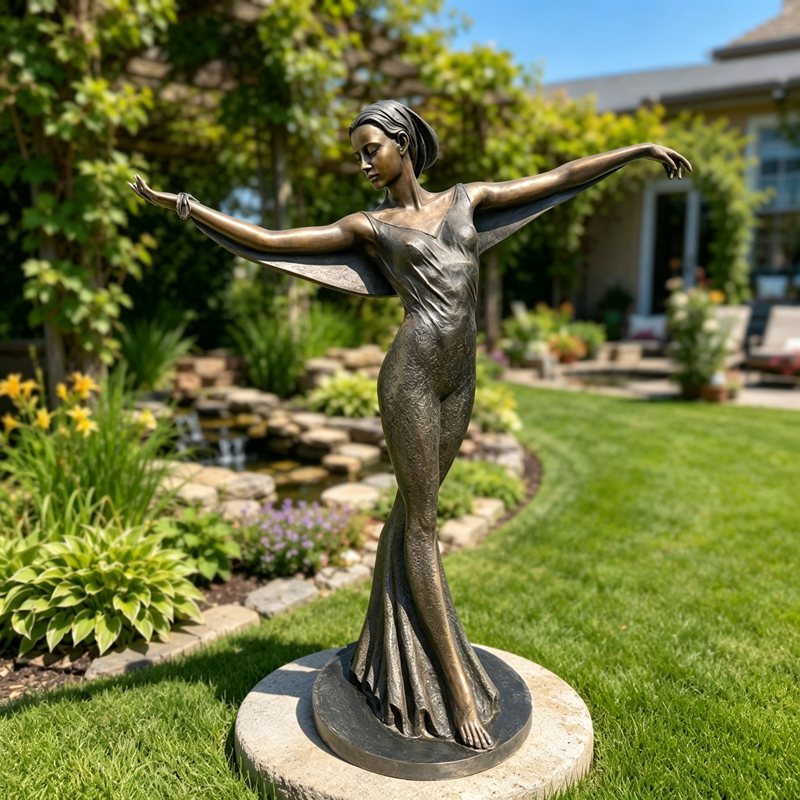
A realistic figure can be technically accurate but still feel lifeless if the posture is too stiff. Natural posture includes weight shift, balance, shoulder angle, spine movement, hand position, and direction of the eyes.
For example, a standing human figure usually does not place weight equally on both legs in a perfectly mechanical way. A horse, lion, bird, or dog also has natural balance depending on whether it is resting, walking, running, or turning.
For a public or commercial space, posture affects not only realism but also emotional impact. A welcoming posture, heroic posture, calm posture, or dynamic posture can change the whole message of the artwork.
Expression Needs Control
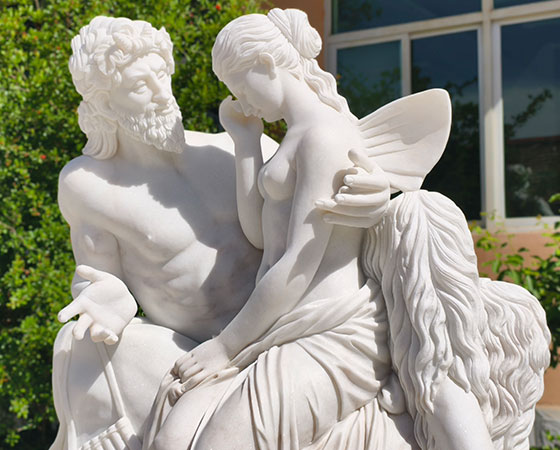
Facial expression is one of the hardest parts of realistic sculpture. A small change in the eyes, mouth, cheek, or eyebrow can change the emotion completely. For portrait sculptures or commemorative figures, expression must be reviewed carefully because stakeholders may have strong expectations.
I usually recommend that customers review close-up images of the face from several angles, not only the front view. A face that looks correct from the front may look different from a side angle.
Details Should Support the Whole Sculpture
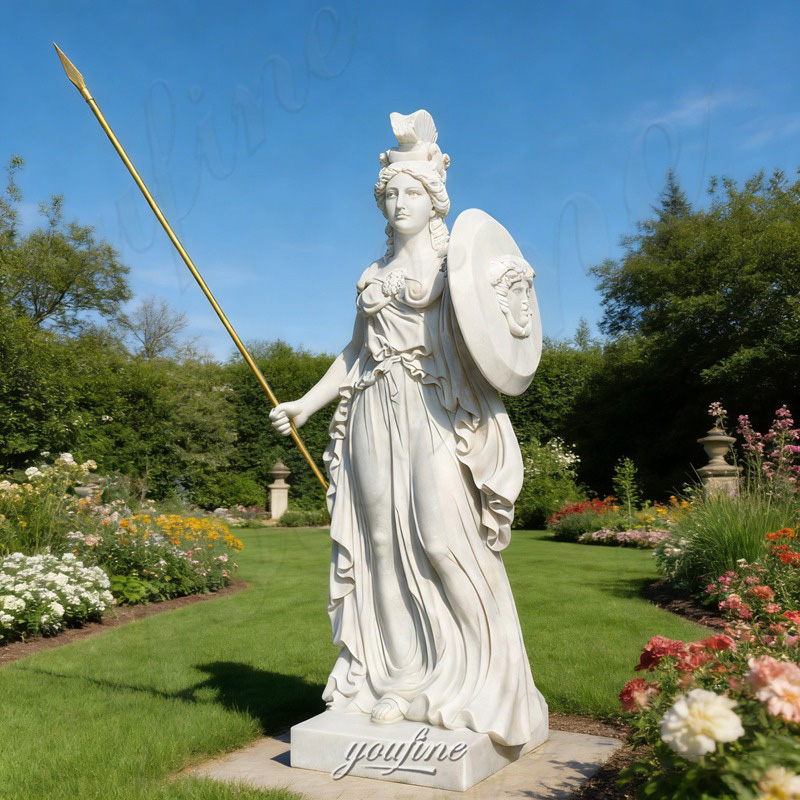
Clothing folds, hair strands, skin wrinkles, muscles, animal fur, and object textures can make realistic sculpture richer. But too much detail in the wrong place can look heavy or unnatural. Good detail should support the form, not hide structural problems.A professional review should always move from large form to small detail:
- Overall shape and scale
- Proportion and posture
- Anatomy and gestureFace, hands, and key expressive areas
- Texture and surface finishing
How Materials Affect Realistic Sculpture
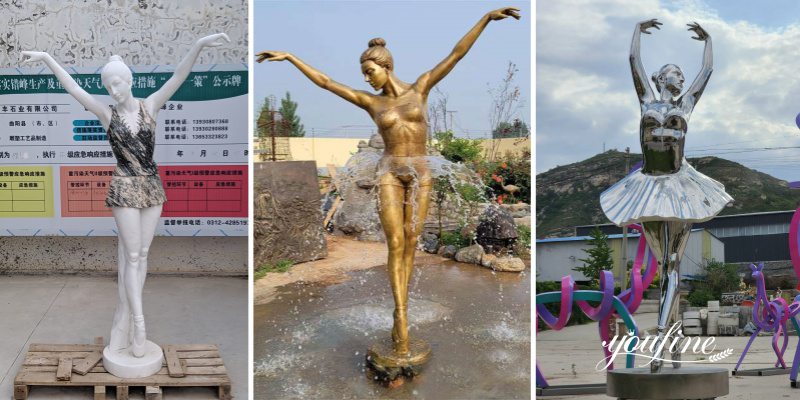
Different materials can produce different types of realism. It is not accurate to say that every material can achieve the same effect. Material choice affects detail retention, surface texture, durability, weight, finish, budget expectations, and installation requirements.
Here is a practical comparison I often use when discussing material direction with designers and architects:
| Material | Realistic Effect | Strengths | Points to Consider |
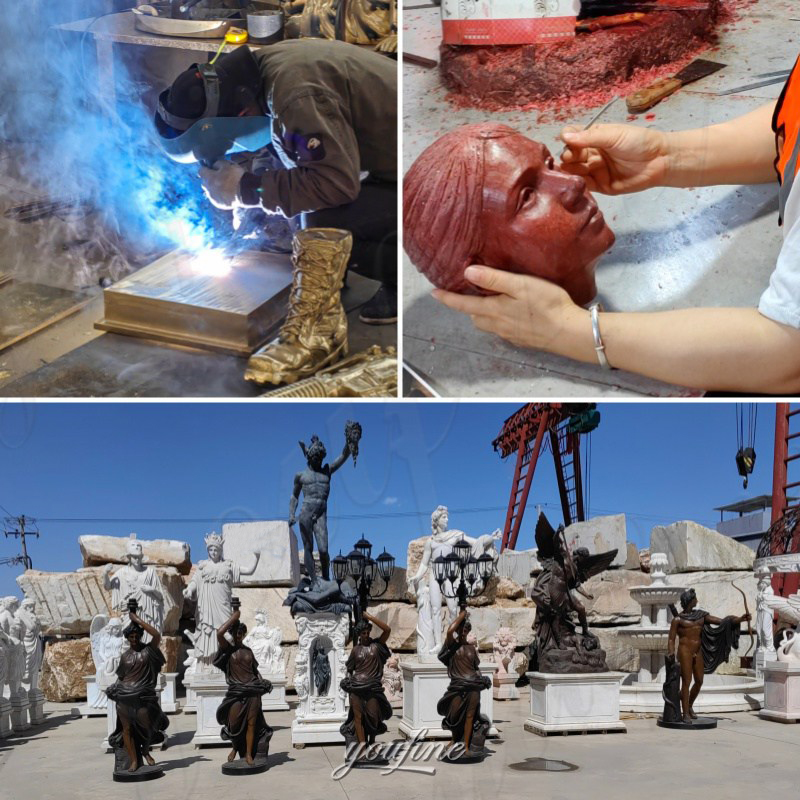
| Bronze | Strong for figures, portraits, animals, and public art | Durable, expressive, suitable for patina finishes, good detail retention | Requires professional casting, chasing, welding, and patina control |
| Marble | Classical and refined realism | Natural stone beauty, strong cultural and artistic feeling | Detail depends on stone quality and carving skill; fragile thin parts need care |
| Stainless steel | Can be realistic, but often more stylized depending on finish | Strong, modern, durable, reflective or polished effects | Very fine organic detail may be harder than bronze or resin-based methods |
| Fiberglass | Flexible for large forms and painted realistic surfaces | Lightweight, useful for commercial, indoor, themed, or decorative projects | Surface coating and internal structure must be considered |
| Resin | Good for detailed models, indoor works, or controlled environments | Can capture fine detail, suitable for painted realism | Outdoor durability depends on formulation, coating, and environment |
| Mixed media | Useful when one material cannot achieve all effects | Allows special textures, colors, or practical solutions | Needs clear technical planning and maintenance expectations |
When choosing material, I suggest asking three questions:
- Where will the sculpture be installed? Indoor, outdoor, coastal, garden, lobby, museum, hotel, shopping mall, or public plaza?
- How close will people stand to it? Close viewing needs better detail and finishing control.
- What feeling should the material create? Classical, solemn, warm, modern, playful, commemorative, or luxurious?
Where Realistic Sculpture Works Best
Realistic sculpture is powerful when the project needs emotional recognition. It helps people connect quickly because the subject is familiar and understandable.
It is often suitable for:
- Historical memorials
- Cultural and civic projects
- Portrait busts and commemorative figures
- Hospitality and commercial storytelling
- Landscape animal sculptures
- Museum, education, and exhibition spaces
- Religious or ceremonial artworks
- Brand characters or themed environment design
- Public art that needs broad audience understanding
For example, a realistic human figure can create memory and respect. A realistic animal sculpture can bring energy, nature, or symbolic meaning into a landscape. A realistic object can support brand identity or themed commercial design.
But I do not suggest realistic sculpture for every space. In some architectural projects, an abstract, minimalist, geometric, or symbolic sculpture may fit better. If the building language is very modern and clean, a highly detailed realistic figure may feel visually heavy unless the design concept supports it.
A good decision is not “realistic is better” or “abstract is better.” The better question is:
“Which sculptural language best supports the space, the story, and the viewer experience?”

Can the Final Effect Be Confirmed from Images Alone?
Images are useful, but one image is not enough to confirm a realistic sculpture. This is especially true for large-scale projects, public installations, portrait figures, or sculptures with strong stakeholder attention.
A professional review process should include several confirmation stages.
| Review Stage | What to Check | Why It Reduces Risk |
| Concept direction | Subject, pose, mood, story, location, and size direction | Confirms that the sculpture fits the design intent |
| Reference confirmation | Photos, drawings, historical material, or visual mood | Prevents misunderstanding of the target look |
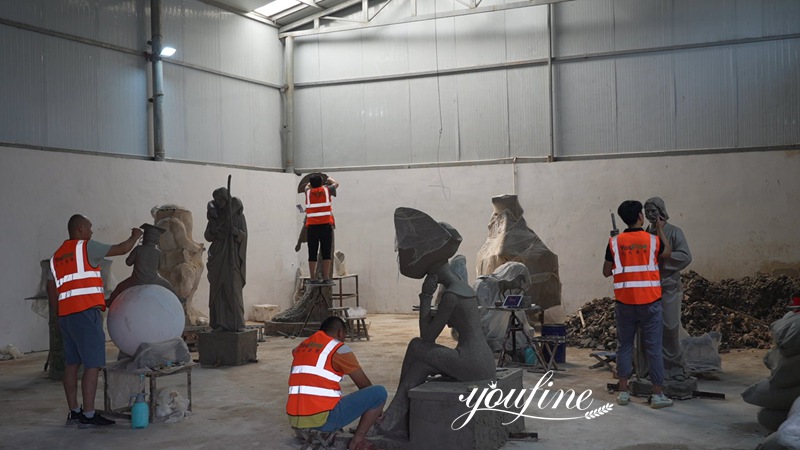
| Clay model or 3D model | Overall form, proportion, posture, gesture, and composition | Allows correction before final production |
| Multi-angle review | Front, side, back, close-up, and perspective views | Confirms the sculpture works in three dimensions |
| Material confirmation | Bronze, marble, stainless steel, fiberglass, resin, or other material | Aligns realism level, durability, and finish expectations |
| Surface finish review | Patina, polish, paint, texture, carving detail, or coating | Controls the final visual effect |
| Final inspection | Overall quality, details, surface, structure, and packing preparation | Helps avoid surprises before delivery or installation |
Designers and architects can also use these review stages to communicate with owners or committees. Instead of asking stakeholders to approve the whole sculpture from one rendering, it is safer to set clear confirmation points.
Three Key Confirmation Points for Stakeholders
When a realistic sculpture is part of an architectural, landscape, hospitality, or public art project, approval often involves more than one person. The designer may like the concept, but the owner, developer, procurement team, cultural committee, or end user may have different concerns.
I recommend setting three main confirmation points.
1. Concept Direction Confirmation
At this stage, confirm the subject, story, mood, and location. The goal is not to approve every detail. The goal is to make sure all parties agree on the artistic direction.
Useful questions include:
- What is the sculpture meant to communicate?
- Should the feeling be solemn, friendly, heroic, elegant, natural, or dynamic?
- Is the realistic style suitable for the surrounding architecture?
- What is the expected viewing distance?
- Will viewers walk around the sculpture?
2. Proportion and Posture Confirmation
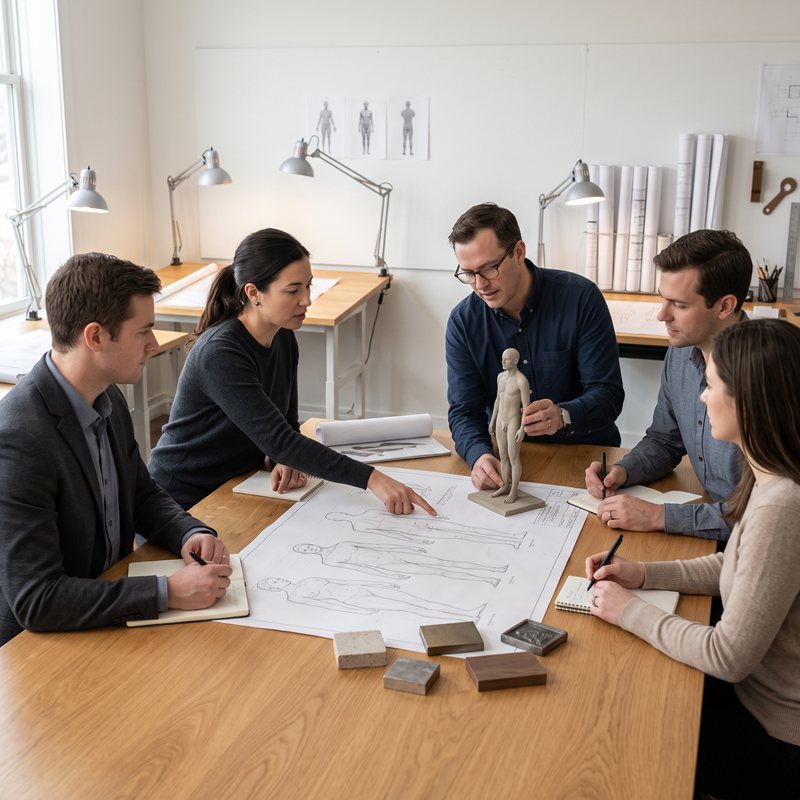
This is the most important artistic control stage. For realistic sculpture, the body form must feel natural before final material production begins.
Check:
- Overall size relationship
- Head and body proportion
- Limb or animal anatomy
- Balance and weight shift
- Gesture and movement
- Facial direction and expression
- View from multiple angles
A realistic sculpture should not only look acceptable from the main front view. It should feel believable as a full three-dimensional form.
3. Material and Surface Effect Confirmation
After the form is approved, the material and surface finish must be confirmed. This may include patina color, polishing level, painted finish, texture, stone surface, or protective coating.
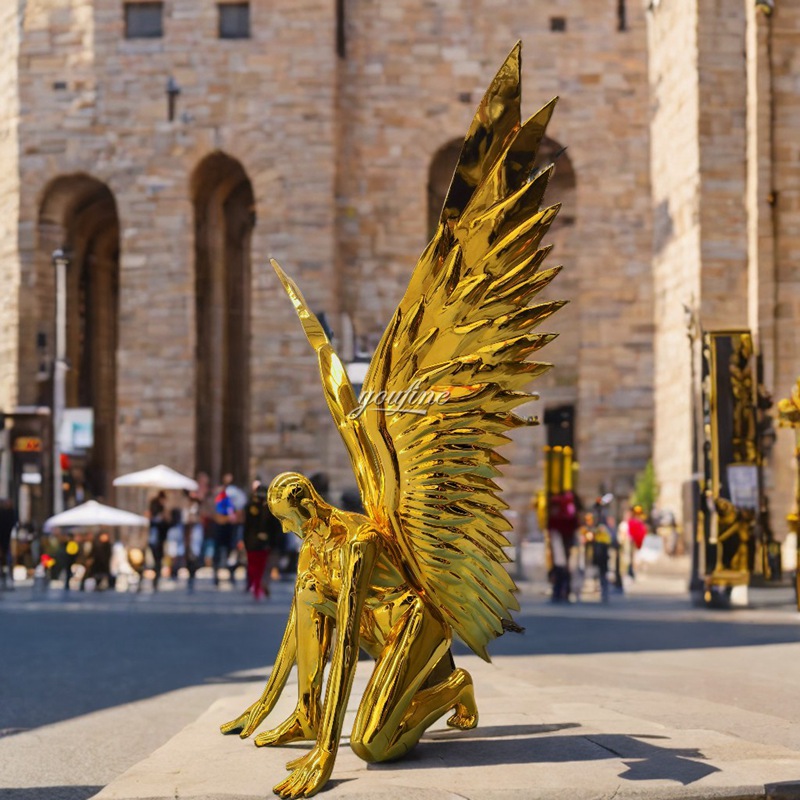
This stage is important because two sculptures with the same shape can feel very different depending on the finish. A dark bronze patina may feel solemn and historical. A light painted finish may feel more vivid and commercial. A polished stainless steel surface may feel modern but less soft in anatomical detail.
Why Realistic Sculpture Prices Vary
I avoid giving unsupported price promises because realistic sculpture cost depends on many project-specific factors. If two suppliers quote very different prices, the difference may come from material, production method, modeling quality, review process, finishing level, structural requirements, or installation support.
Here are the main cost drivers to consider:
| Cost Factor | Typical Variation | Why It Affects Price |
| Size | Small bust, life-size figure, oversized public sculpture | Larger works need more material, labor, structure, and packing |
| Complexity | Simple standing pose or complex movement with many details | More complex anatomy and gesture require more modeling time |
| Expression level | General face, portrait likeness, emotional expression | Portrait and facial work require tighter review |
| Material | Bronze, marble, stainless steel, fiberglass, resin, mixed media | Each material has different labor, process, and finishing needs |
| Production method | Hand modeling, carving, casting, fabrication, mold making | Different methods involve different technical stages |
| Surface finish | Basic finish, detailed patina, painting, polishing, texture work | Finish quality strongly affects the final realistic effect |
| Structure | Indoor display or outdoor public installation | Outdoor and large works may need stronger internal support |
| Review stages | Limited review or multiple model and finish approvals | More approvals can improve control but require time and labor |
| Installation context | Simple placement or engineered site installation | Site conditions may require coordination and special planning |
A lower price is not always a better value if the process does not include proper model review, multi-angle checking, or finish confirmation. For realistic sculpture, the biggest risk is not only material quality. It is also whether the final form looks natural and satisfies the stakeholders.
Practical Checklist Before Choosing Realistic Sculpture
Before presenting a realistic sculpture proposal to a project owner, I suggest using this checklist.
| Question | Why It Matters |
| Does the project need a recognizable human, animal, object, or scene? | Realism works best when recognition supports the story |
| Does the surrounding design style support realism? | Prevents visual conflict with the architecture |
| Is the viewing distance suitable for the planned detail level? | Avoids over-detailing or under-detailing |
| Are there enough reference materials? | Helps improve accuracy and reduce misunderstanding |
| Has the material been matched to the environment? | Supports durability and visual effect |
| Will stakeholders approve model stages before production? | Reduces final-result risk |
| Is there a clear revision process? | Prevents confusion during approval |
| Are packing, shipping, and installation considered? | Important for large or delicate sculptures |
If most answers are clear, realistic sculpture may be a strong direction. If many answers are uncertain, the concept may need more development before production begins.
How to Evaluate a Realistic Sculpture Supplier
For a designer or architect, supplier evaluation should focus on evidence, not only words. If a supplier says they can make realistic sculpture, ask how the result will be controlled.
I suggest requesting the following:
| Evidence to Request | What It Shows |
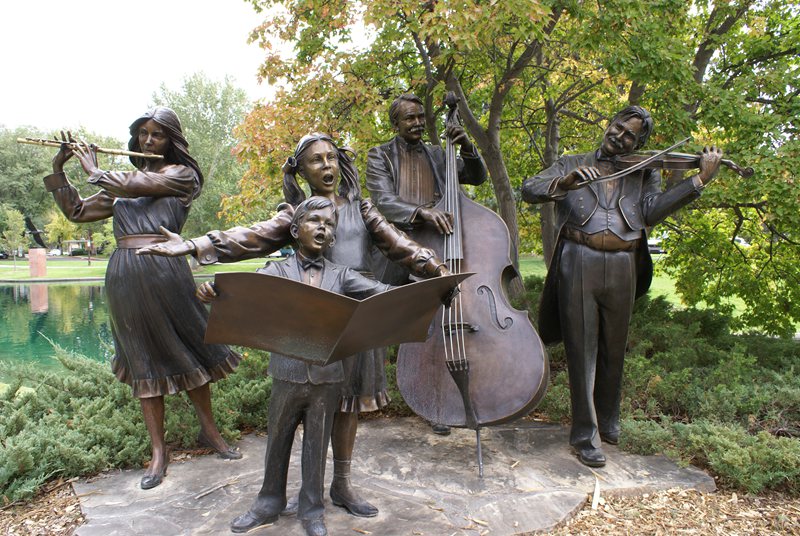
| Multi-angle photos of previous realistic sculptures | Whether the work holds up from all views |
| Close-up images of faces, hands, textures, or animal details | Level of detail and finishing skill |
| Clay model or 3D model approval images | Whether the supplier has a review process before production |
| Scale reference images | Whether size and viewing relationship are clearly understood |
| Material and finish samples or close-up finish photos | Whether the final surface effect matches the design direction |
| Explanation of revision handling | Whether changes can be made at the correct stage |
| Packing and installation discussion | Whether the supplier understands project delivery requirements |
A professional supplier should be able to explain limitations as well as possibilities. For example, they should not promise that every material will give the same level of realism. They should not ask for final approval from one unclear image. They should not ignore posture, scale, or viewing angle.
For project purchasing, clear communication is very important. Before approval, I suggest preparing:
- Project drawings or site photos
- Intended sculpture location
- Approximate size expectations
- Main viewing angles
- Reference images
- Preferred material
- Indoor or outdoor environment
- Stakeholder approval requirements
- Installation limitations, if known
This information helps determine whether the realistic sculpture concept is practical and what review steps are needed.
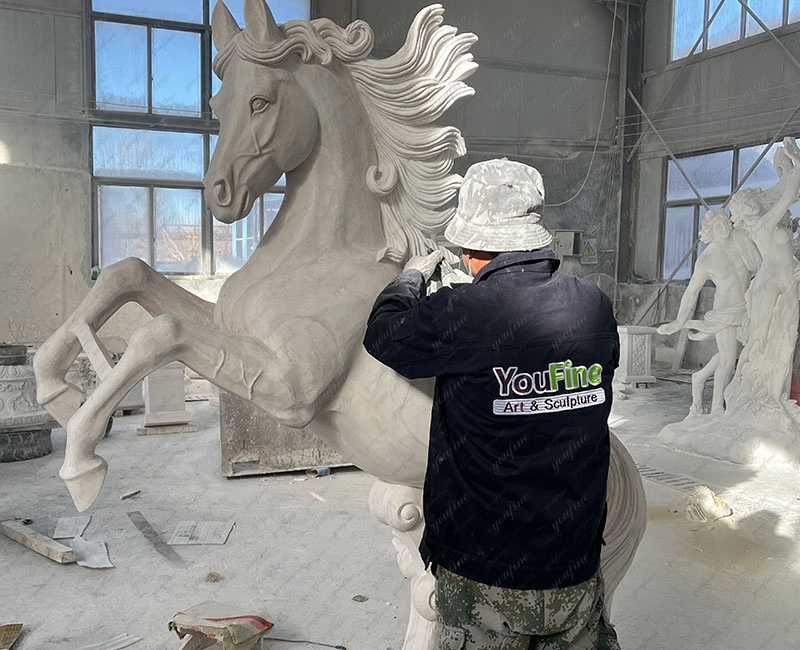
Frequently Asked Questions
1.Is realistic sculpture the same as a perfect copy of a photo?
No. Realistic sculpture may use photos as references, but it must be developed as a three-dimensional artwork. A single photo shows one angle, while a sculpture must look natural from many angles and under changing light. Artistic judgment is still necessary.
2. Can any material create the same realistic effect?
No. Different materials have different strengths and limits. Bronze can hold expressive detail and is widely used for outdoor figures and portraits. Marble has a classical natural beauty but depends on carving skill and stone conditions. Fiberglass and resin can support painted realism, especially for indoor or commercial uses. Stainless steel can be realistic but often gives a more modern or stylized effect.
3. What should I approve before final production begins?
At minimum, I suggest approving the concept direction, proportion, posture, and material direction before final production. For important projects, multi-angle clay model or 3D model review is very helpful. Surface finish should also be confirmed before final delivery.
4. Why does a realistic sculpture sometimes look wrong even when it has many details?
Detail alone does not create realism. If the proportion, anatomy, balance, or posture is wrong, the sculpture may feel unnatural. A figure can have detailed hair, clothing, or skin texture but still fail if the body structure feels stiff or inaccurate.
5. Is realistic sculpture suitable for modern architecture?
Sometimes yes, but not always. A realistic sculpture can create contrast, human warmth, memory, or storytelling in a modern space. However, if the design concept is strongly abstract or minimal, a symbolic or contemporary sculpture may fit better. The decision should be based on the space, narrative, and viewer experience.
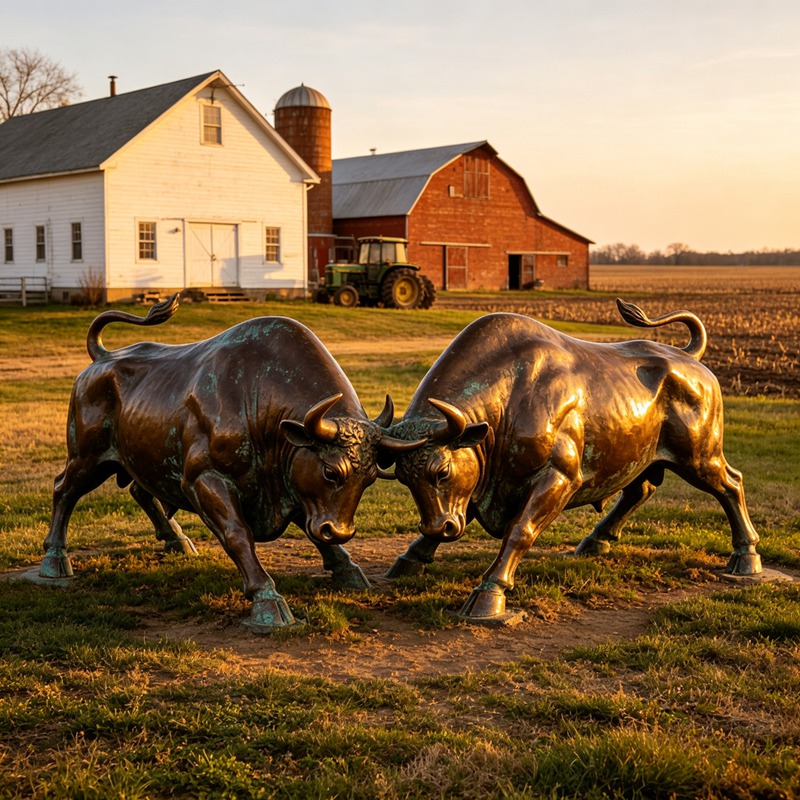
Conclusion: Realistic Sculpture Is Lifelike, But It Must Be Controlled
Realistic sculpture is a lifelike sculptural expression of people, animals, objects, or scenes. It depends on proportion, anatomy, posture, gesture, expression, texture, material, surface finish, and viewing context. It is not simple photo duplication, and it should not be approved from one image alone.
For designers and architects, the most important decision is not only whether the sculpture “looks real.” The better question is:
“Can this realistic sculpture support the project story, suit the space, satisfy stakeholders, and be controlled through a clear approval process?”
From my experience, realistic sculpture works best when the concept direction is clear, the material is suitable, the model is reviewed from multiple angles, and stakeholders approve the key stages before final production.
If you are considering realistic sculpture for a building, landscape, hospitality, cultural, commercial, or public art project, I can help you evaluate the direction in a practical way. You may share your project drawings, site photos, reference images, intended location, size expectations, preferred material, and approval requirements with You Fine Art Sculpture, and I can provide a feasibility judgment before you move further into production planning.