When clients choose an outdoor stainless steel sculpture, one of the first questions they often ask me is:
“Will stainless steel sculpture rust after being placed outdoors for many years?”
I’m Dora, Director and Artist at YouFine Sculpture. Over the years, I have worked with different sculpture materials, participated in custom sculpture projects, and communicated with clients from different countries about their outdoor art installations.
From my experience, stainless steel is one of the most reliable materials for outdoor sculptures. However, many people misunderstand one point: stainless steel does not mean it can never corrode.
The correct answer is:
High-quality stainless steel sculptures do not rust like ordinary steel, but under certain extreme conditions, their surfaces may experience corrosion, discoloration, or rust-like stains.
The long-term performance of a stainless steel sculpture depends on more than just the material itself. Material selection, welding quality, surface treatment, and manufacturing standards all play important roles.
In this article, I will share my professional understanding of why stainless steel sculptures rust, how long they can last outdoors, and how YouFine prevents corrosion through every stage of production.
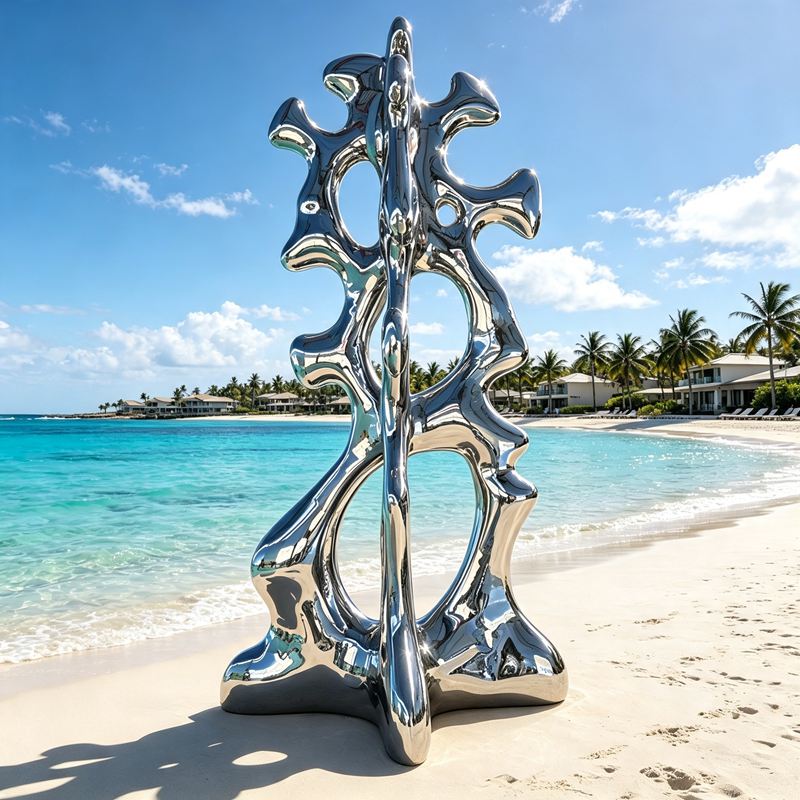
What Causes Stainless Steel Sculpture to Rust?
Many people think stainless steel is completely resistant to rust. In reality, stainless steel is “stainless” because of its ability to protect itself.
The chromium contained in stainless steel reacts with oxygen to create a thin protective layer called a passive oxide film. This invisible layer helps prevent further corrosion.
However, this protective layer can be affected by several factors.
1. Harsh Outdoor Environments
Outdoor sculptures are exposed to changing weather conditions every day, including:
- Rain
- Humidity
- UV exposure
- Air pollution
- Salt spray near coastal areas
During my communication with clients around the world, I have found that location is one of the most important factors when selecting stainless steel materials.
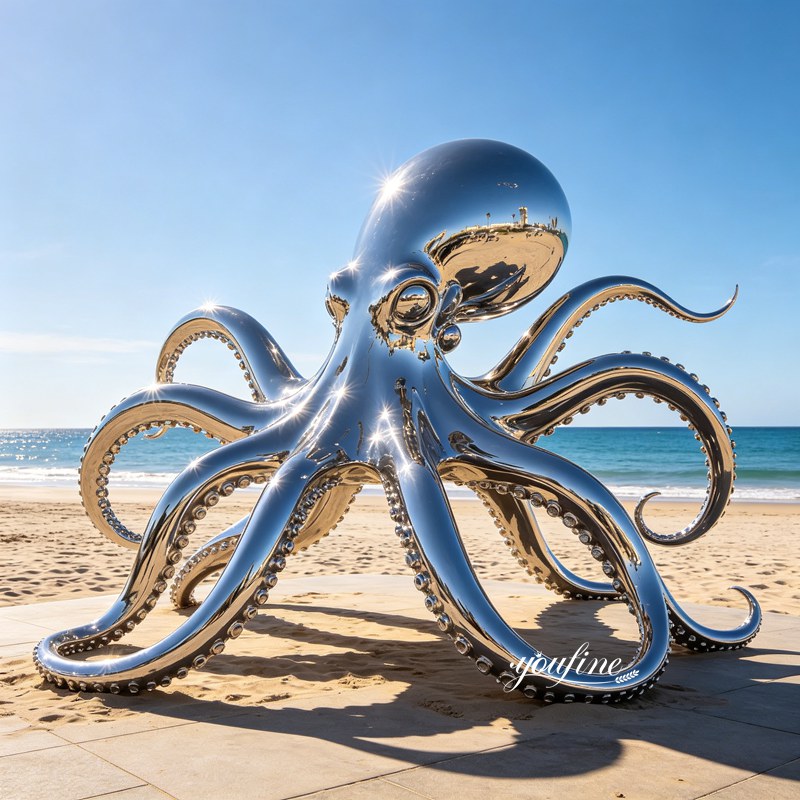
For example, a sculpture installed in a seaside resort faces a much more challenging environment than one placed in an indoor exhibition hall. Salt and chloride ions can gradually damage the protective layer on stainless steel surfaces if the material and finishing process are not properly selected.
2. Incorrect Stainless Steel Grade Selection
Different stainless steel grades provide different levels of corrosion resistance.
The two most commonly used materials for stainless steel sculptures are:
2.1 304 Stainless Steel: 304 stainless steel provides excellent corrosion resistance and is widely used for many outdoor sculptures in normal environments.
2.2 316 Stainless Steel: 316 stainless steel contains molybdenum, which provides better resistance against chloride corrosion. It is often recommended for:
- Coastal areas
- Marine environments
- High-humidity locations
- Projects requiring extra durability
At YouFine, we select stainless steel materials according to the sculpture’s location, size, and installation environment rather than simply choosing one material for every project.
3. Surface Contamination
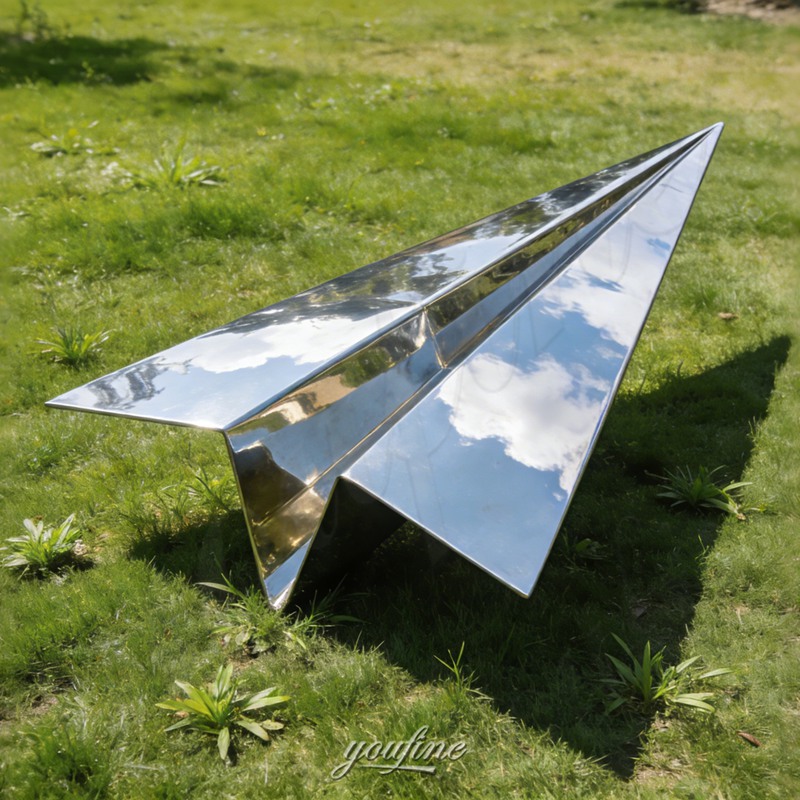
Sometimes what looks like rust on a stainless steel sculpture is not actually corrosion of the stainless steel itself.
During outdoor installation, iron particles, construction dust, or metal contamination may attach to the surface and create rust-colored spots.
Regular cleaning and professional surface treatment can help maintain the original appearance of the sculpture.
4. Poor Welding and Manufacturing Processes
In my opinion, the material is only one part of the sculpture’s lifespan.
The craftsmanship behind the sculpture is equally important.
During stainless steel sculpture production, welding areas require special attention. Improper welding or insufficient finishing around weld seams may reduce corrosion resistance.
Professional welding, grinding, and polishing help restore the surface quality and maintain the protective properties of stainless steel.

How Long Do Stainless Steel Sculptures Last Outdoors?
A well-made stainless steel sculpture can usually last for 30–50 years or even longer outdoors when the correct material and manufacturing processes are used.
However, the actual lifespan depends on:
- Stainless steel grade
- Installation environment
- Sculpture structure
- Welding quality
- Surface finishing
- Maintenance
Throughout my years working with sculpture projects, I have learned that durability is not created by one single process. It is the result of many details working together.
A large outdoor sculpture may look simple from the outside, but inside it contains careful engineering, craftsmanship, and quality control.
For more detailed info: How Long Can Stainless Steel Sculptures Last?

How to Prevent Stainless Steel Sculpture from Rusting?
Proper design, production, and maintenance can significantly extend the lifespan of stainless steel sculptures.
1. Choose the Right Stainless Steel Material
The first step is selecting a suitable stainless steel grade.
- For general outdoor environments, 304 stainless steel is often suitable.
- For coastal or highly corrosive environments, 316 stainless steel provides additional protection.
A professional manufacturer should consider the environment before recommending materials.

2. Use Professional Welding Techniques
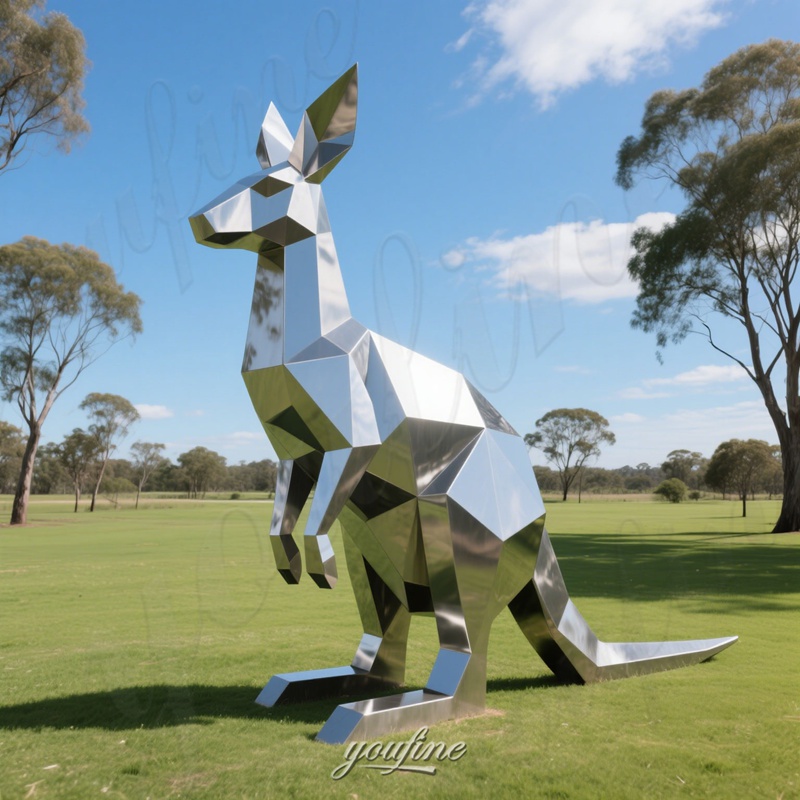
Welding is one of the most important steps in stainless steel sculpture production.
At YouFine, our craftsmen pay close attention to:
- Welding strength
- Weld seam treatment
- Surface smoothness after welding
- Overall structural stability
A sculpture should not only look beautiful but also remain strong and durable after years outdoors.
3. Apply Proper Surface Treatment
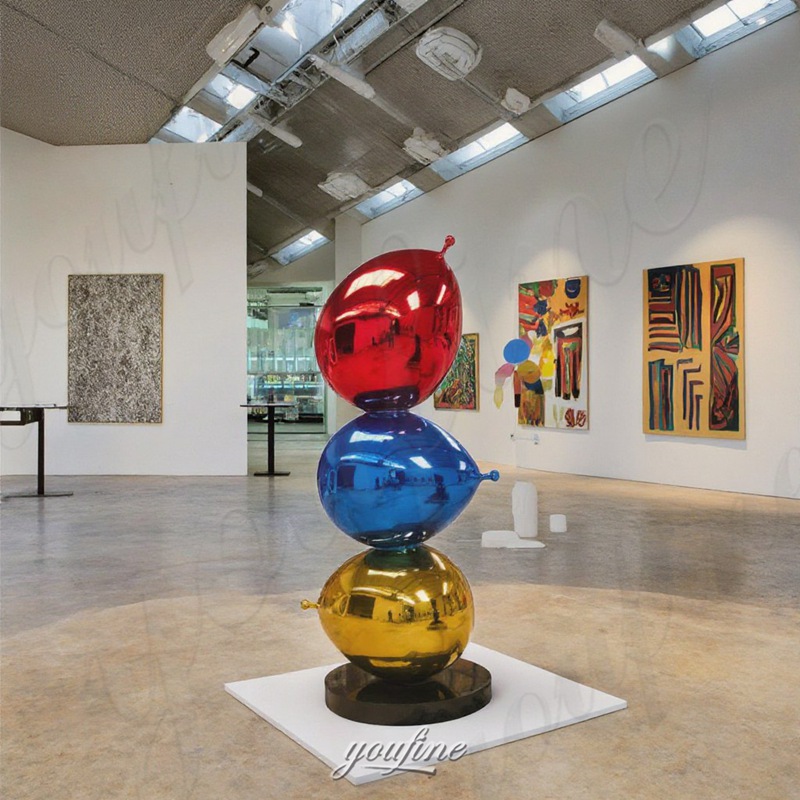
The final surface treatment affects both appearance and durability.
Common stainless steel sculpture finishes include:
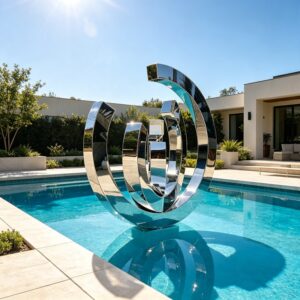
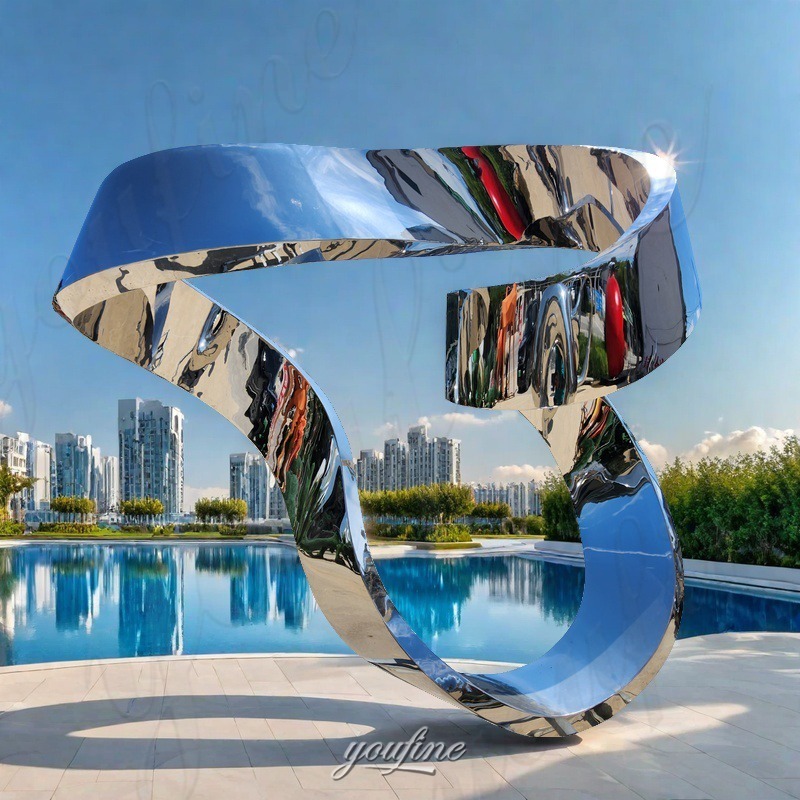
- Mirror Polishing: Creates a highly reflective and modern appearance.
- Brushed Finish: Provides a stylish texture and reduces visible fingerprints.
- Sandblasting: Creates a unique matte surface effect.
Different projects require different finishing solutions, and we choose the most suitable method according to the design concept and installation environment.
4. Regular Cleaning and Maintenance
Although stainless steel sculptures require less maintenance than many other materials, simple care can help preserve their beauty.
Recommended maintenance:
- Wash away dust and salt deposits regularly
- Use soft cleaning materials
- Avoid strong chemical cleaners
- Check the surface condition periodically
With proper care, stainless steel sculptures can maintain their original appearance for decades.
Stainless Steel vs Other Sculpture Materials
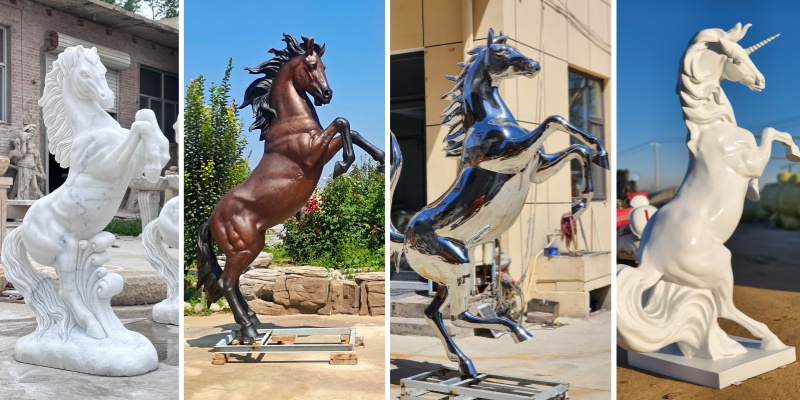
From my experience working with global clients, material selection is one of the most important decisions in outdoor sculpture projects. Below is a practical comparison based on real-world performance.
Material | Corrosion Resistance | Outdoor Durability | Maintenance | Key Characteristics |
Stainless Steel | Excellent | 50-200+ years | Low | Modern, reflective, strong, versatile |
Weathering Steel (Corten Steel) | Good (self-protecting rust layer) | 30–100 years | Medium | Industrial, natural rust appearance |
Bronze | Very good | 500-2000+ years | Medium | Classical, artistic patina over time |
Marble (Stone Sculpture) | Good (but weather-sensitive) | 50–100+ years | Medium–High | Elegant, traditional, but can erode |
Resin (Fiberglass Sculpture) | Moderate | 10–30 years | Low–Medium | Lightweight, cost-effective, less durable |
How YouFine Prevents Stainless Steel Sculpture from Rusting
At YouFine, we believe that creating a sculpture is not only about making an attractive artwork. A successful outdoor sculpture should continue to represent the designer’s vision for many years.
To achieve this, we focus on four important areas.
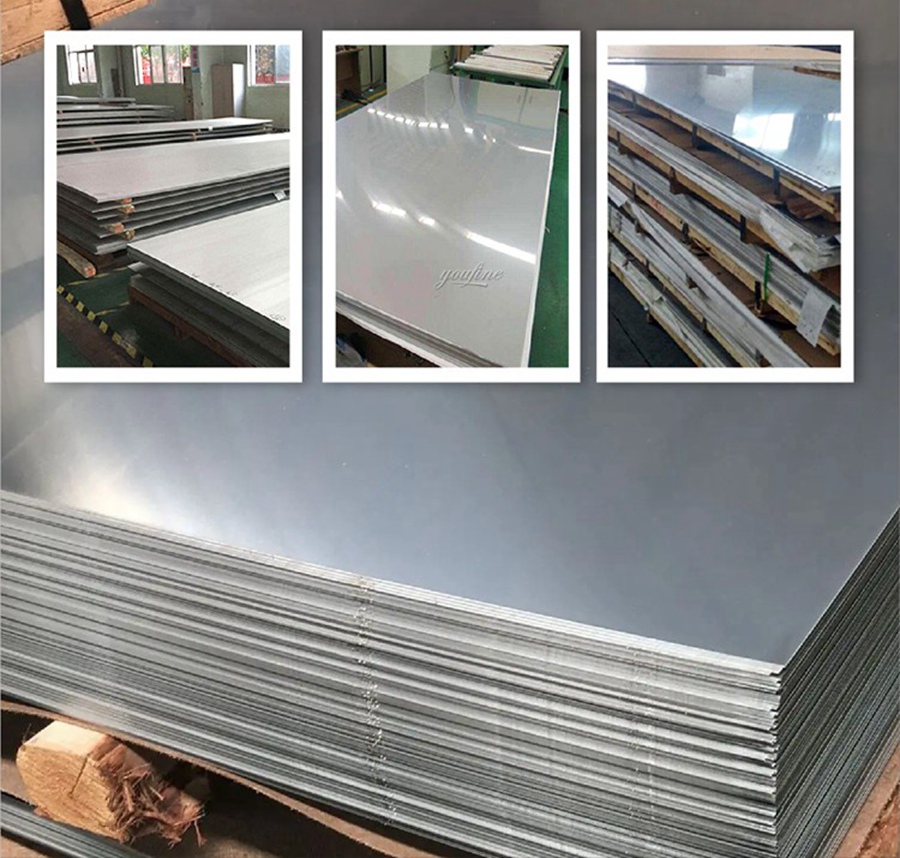
1. Careful Material Selection
Before production begins, we select the right stainless steel material based on the sculpture’s location, climate, and expected lifespan.
For outdoor stainless steel sculptures, the most commonly used materials are 304 and 316 stainless steel.
- 304 stainless steel offers excellent corrosion resistance and is suitable for most outdoor environments, such as gardens, parks, and architectural landscapes.
- 316 stainless steel provides stronger resistance to salt and chemical corrosion, making it a better choice for coastal areas, seaside resorts, and high-humidity environments.
At YouFine, we consider the installation environment and project requirements carefully to recommend the most suitable stainless steel grade, ensuring long-lasting beauty and durability.
2. Skilled Welding Process
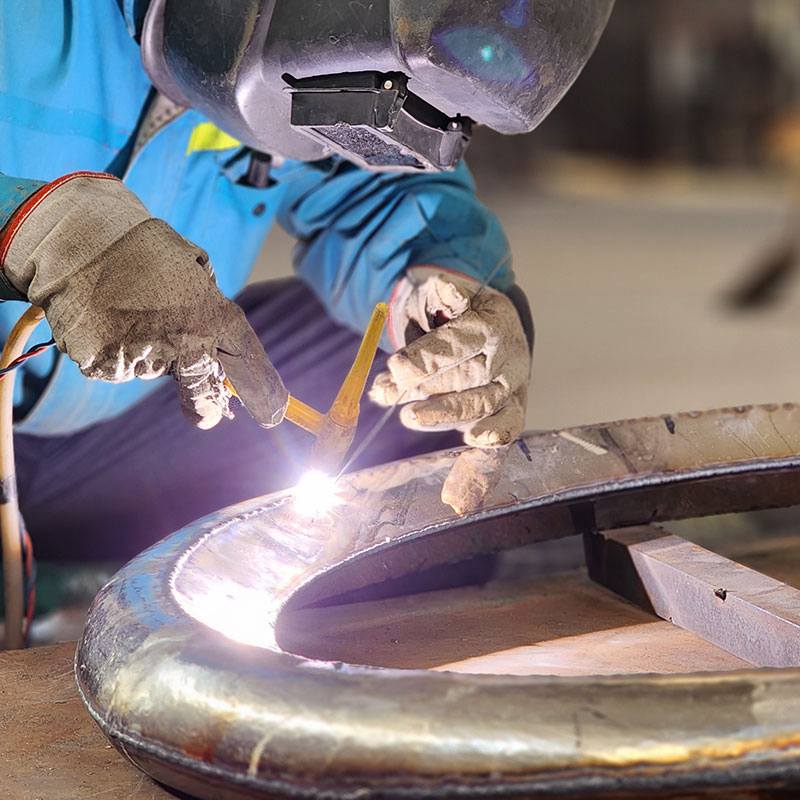
Welding quality plays an important role in the durability and appearance of stainless steel sculptures, especially for outdoor installations.
There are two common welding methods: spot welding and full welding.
Spot welding connects materials at specific points. It is faster and suitable for some internal structures, but small gaps may remain between welded areas, which can allow moisture to enter over time.
Full welding creates continuous weld seams along the connection areas. It provides better sealing performance, reduces the risk of water penetration, and improves the overall strength and durability of outdoor stainless steel sculptures.
At YouFine, we carefully select the appropriate welding method according to each project’s structure and environment. After welding, all visible weld areas are polished and finished to achieve a smooth, consistent surface.
3. Professional Surface Treatment
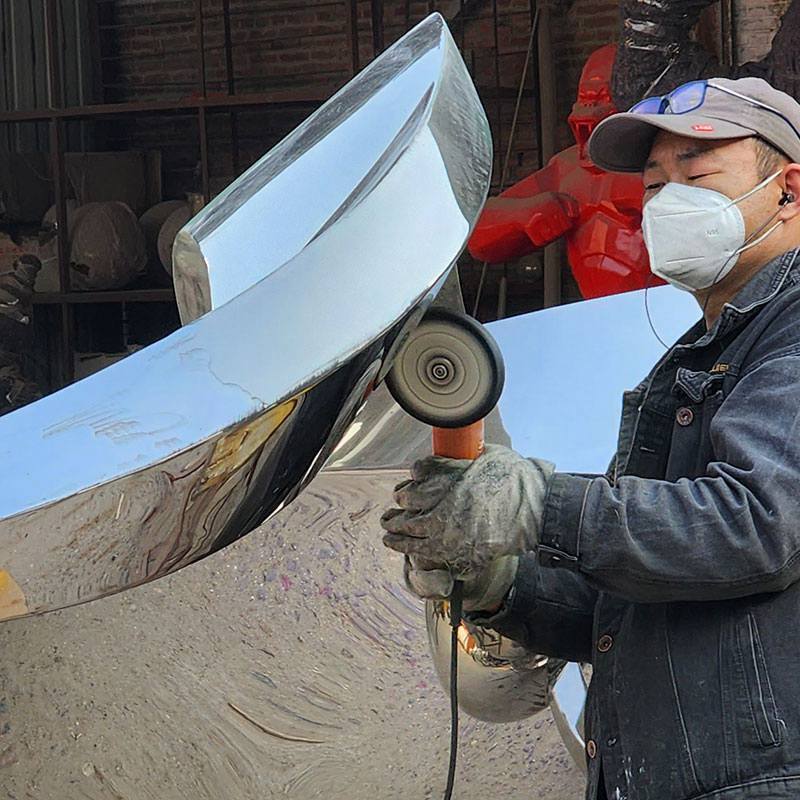
A beautiful stainless steel sculpture requires excellent finishing.
Our production process includes:
- Surface grinding
- Polishing
- Finishing treatment
- Detailed appearance inspection
These steps help improve corrosion resistance and create the final artistic effect.
3. Strict Quality Inspection Before Shipment
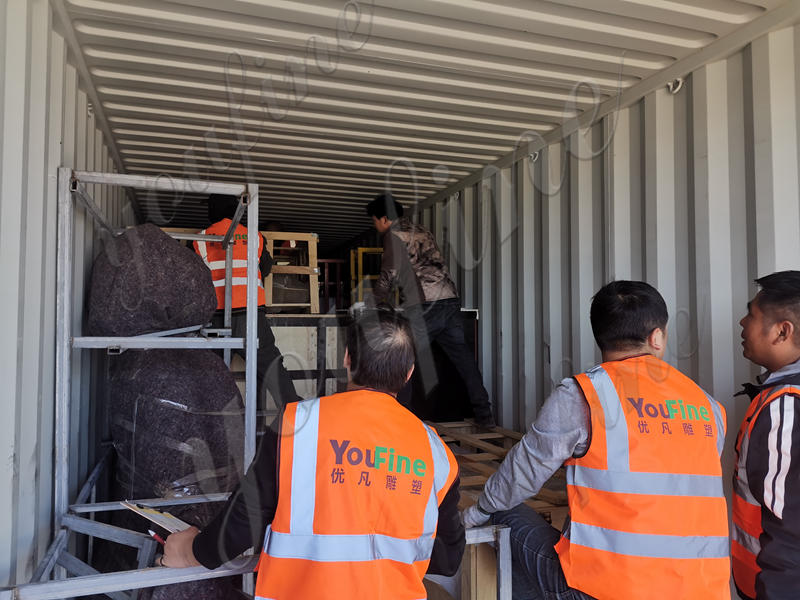
Before every sculpture leaves our workshop, YouFine conducts detailed inspections, including:
- Material checking
- Welding quality inspection
- Dimension verification
- Surface quality inspection
- Packaging inspection
We understand that every sculpture represents our client’s vision and investment, so quality control is an essential part of our responsibility.
Final Thoughts from Dora
So, does stainless steel sculpture rust?
My answer is:
A high-quality stainless steel sculpture should not rust easily. With the right material, professional craftsmanship, and proper maintenance, it can remain beautiful outdoors for decades.
After years of working with sculpture projects, I believe the true value of a sculpture is not only its appearance when it is newly installed, but also how well it continues to exist and communicate its artistic meaning over time.
At YouFine, we combine artistic creativity with manufacturing expertise to create stainless steel sculptures that are designed to last.
Whether you are planning a public art project, landscape sculpture, hotel decoration, or custom outdoor installation, we are always ready to provide professional sculpture solutions.