Equestrian statues are among the most powerful and enduring forms of public art. Found in city squares, government buildings, memorial parks, museums, and private estates around the world, these sculptures typically depict an important person riding a horse. From ancient emperors and military commanders to modern national heroes, equestrian statues have long been used to celebrate leadership, achievement, and lasting influence.
But what is the true meaning of an equestrian statue?
The symbolism goes far beyond simply showing a rider on horseback. Throughout history, horse statues have represented strength, courage, freedom, loyalty, and prestige. When combined with a human figure, the equestrian statue becomes a visual statement of authority, honor, and accomplishment. For this reason, equestrian monuments have remained one of the most respected forms of commemorative sculpture for more than two thousand years.
In this guide, we will explore the meaning behind equestrian statues, the symbolism of different horse poses, their historical origins, famous examples around the world, and why they continue to be commissioned today.
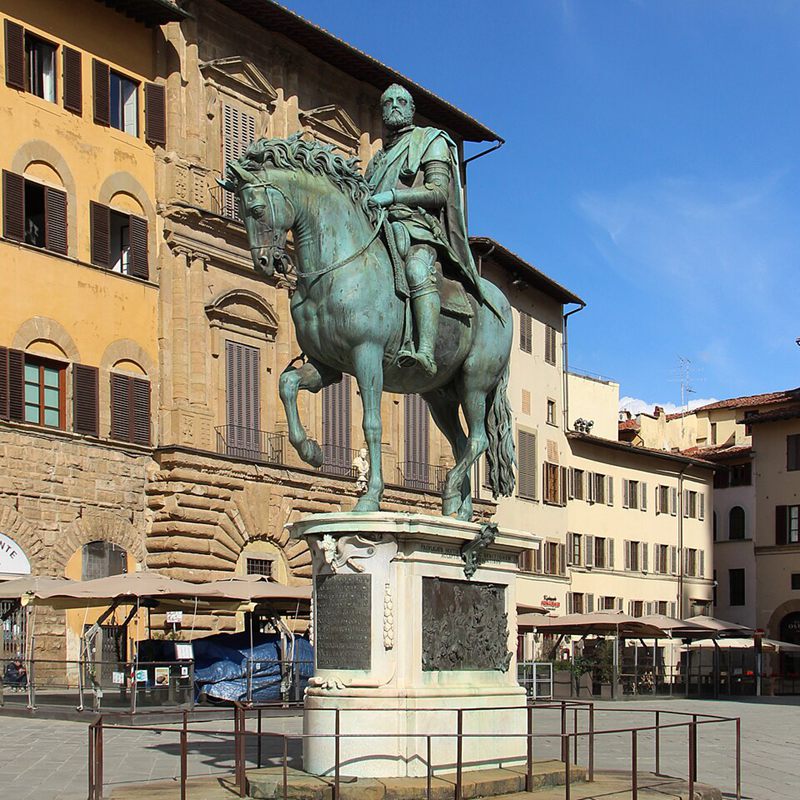
What Is an Equestrian Statue?
An equestrian statue is a sculpture that depicts a rider mounted on a horse. The rider is often a king, emperor, military leader, national hero, or other influential figure whose achievements are considered worthy of public remembrance.
The word “equestrian” comes from the Latin word eques, meaning “horseman” or “knight.” Historically, only individuals of high social status or exceptional accomplishment were honored with equestrian monuments because horses themselves were valuable symbols of wealth, power, and military strength.
Equestrian statues can be created from various materials, including bronze, marble, stone, and stainless steel. However, bronze has traditionally been the preferred material because of its durability, artistic detail, and ability to withstand outdoor conditions for centuries.
Today, equestrian statues can be found in a wide variety of settings, including:
- Public squares and city landmarks
- Government buildings
- Historical memorial sites
- Museums and cultural institutions
- Luxury estates and private gardens
- Equestrian clubs and horse farms
- Corporate headquarters and commercial developments
Whether commemorating a historical figure or serving as a decorative focal point, the equestrian statue continues to symbolize leadership, prestige, and lasting legacy.
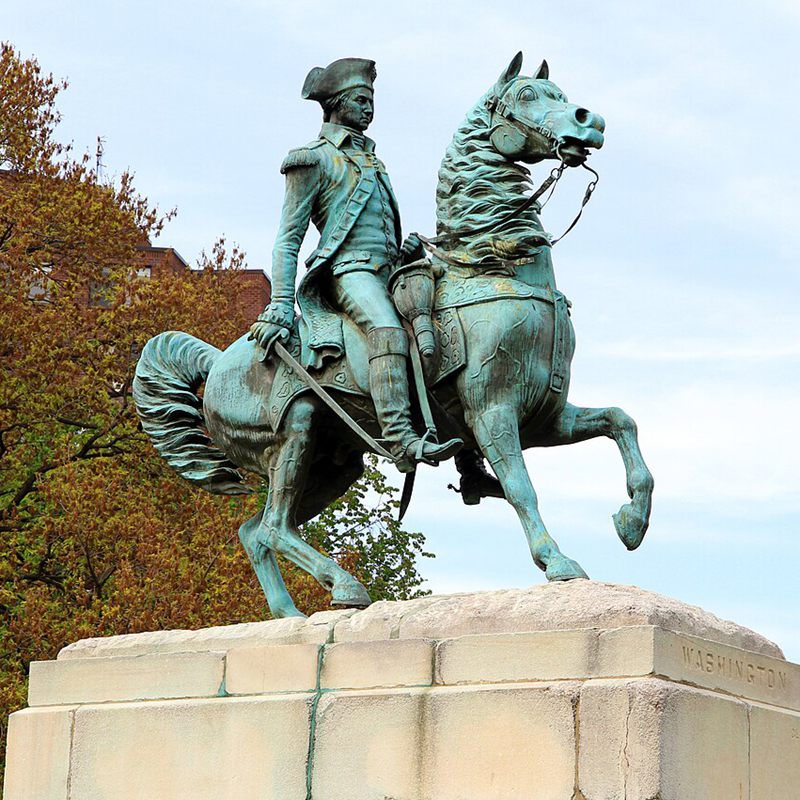
What Does an Equestrian Statue Symbolize?
Leadership and Authority
One of the most common meanings of an equestrian statue is leadership. Throughout history, rulers and commanders were often portrayed on horseback because the horse elevated them above others and visually emphasized their authority.
A mounted figure appears confident, commanding, and capable of guiding people toward a common goal. This symbolism explains why emperors, kings, presidents, and military leaders are frequently depicted in equestrian monuments.
Courage and Heroism
Horses have long been associated with bravery in battle and the willingness to face danger. As a result, equestrian statues often represent courage, sacrifice, and heroic achievement.
Many monuments honor individuals who demonstrated exceptional determination during times of war, national crisis, or social change. The image of a rider controlling a powerful horse reinforces the idea of strength under pressure and victory over adversity.
Victory and Military Success
Historically, horses played a crucial role in warfare. Cavalry units were often the most mobile and influential forces on the battlefield. Consequently, equestrian statues became a natural way to celebrate military victories and successful commanders.
Even in modern times, many equestrian monuments continue to symbolize triumph, strategic leadership, and national pride.
Honor and Legacy
An equestrian statue is often created to preserve the memory of an important person for future generations. Unlike temporary memorials, large bronze monuments are designed to endure for decades or even centuries.
For this reason, equestrian statues frequently symbolize honor, remembrance, and a lasting contribution to society.
Freedom and Ambition
A horse in motion conveys energy, independence, and forward momentum. Many modern equestrian sculptures use dynamic horse poses to symbolize personal ambition, progress, and the pursuit of excellence.
This symbolism has made horse-and-rider sculptures increasingly popular in corporate campuses, luxury developments, and private estates where they represent vision, success, and aspiration.
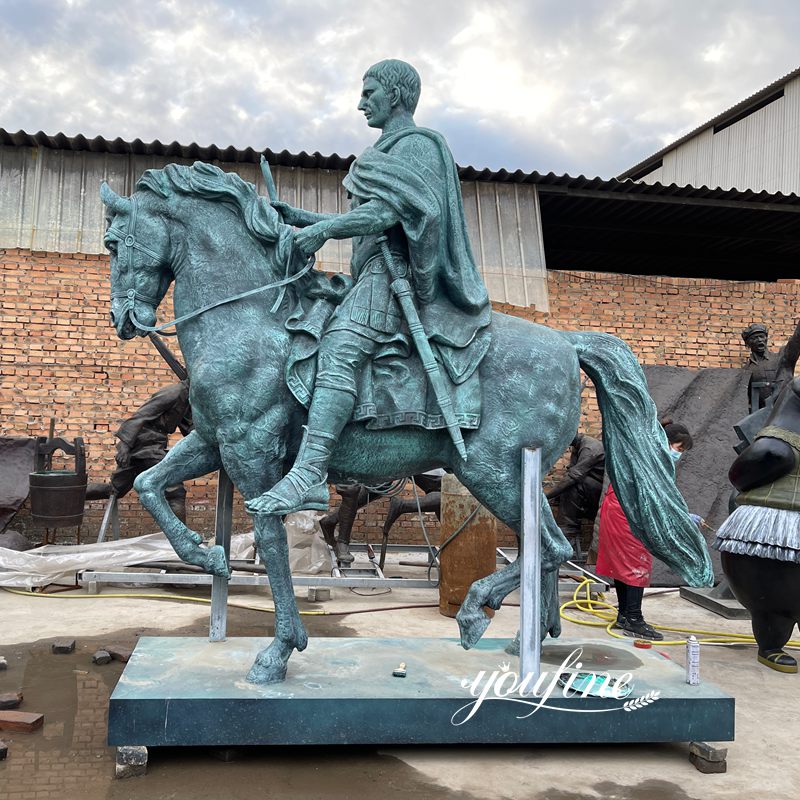
Does the Horse’s Pose Have a Meaning?
One of the most frequently discussed aspects of equestrian statues is the position of the horse. Many people believe that the horse’s stance reveals information about the rider’s life, achievements, or even the manner of their death.
While some of these interpretations are based on tradition rather than strict historical rules, horse poses do carry symbolic meaning and can influence how a monument is perceived.
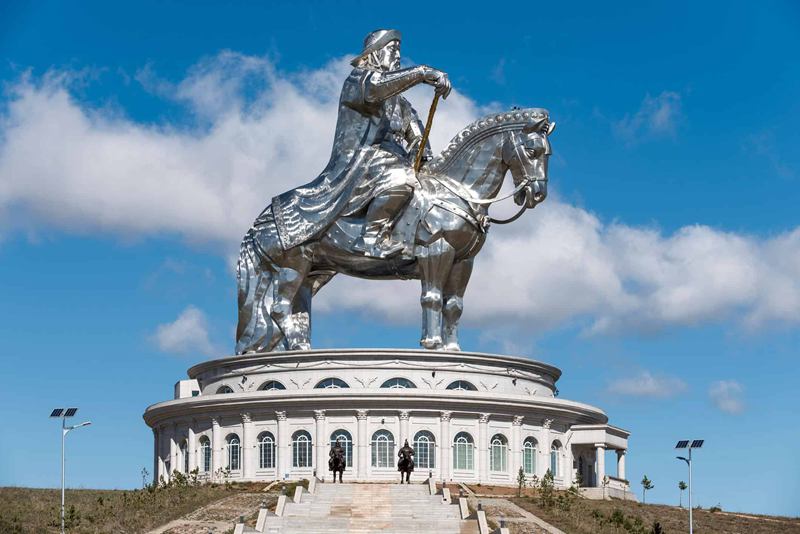
Horse Standing with All Four Legs on the Ground
A horse standing firmly on all four legs often symbolizes stability, wisdom, and dignity. This pose creates a calm and authoritative appearance, suggesting that the rider was a respected leader whose influence extended beyond military accomplishments.
Many statues of statesmen, monarchs, and civic leaders use this posture to emphasize balance, experience, and lasting legacy.
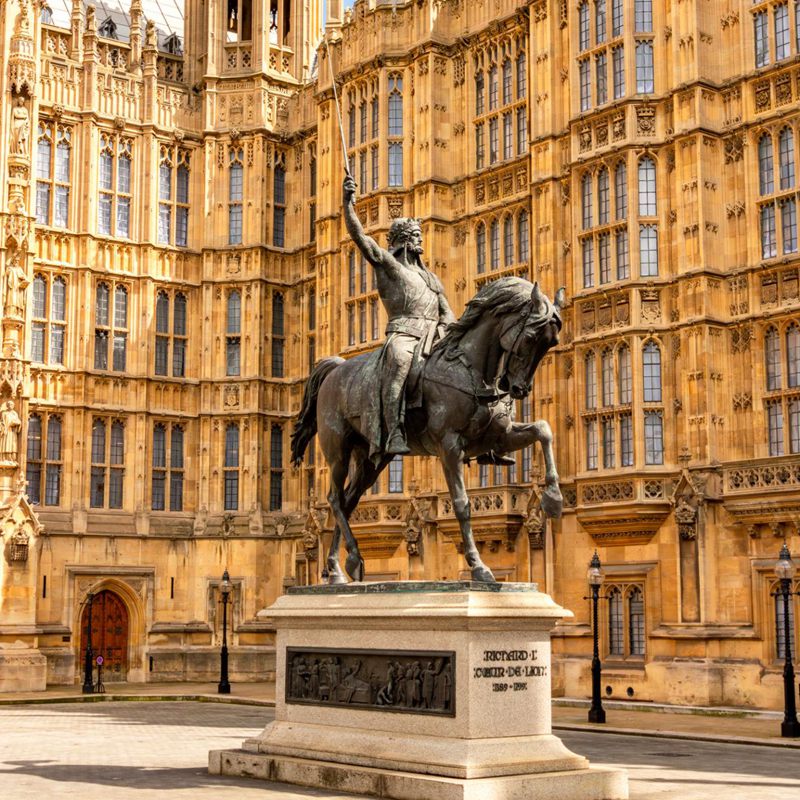
Horse with One Front Leg Raised
When a horse raises one front leg, the sculpture often conveys movement, readiness, and courage. The rider appears prepared to face challenges while maintaining control and confidence.
This pose is commonly associated with bravery and determination. It creates a sense of energy without appearing overly aggressive, making it a popular choice for military and commemorative monuments.
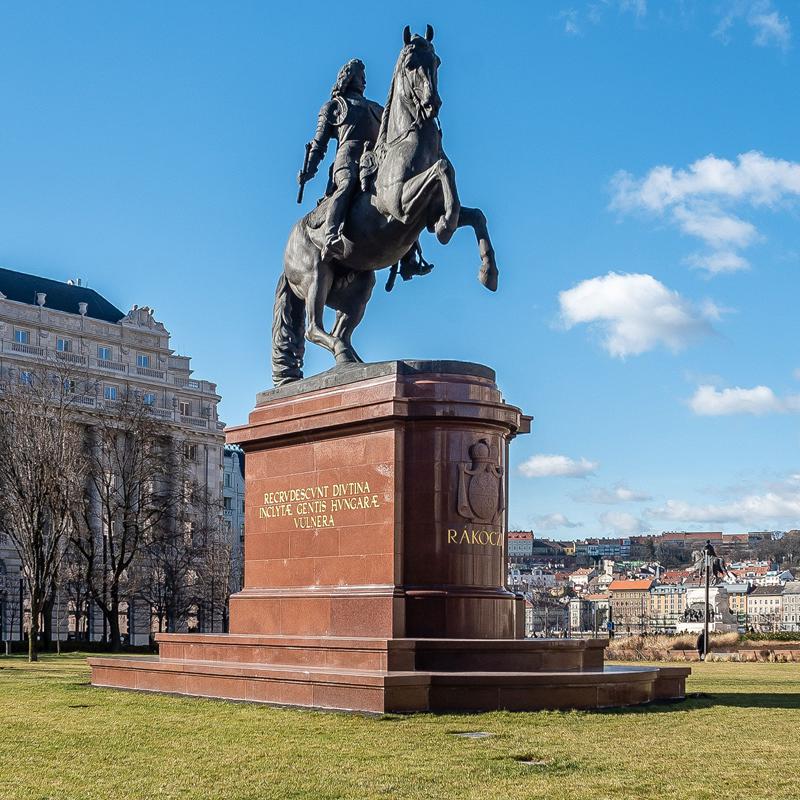
Horse with Two Front Legs Raised
A rearing horse with both front legs raised is one of the most dramatic poses in equestrian sculpture. It symbolizes power, victory, fearlessness, and heroic action.
Because this pose requires exceptional artistic and engineering skill, it is often reserved for monuments honoring legendary military leaders or national heroes. The dynamic composition captures a moment of intense action and commands attention from viewers.
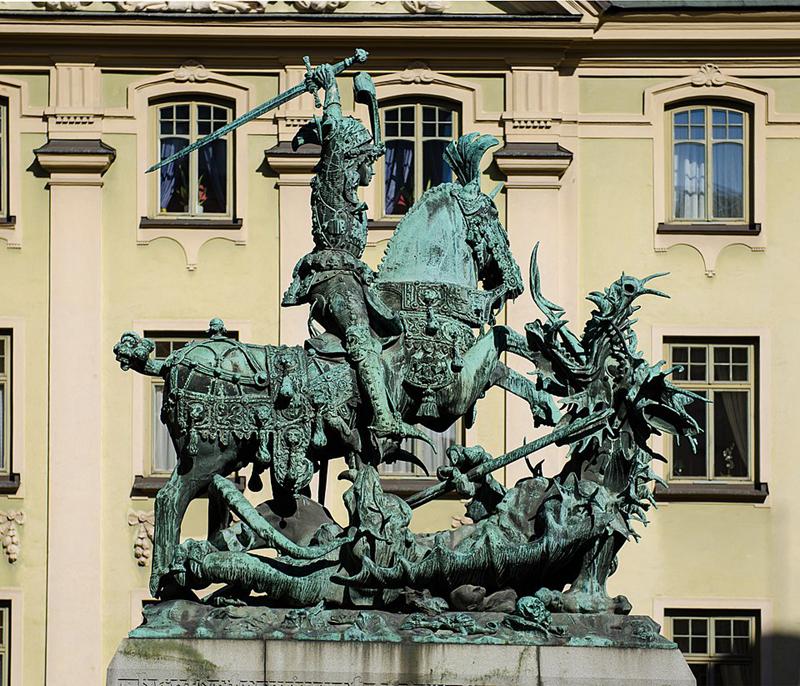
Is the Horse Leg Symbolism Rule Really True?
You may have heard the famous “horse leg rule” associated with equestrian statues:
- If the horse has two front legs raised, the rider died in battle.
- If the horse has one front leg raised, the rider was wounded in battle or later died from battle-related injuries.
- If all four legs are on the ground, the rider died of natural causes.
Although this story is widely repeated, historians generally agree that it is more myth than fact.
Many famous equestrian statues do not follow this pattern. Sculptors typically choose horse poses based on artistic composition, symbolism, structural considerations, and the message they wish to convey rather than a universal code about the rider’s death.
Therefore, while the legend remains popular, it should not be considered a reliable historical rule.
The Historical Origins of Equestrian Statues
Equestrian statues have a history that stretches back more than two thousand years. Across different civilizations, rulers and military leaders used monumental horse-and-rider sculptures to demonstrate power, commemorate victories, and reinforce their legacy.
Ancient Roman Equestrian Monuments
The tradition of monumental equestrian sculpture reached remarkable heights in Ancient Rome. Roman emperors commissioned statues to celebrate military success and political authority throughout the empire.
One of the most famous surviving examples is the Equestrian Statue of Marcus Aurelius in Rome. Created around 175 AD, this bronze masterpiece depicts the Roman emperor calmly extending his hand while mounted on a powerful horse.
Unlike many military monuments, the statue emphasizes wisdom, restraint, and leadership rather than aggression. It remains one of the most influential equestrian sculptures in history and inspired countless monuments created during later centuries.
Medieval and Renaissance Equestrian Sculptures
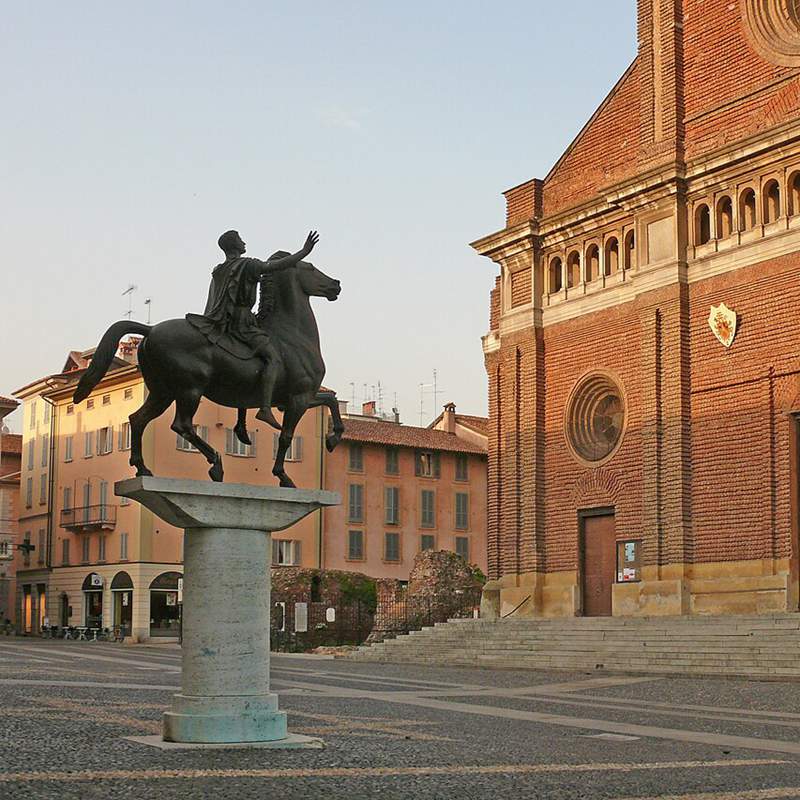
During the Middle Ages, large bronze equestrian statues became less common in Europe. However, the Renaissance revived interest in classical art and monumental sculpture.
A landmark example is Donatello’s Gattamelata, completed in the 15th century in Padua, Italy. This statue honors the military commander Erasmo da Narni and is widely regarded as the first major equestrian bronze sculpture created since ancient Roman times.
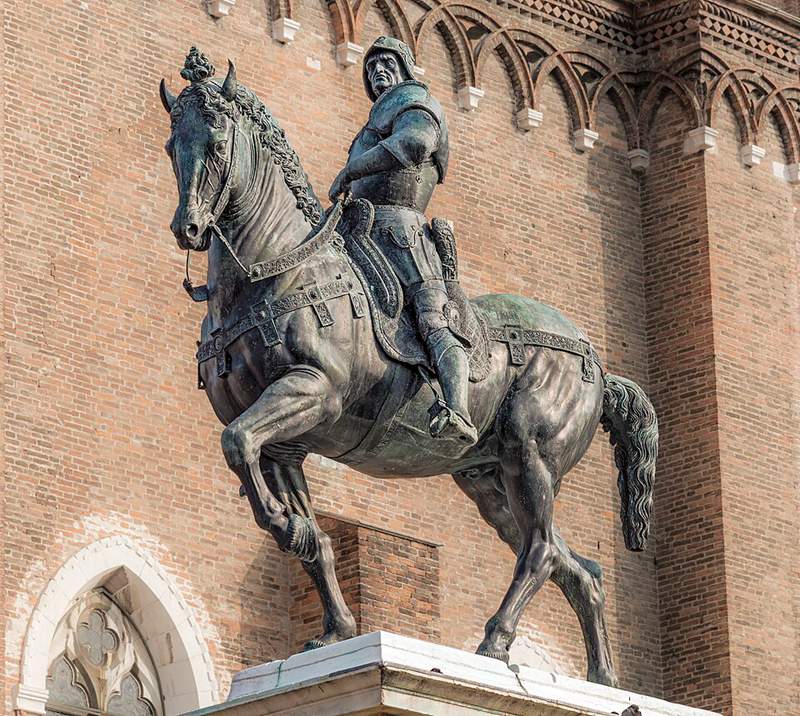
Another masterpiece is Verrocchio’s Colleoni Monument in Venice. The powerful horse and commanding rider demonstrate the Renaissance fascination with realism, anatomy, and heroic representation.
These works established artistic standards that continue to influence equestrian sculpture today.
Equestrian Statues in the Modern Era
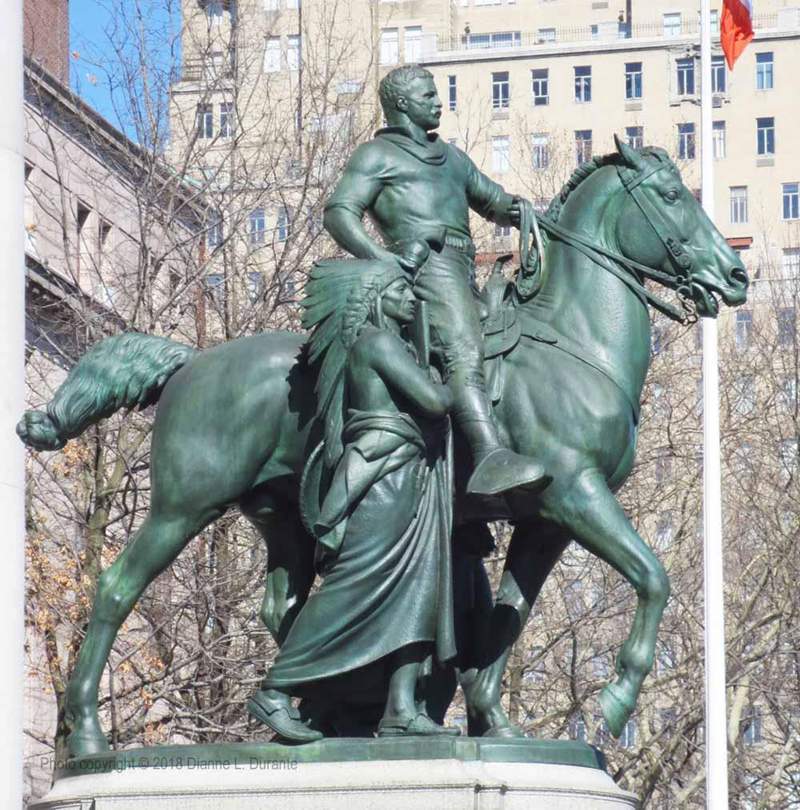
From the 18th century onward, equestrian monuments became common throughout Europe, the Americas, and many other regions of the world.
Cities commissioned statues of kings, presidents, generals, and national heroes to celebrate important historical events and strengthen cultural identity. Many of these monuments became iconic landmarks and gathering places within their communities.
Today, equestrian statues continue to be created not only for public memorials but also for private estates, equestrian centers, luxury developments, and corporate projects.
Their enduring popularity demonstrates the timeless appeal of the horse as a symbol of strength, leadership, and achievement.
Famous Equestrian Statues Around the World
Throughout history, equestrian statues have been used to honor emperors, military commanders, national heroes, and cultural icons. Some have become internationally recognized landmarks, attracting millions of visitors every year.
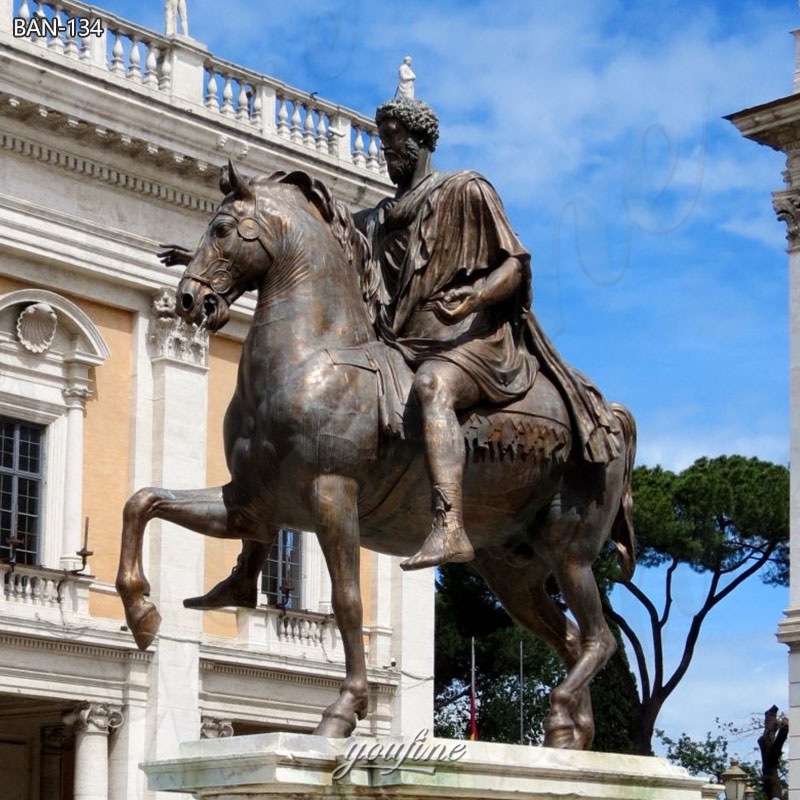
Equestrian Statue of Marcus Aurelius (Rome, Italy)
Often regarded as the most influential equestrian statue in history, the Equestrian Statue of Marcus Aurelius was created during the Roman Empire in the second century AD.
Unlike many military monuments, the emperor is portrayed with a calm and composed expression rather than in a battle scene. The sculpture emphasizes wisdom, authority, and stability, qualities that helped define Marcus Aurelius as one of Rome’s most respected rulers.
Its survival through the Middle Ages made it a model for countless equestrian monuments that followed.
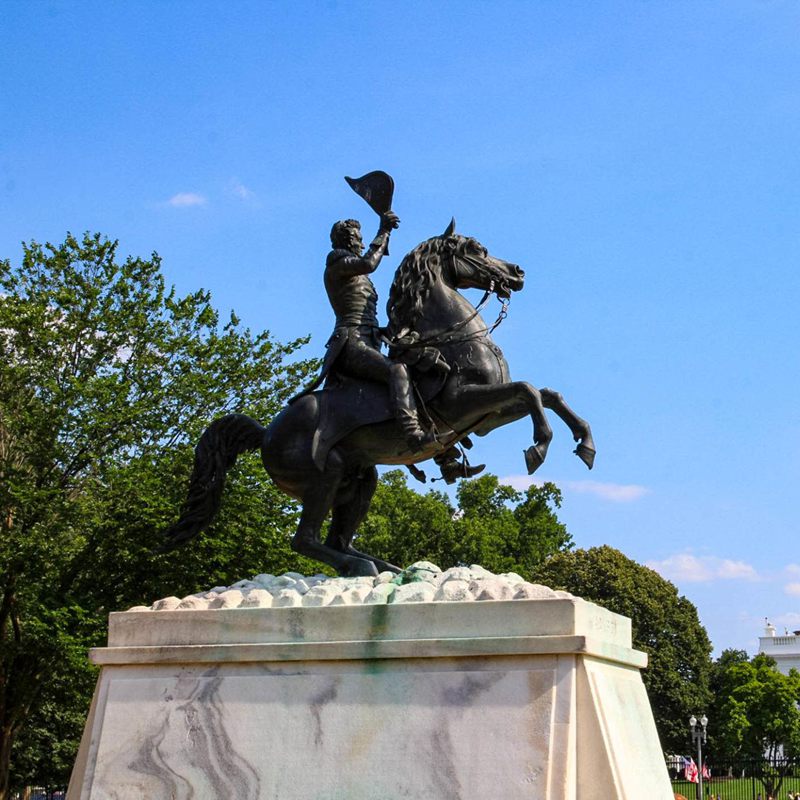
Andrew Jackson Equestrian Statue (Washington, D.C.)
Located in Lafayette Square near the White House, the Andrew Jackson Equestrian Statue was the first large bronze equestrian monument cast in the United States.
The sculpture depicts Jackson riding a rearing horse, creating a powerful image of confidence and leadership. It became an important milestone in American public art and demonstrated the growing technical capabilities of American sculptors during the nineteenth century.
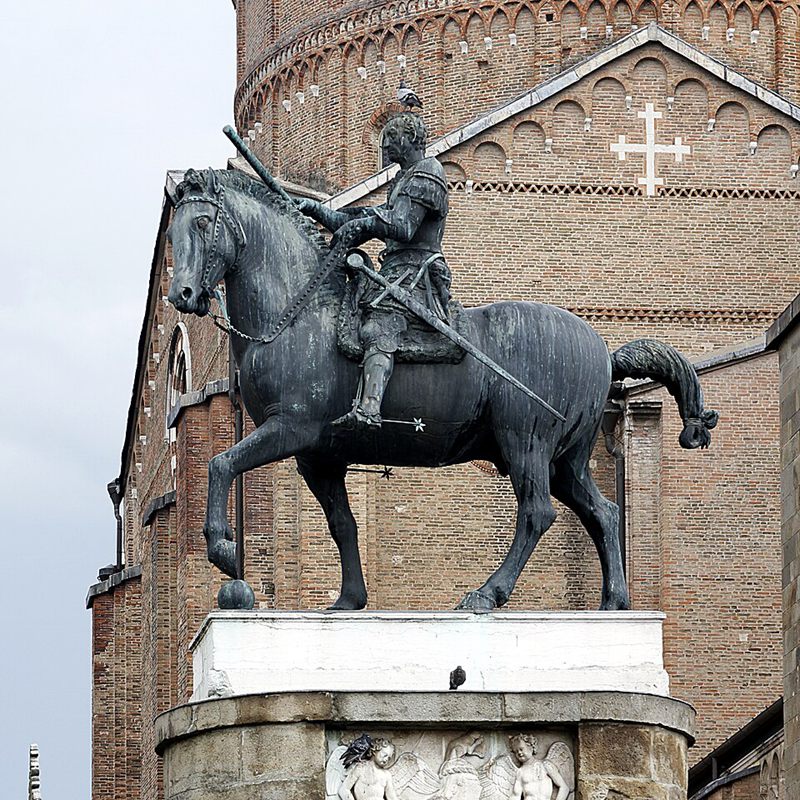
Gattamelata (Padua, Italy)
Created by the Renaissance master Donatello, Gattamelata is widely considered one of the most important equestrian sculptures ever produced.
The monument honors Erasmo da Narni, a celebrated military commander known as Gattamelata. Rather than portraying dramatic action, Donatello focused on confidence, discipline, and leadership, presenting the rider as a thoughtful and capable leader.
The statue marked a turning point in Renaissance sculpture and inspired generations of artists.
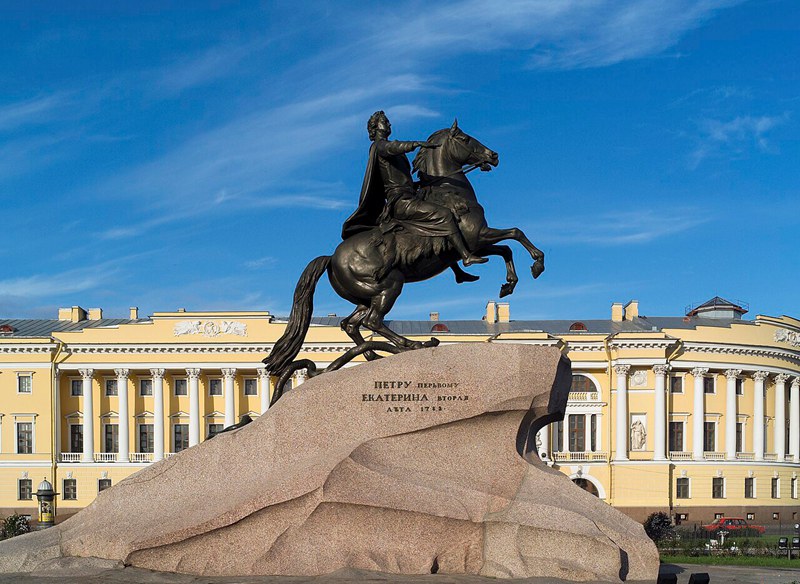
The Bronze Horseman (Saint Petersburg, Russia)
One of the most famous landmarks in Russia, The Bronze Horseman commemorates Peter the Great, the founder of modern Russia.
The sculpture depicts the emperor riding a rearing horse atop a massive granite pedestal. The dramatic composition symbolizes determination, vision, and the power to overcome obstacles.
Today, it remains one of the world’s most recognizable equestrian monuments.
Joan of Arc Equestrian Statues
Joan of Arc has been commemorated in numerous equestrian statues throughout France and around the world.
These monuments typically depict her carrying a banner while riding confidently into battle. The sculptures symbolize courage, faith, patriotism, and sacrifice, reflecting her enduring role as a national heroine.
Because of their strong emotional impact, Joan of Arc statues remain among the most admired equestrian monuments ever created.

What Does an Equestrian Statue Mean Today?
While equestrian statues were once primarily reserved for emperors, kings, and military leaders, their symbolism has expanded significantly in the modern world.
Today, horse-and-rider sculptures are commissioned for a wide variety of purposes, from public memorials to luxury private estates. Although the contexts may differ, the core themes of leadership, achievement, and prestige remain remarkably consistent.
Public Memorials and Historical Commemoration
Many cities continue to install equestrian statues to honor individuals who have shaped local or national history.
These monuments help preserve cultural heritage while providing future generations with a visible connection to important historical figures. They also serve as focal points for civic pride and public remembrance.
Corporate and Commercial Projects
In modern business environments, equestrian statues are often used to symbolize confidence, vision, strength, and long-term success.
Large bronze horse sculptures can be found in financial districts, corporate headquarters, luxury hotels, and commercial developments around the world. Their commanding presence creates a strong visual statement while reinforcing values such as leadership and ambition.
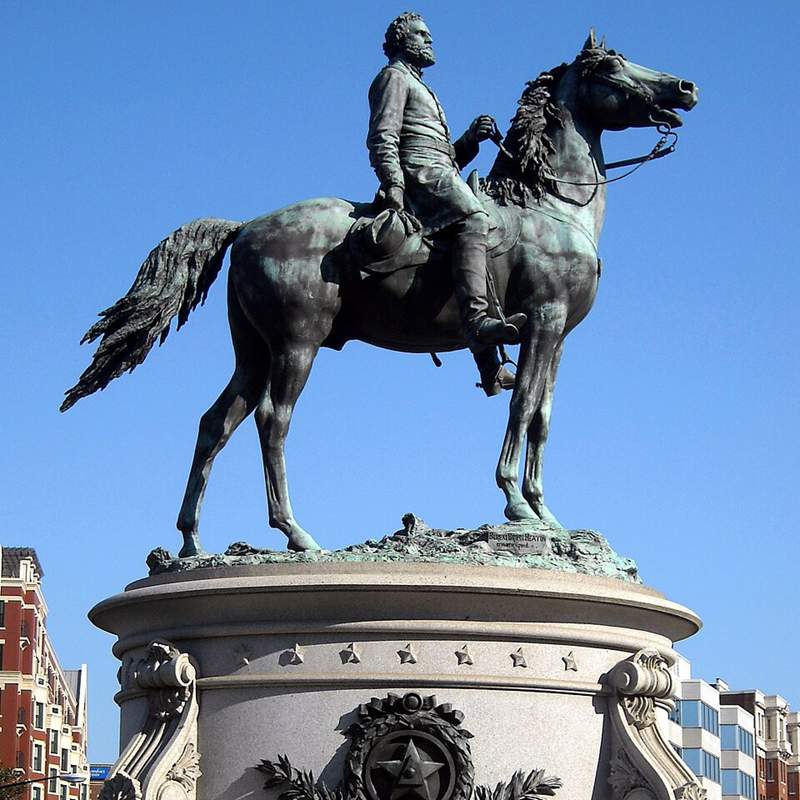
Luxury Estates and Private Gardens
Homeowners frequently commission equestrian sculptures to express their appreciation for horses, art, and classical design.
Whether placed at a grand entrance, beside a driveway, or within a landscaped garden, a bronze equestrian statue adds elegance, sophistication, and timeless character to a property.
For horse enthusiasts, the sculpture can also represent a personal connection to equestrian culture and lifestyle.
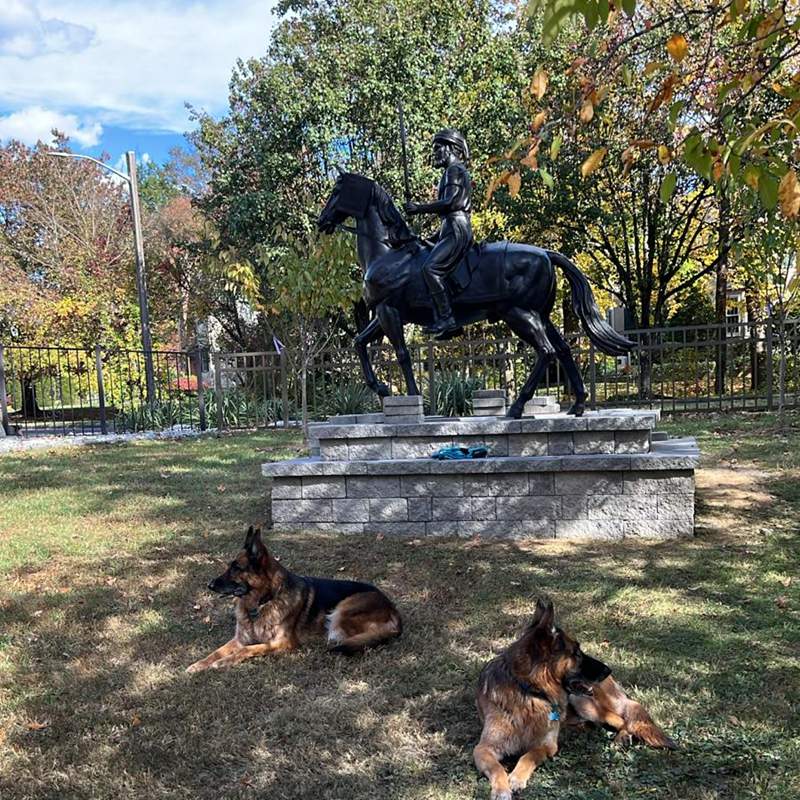
Equestrian Clubs and Horse Farms
Horse farms, breeding facilities, and equestrian clubs often install custom equestrian statues to celebrate their passion for horses.
These sculptures can depict famous racehorses, beloved companions, professional riders, or symbolic horse-and-rider compositions. In addition to enhancing the landscape, they help communicate tradition, excellence, and dedication to the equestrian community.
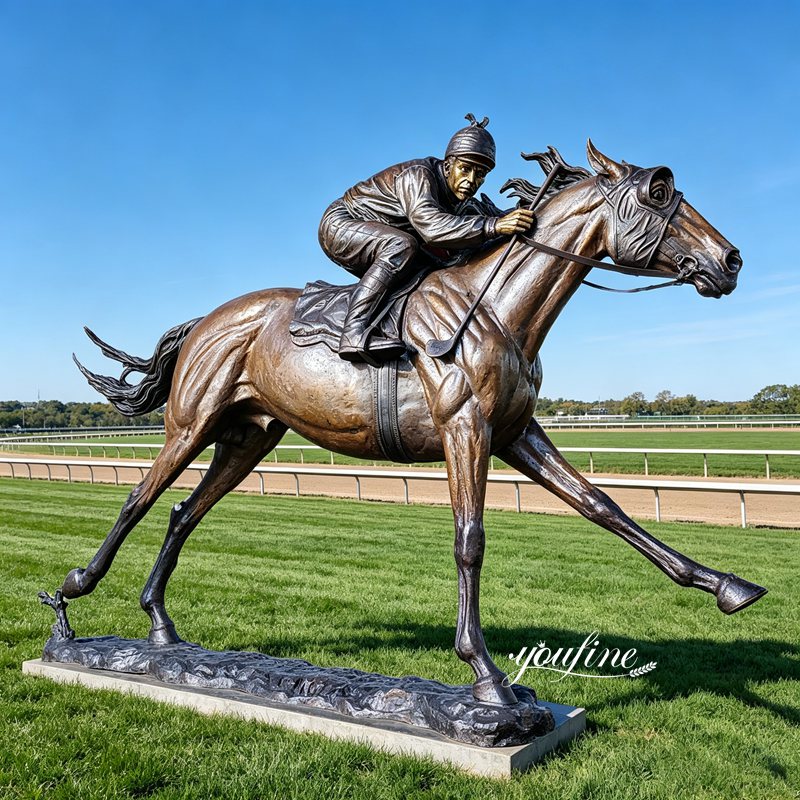
How to Custom Bronze Equestrian Statues?
Modern casting techniques make it possible to create highly personalized equestrian monuments for both public and private projects.
Custom equestrian statues can be designed based on:
- Historical figures
- Military heroes
- Family members
- Professional riders
- Racehorses
- Ranch owners
- Memorial projects
- Corporate founders
YouFine’s artists can work from photographs, historical references, sketches, or digital models to create a sculpture that accurately captures the subject’s appearance and personality.
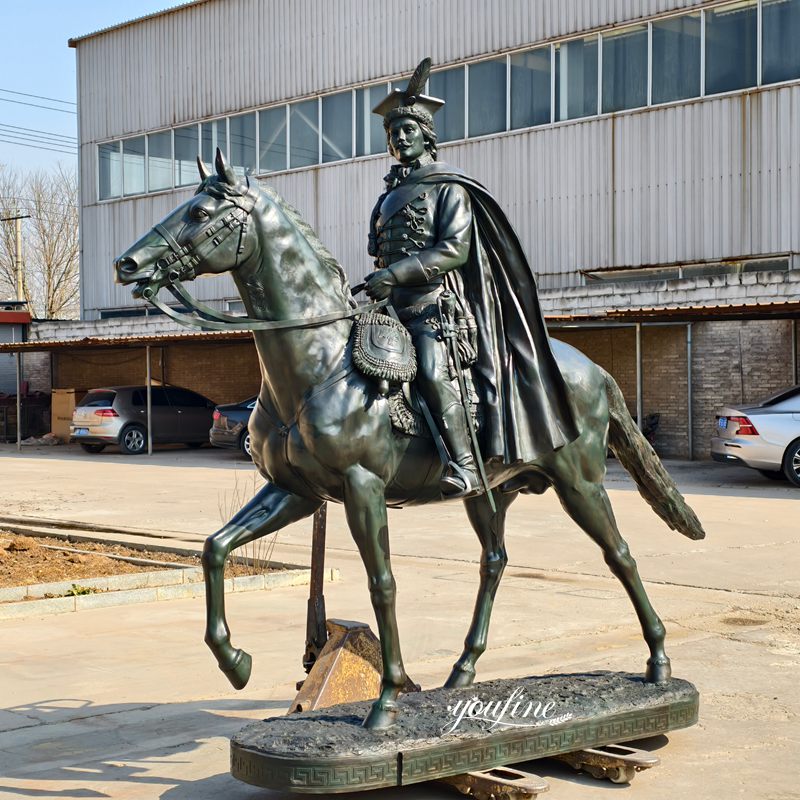
Bronze remains the preferred material for most custom equestrian statues because of its durability, fine detail, and ability to develop a beautiful patina over time. With proper maintenance, a bronze equestrian monument can remain a lasting symbol of honor and achievement for generations.
Conclusion
The meaning of an equestrian statue extends far beyond the image of a rider on horseback. For centuries, these monuments have symbolized leadership, courage, victory, prestige, and lasting legacy.
From the emperors of Ancient Rome to contemporary public memorials and private commissions, equestrian statues continue to communicate values that people admire and aspire to achieve. Whether standing proudly in a city square, enhancing a luxury estate, or commemorating an important individual, the equestrian statue remains one of the most powerful and timeless forms of sculpture ever created.
Its enduring appeal lies in its ability to combine the strength of the horse with the accomplishments of the rider, creating a monument that speaks of both human achievement and the enduring spirit of greatness.
FAQ
1. What Is the Difference Between a Horse Statue and an Equestrian Statue?
A horse statue depicts only the horse itself, while an equestrian statue includes both a horse and a rider. Equestrian statues are typically created to honor historical figures, military leaders, national heroes, or influential individuals.
2. Why Are Most Equestrian Statues Made of Bronze?
Bronze is highly durable, weather-resistant, and capable of capturing fine artistic details. It can withstand outdoor conditions for decades or even centuries, making it the preferred material for monumental equestrian sculptures.
3. Who Is Usually Depicted in an Equestrian Statue?
Equestrian statues traditionally portray emperors, kings, military commanders, presidents, national heroes, and other influential figures. Today, they can also commemorate professional riders, racehorse owners, ranch founders, and family members.
4. What Is the Most Famous Equestrian Statue in the World?
Many art historians consider the Equestrian Statue of Marcus Aurelius in Rome to be the most influential equestrian monument ever created. It has inspired countless horse-and-rider sculptures throughout history.
5. How Long Does It Take to Create a Custom Bronze Equestrian Statue?
The production time depends on the size and complexity of the sculpture. Most custom bronze equestrian statues require several months for design, modeling, casting, finishing, and installation preparation.
6. Are Equestrian Statues Still Popular Today?
Yes. While traditionally associated with historical monuments, equestrian statues remain popular for luxury estates, equestrian centers, corporate developments, public memorials, and custom commemorative projects because they symbolize leadership, prestige, and lasting achievement.