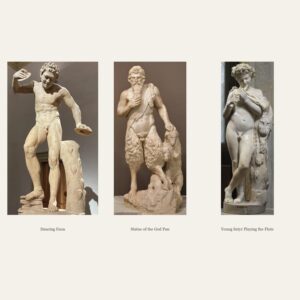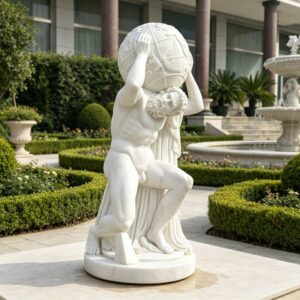
From my 20 years of experience in the bronze sculpture industry, I have learned that the best alloy is not always the most expensive one. It is the material that fits the sculpture’s artistic detail, installation environment, budget, and long-term purpose.
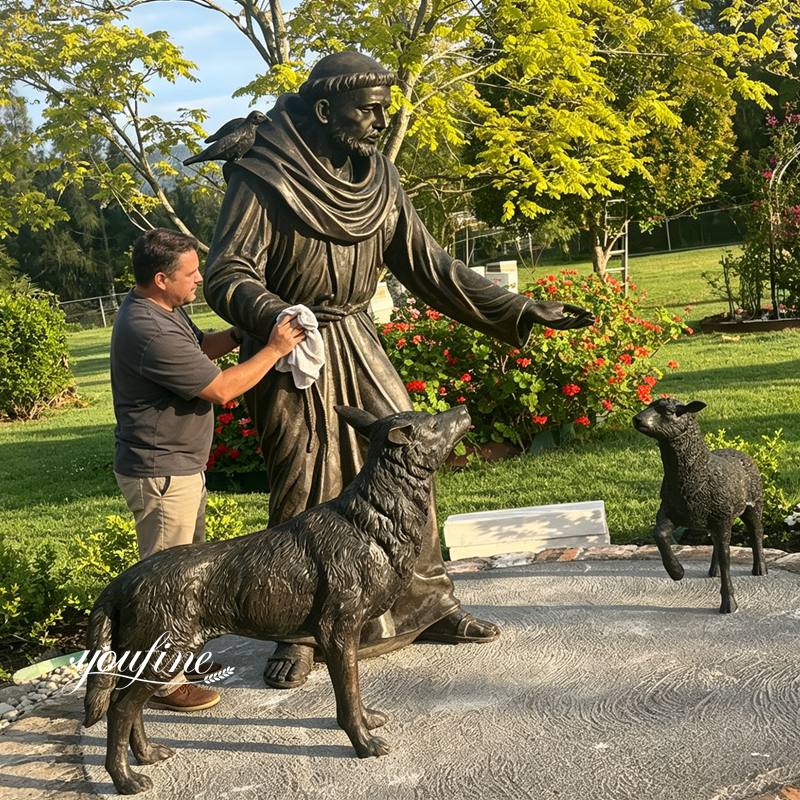
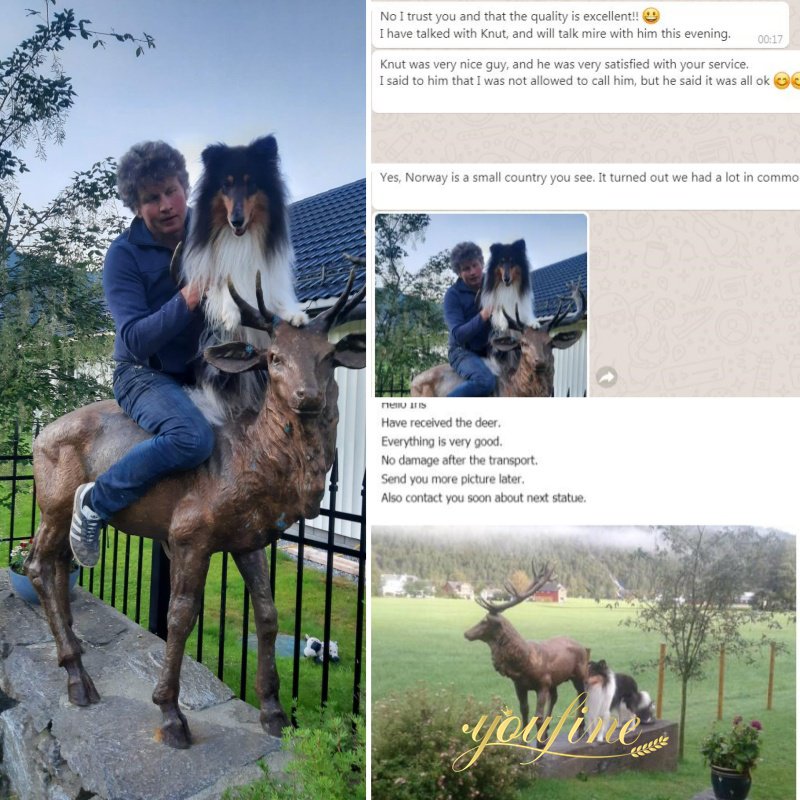
An Australian artist I worked with had a firm requirement for lasting artistic value and very fine detail. Silicon bronze was the right choice. For an American public animal sculpture project, the municipality specifically required silicon bronze. An American farm customer, however, purchased a brass deer sculpture that remained durable and attractive through the changing seasons.
These examples explain my approach to silicon bronze vs. brass for outdoor sculptures: I recommend silicon bronze for demanding artistic work and specification-led public projects, while brass can offer excellent value for many private gardens and ordinary outdoor installations.
Neither material should be selected by name alone. The exact alloy, casting quality, finish, and installation all matter.
Silicon Bronze vs. Brass: What Is the Difference?
What Is Silicon Bronze?
Silicon bronze is a copper-based alloy in which silicon is an important alloying element. Depending on the grade, it may contain other elements that influence its casting and mechanical properties.
I favor suitable sculpture-casting grades for detailed artistic work because they combine good castability, corrosion resistance, and finishing possibilities. However, “silicon bronze” describes an alloy family, not one universal specification.
What Is Brass?
Brass is primarily an alloy of copper and zinc. Its color and performance change with its composition.
In sculpture purchasing, the word “bronze” sometimes describes an artwork’s appearance or product category rather than its precise alloy. I advise buyers to ask whether a quoted “bronze sculpture” is silicon bronze, brass, or another copper alloy.
Here is the basic distinction I use when discussing materials.
| Factor | Silicon Bronze | Brass |
|---|---|---|
| Main composition | Copper with silicon | Copper with zinc |
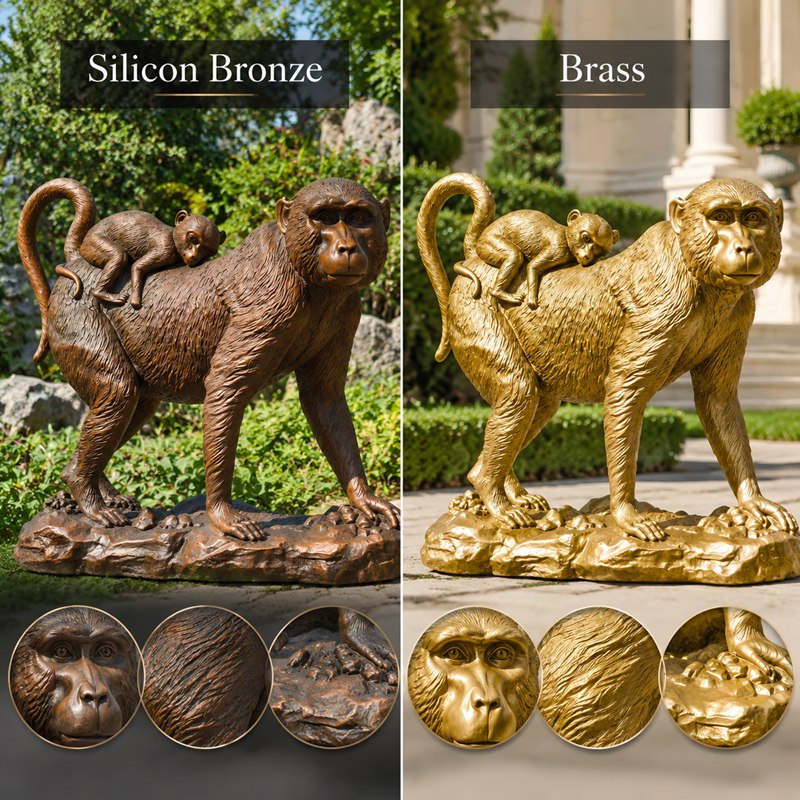
| Typical visual character | Often reddish or warm brown before patination | Often yellow or golden before patination |
| Common buying priority | Fine artistic casting and demanding specifications | Decorative appearance and project value |
| Outdoor suitability | Strong option with a suitable grade and finish | Suitable for many projects with appropriate alloy selection |
| Cost tendency | Often higher in comparable sculpture quotations | Often more economical in comparable quotations |
My practical advice is to compare written alloy specifications, not just product names or photographs.
Why Alloy Composition Matters for Sculptures
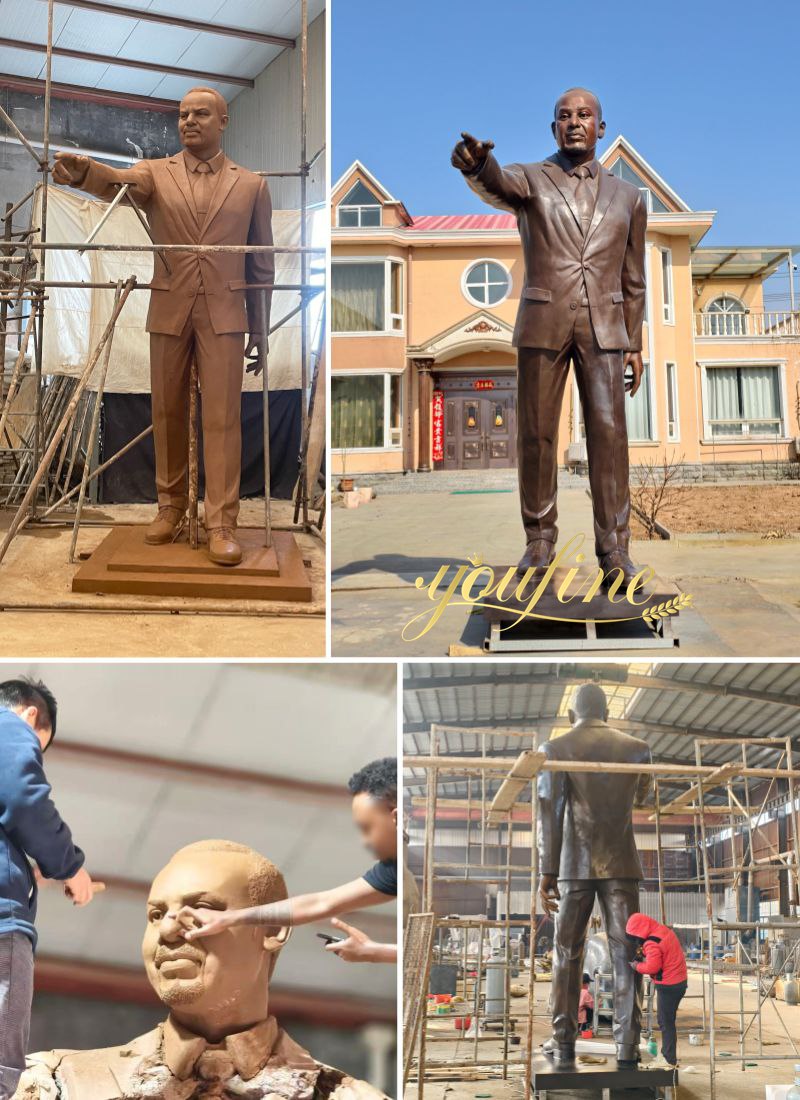
I also look beyond chemistry. Mold preparation, pouring conditions, wall thickness, and casting workmanship influence the result. A premium alloy cannot compensate for poor production control.
Silicon Bronze vs. Brass for Sculpture Casting
Fluidity and Casting Complex Details
Fluidity means how well molten metal flows through a mold before solidifying. It matters when casting facial expressions, fingers, animal fur, feathers, and decorative textures.
Suitable silicon bronze grades are well established in fine-art casting. Brass can also reproduce detailed forms, but results depend on its grade and the foundry’s process.
For the Australian artist I worked with, fine detail and lasting artistic value were both essential. That combination supported the decision to use silicon bronze. I would not describe brass as incapable of detail; I would ask the manufacturer to demonstrate comparable work before approval.
Strength, Toughness, and Structural Reliability
Strength concerns resistance to applied loads. Toughness concerns the ability to absorb energy without breaking. Both vary with alloy grade and casting quality.
I pay particular attention to narrow ankles, extended limbs, antlers, connection points, and large unsupported sections. These areas need sound design—not simply a stronger-sounding material name.
For a large outdoor sculpture, my recommendation is to review wall thickness, internal support, joints, and anchoring together. Where public safety or significant loads are involved, structural requirements should be checked by a qualified engineer.
Surface Finishing and Patina
A patina is a surface color developed through chemical treatment or natural exposure. Alloy composition influences its reaction, so the same treatment may produce different results on silicon bronze and brass.
I recommend approving a finish sample made from the actual production alloy.
| Finish Goal | What I Would Confirm |
|---|---|
| Brown or dark artistic patina | Color, highlights, and protective treatment |
| Green aged appearance | Intended variation and how exposure may change it |
| Golden metallic appearance | Polishing method and expected upkeep |
| Matched sculpture group | Alloy consistency and an agreed color reference |
A sample provides a more useful approval standard than a photograph viewed on different screens.

Outdoor Durability: Which Alloy Performs Better?
Corrosion Resistance in Rain, Humidity, and Coastal Environments
Both alloys can perform outdoors, but exposure conditions matter.
Silicon bronze generally offers strong corrosion resistance and is often my preferred option for demanding long-term installations. Brass can also provide a long service life, particularly in ordinary garden settings.
Some brass grades are vulnerable to dezincification, a form of corrosion that removes zinc and can weaken the remaining metal. The risk depends on composition and exposure. I would therefore be more cautious when specifying brass for persistent moisture, salt exposure, or poorly drained details.
Neither alloy is maintenance-free or immune to corrosion.
Color Changes and Natural Patina Over Time
Outdoor copper alloys gradually change color. Rain, airborne pollutants, salt, sunlight, and protective coatings influence that change.
I ask buyers to separate two expectations: structural durability and color stability. A sculpture may remain sound while its surface becomes darker or more varied.
A polished golden finish usually requires more attention if the aim is to preserve its original brightness. An intentionally aged patina may accommodate gradual change more naturally.
Which Alloy Is Better for Different Locations?
I use the installation setting to narrow the choice.
| Location or Purpose | My Starting Recommendation | Main Check |
|---|---|---|
| Ordinary private garden | Consider brass for value | Drainage, finish, and alloy grade |
| Artist-designed legacy work | Favor silicon bronze | Detail and documented material |
| Public installation | Follow the project specification | Compliance and structural review |
| Coastal property | Favor silicon bronze, subject to specification | Salt exposure and maintenance access |
| Sheltered decorative setting | Either may suit | Appearance and total project cost |
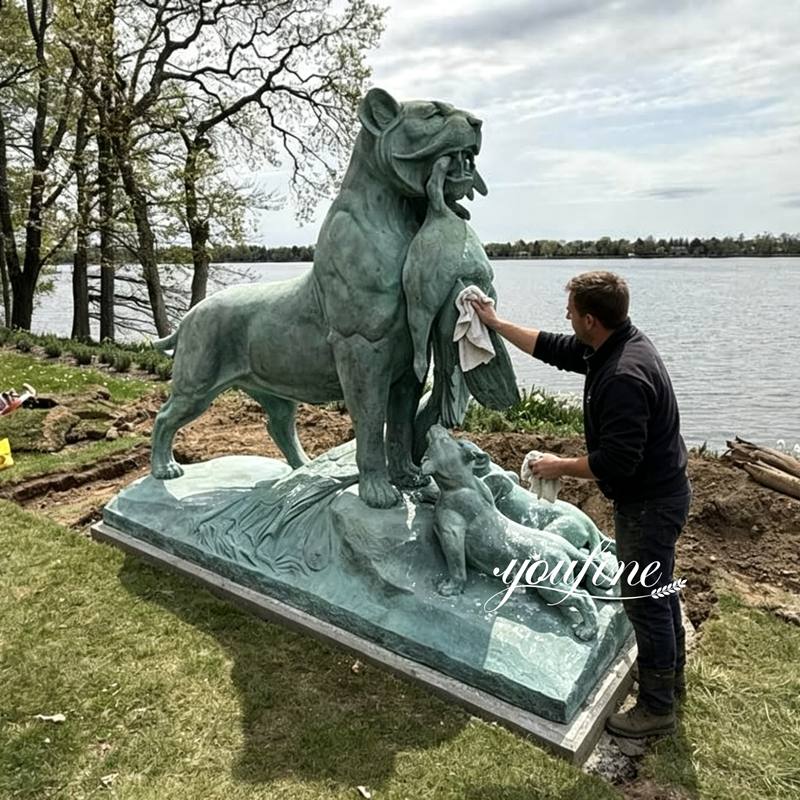
The American municipal animal project illustrates the importance of written requirements: silicon bronze was mandatory. A cheaper substitute would not have met the brief.
Maintenance Requirements for Outdoor Silicon Bronze and Brass Sculptures
Routine Cleaning and Inspection
My starting advice is gentle cleaning using the manufacturer’s approved method. Mild soap, clean water, and soft materials are often appropriate, but the finish instructions should take priority.
I recommend checking for:
- Dirt collecting in recesses.
- Standing water around the base.
- Loose anchors or movement.
- Cracks, joint changes, or damaged coatings.
- Unusual powdery deposits or localized corrosion.
Avoid abrasive pads, acidic cleaners, and aggressive pressure washing unless specifically approved.
Protecting the Patina and Surface Finish
I would ask for written instructions identifying the protective system and how to renew it. Applying an incompatible product can change the color or complicate later repairs.
| Surface System | Maintenance Concern | My Advice |
|---|---|---|
| Waxed patina | Wax gradually wears away | Renew with the specified product |
| Clear-coated surface | Scratches or coating breakdown | Inspect and repair appropriately |
| Exposed natural patina | Ongoing color change | Clean gently; avoid unnecessary polishing |
| Polished brass | Tarnishing and loss of brightness | Agree on the desired appearance beforehand |
The right maintenance plan protects the approved finish without promising that it will remain unchanged forever.
Maintenance in Coastal and High-Traffic Areas
Near the sea, salt deposits may justify more frequent inspection and gentle cleaning. In busy public areas, touching, rubbing, and accidental impact can wear finishes unevenly.
I recommend setting maintenance frequency according to actual exposure rather than applying one fixed schedule to every sculpture. Public installations should also include checks of accessible edges, anchors, and surrounding ground conditions.
Silicon Bronze or Brass: Which Should You Choose?
Choose Silicon Bronze When…
I generally recommend silicon bronze when the project emphasizes:
- Fine artistic detail and lasting significance.
- A public specification requiring this alloy.
- More demanding outdoor exposure.
- Clearly documented material requirements.
Its higher cost can be justified when these priorities are central. However, I still require attention to casting quality, finishing, and structural design.
Consider Brass When…
I consider brass a practical choice when a buyer wants a decorative garden sculpture, a particular golden appearance, or better value within a defined budget.
The American farm customer’s brass deer is a useful example: it remained durable and beautiful through seasonal outdoor conditions. That supports brass as a sensible option, not as a universal guarantee for every alloy or site.
Well-made brass sculptures can remain outdoors for decades in suitable conditions with appropriate care. I would not promise that lifespan without understanding the alloy, construction, environment, and maintenance.
Questions to Ask Your Sculpture Manufacturer
I would use these questions to make quotations easier to compare.
| Question | Why I Ask |
|---|---|
| What is the exact alloy specification? | Confirms what is being supplied |
| Can the material be documented or tested? | Helps verify contractual requirements |
| Can I approve a casting-detail reference? | Establishes the expected workmanship |
| Can I approve a finish sample? | Reduces disagreement about color |
| How are sections joined and supported? | Clarifies construction and structural needs |
| What are the packing and installation requirements? | Helps plan safe delivery and placement |
| What maintenance instructions are included? | Supports long-term care |
For comparable designs, silicon bronze often costs more. Still, I compare the complete scope: size, detail, casting complexity, finishing, documentation, packing, transport, and installation can all affect the final quotation.
Why Material Selection Matters When Ordering Custom Bronze Sculptures from YouFine
When discussing a custom sculpture order with You Fine Art Sculpture, I recommend settling the material before approving production.
A photograph can communicate shape and color, but it cannot confirm alloy composition, hidden supports, or casting integrity. Those details belong in the written order.
My preferred approval sequence is:
1. Define the purpose and location. Identify private, public, coastal, or other special conditions.
2. Confirm the alloy. Record the material and any required verification.
3. Approve the design. Resolve proportions, delicate features, supports, and base connections.
4. Approve the finish. Use an agreed sample or clear reference.
5. Confirm delivery and installation. Establish packing, lifting, anchoring, and site responsibilities.
6. Obtain care instructions. Match maintenance to the supplied finish.
I also recommend identifying inspection and approval stages in advance. If a municipal contract requires silicon bronze, that requirement should be recorded from the first inquiry—not introduced after casting.

FAQs
1. Is silicon bronze always better than brass for outdoor sculptures?
No. I favor silicon bronze for demanding artistic work and certain exposure conditions, but brass can be a good-value choice for ordinary outdoor settings. The exact grade, workmanship, and project requirements determine suitability.
2. Can a brass sculpture stay outdoors all year?
Yes, a suitable brass sculpture can remain outdoors year-round. I would check drainage, finish protection, alloy suitability, and maintenance needs, especially where salt or persistent moisture is present.
3. Can brass achieve the same patina color as silicon bronze?
Similar colors may be possible, but the alloys can react differently. I recommend approving a sample on the actual alloy rather than assuming that one patina treatment produces identical results.
4. Why does a silicon bronze quotation often cost more?
Material cost is one reason, but production and documentation requirements also matter. I compare quotations with the same size, detail, finish, construction, and delivery scope before judging the price difference.
5. How can I confirm which alloy a manufacturer supplied?
I would request a written specification and suitable material documentation. For projects requiring stronger verification, agree on an appropriate testing method and acceptance criteria before production begins.

My Final Recommendation
For outdoor sculptures, I choose material by purpose—not prestige alone.
Silicon bronze is my preferred starting point for fine artistic work, significant legacy projects, and installations with demanding or mandatory specifications. Brass remains a sensible, economical option for many private gardens and everyday outdoor projects.
The most important protection for a buyer is a clear agreement covering alloy, workmanship, finish, installation, and care.
If you are considering a custom sculpture from You Fine Art Sculpture, share your design reference, intended size, installation location, preferred finish, and any material requirements. I recommend using those details to build a clear brief and compare suitable options before committing to production.