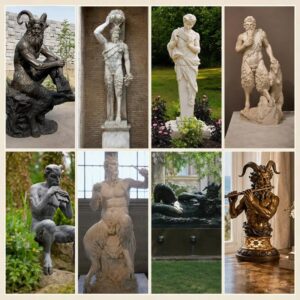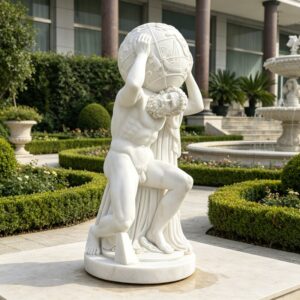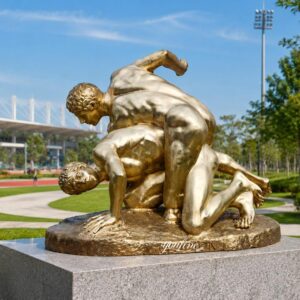
Figurative sculpture is a three-dimensional artwork that represents recognizable figures or forms, most commonly the human body. Unlike abstract sculpture, which may focus on shapes, materials, or ideas without depicting a recognizable subject, figurative sculpture maintains a clear connection to people, animals, or other identifiable forms.
However, figurative sculpture does not have to be completely realistic. An artist may simplify, exaggerate, elongate, or distort the human form while still creating a figurative work. This gives figurative sculpture a broad range of artistic possibilities, from highly realistic portraits and classical marble figures to expressive contemporary sculptures.
In this guide, we will explain the definition of figurative sculpture, what makes a sculpture figurative, its main types, historical development, common materials, and where figurative sculptures are commonly used.

1. What is the Figurative Sculpture Definition
The term figurative sculpture refers to sculpture that represents recognizable figures or forms derived from the visible world. The human figure is the most common subject, but figurative sculpture can also represent animals, mythological characters, religious figures, and other recognizable subjects.
The important point is that the subject remains identifiable.
A figurative sculpture may reproduce the human body with highly accurate proportions and anatomical details, or it may interpret the body in a more stylized or expressive way. The artist does not have to reproduce reality exactly.
For example, a marble statue of a standing woman with carefully carved anatomy is figurative sculpture. A bronze figure with an elongated body and exaggerated movement can also be figurative sculpture, as long as viewers can recognize the underlying human form.
This flexibility is one reason figurative sculpture has remained an important form of artistic expression across different periods and cultures.
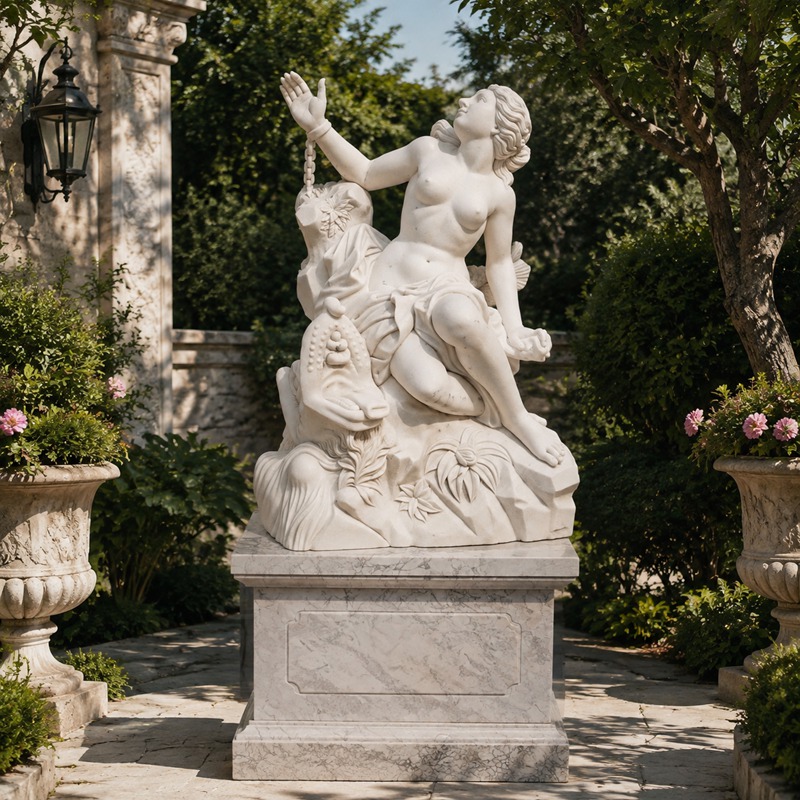
2. What Makes a Sculpture “Figurative”?
A sculpture is generally considered figurative when it represents a recognizable subject or form derived from the visible world. The human figure is the most common subject, but figurative sculpture can also depict animals, religious figures, mythological characters, historical figures, and other recognizable forms.
Being figurative does not mean that a sculpture must look exactly like reality. An artist may change the proportions, simplify the anatomy, exaggerate certain features, or create a more expressive pose. What matters is that viewers can still recognize the underlying subject.
Several characteristics can help identify a figurative sculpture:
Characteristic | Figurative Sculpture |
Subject | Usually represents recognizable people, animals, or other identifiable figures |
Form | Can be realistic, stylized, simplified, exaggerated, or distorted |
Human Anatomy | May closely follow natural anatomy or be intentionally altered for artistic expression |
Expression | Often communicates emotion, personality, symbolism, or a narrative |
Pose | Can be static, relaxed, formal, or highly dynamic |
Style | May include classical, realistic, modern, expressive, or contemporary approaches |
The combination of these characteristics gives figurative sculpture its flexibility. For example, a classical marble statue may follow idealized human proportions, while a contemporary bronze figure may use elongated limbs or simplified features. Both can be considered figurative because the human form remains recognizable.
In short, figurative sculpture is defined more by recognizable representation than by a specific level of realism or a particular artistic style.
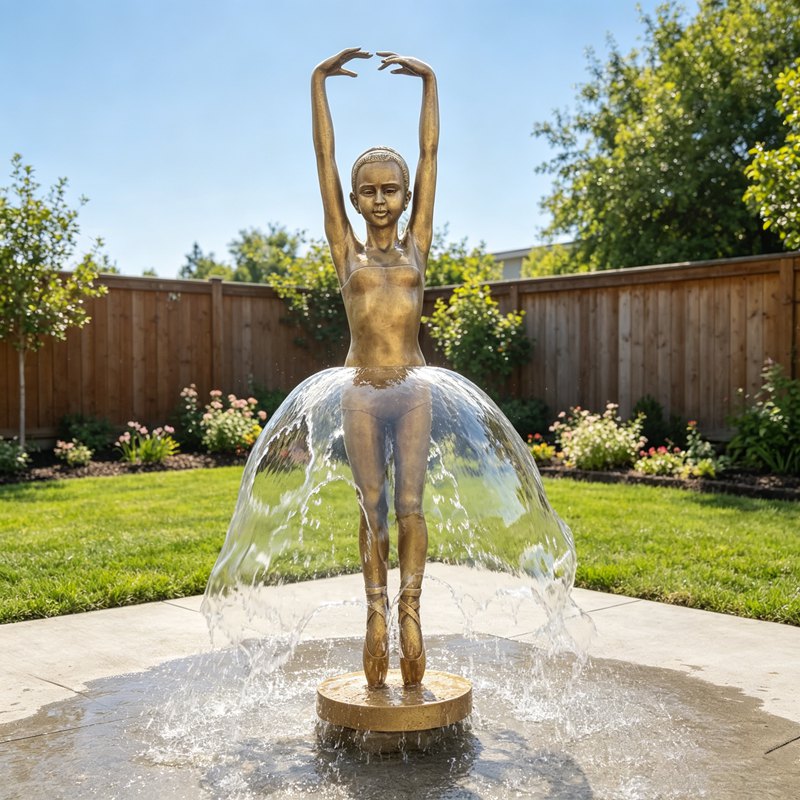
3. Figurative Sculpture vs. Figurative Art
Figurative art is a broader category than figurative sculpture.
The term can describe artwork that represents recognizable subjects in different media, including painting, drawing, photography, and sculpture. Figurative sculpture specifically refers to the three-dimensional form of this artistic approach.
Term | Meaning |
Figurative Art | A broad category involving recognizable subjects |
Figurative Sculpture | Three-dimensional artwork representing recognizable figures or forms |
Figurative Painting | Two-dimensional artwork representing recognizable figures or forms |
Portrait Sculpture | Figurative sculpture focused on representing a specific person |
This distinction is useful because not every figurative artwork is a sculpture, while figurative sculpture is one important branch of figurative art.
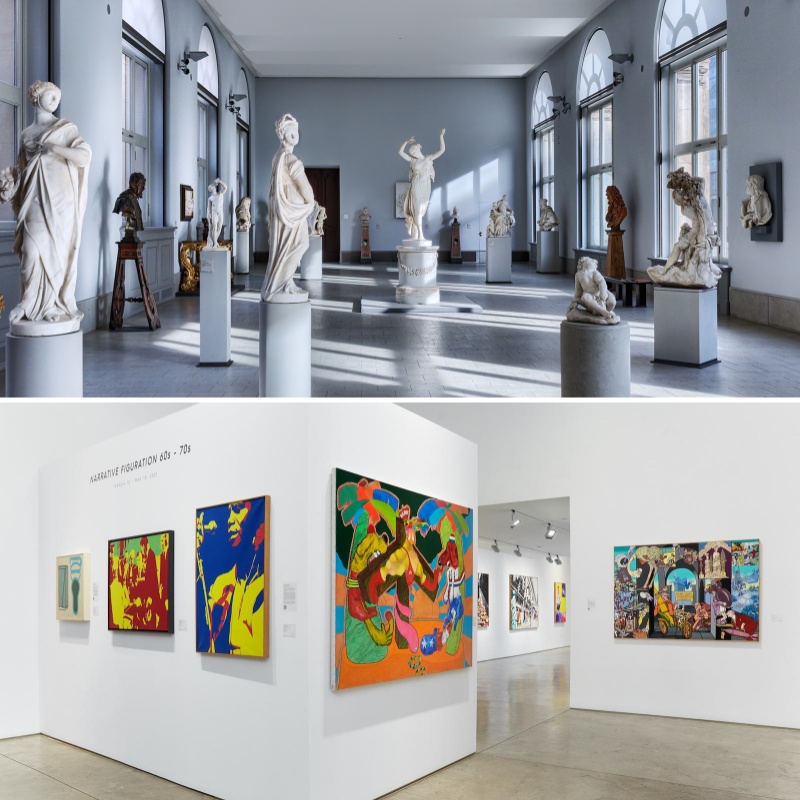
4. What Are the Main Types of Figurative Sculpture?
Figurative sculpture can be classified in several ways depending on its subject, artistic style, and purpose. Some of the most common types include classical, realistic, portrait, religious, mythological, and contemporary figurative sculpture.
4.1 Classical Figurative Sculpture
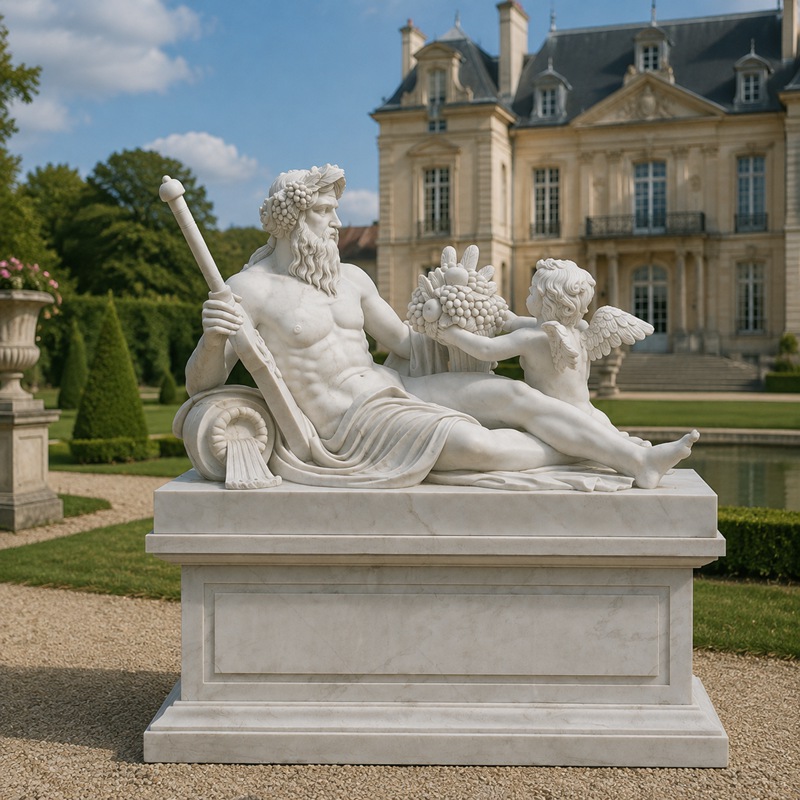
Classical figurative sculpture is strongly associated with the artistic traditions of ancient Greece and Rome and their later influence on European art.
These sculptures often feature:
- Idealized human proportions
- Balanced poses
- Carefully developed anatomy
- Mythological subjects
- Gods and goddesses
- Heroes and allegorical figures
Marble is particularly associated with classical figurative sculpture because its ability to hold fine carved details makes it suitable for reproducing anatomy, hair, clothing, and facial expressions.
4.2 Realistic Figurative Sculpture
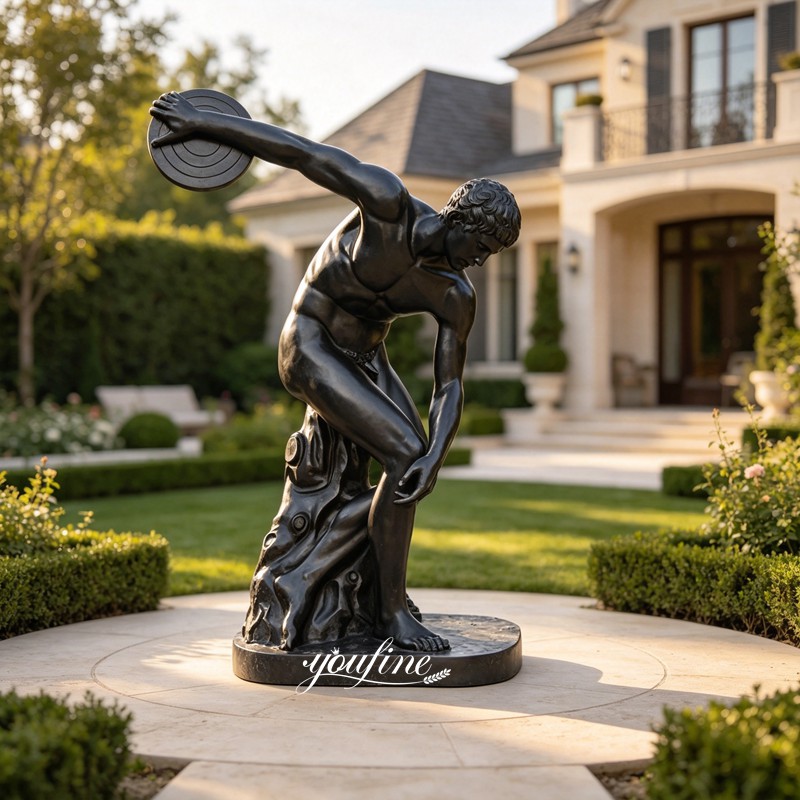
Realistic figurative sculpture aims to represent the human body or another subject with a high degree of visual accuracy.
Artists pay close attention to:
- Anatomy
- Facial features
- Body proportions
- Muscle structure
- Clothing
- Posture
- Natural movement
Realistic figurative sculpture is commonly used for portraits, memorials, public monuments, and private collections.
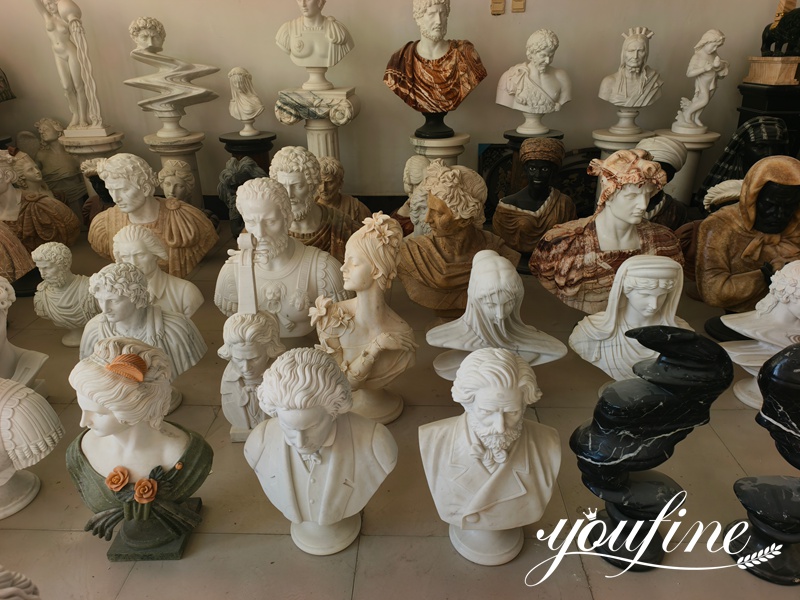
4.3 Portrait Sculpture
Portrait sculpture represents a specific identifiable person rather than an imagined or generalized figure.
Portrait sculptures may commemorate:
- Historical figures
- Artists
- Leaders
- Family members
- Religious figures
- Important community members
Creating a successful portrait requires more than reproducing basic facial proportions. Subtle details such as the shape of the eyes, nose, mouth, expression, hairstyle, and characteristic posture can strongly affect whether the finished sculpture captures the identity of the subject.
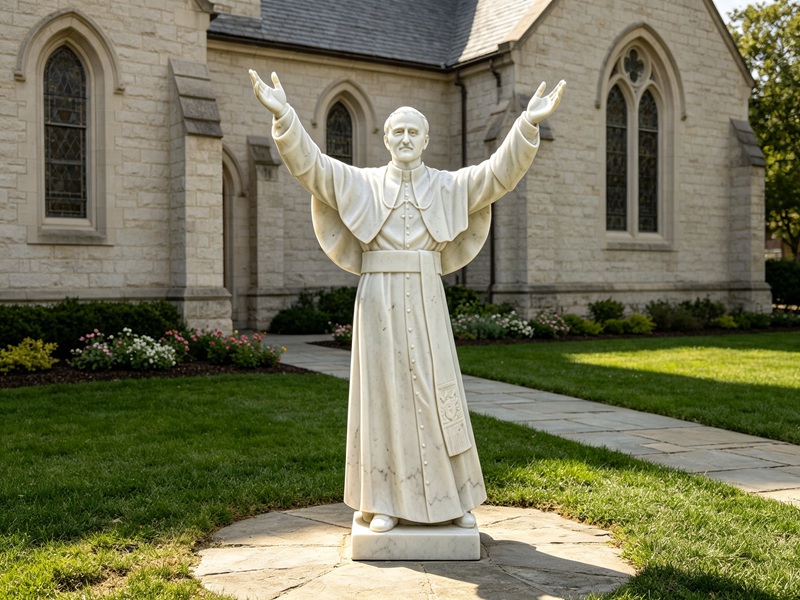
4.4 Religious Figurative Sculpture
Religious sculpture is another major category of figurative sculpture.
Examples include:
- Jesus Christ
- The Virgin Mary
- Saints
- Angels
- Biblical figures
Religious figurative sculpture can be found in churches, monasteries, religious institutions, cemeteries, gardens, and private devotional spaces.
The artistic treatment varies significantly depending on cultural and historical traditions. Some works follow classical proportions, while others use symbolic gestures, clothing, and expressions to communicate religious meaning.
4.5 Mythological Figurative Sculpture
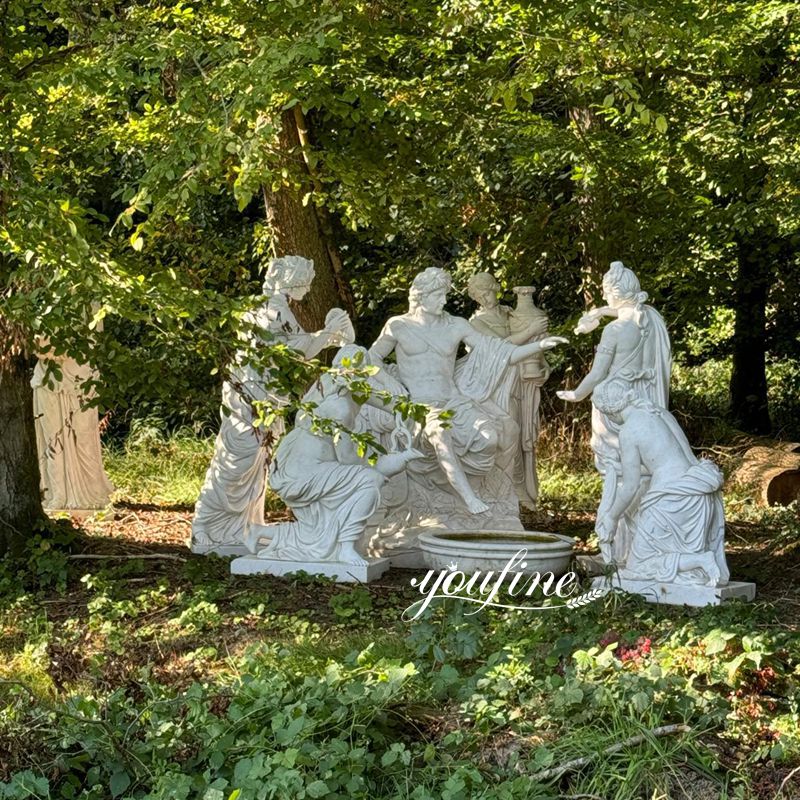
Mythological figurative sculptures depict characters from mythology and ancient traditions.
Common subjects include:
- Venus
- Apollo
- Athena
- Hercules
- Diana
- Neptune
Other gods, goddesses, and mythological heroes
These sculptures are particularly popular in classical gardens, estates, hotels, resorts, and architectural landscapes because their visual language can complement traditional European architecture and formal garden design.
4.6 Contemporary Figurative Sculpture
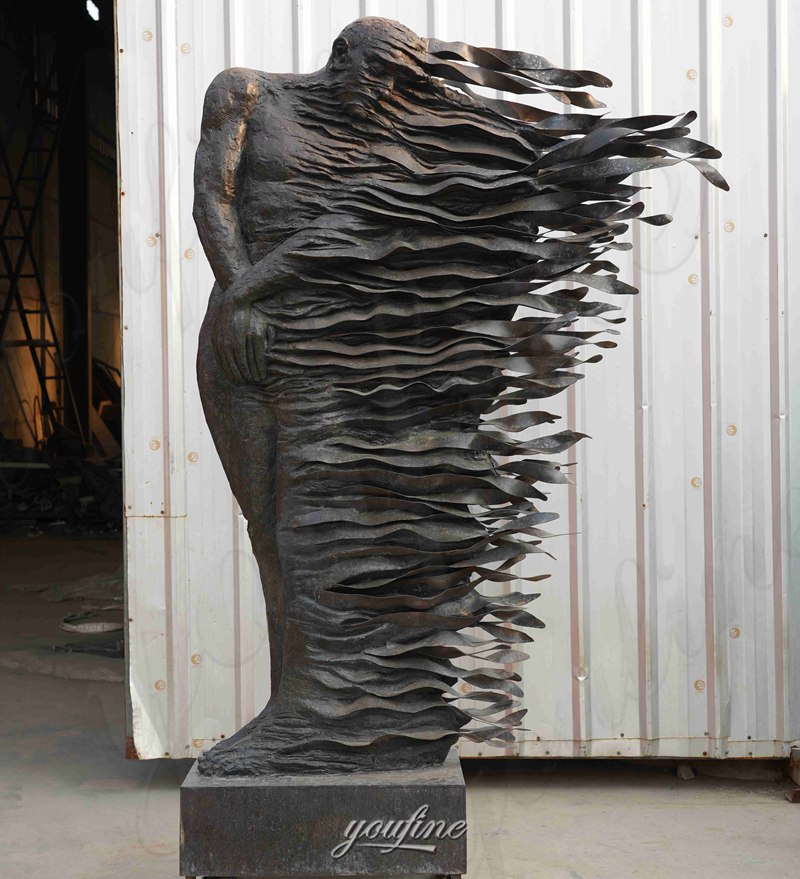
Contemporary figurative sculpture continues to use recognizable human or animal forms while giving artists greater freedom to alter traditional proportions and forms.
A contemporary figurative sculpture may combine:
- Simplified anatomy
- Geometric forms
- Distorted proportions
- Abstract elements
- Unusual poses
- Symbolic details
The boundary between figurative and abstract sculpture can therefore become less obvious in contemporary art.
5. A Brief History of Figurative Sculpture
Figurative sculpture has a long history that closely follows the development of human artistic expression.
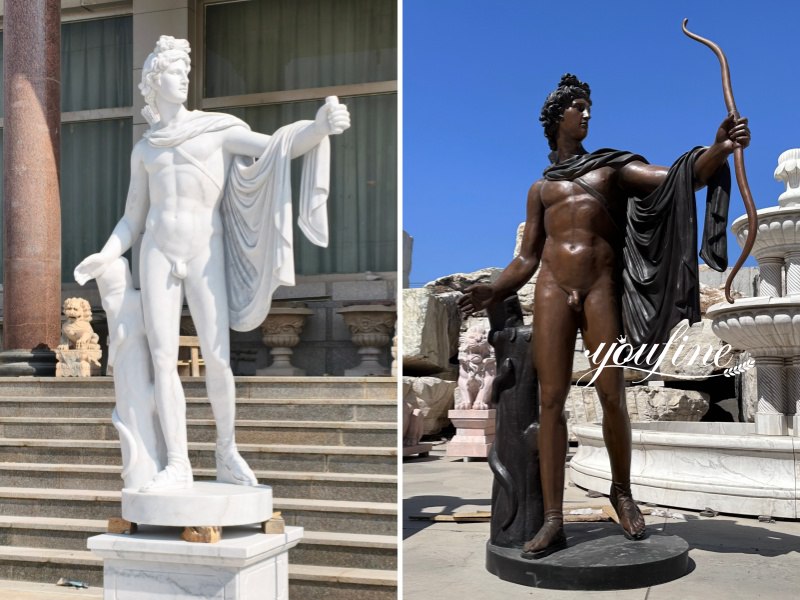
5.1 Ancient Greece and Rome
Ancient Greek and Roman artists made extensive use of the human figure in sculpture. Greek sculpture placed particular importance on proportion, anatomy, balance, and idealized representations of the human body.
Roman sculpture developed strong traditions of portraiture as well as mythological and historical subjects.
These traditions later became important foundations for European classical sculpture.
5.2 Medieval and Religious Sculpture
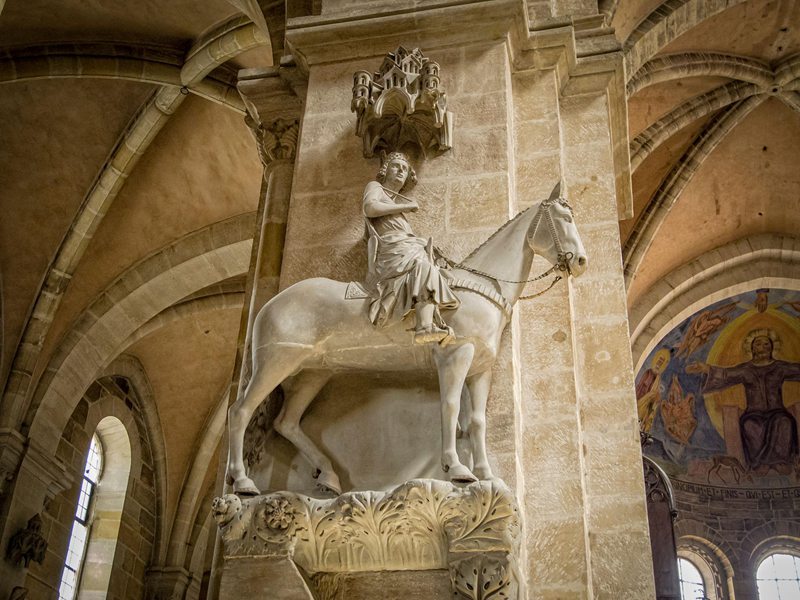
During the medieval period in Europe, figurative sculpture was strongly connected with Christianity.
Sculptural figures of Christ, the Virgin Mary, saints, and biblical characters were used to decorate churches, cathedrals, tombs, and religious spaces.
The purpose was often not simply to reproduce physical appearance but also to communicate religious stories and spiritual ideas.
5.3 Renaissance Sculpture
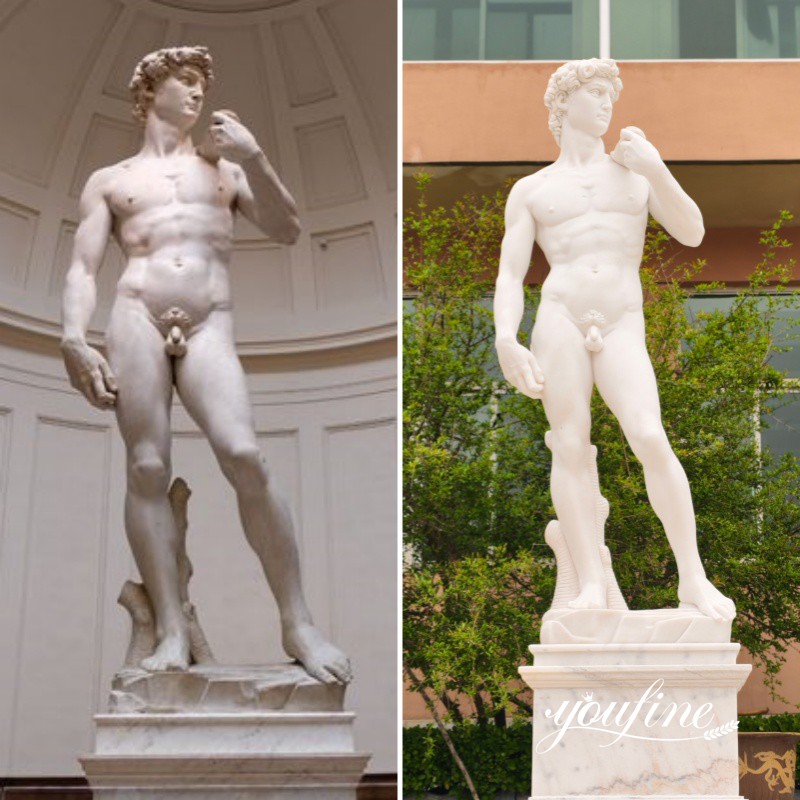
The Renaissance brought renewed interest in classical art and the study of human anatomy.
Artists increasingly focused on:
- Anatomical accuracy
- Human proportions
- Movement
- Facial expression
- Emotional communication
The human figure became an important subject for artists seeking to combine technical skill with artistic expression.
5.4 Modern and Contemporary Figurative Sculpture
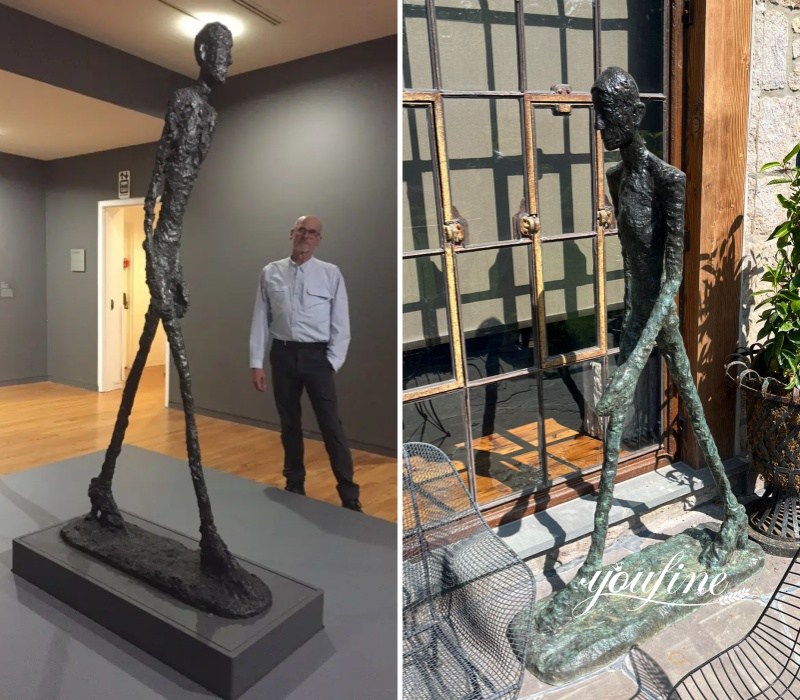
Modern sculpture introduced new approaches to representing the human figure.
Artists began to experiment with:
- Simplification
- Distortion
- Fragmentation
- Abstraction
- Symbolism
Contemporary figurative sculpture continues this experimentation. A recognizable human figure can now be combined with abstract shapes, unconventional materials, or exaggerated proportions.
As a result, figurative sculpture today encompasses a much wider range of styles than the classical definition might suggest.
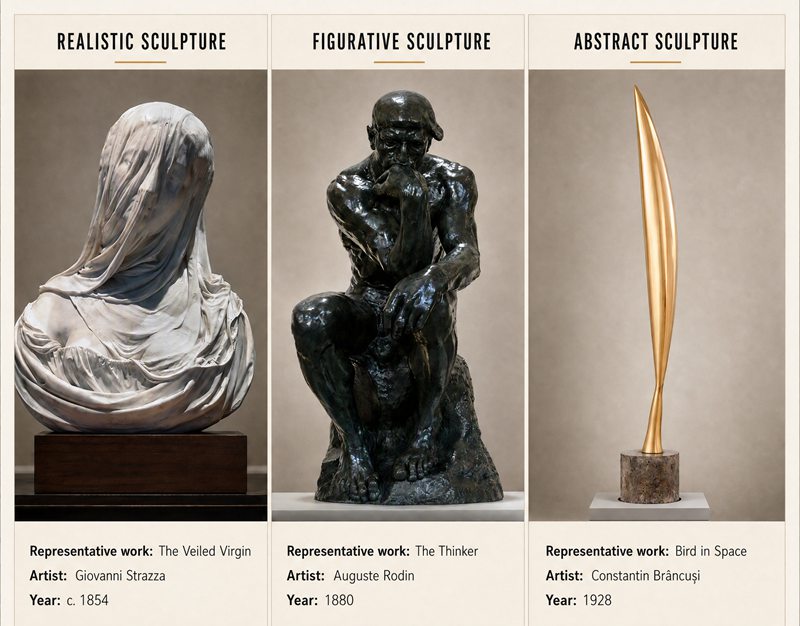
6. Figurative Sculpture vs. Realistic Sculpture vs. Abstract Sculpture
Although these terms are related, they describe different approaches to artistic representation.
Feature | Figurative Sculpture | Realistic Sculpture | Abstract Sculpture |
Recognizable subject | Usually yes | Yes | May be difficult to recognize |
Human figure | Common | Common | Not required |
Realistic anatomy | Optional | Usually important | Not required |
Stylization | Can be low or high | Usually limited | Often extensive |
Main focus | Recognizable representation | Accurate representation | Form, idea, movement, or concept |
The key distinction is that figurative sculpture does not have to be realistic.
A sculpture can have exaggerated proportions or simplified anatomy and still be figurative if the underlying figure remains recognizable.
You could learn more about the abstract sculpture: What is an abstract sculpture?
7. What Materials Are Used for Figurative Sculpture?
Figurative sculptures can be produced using many different materials. The choice depends on the desired appearance, scale, location, artistic style, structural requirements, and budget.
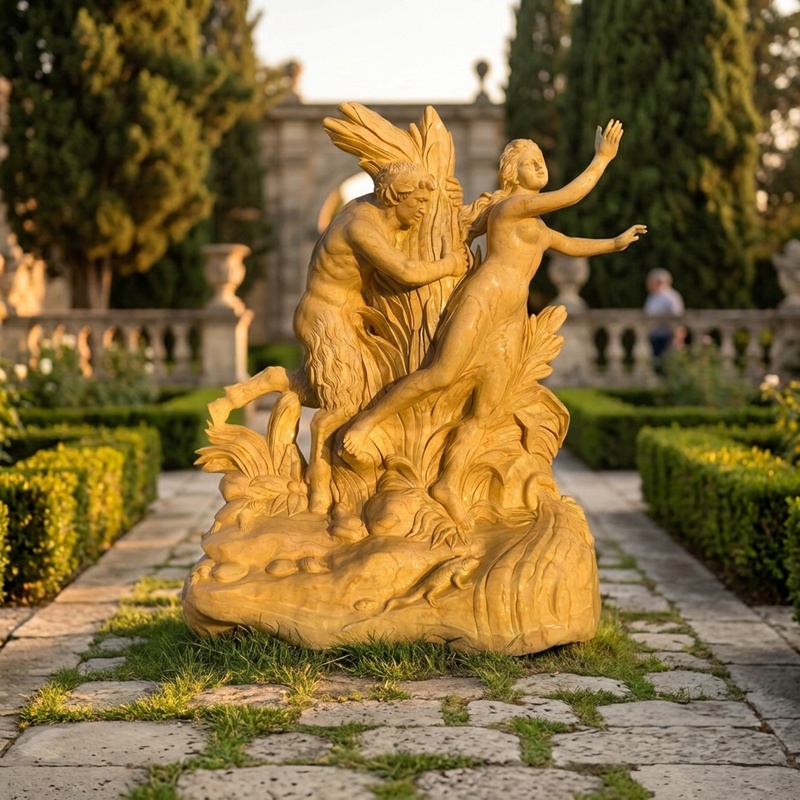
7.1 Marble Statue
Marble has been used for figurative sculpture for centuries and remains one of the most recognizable materials for classical sculpture.
Its advantages include:
- Fine carving capability
- Smooth surface
- Natural stone veining
- Elegant appearance
- Ability to reproduce anatomical and facial details
White marble is particularly associated with classical European sculpture, although marble is available in many colors and patterns.
7.2 Bronze Sculpture
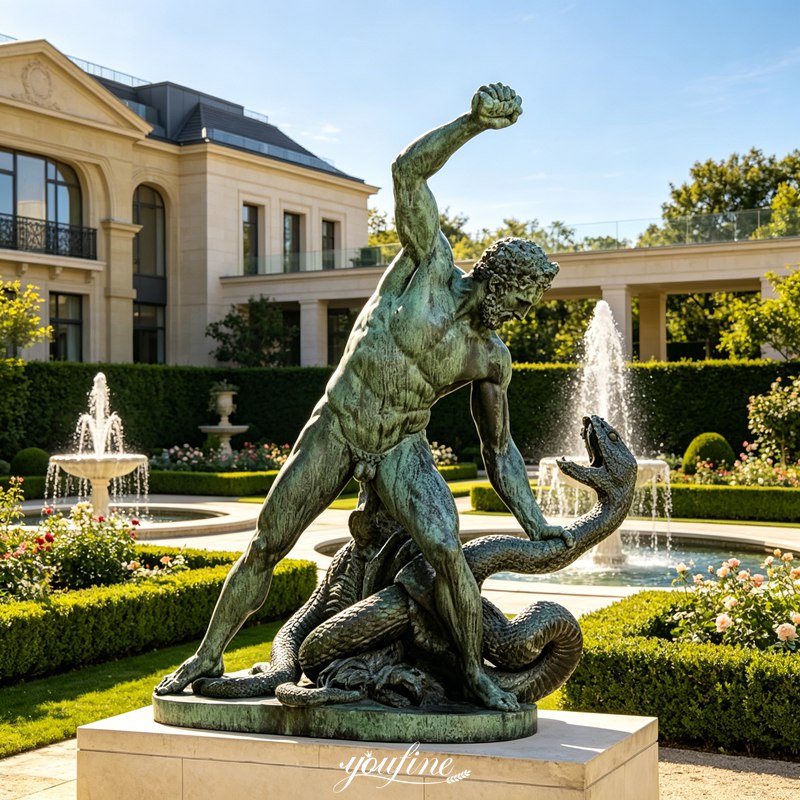
Bronze is another important material for figurative sculpture, particularly for outdoor works.
Bronze allows artists to create complex poses and relatively fine details while providing a durable metal surface.
It is commonly used for:
- Portrait sculptures
- Memorials
- Garden statues
- Public sculptures
- Mythological figures
- Contemporary figurative works
Bronze can also develop different surface finishes and patinas, allowing the appearance of the finished sculpture to complement its environment.
7.3 Stainless Steel Sculpture
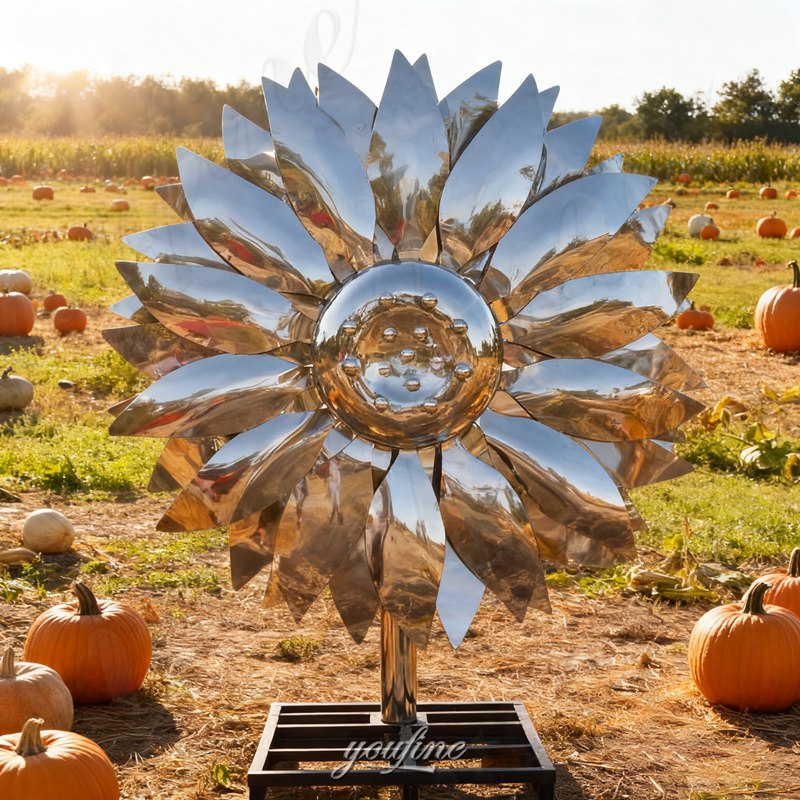
Stainless steel is particularly suitable for contemporary figurative sculpture and large-scale outdoor installations. Its clean, modern appearance can complement contemporary architecture, while its corrosion resistance makes it a practical option for many outdoor environments.
Stainless steel can be finished in different ways, including polished, brushed, or matte surfaces. A polished surface can create reflections that interact with the surrounding landscape, architecture, and natural light, giving a figurative sculpture a changing appearance throughout the day.
Stainless steel is commonly considered for:
- Contemporary figurative sculptures
- Large outdoor sculptures
- Public art installations
- Hotel and resort landscapes
- Modern architectural projects
- Sculptures requiring a clean metallic appearance
For outdoor projects, the appropriate stainless steel grade, thickness, structural design, welding quality, and surface treatment should be selected according to the installation environment and the size of the sculpture.
8. Where Can Figurative Sculptures Be Used?
Figurative sculpture can work in many architectural, landscape, cultural, and private settings.
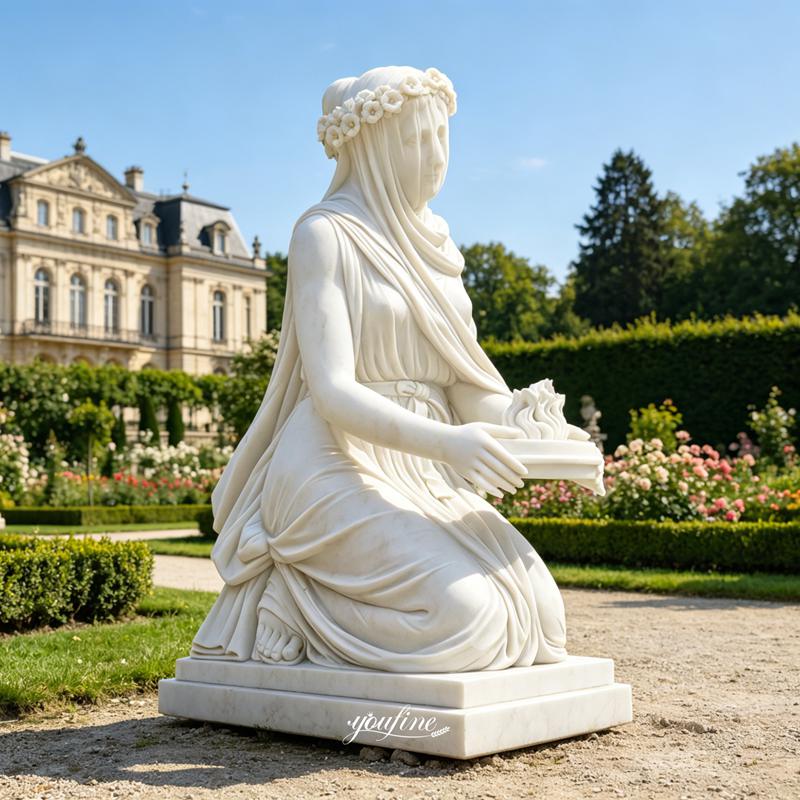
8.1 Private Gardens and Estates
Figurative sculptures can become focal points within formal gardens, courtyards, entrances, and landscaped estates.
Classical marble figures and mythological statues are especially suitable for traditional architectural environments.
The scale of the sculpture should be considered carefully. A sculpture that looks impressive in a showroom may appear too small in a large garden or overwhelming in a compact courtyard.
8.2 Hotels and Resorts
Hotels and resorts often use figurative sculptures to create distinctive visual features.
A sculpture may be placed:
- At an entrance
- In a lobby
- Beside a fountain
- Along a garden pathway
- Around a swimming pool
- In a central courtyard
The choice of material and style should complement the overall architectural concept.

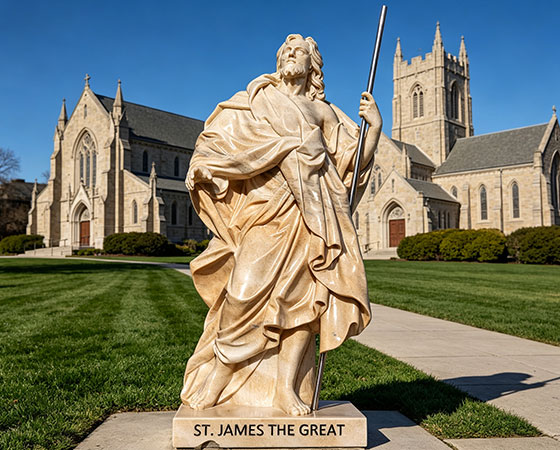
8.3 Churches and Religious Spaces
Religious figurative sculptures can provide both artistic and spiritual meaning in churches, chapels, monasteries, cemeteries, and other religious environments.
The appropriate subject, scale, material, and pose depend on the religious tradition and the purpose of the installation.
8.4 Museums and Cultural Spaces
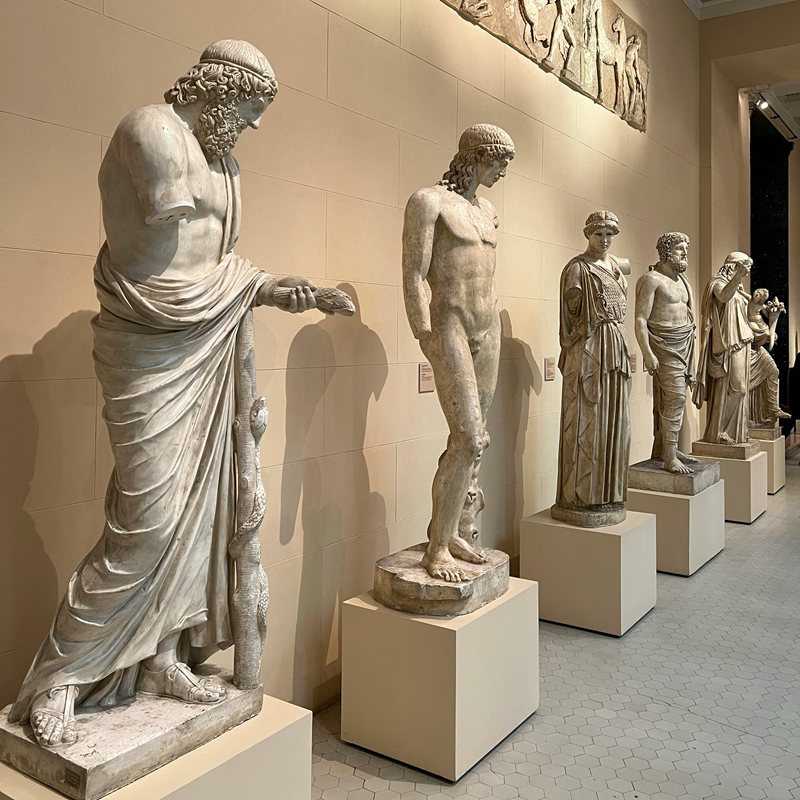
Museums and cultural institutions may use figurative sculptures to represent historical periods, artistic movements, cultural traditions, or individual artists.
These environments typically place greater emphasis on historical accuracy, artistic interpretation, provenance, and conservation.
8.5 Public Places and Memorials
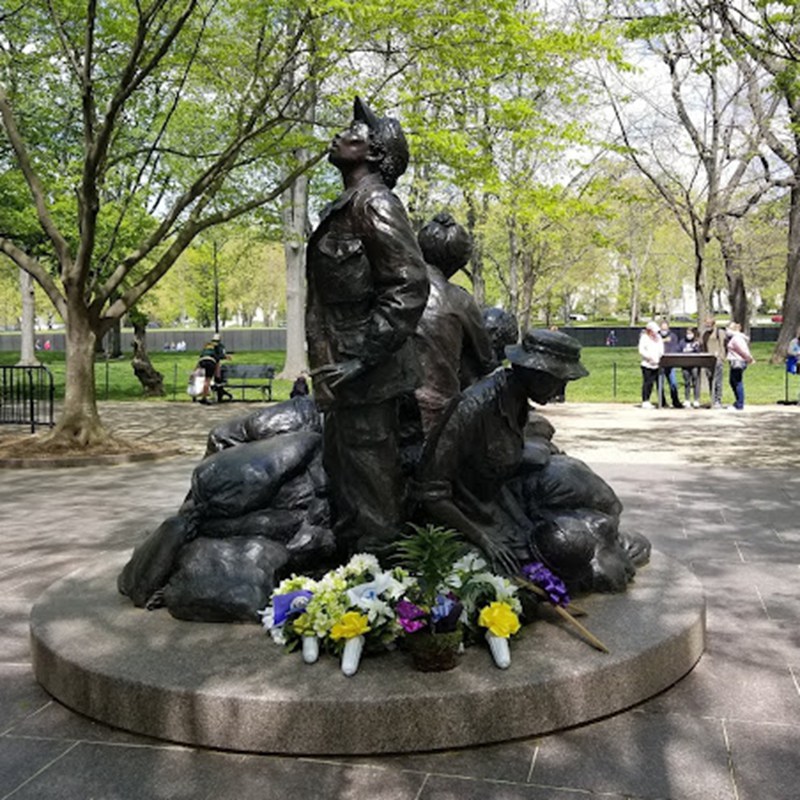
Figurative sculptures can also be used in parks, plazas, memorials, government spaces, and other public environments.
Portrait sculptures and commemorative figures are often created to honor individuals or preserve important historical memories.
Outdoor public sculptures require careful consideration of material durability, structural design, foundation requirements, and environmental conditions.
8.6 Indoor Collections
For private collectors, figurative sculptures can become focal points in entry halls, living spaces, galleries, libraries, and other interiors.
Indoor environments offer greater flexibility in material selection because sculptures are generally less exposed to weather and environmental changes.
9. YouFine Figurative Sculpture Projects
At YouFine, figurative sculpture is not simply a category of finished products. It is an area of sculpture making that requires careful attention to proportion, anatomy, surface detail, material characteristics, and the environment in which the finished work will be displayed.
Founded in 1983, YouFine has more than four decades of experience in sculpture manufacturing. Our experience covers marble carving, bronze sculpture, classical figures, religious statues, mythological figures, portrait sculpture, and customized sculpture projects.
For a custom figurative sculpture, the process can begin with a customer’s reference image, drawing, existing artwork, or design concept. Based on the project requirements, the sculpture can then be developed according to the desired material, dimensions, pose, finish, and installation environment.
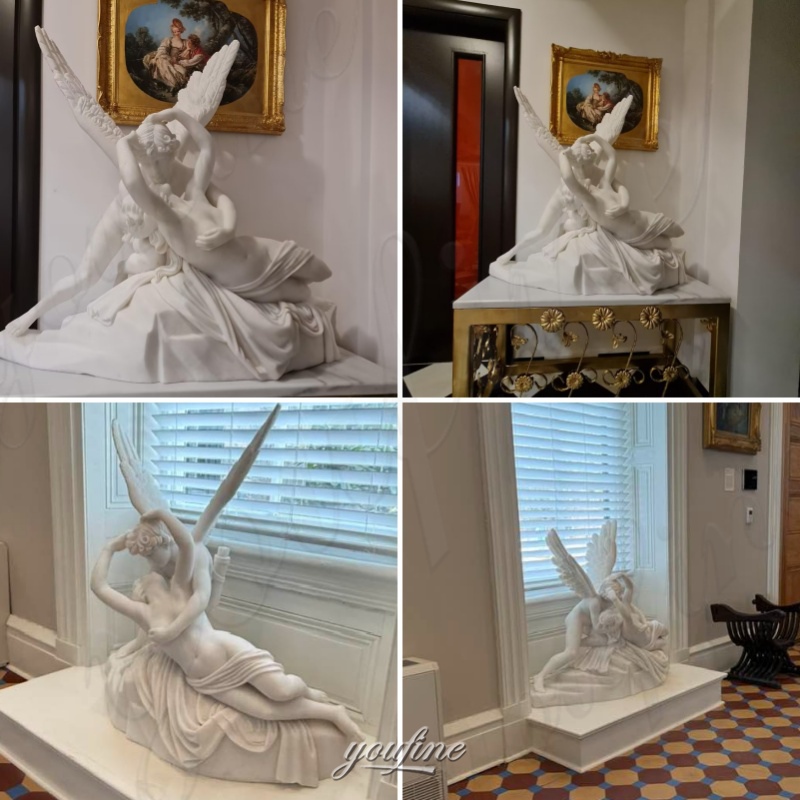
9.1 Classical Marble Figurative Sculpture
Our classical marble sculpture projects often draw on traditional European sculpture styles, with particular attention to anatomy, proportions, drapery, facial expression, and surface finishing.
These sculptures can be customized in size and adapted for gardens, estates, hotels, architectural projects, and private collections.

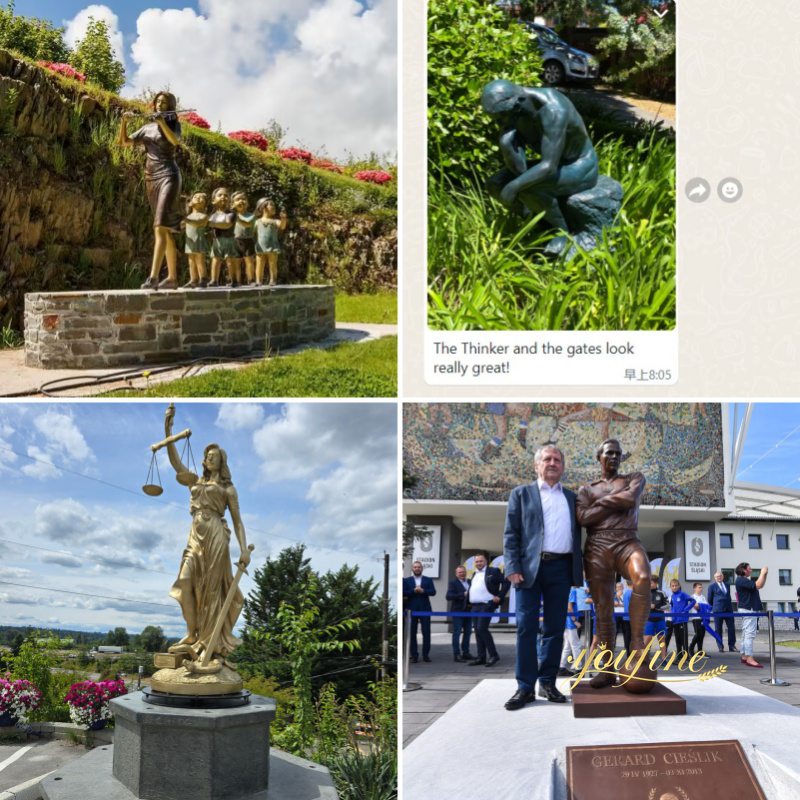
9.2 Bronze Figurative Sculpture
Bronze provides greater flexibility for many dynamic figurative designs.
Depending on the project, details such as pose, surface texture, patina, dimensions, and base design can be customized to meet the requirements of the installation site.
9.3 Custom Figurative Sculpture
Every project has different requirements.
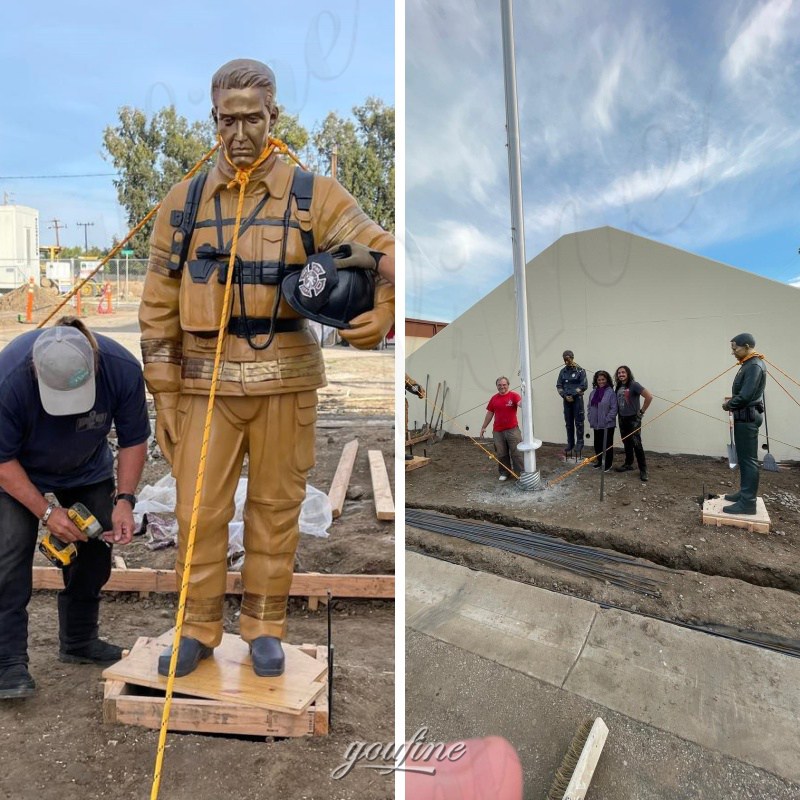
For a custom figurative sculpture, factors such as subject, scale, material, pose, style, surface finish, installation location, and budget should be considered together.
YouFine can work with customers on these requirements from the initial concept through production, finishing, quality inspection, and delivery.
The result is not simply a sculpture that represents a figure, but a work designed to fit its intended artistic and architectural environment.
Conclusion
Figurative sculpture is one of the broadest and most enduring forms of three-dimensional art. While the human figure is its most common subject, figurative sculpture can encompass realistic portraits, classical marble statues, religious figures, mythological characters, and contemporary interpretations of the human form.
The defining characteristic is not perfect realism but recognizable representation. A figurative sculpture can be realistic, stylized, exaggerated, or partially abstract while still maintaining a connection to a recognizable subject.
For anyone selecting a figurative sculpture, understanding the subject, artistic style, material, scale, location, and intended purpose can help create a more successful result. For custom projects, these decisions are especially important because the sculpture should work not only as an individual artwork but also as part of the space where it will be installed.