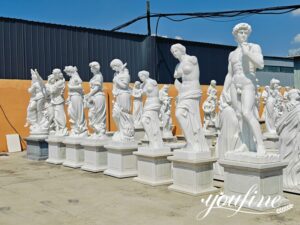
After working in the sculpture industry for more than 10 years, I’ve often been asked the same question by clients: Why are bronze sculptures more expensive than sculptures made from other materials?
At YouFine, where our team has more than 40 years of experience in sculpture production, we have produced countless custom bronze sculptures for private collectors, designers, and public projects. Through these projects, I’ve seen firsthand how the material, craftsmanship, and production process all influence the final price of a sculpture.
Compared with materials like resin, fiberglass, plaster, or even some types of stone, bronze sculptures usually require higher investment. However, that higher price reflects not only the cost of the material but also the level of craftsmanship, durability, and long-term value that bronze offers.
In this article, I’d like to share from my professional experience why bronze sculptures are typically more expensive than other materials, and why they remain one of the most respected choices in the world of sculpture.
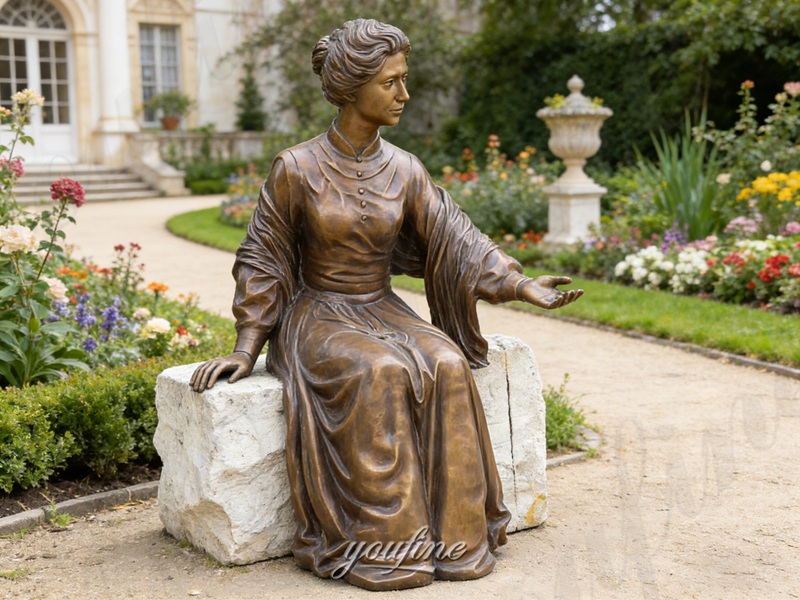
The Cost of Creating a 1:1 Clay Model
When we produce a custom bronze sculpture, the process almost always begins with creating a 1:1 clay model. This stage is extremely important because it allows both our sculptors and the client to confirm the exact appearance of the sculpture before casting begins.
Why a Clay Model Is Necessary for Custom Sculptures
In my experience, many clients initially provide only reference photos or concept ideas. To transform those ideas into a realistic sculpture, our artists sculpt a full-scale clay model that matches the final size of the bronze piece.
This clay model allows the client to carefully review important elements such as:
- proportions
- posture
- facial expression
- clothing or texture details
If any adjustments are needed, they can easily be made at this stage. Once the sculpture is cast in bronze, changes become much more difficult.
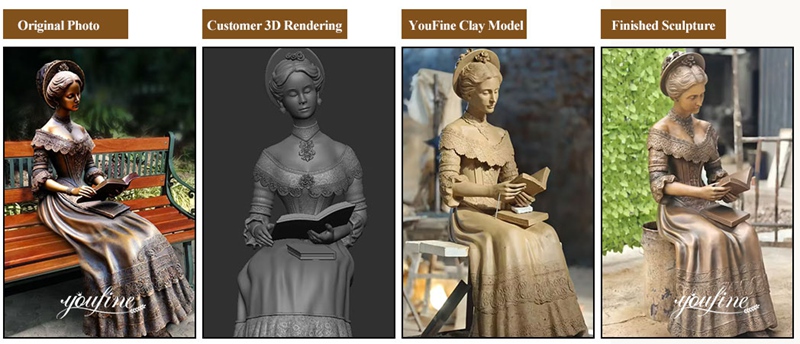
For example, one of our clients initially wanted a designer to create a 3D model based on their own images, as they weren’t very confident in our clay model. However, the designer couldn’t quite capture the client’s desired look. Ultimately, YouFine recommended our clay model to the client. Below are the client’s 3D design, the client’s original image, the clay model created by a YouFine artist, and the final product. You can compare them; our clay model and the finished product are truly excellent.
The Work of Professional Clay Artists
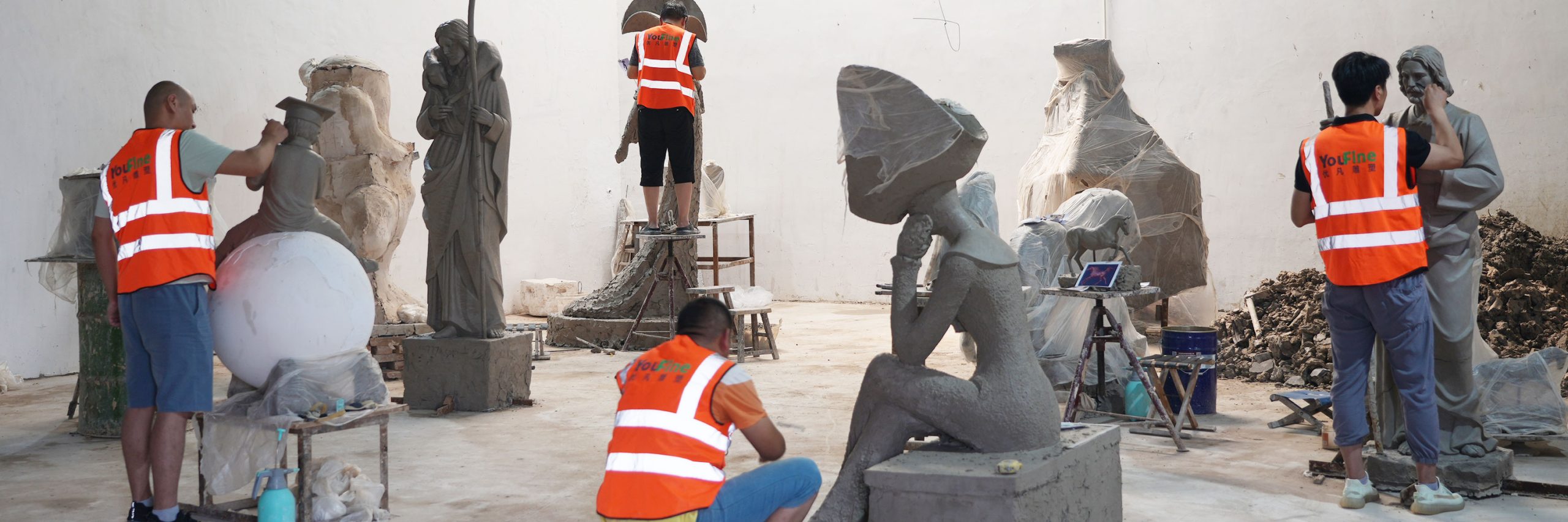
Creating a high-quality clay model requires experienced sculptors with strong artistic skills. At our workshop, professional clay artists carefully shape the sculpture by hand, paying attention to even the smallest details.
Depending on the complexity of the project, sculpting a life-size clay model can take several weeks or even longer. From my own experience working with these artists, I know how much patience and precision this stage requires.
Client Approval Before Casting
At YouFine, we always send detailed photos and videos of the clay model to the client for confirmation. Some clients also visit our factory to inspect the model in person.
Only after the client fully approves the clay sculpture do we move forward with the bronze casting process. This step ensures that the final bronze sculpture matches the client’s expectations, but the time, skill, and labor involved in creating the clay model also contribute to the overall cost.
The High Cost of Raw Bronze Material
Another major reason bronze sculptures are expensive is the price of the material itself.
What Bronze Is Made Of
Bronze is primarily an alloy made from copper and tin, and sometimes small amounts of other metals are added to improve strength or casting performance.
Copper is the main component, and it is widely used in industries such as construction, electronics, and manufacturing. Because of this widespread demand, copper prices are influenced by global market conditions.
Rising Global Metal Prices
Over the past several years, I’ve personally seen the cost of metal materials rise significantly. Copper prices in particular have increased due to growing industrial demand and limited supply.
These rising raw material costs directly affect the price of bronze sculptures.
Large Sculptures Require Large Amounts of Bronze
Bronze sculptures can be quite heavy. A life-size statue may weigh 100 to 300 kilograms, and large outdoor monuments can weigh much more.
This means that even small increases in metal prices can noticeably raise production costs. Compared with materials like resin or fiberglass, bronze naturally requires a much larger material investment.
The Complex and Time-Consuming Casting Process
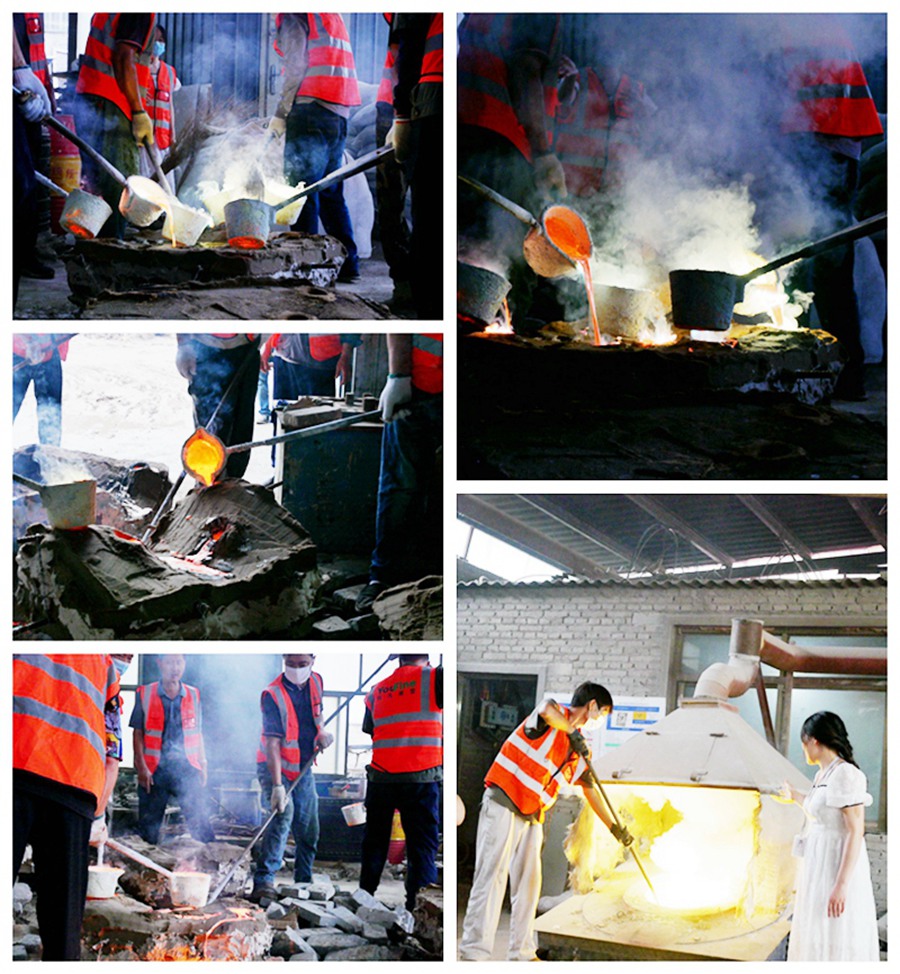
The casting process is one of the biggest factors that makes bronze sculptures more expensive.
Most bronze sculptures are produced using the traditional lost-wax casting method, a technique that has been used for thousands of years.
The Traditional Lost-Wax Casting Method
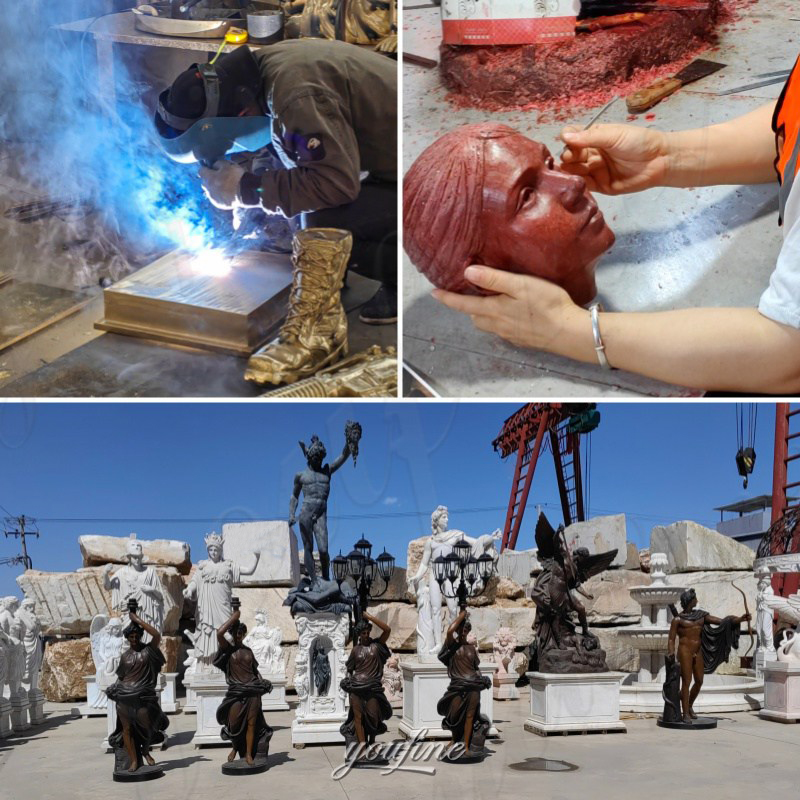
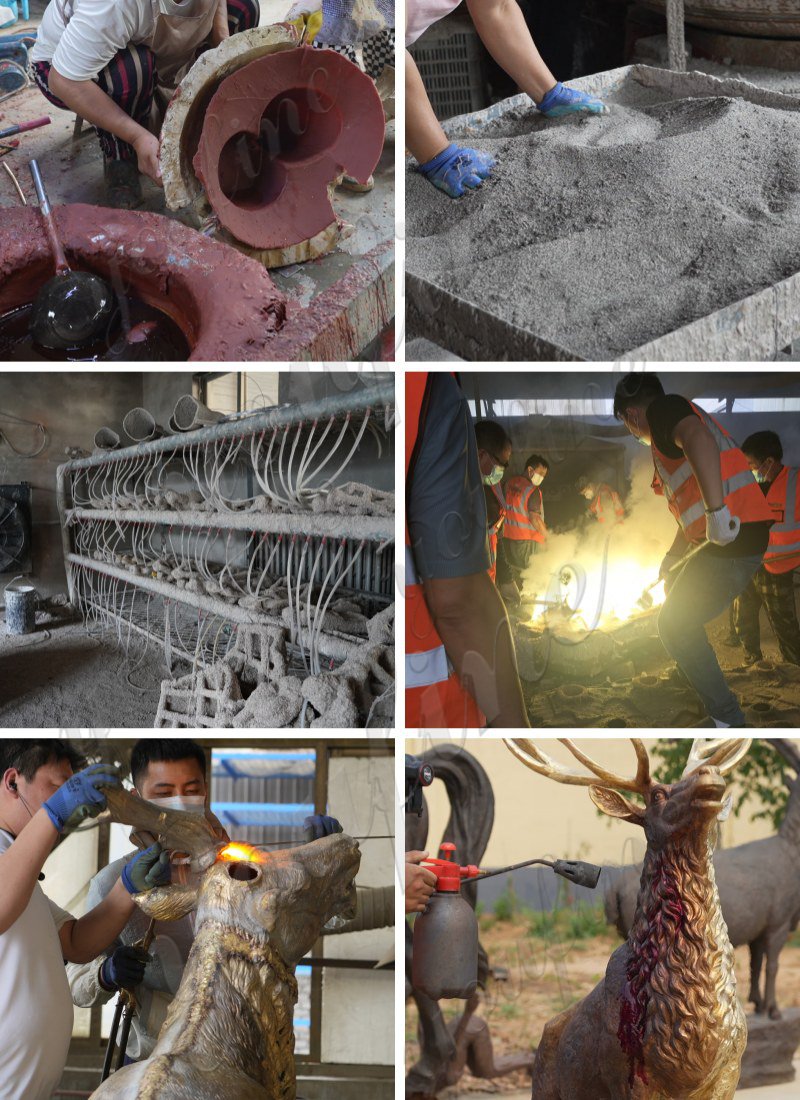
This process involves many stages, including:
- sculpting the clay model
- creating a silicone mold
- producing a wax replica
- building a sand shell
- pouring molten bronze into the mold
- welding separate pieces together
- polishing and surface finishing
- applying patina
Each of these steps requires experienced craftsmen and careful quality control. The entire process can take weeks or even months depending on the size of the sculpture.
Advanced Silica Sol Casting Technique
At YouFine, we have introduced advanced silica sol casting technology to improve the quality of our bronze sculptures. From my experience, this technique helps reduce casting defects and produces a smoother surface.
One of the biggest advantages of silica sol casting is that it helps prevent problems such as white spots or green patches that sometimes appear on bronze surfaces when lower-quality casting methods are used.
Why Some Factories Still Use Ammonia Casting
Although silica sol casting produces better results, it also increases production costs. Some factories still use the older ammonia-based casting process because it is cheaper and faster.
However, this method can sometimes lead to unstable quality or surface issues. In my opinion, investing in better casting technique is essential for producing bronze sculptures that will last for many years.
Exceptional Durability and Longevity
One reason many clients choose bronze despite the higher price is its remarkable durability.
Bronze Can Last for Centuries
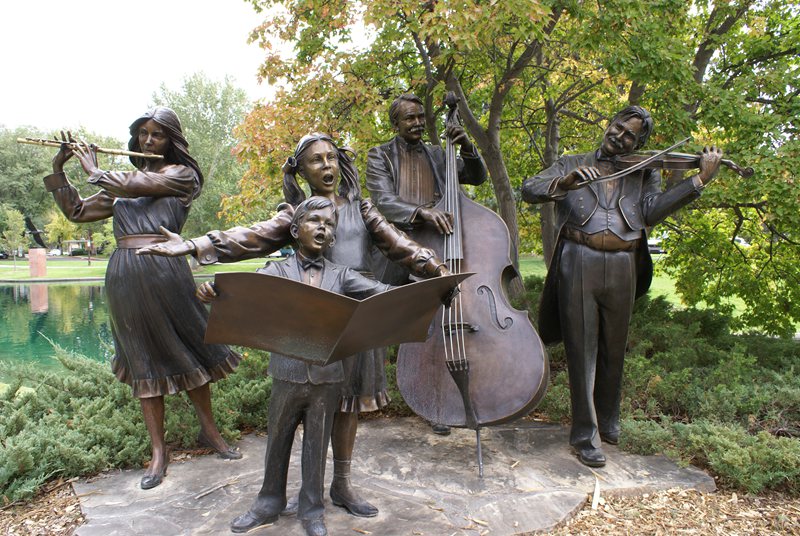
Throughout history, bronze sculptures have proven their ability to withstand time. Many ancient bronze artworks created hundreds or even thousands of years ago still exist today.
This durability makes bronze one of the most reliable materials for sculpture.
Ideal for Outdoor Sculptures
From my experience working with garden and public sculptures, bronze performs extremely well outdoors. It can withstand rain, sunlight, temperature changes, and wind without losing its structural integrity.
That’s why bronze is often chosen for sculptures installed in parks, plazas, and gardens.
Minimal Structural Damage Over Time
Unlike materials that may crack or deteriorate, bronze sculptures usually remain structurally stable for many years. With proper maintenance, they can last for generations.
Superior Artistic Detail and Patina Effects
Another reason artists prefer bronze is its ability to capture fine artistic details and create beautiful surface finishes.
Capturing Fine Details
The lost-wax casting process can reproduce extremely delicate details from the original clay model. Facial expressions, hair texture, and fabric folds can all be preserved in the final bronze piece.
This is especially important for portrait sculptures or realistic animal statues.
Rich Surface Textures
After casting, craftsmen carefully polish and refine the sculpture’s surface. Different textures can be created to enhance the artistic effect and make the sculpture more visually dynamic.
Beautiful Patina Finishes
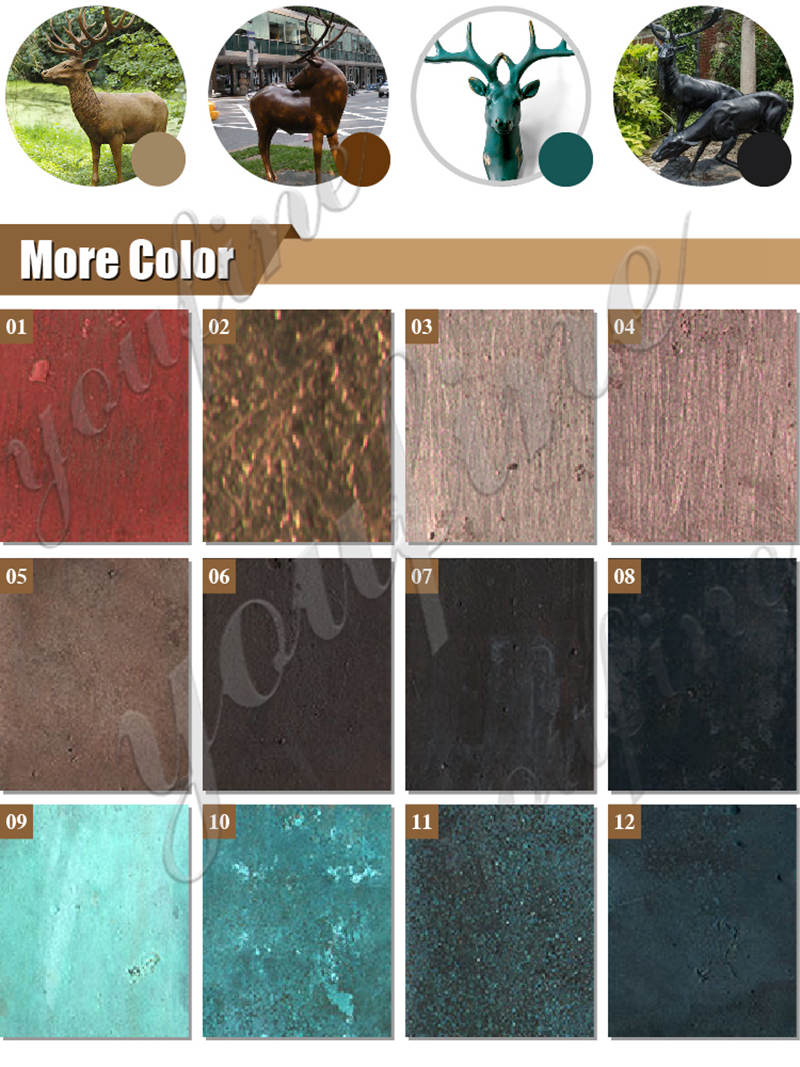
Bronze sculptures also allow for a variety of patina finishes, which are chemical treatments that give the metal different colors and protective layers.
Common patina colors include:
- classic brown
- dark bronze
- green
- black
- antique finishes
These finishes not only protect the sculpture but also give it a distinctive artistic character.
Long-Term Value of Bronze Sculptures
From my perspective in the industry, bronze sculptures are not just decorative objects—they often represent long-term artistic value.
- High Artistic and Cultural Value: Bronze has been used for many of the world’s most famous sculptures. Museums, collectors, and art institutions often prefer bronze because it has a long history in artistic tradition.
- Bronze Sculptures Hold Their Value: Because bronze sculptures are durable and long-lasting, they tend to maintain their value better than sculptures made from temporary materials.
- Investment Potential: For collectors, certain bronze sculptures—especially limited editions or works by recognized artists—can even increase in value over time.
Why Bronze Is Preferred for Public Art and Monuments
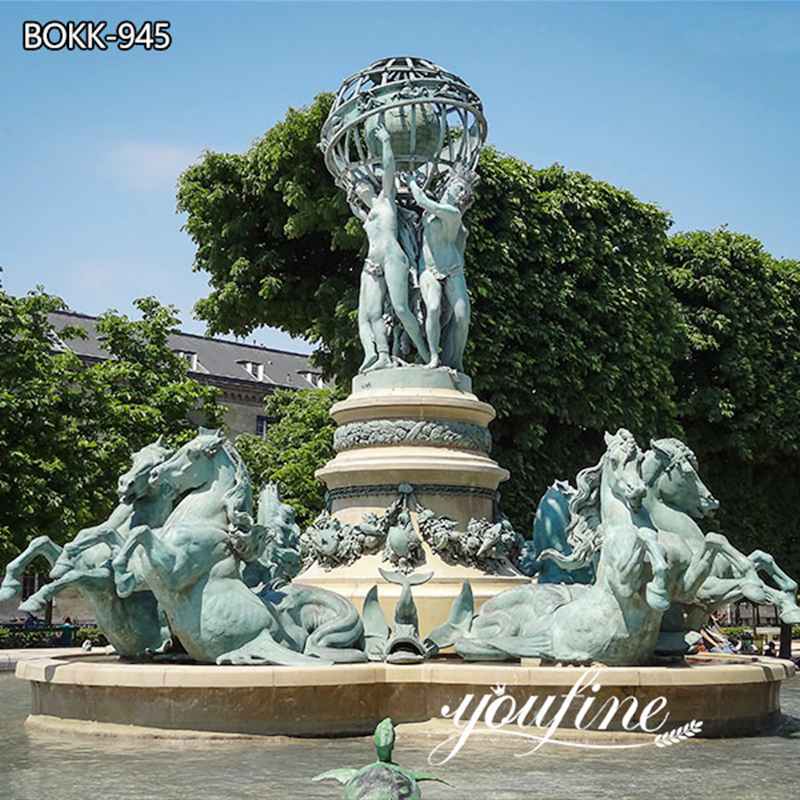
Finally, bronze is widely used for public art and monuments.
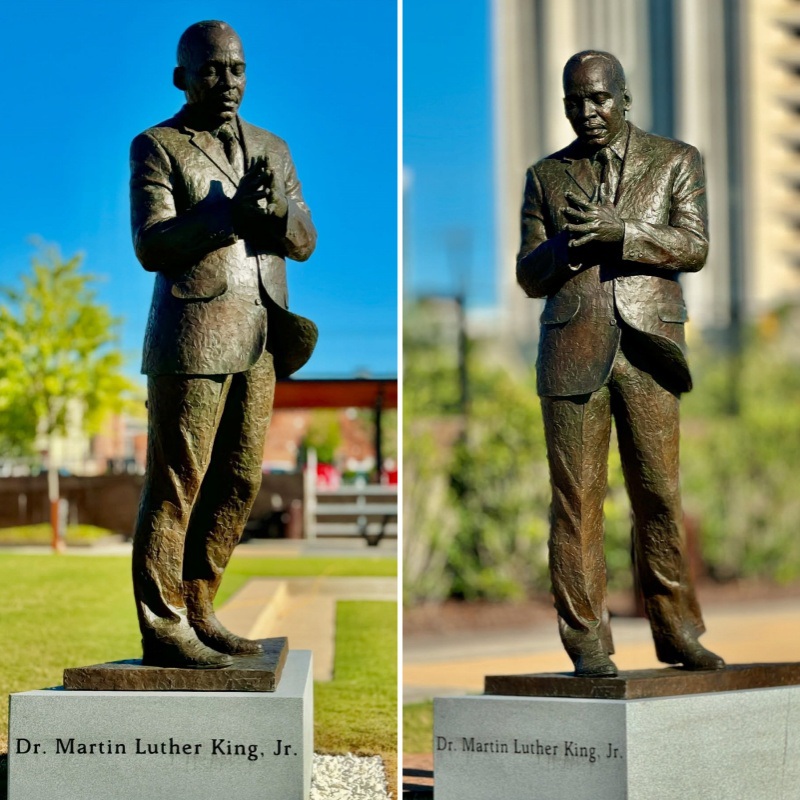
- Used for Historical Monuments: Many statues of historical figures, cultural icons, and national heroes are made from bronze. The material conveys a sense of permanence and respect.
- Trusted by Cities and Institutions: Cities, museums, and cultural organizations often choose bronze because it combines durability with prestige.
- A Symbol of Permanence and Prestige: In many cultures, bronze sculptures symbolize strength, history, and honor. This symbolic meaning is another reason why it remains a popular material for monumental artworks.
Conclusion
From my 10 years of experience in the sculpture industry, I’ve learned that the higher price of bronze sculptures reflects the many factors involved in their creation. The cost of raw materials, the time-consuming lost-wax casting process, the creation of full-scale clay models, and the skilled craftsmanship required all contribute to the final price.
At the same time, bronze offers unmatched advantages in durability, artistic detail, and long-term value. That is why, even today, bronze continues to be one of the most respected materials in sculpture.
At YouFine, with over 40 years of experience in sculpture production, we believe that a well-made bronze sculpture is not just a product—it is a work of art designed to last for generations.