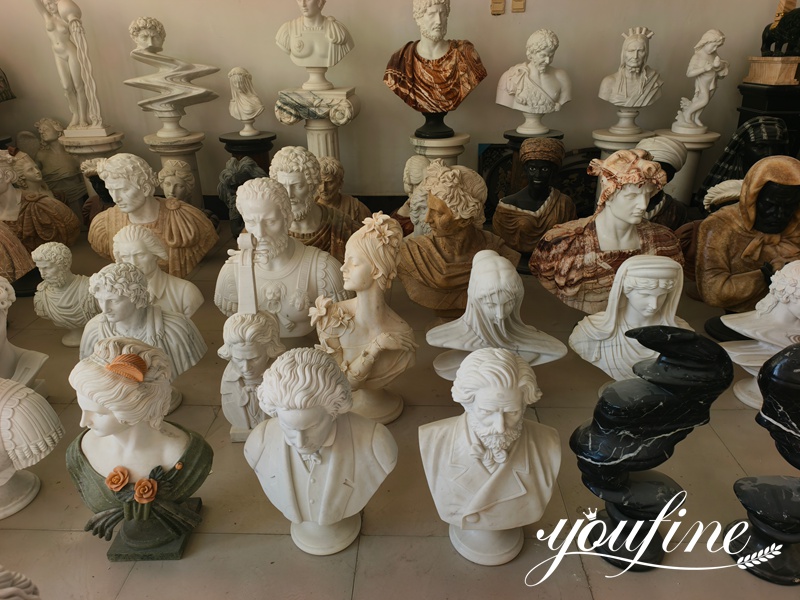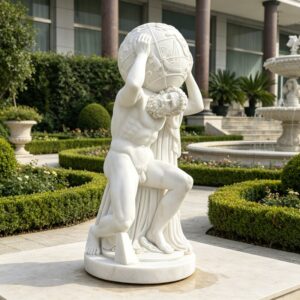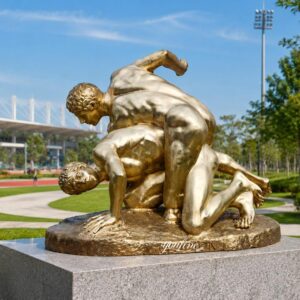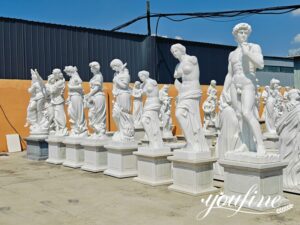
Marble bust statues have stood at the intersection of art, history, and identity for thousands of years. From ancient rulers to modern cultural icons, these sculptures capture not just physical likeness, but personality, power, and legacy.
In this blog, we explore the most iconic marble bust statues in history, uncover what makes them timeless, and explain why marble busts remain a popular choice for collectors, institutions, and custom commissions today.
What Is a Marble Bust Sculpture?
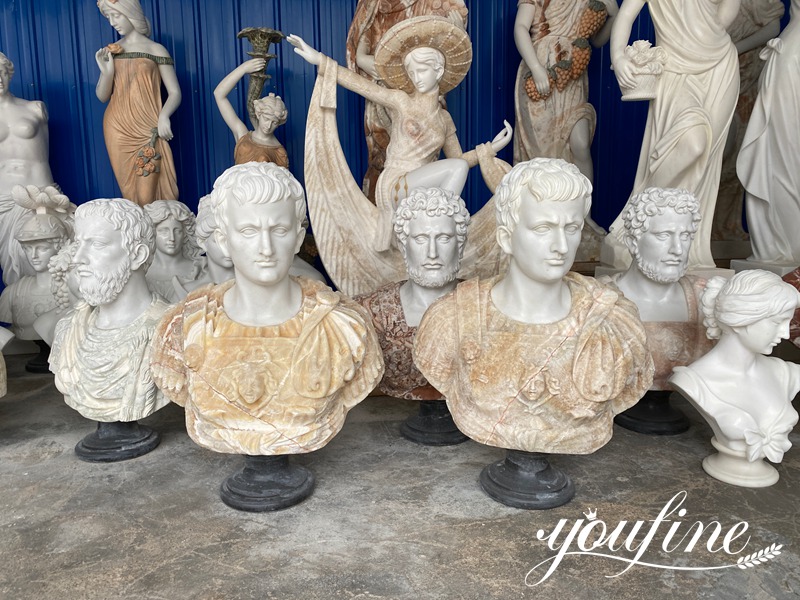
A marble bust is a sculptural representation of a person’s head, shoulders, and upper chest. Unlike full-body statues, busts focus on facial expression and character, making them one of the most intimate forms of sculpture.
The tradition dates back to ancient civilizations, especially in Ancient Greece and Rome, where busts were used to commemorate leaders, philosophers, and nobles. Marble became the preferred material due to its durability and ability to capture fine details such as skin texture, hair, and emotion.
Why Marble Busts Became Symbols of Power and Legacy
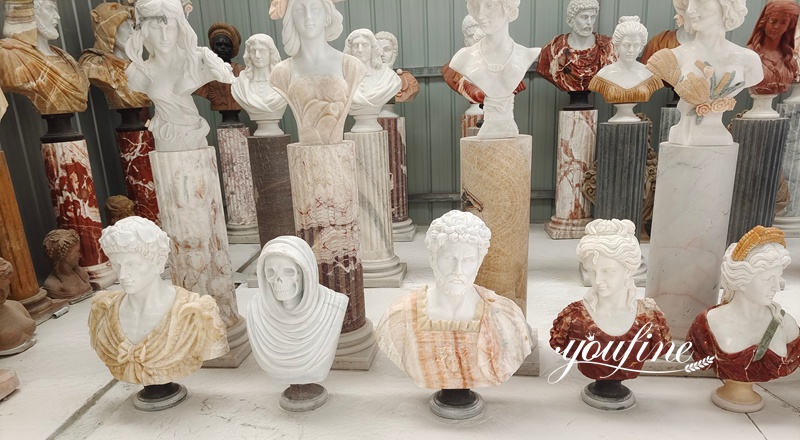
Throughout history, marble busts have served more than decorative purposes.
In Ancient Rome, they were tools of political influence, showcasing authority and realism
During the Renaissance, artists used busts to demonstrate technical mastery and revive classical ideals
In modern times, they function as commemorative artworks and luxury collectibles
Unlike full statues, busts emphasize identity. A well-crafted marble bust can communicate wisdom, strength, or vulnerability—all within a confined form.
15 Most Iconic Marble Bust Statues in History
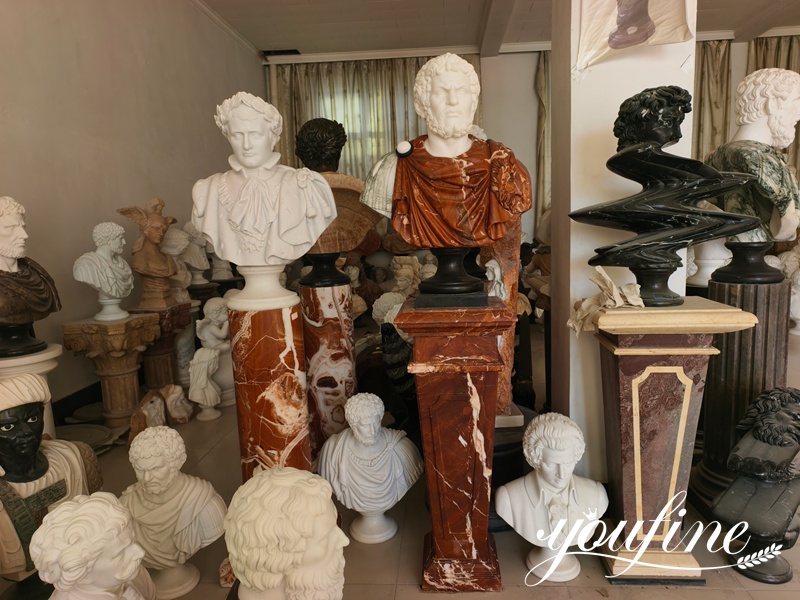
Below are some of the most famous marble bust sculptures ever created, spanning different eras and artistic movements.
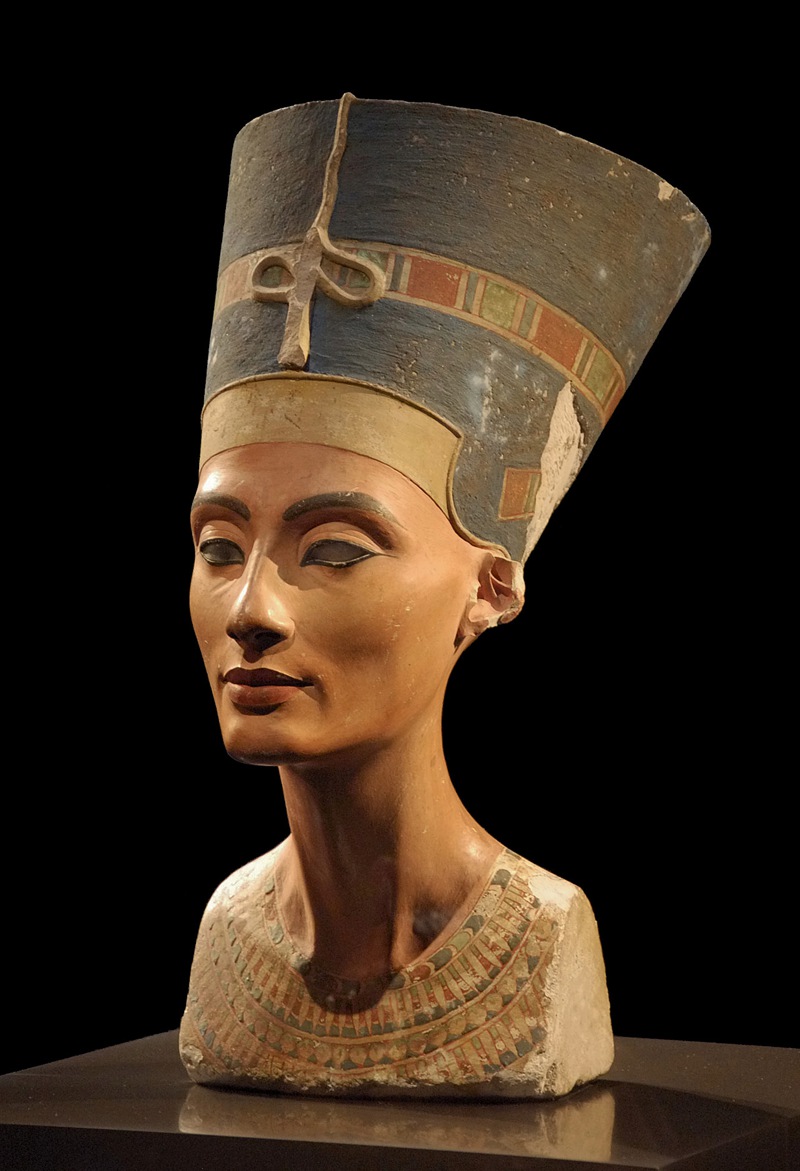
1. Nefertiti Bust
The Nefertiti Bust is widely regarded as one of the most beautiful and iconic sculptural portraits ever created.
Date: c. 1345 BC
Location: Neues Museum, Berlin
Style: Ancient Egyptian (Amarna period)
Why It’s Iconic: Perfect symmetry and timeless elegance have made it a global symbol of ideal beauty
Unique Details: Smooth facial contours, elongated neck, and the distinctive blue crown
Unlike many ancient sculptures, the Nefertiti Bust achieves an extraordinary balance between realism and idealization. It reflects the artistic revolution of the Amarna period, where more naturalistic forms began to emerge.
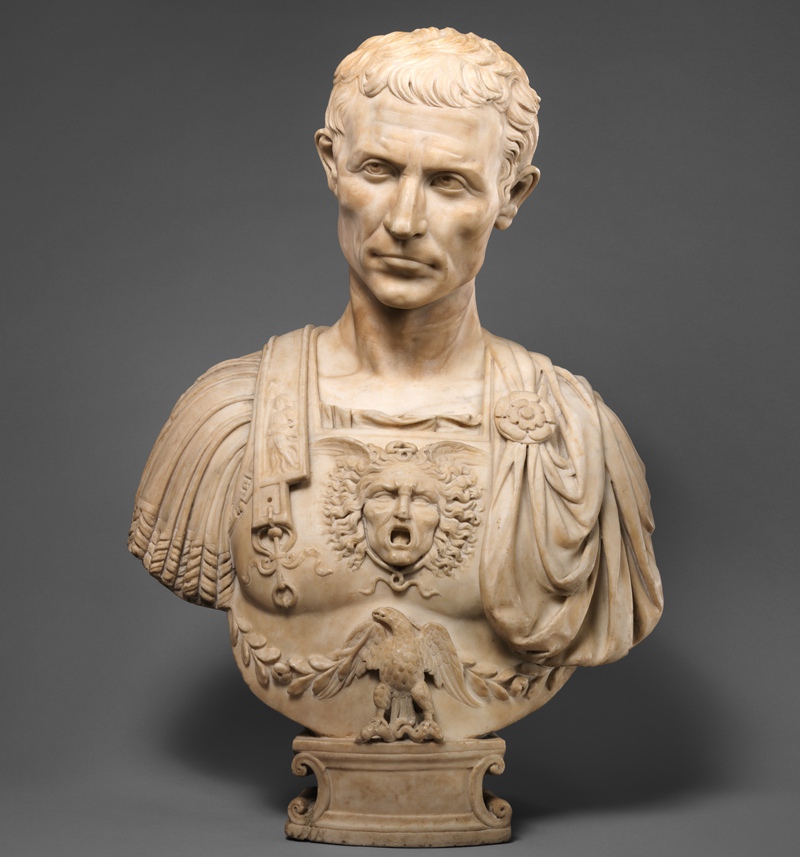
2. Julius Caesar Bust (Arles Bust)
The Julius Caesar Bust, often associated with the Arles discovery, is considered one of the most realistic depictions of Caesar.
Date: 1st century BC
Style: Roman verism (hyper-realism)
Why It’s Iconic: Shows aging, experience, and authority rather than idealized beauty
Unique Details: Wrinkles, sagging skin, and a stern expression
Roman sculptors deliberately emphasized imperfections to convey wisdom and power. This approach, known as verism, set Roman portraiture apart from Greek ideals.
This bust not only represents Caesar as a historical figure but also illustrates how art was used as political propaganda in ancient Rome.
3. Roman Portrait Busts
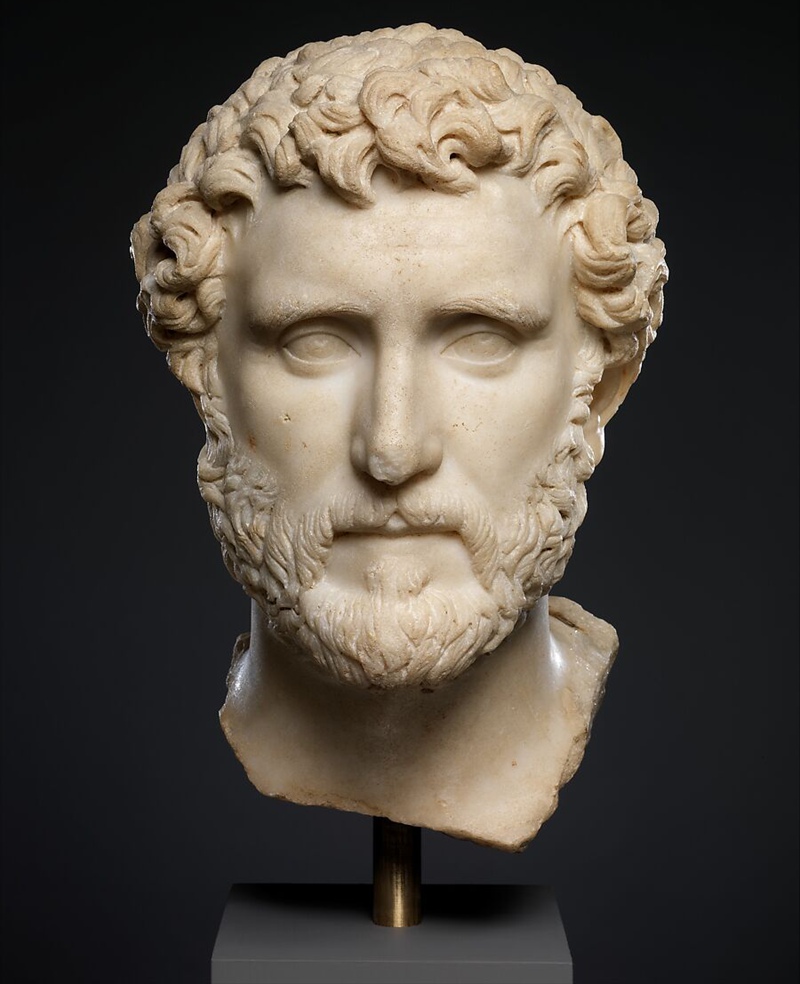
Ancient Roman portrait busts form the foundation of Western sculptural portraiture.
Period: 1st century BC – 3rd century AD
Style: Realism / Verism
Why They’re Iconic: Prioritize individuality, age, and status
Unique Details: Detailed wrinkles, sharp facial lines, and personalized features
Unlike the idealized forms of Greek sculpture, Roman busts embraced realism to communicate authority and lineage. These works were often displayed in homes and public spaces to honor ancestors and reinforce family prestige.
Their influence can still be seen in modern portrait sculpture and even contemporary political imagery.
4. Bust of Costanza Bonarelli
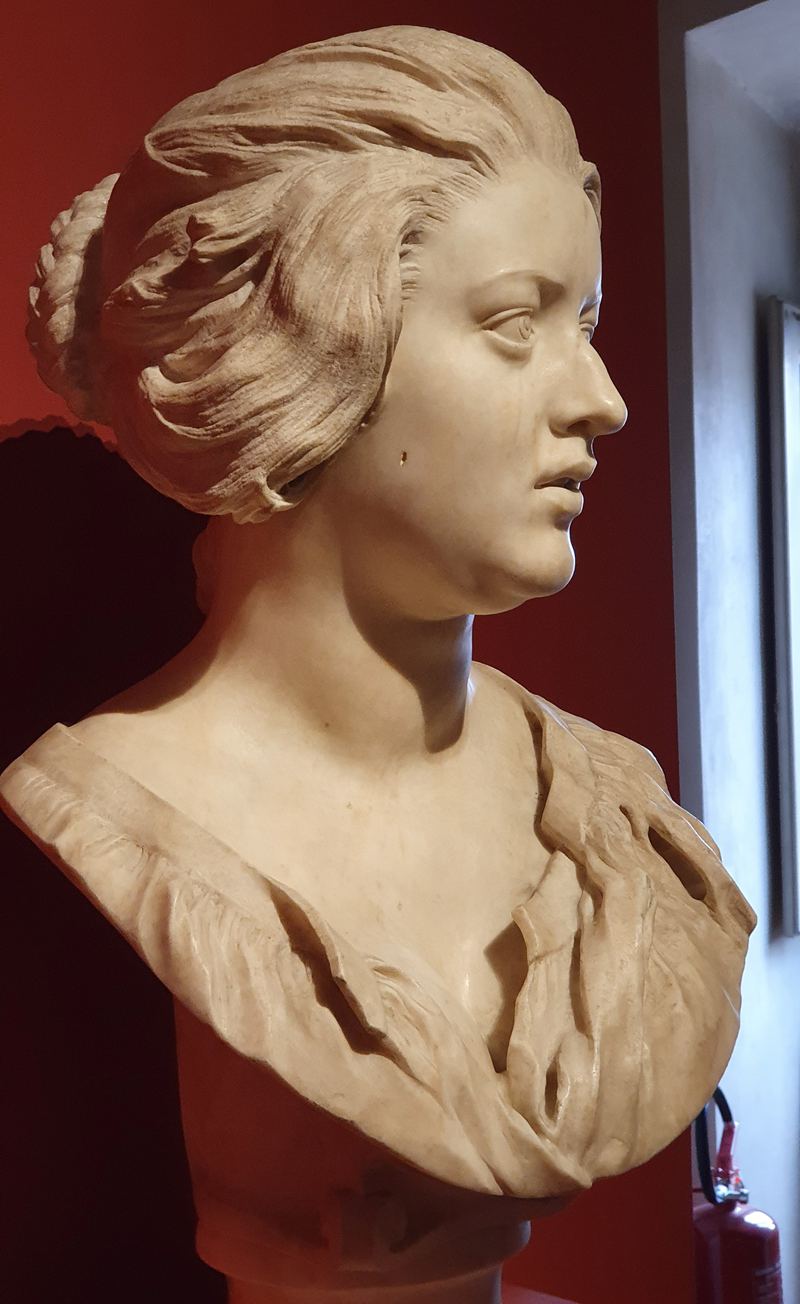
Created by Gian Lorenzo Bernini, this bust is one of the most emotionally expressive sculptures of the Baroque period.
Date: c. 1636–1638
Style: Baroque
Why It’s Iconic: Captures a spontaneous and intimate human moment
Unique Details: Disheveled hair, parted lips, and lifelike skin texture
Unlike traditional formal portraits, Bernini presents Costanza in a natural, almost candid state. The sculpture feels alive, as if she is about to speak.
This departure from rigid composition marked a turning point in sculpture, emphasizing movement, emotion, and realism.
5. Bust of Pope Gregory XV
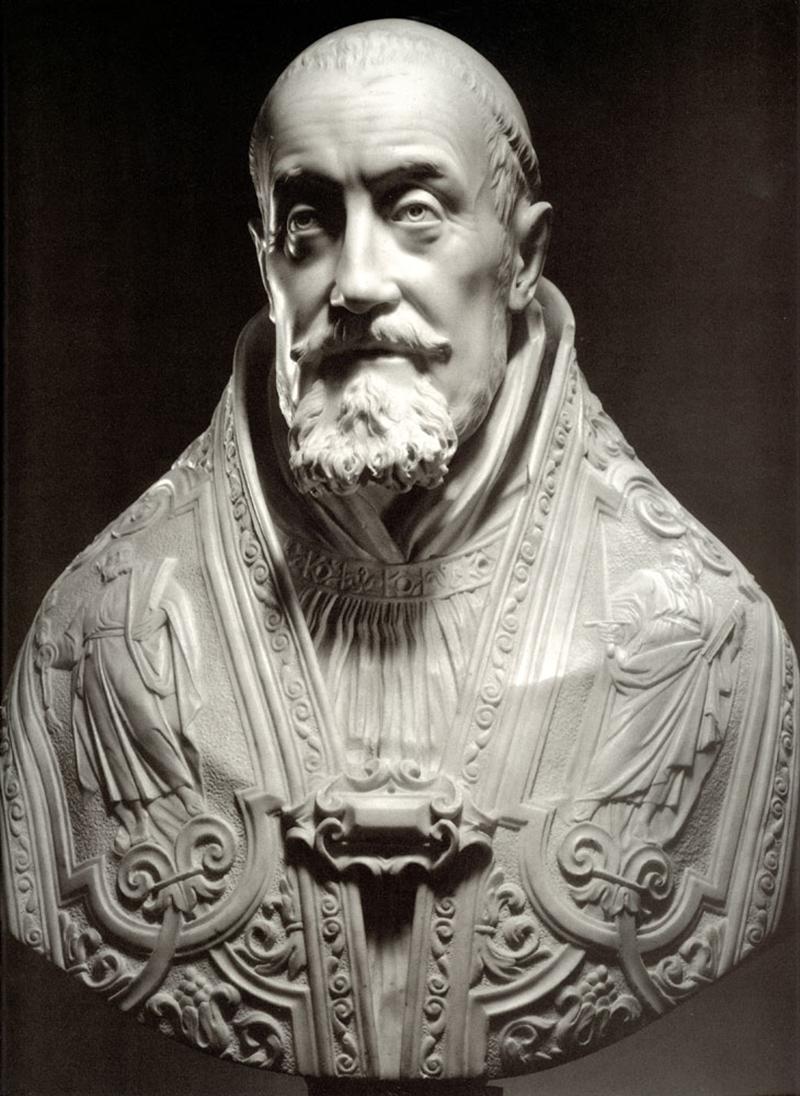
Another remarkable work by Gian Lorenzo Bernini, this bust demonstrates the artist’s ability to convey authority with subtle realism.
Date: 1621
Style: Baroque
Why It’s Iconic: Balances dignity, realism, and spiritual presence
Unique Details: Soft facial modeling combined with intricate drapery
Bernini masterfully contrasts the smooth texture of the face with the complex folds of the garments, creating visual depth and hierarchy.
This bust set a new standard for papal portraiture and influenced generations of sculptors.
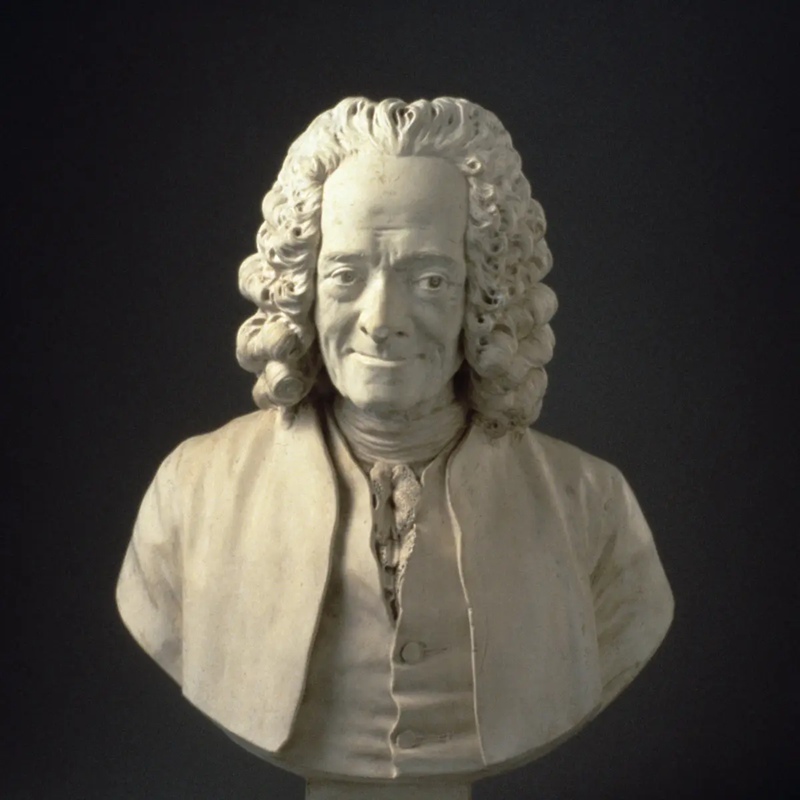
6. Voltaire Bust
The Jean-Antoine Houdon Bust of Voltaire is a masterpiece of intellectual portraiture.
Date: 1778
Style: Neoclassical
Why It’s Iconic: Captures intelligence, wit, and personality
Unique Details: Slight smile, penetrating gaze, and delicate facial lines
Houdon was known for his ability to capture not just physical likeness but also psychological depth. In this bust, Voltaire appears both approachable and intellectually sharp.
It remains one of the most celebrated representations of Enlightenment thought.
7. Napoleon Bust
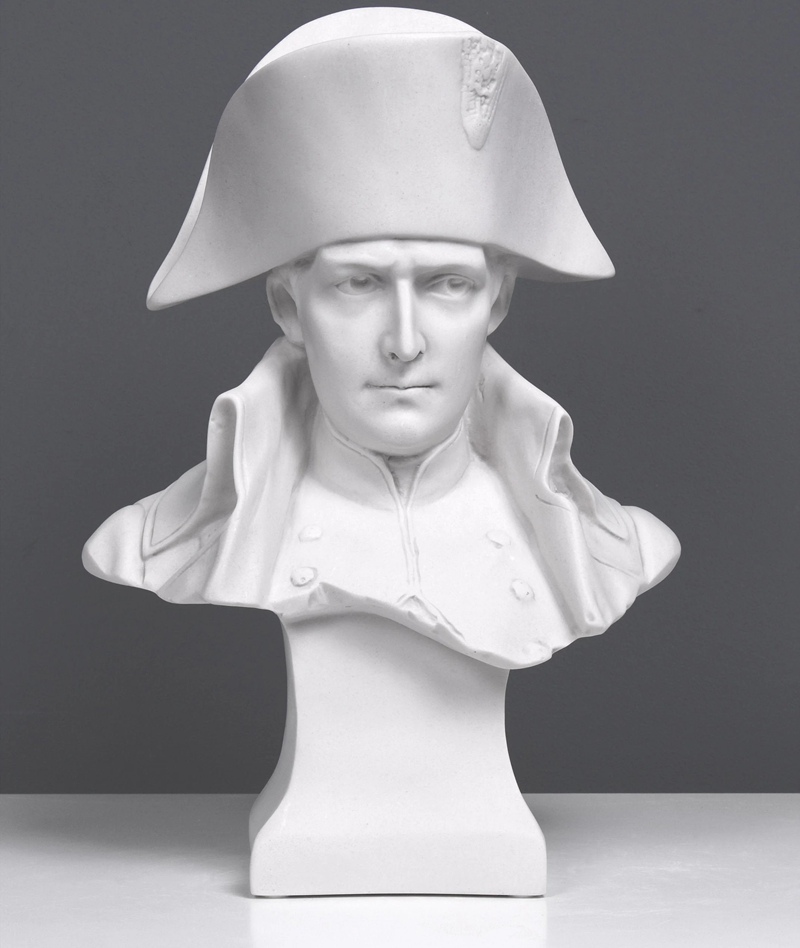
Busts of Napoleon Bonaparte are powerful symbols of ambition and imperial authority.
Period: Early 19th century
Style: Neoclassical
Why It’s Iconic: Represents leadership, discipline, and legacy
Unique Details: Strong jawline, composed expression, and classical styling
Napoleon deliberately used classical imagery to associate himself with Roman emperors, reinforcing his authority and historical importance.
These busts played a key role in shaping his public image across Europe.
8. Beethoven Bust
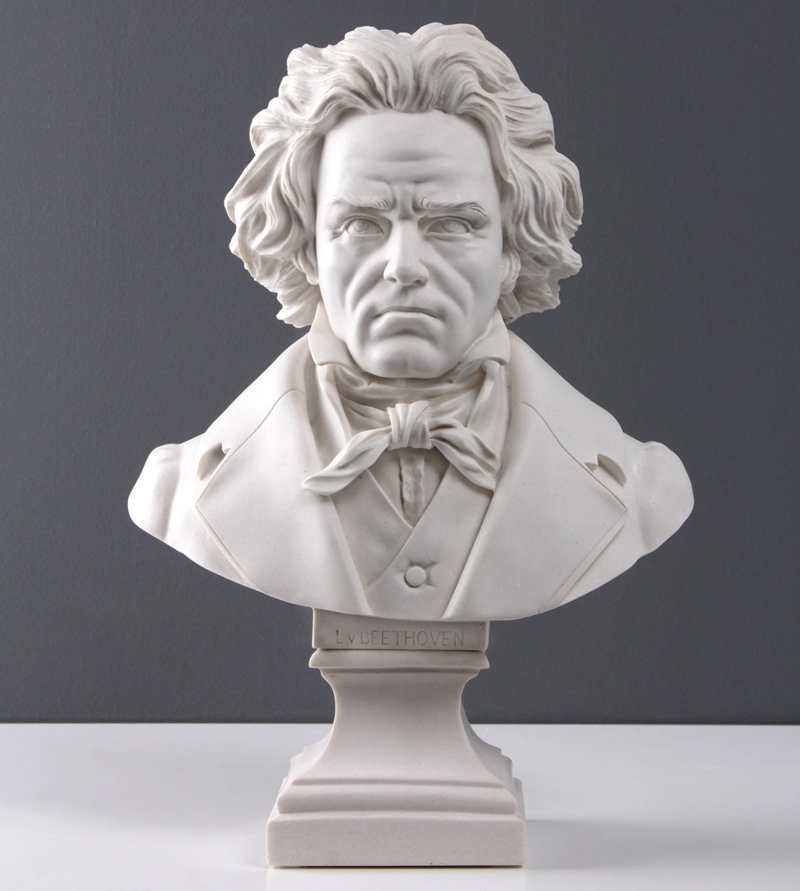
The Ludwig van Beethoven Bust is one of the most expressive representations of a musical genius.
Period: 19th century
Style: Romantic realism
Why It’s Iconic: Conveys emotional intensity and creative power Unique Details: Furrowed brow, deep-set eyes, and strong facial structure
Unlike calm classical portraits, Beethoven’s bust reflects inner turmoil and passion—qualities that defined his music.
It stands as a powerful example of how sculpture can capture the emotional essence of an individual.
9. Abraham Lincoln Bust
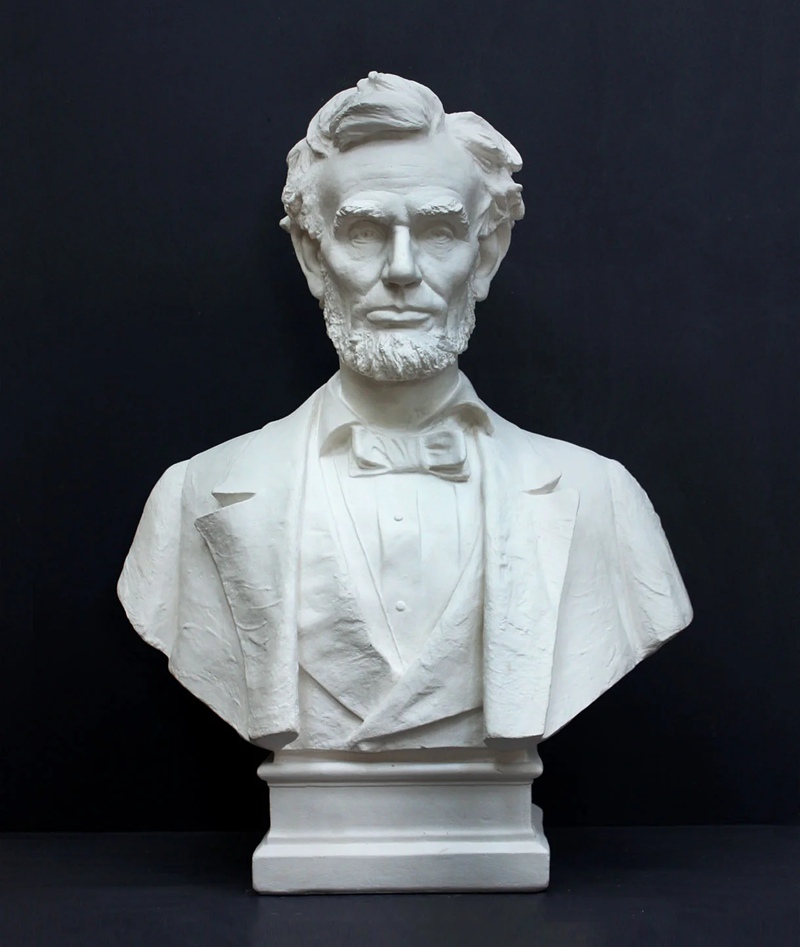
The Abraham Lincoln Bust is a symbol of resilience, humility, and leadership.
Period: 19th century
Style: Realism
Why It’s Iconic: Represents moral strength during a defining moment in history
Unique Details: Thoughtful gaze, subtle asymmetry, and calm expression
Lincoln’s facial features are rendered with honesty rather than idealization, reinforcing his image as a relatable and principled leader.
This bust remains widely used in public institutions and memorials.
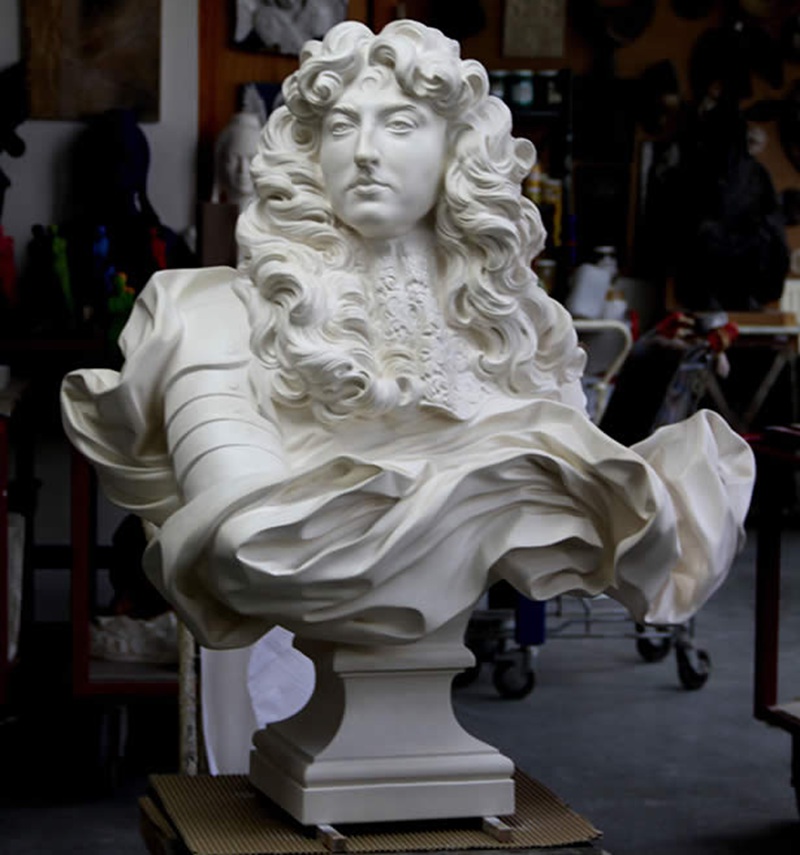
10. Louis XIV Bust
Busts of Louis XIV embody the grandeur and authority of absolute monarchy.
Period: 17th century
Style: Baroque
Why It’s Iconic: Represents royal power and divine right
Unique Details: Elaborate hair, confident posture, and refined detailing
These sculptures were designed to project dominance and magnificence, reinforcing Louis XIV’s image as the “Sun King.”
They influenced royal portraiture across Europe for generations.
11. Socrates Bust
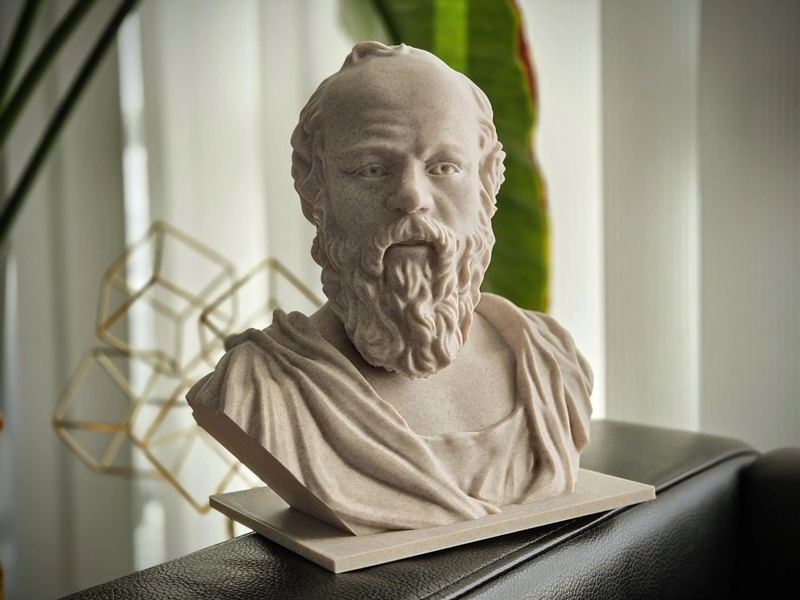
The Socrates Bust is one of the most recognizable representations of philosophical thought in Western art.
Period: Roman copies after Greek originals (4th century BC)
Style: Classical Greek realism
Why It’s Iconic: Unlike idealized Greek gods, Socrates is portrayed with a rugged, almost unattractive appearance—emphasizing intellect over physical beauty
Unique Details: Bald head, deep-set eyes, and a thick beard create a powerful image of wisdom and introspection
12. Plato Bust
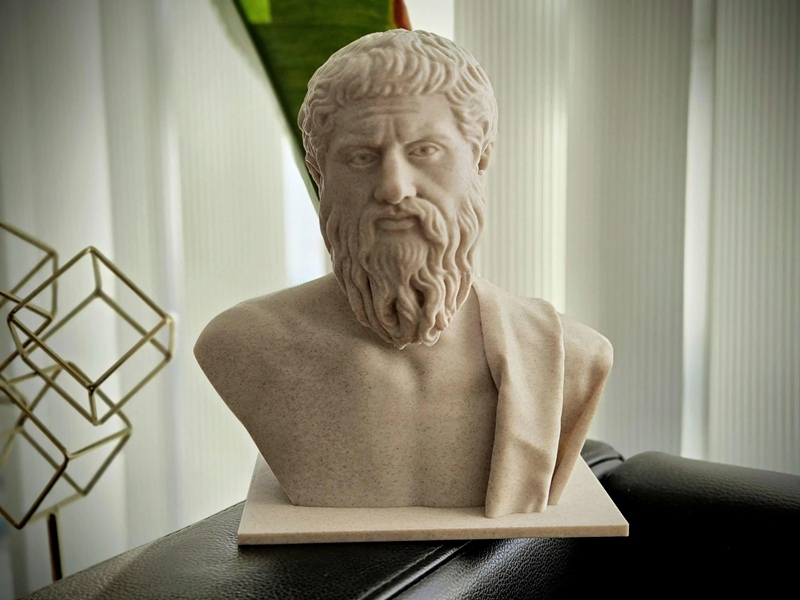
The Plato Bust represents the philosophical foundation of Western civilization and remains a staple in educational and cultural spaces.
Period: Roman marble copies of Greek originals
Style: Classical with idealized features
Why It’s Iconic: Combines intellectual authority with calm, composed beauty
Unique Details: Flowing beard, balanced facial proportions, and a serene expression convey rational thought and harmony
13. Alexander the Great Bust
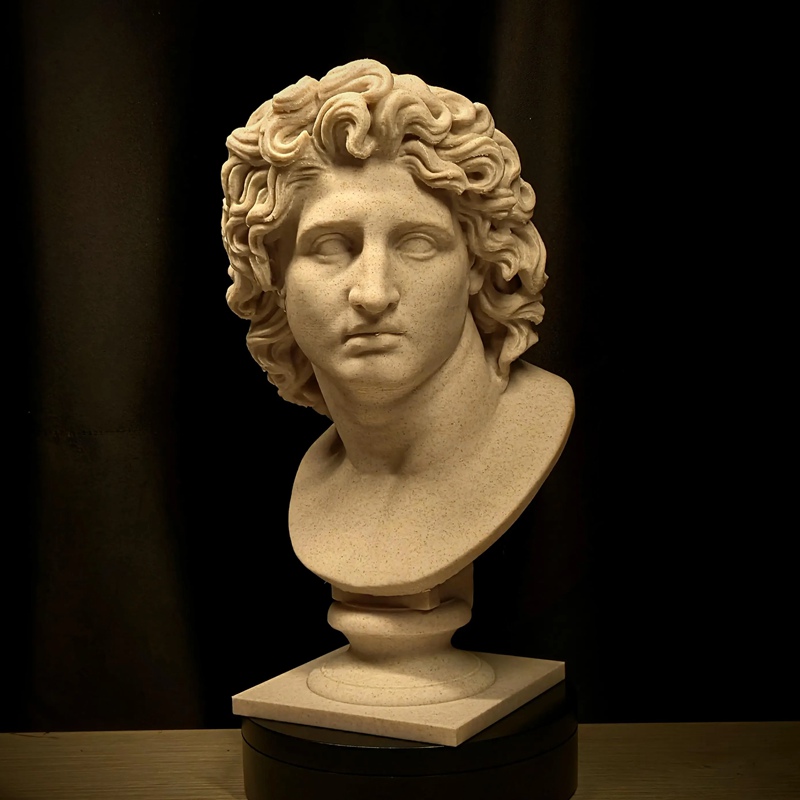
The Alexander the Great Bust captures the image of one of history’s most legendary military leaders.
Period: Hellenistic Greek (original), later Roman reproductions
Style: Hellenistic dynamism
Why It’s Iconic: Represents youth, ambition, and divine-like authority
Unique Details: Upward gaze, tousled hair, and strong jawline create a sense of movement and heroic energy
What Makes a Marble Bust Truly Iconic?
Not all busts become masterpieces. The most iconic ones share key qualities:
- Realism – Fine anatomical accuracy
- Emotion – Ability to convey personality
- Craftsmanship – Mastery of marble carving
- Historical Significance – Cultural or political importance
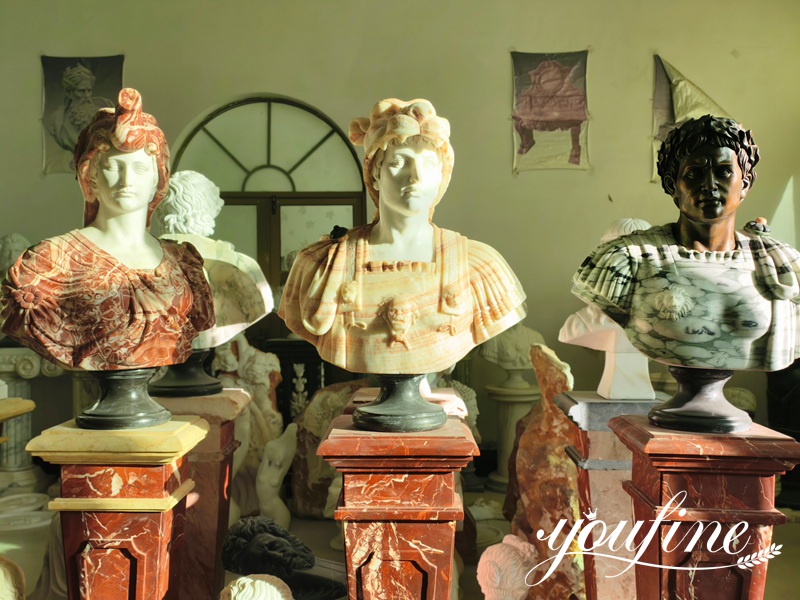
Can You Commission a Custom Marble Bust Today?
Yes—custom marble busts are more popular than ever.
At YouFine marble statue, we specialize in:
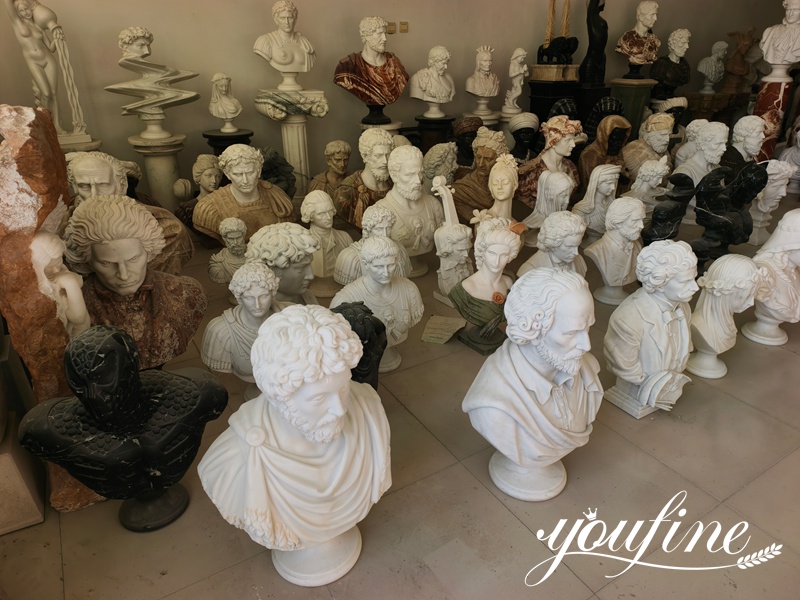
- Hand-carved marble busts
- Custom portrait sculptures
- Life-size and larger-than-life designs
- Global shipping support
Whether you want to honor a loved one or create a statement piece, a custom marble bust is a timeless investment.
FAQs
1. How much does a marble bust cost?
Prices vary depending on size, detail, and craftsmanship, typically ranging from hundreds to several thousand dollars.
2. How long does it take to make one?
Usually 3–6 weeks for custom work.
3. Who are the most famous bust sculptors?
Artists like Gian Lorenzo Bernini and Jean-Antoine Houdon are among the most influential.
4. What is the purpose of a marble bust?
A marble bust is designed to capture the likeness, personality, and legacy of an individual. Unlike full statues, busts focus on facial expression and upper body details, making them ideal for portraits, memorials, and academic display.
5. What is the difference between a marble bust and a statue?
A marble bust represents only the head and upper torso, while a statue typically depicts the full body. Busts are more compact, cost-effective, and focused on expression, whereas statues emphasize posture and movement.
6. Are marble busts still used today?
Yes, marble busts remain widely used for memorials, public monuments, luxury home décor, and private collections. They are also increasingly popular as custom portrait sculptures.
7. Can I commission a marble bust from a photo?
Yes, professional sculpture studios can create a marble bust based on photographs. Skilled artists analyze facial structure, proportions, and details to produce an accurate and lifelike result.
8. What size should a marble bust be?
Common sizes range from 40 cm to life-size (60–80 cm). The ideal size depends on where the bust will be displayed and the level of detail desired.
Conclusion
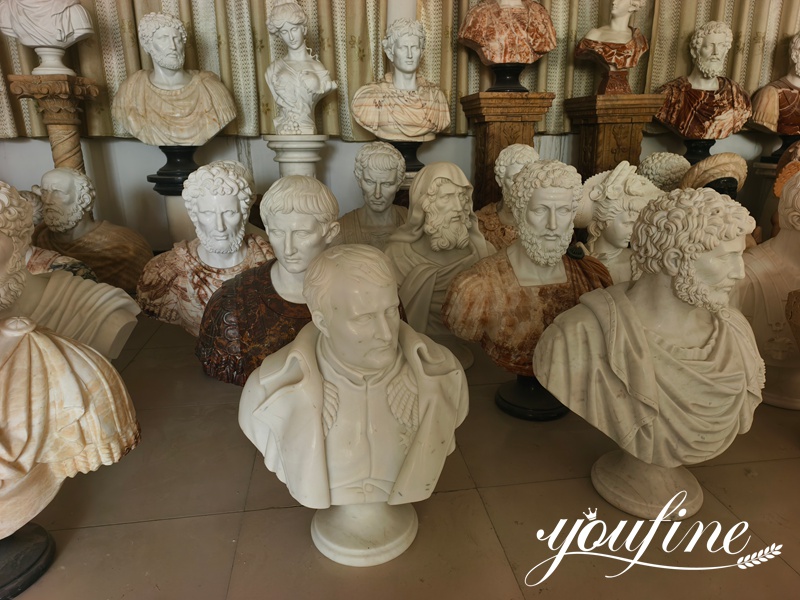
From ancient rulers to modern icons, marble bust statues have preserved human identity across centuries. Their ability to capture expression, emotion, and legacy makes them one of the most enduring forms of art.
Today, they continue to bridge the past and present—offering a powerful way to honor history or create something truly personal.