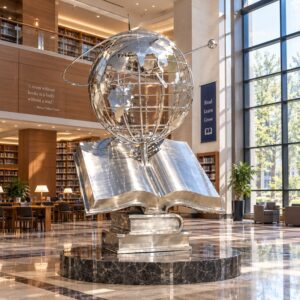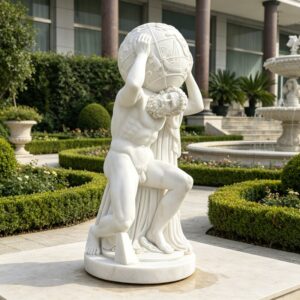
From my experience working with sculpture buyers, designers, and project planners, I have learned that the question is rarely “Which is better: figurative or abstract sculpture?” The more useful question is: “What does this space need the sculpture to do?”
A villa garden may need a graceful human figure that creates emotion and intimacy. A hotel entrance may need a bold abstract form that works with architecture and traffic flow. A resort landscape may need an animal sculpture that guests immediately recognize. A commercial atrium may need stainless steel curves that reflect light and movement.
When customers compare figurative vs abstract art or search for what is figurative sculpture and what is abstract sculpture, they often want more than a simple definition. They are usually preparing for a real purchase, custom inquiry, or design discussion. They want to know which style will fit the space, whether the finished sculpture will match expectations, and what information a supplier needs before giving practical advice.
In this guide, I will explain the difference between figurative and abstract sculpture from a project-planning point of view, not only from an art theory point of view.

What Is Figurative Sculpture?
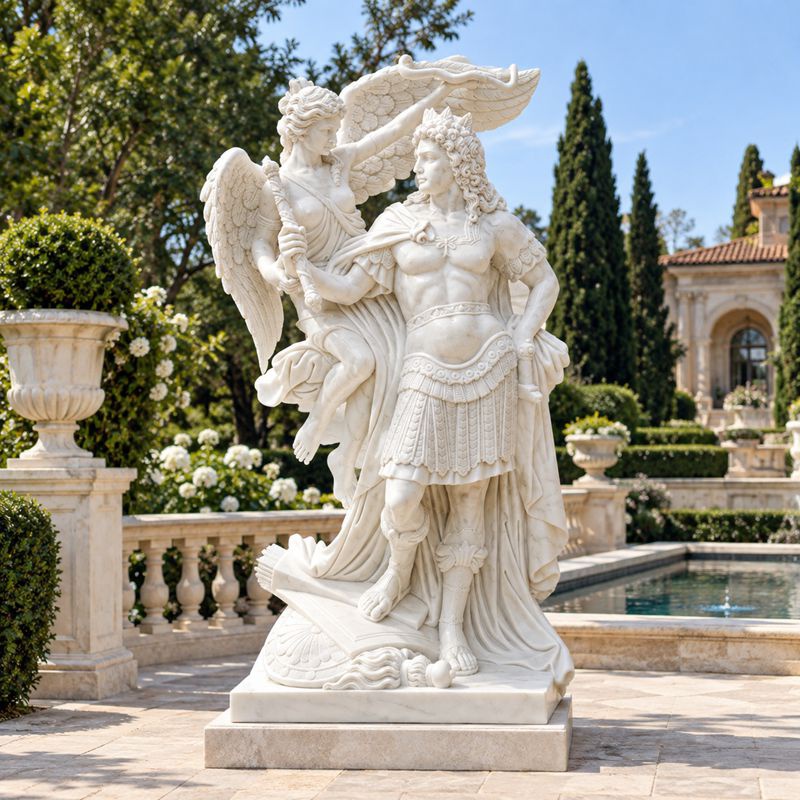
A figurative sculpture does not have to be fully realistic. It can be:
- Classical and detailed
- Realistic and lifelike
- Contemporary and simplified
- Minimalist and stylized
- Symbolic rather than portrait-like
For example, a bronze dancer with flowing movement is figurative because the viewer can recognize the human body. A marble angel, a garden horse, a family group, or a religious saint sculpture is also figurative.
In my custom consultation work, I find figurative sculpture especially useful when a project needs a clear subject or emotional connection. The viewer understands the main idea quickly because the form is recognizable.
If you want a deeper definition and examples, I recommend reading this related guide: What Is Figurative Sculpture?
What Is Abstract Sculpture?
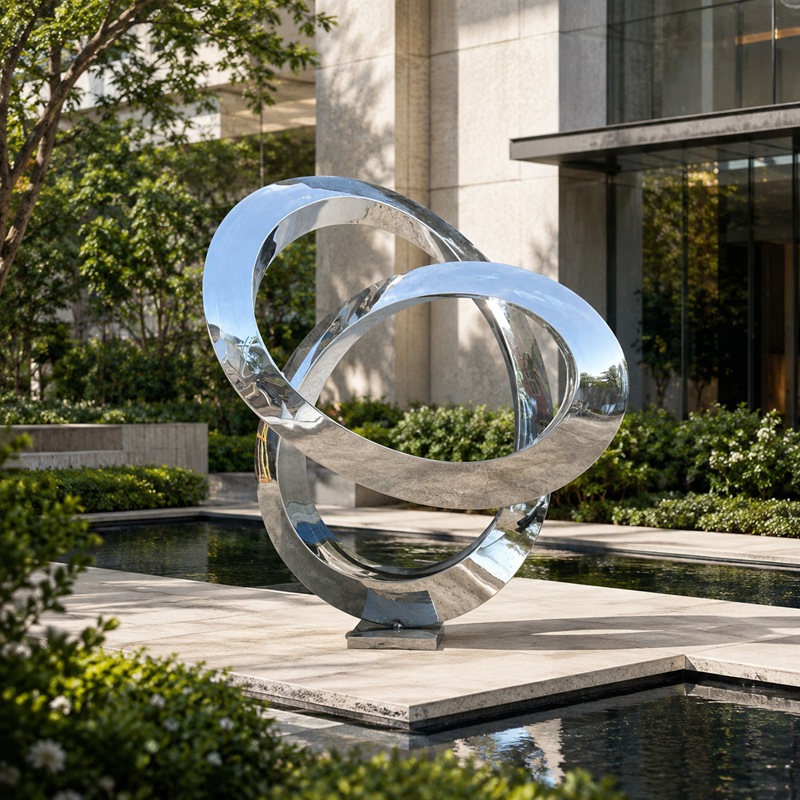
Abstract sculpture is sculpture that does not depend on direct realistic representation. Instead of showing a clear person, animal, or object, it may use lines, curves, geometry, volume, negative space, texture, or symbolic form to create feeling and visual impact.
Abstract sculpture is not simply “art that cannot be understood.” A good abstract sculpture can express movement, calmness, energy, balance, luxury, strength, or openness. It may communicate through shape rather than through a literal subject.
Common abstract sculpture forms include:
- Curved stainless steel forms
- Geometric metal structures
- Stone forms with simplified volume
- Bronze shapes with symbolic meaning
- Ring, wave, ribbon, or sphere-inspired designs
- Sculptures using open space as part of the design
From my experience, abstract sculpture often works well when the sculpture needs to connect with architecture, landscape lines, water features, lighting, or open space.
For a more detailed explanation, you may also read: What Is an Abstract Sculpture?
Figurative vs Abstract Sculpture: The Main Difference
The main difference is how the sculpture communicates.
Figurative sculpture communicates through recognizable imagery. Abstract sculpture communicates through form, rhythm, material, and atmosphere.
Here is a practical comparison for buyers, designers, and project planners:
| Factor | Figurative Sculpture | Abstract Sculpture | Why It Matters |
|---|---|---|---|
| Main visual language | Recognizable people, animals, characters, or symbolic figures | Lines, curves, geometry, volume, texture, and space | Helps define how directly the sculpture communicates |
| Viewer response | Often more immediate because the subject is clear | Often more open to interpretation | Important for public, hospitality, or family spaces |
| Best for | Story, identity, memorial meaning, religious themes, animal themes, human emotion | Architecture, movement, atmosphere, modern landscape flow, spatial rhythm | Helps match sculpture style to project purpose |
| Custom challenge | Proportion, anatomy, facial expression, clothing, details | Balance, structure, scale, finish, form accuracy | Both styles require professional control |
| Risk of expectation gap | Details may not match the reference image | Mood, scale, or design boundary may be unclear | Clear communication is important before production |
| Style range | Classical, realistic, modern, minimalist, stylized | Minimalist, organic, geometric, symbolic, expressive | Neither style belongs to only one design period |
The practical meaning is simple: figurative sculpture is not automatically more traditional, and abstract sculpture is not automatically more modern. Both can be contemporary or classic depending on design, material, scale, and finish.

How to Choose Based on the Space
When I help a customer think through sculpture style, I usually start with the space, not the artwork itself. A sculpture must belong to its environment. It should support the purpose of the site, the viewing distance, the surrounding materials, and the emotional tone of the project.
Choose Figurative Sculpture When the Space Needs a Clear Subject
Figurative sculpture is often a strong choice when the project needs recognition and story.
You may choose figurative sculpture for:
- A villa garden that needs warmth or human emotion
- A memorial or commemorative site
- A religious or cultural project
- A hotel or resort theme area
- A horse, lion, eagle, deer, or other animal landmark
- A family sculpture for a private estate
- A dancer, musician, or sports figure for a themed interior or exterior
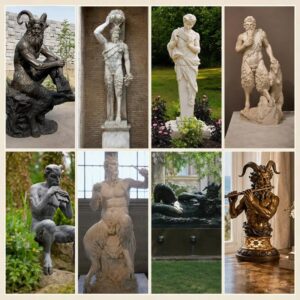
- A mythological figure for a classical landscape
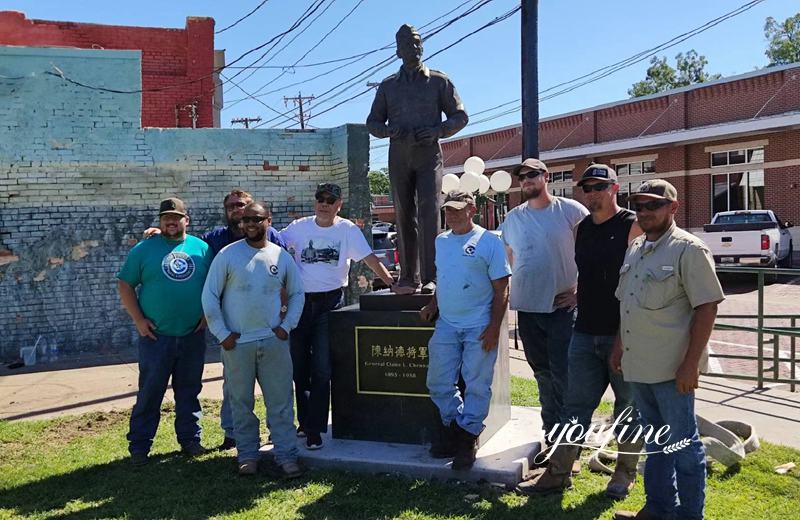
A figurative sculpture can make a space feel personal. It can also give visitors a clear memory point. For example, a bronze horse at a resort entrance immediately suggests energy, strength, and elegance. A marble female figure in a garden may create calm and classical beauty.
However, figurative sculpture also needs careful control. If the face, hands, posture, clothing, or anatomy are not handled well, the final piece may feel different from the customer’s expectation.
Choose Abstract Sculpture When the Space Needs Form, Movement, or Atmosphere
Abstract sculpture is often a strong choice when the project needs visual impact without a literal subject.
You may choose abstract sculpture for:
- A modern hotel entrance
- A commercial plaza
- A contemporary villa courtyard
- A resort water feature
- A corporate lobby
- A shopping mall atrium
- A landscape axis or open lawn
- An interior space with clean architectural lines
Abstract sculpture can support the architecture instead of competing with it. It can create movement, softness, contrast, reflection, or visual rhythm.
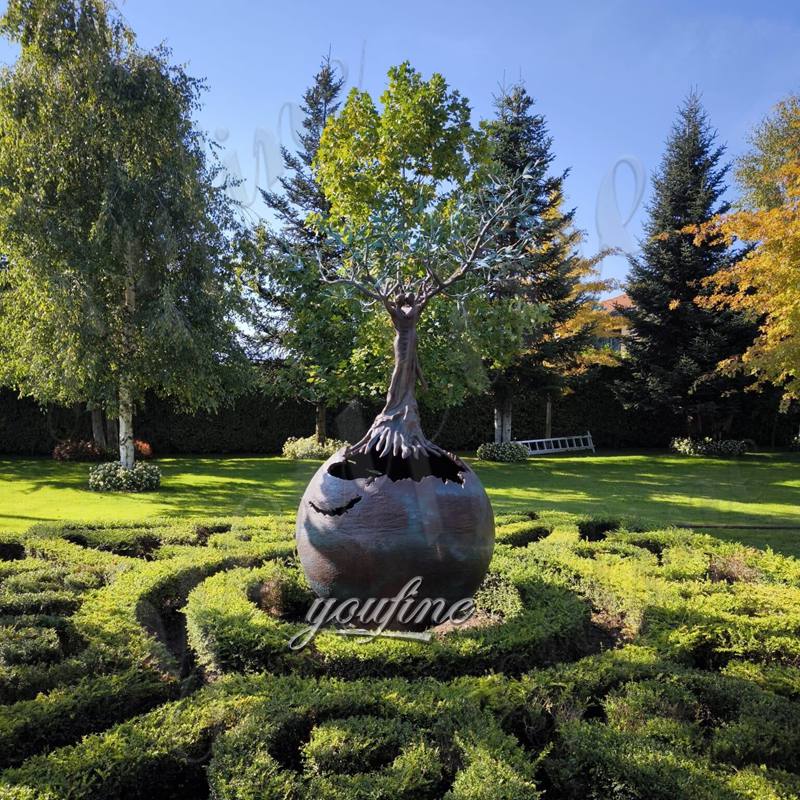
For example, a polished stainless steel curved sculpture may reflect the sky, garden, and building around it. A matte bronze abstract form may bring warmth and artistic depth to an interior. A geometric stone sculpture may feel stable and quiet in a minimalist courtyard.
The key is to define the intended feeling clearly. If a customer only says “I want something abstract,” that is usually not enough for custom production. Abstract work still needs design direction, scale planning, material choice, and finish control.
Common Misconceptions About Figurative and Abstract Sculpture
Many buyers come to a custom sculpture inquiry with assumptions. Some are helpful, but some may lead to the wrong decision.
Misconception 1: Figurative Sculpture Is Always Traditional
This is not true. Figurative sculpture can be very modern. A simplified stainless steel human figure, a stylized bronze family group, or a minimalist dancer can fit a contemporary garden or hotel interior.
The subject is recognizable, but the design language may still be modern.
Misconception 2: Abstract Sculpture Is Always More Modern
Abstract sculpture is common in modern spaces, but it is not automatically modern. Some abstract forms can feel classical, organic, natural, or even ancient depending on the material and finish.
A rough stone abstract form may feel very different from a mirror-polished stainless steel sculpture.
Misconception 3: Abstract Sculpture Is Easier to Make
I would not treat abstract sculpture as the easier option. A simple-looking abstract form may require excellent balance, accurate curves, strong internal structure, smooth welding, careful polishing, or precise stone carving.
In abstract sculpture, small changes in proportion can strongly affect the final feeling. If the curve is too heavy, too thin, too flat, or too sharp, the design may lose its power.
Misconception 4: Figurative Sculpture Is Always Easier to Understand
Figurative sculpture is often more direct, but that does not mean every viewer will read it the same way. A human pose, facial expression, symbolic object, or cultural reference can still be interpreted differently.
For public or hospitality projects, I suggest thinking about how different viewers may respond to the subject.
Misconception 5: One Style Is More Premium Than the Other
A sculpture feels premium because of design quality, material suitability, craftsmanship, finish control, scale, and installation harmony. The style alone does not decide value or quality.
A poorly proportioned figurative sculpture will not feel premium. A poorly fabricated abstract sculpture will not feel premium either.

Material and Finish Considerations
The same style can look completely different in different materials. Before choosing figurative or abstract sculpture, I suggest thinking about material and surface effect together.
Here is a practical comparison:
| Material or Finish | Often Used For | Visual Effect | Planning Notes |
|---|---|---|---|
| Bronze | Figurative figures, animals, classical or contemporary forms | Warm, artistic, traditional or modern depending on patina | Good for detailed modeling and expressive surfaces |
| Marble | Figurative statues, garden figures, religious subjects, refined interiors | Elegant, natural, classical, soft visual depth | Stone color, veining, and carving detail affect the final result |
| Stainless steel | Abstract forms, modern figures, commercial landmarks | Clean, reflective, contemporary, strong visual impact | Surface finish and fabrication accuracy are very important |
| Natural stone | Abstract forms, garden pieces, symbolic sculpture | Solid, calm, organic, architectural | Works well with landscape and outdoor settings |
| Patina finish | Bronze figurative or abstract work | Aged, artistic, rich color variation | Color expectation should be discussed with references |
| Mirror polish | Stainless steel abstract or modern sculpture | Reflective, bright, luxury effect | Requires careful surface control and maintenance consideration |
| Matte or textured finish | Bronze, stone, stainless steel, or mixed styles | Softer, quieter, less reflective | Good when the project needs subtle atmosphere |
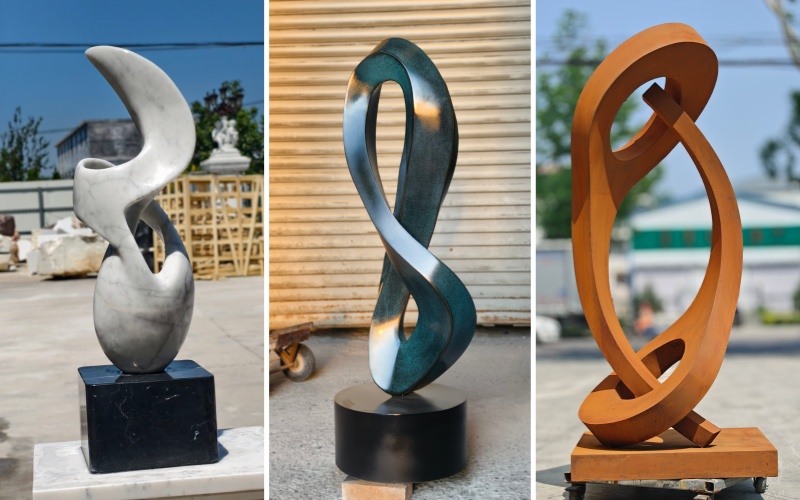
In practical terms, material choice can change the sculpture’s personality as much as the style choice. A figurative stainless steel sculpture may feel futuristic. An abstract bronze sculpture may feel warm and timeless.
Custom Difficulty: What Buyers Should Understand
One important point in figurative vs abstract sculpture selection is production difficulty. Buyers sometimes assume that realistic work is difficult and abstract work is simple. From my experience, that is too simple.
Both styles can be technically demanding.
Figurative Sculpture Challenges
Figurative sculpture may require careful control of:
- Body proportion
- Facial expression
- Hand and foot details
- Clothing folds
- Hair texture
- Animal anatomy
- Symbolic objects
- Relationship between multiple figures
If the sculpture is based on a reference person, memorial idea, religious subject, or cultural figure, the expectation can be very specific. In this case, reference images, approval steps, and clear feedback are very important.
For example, if a customer requests a bronze family sculpture, the pose and emotional relationship between figures matter as much as the physical likeness.
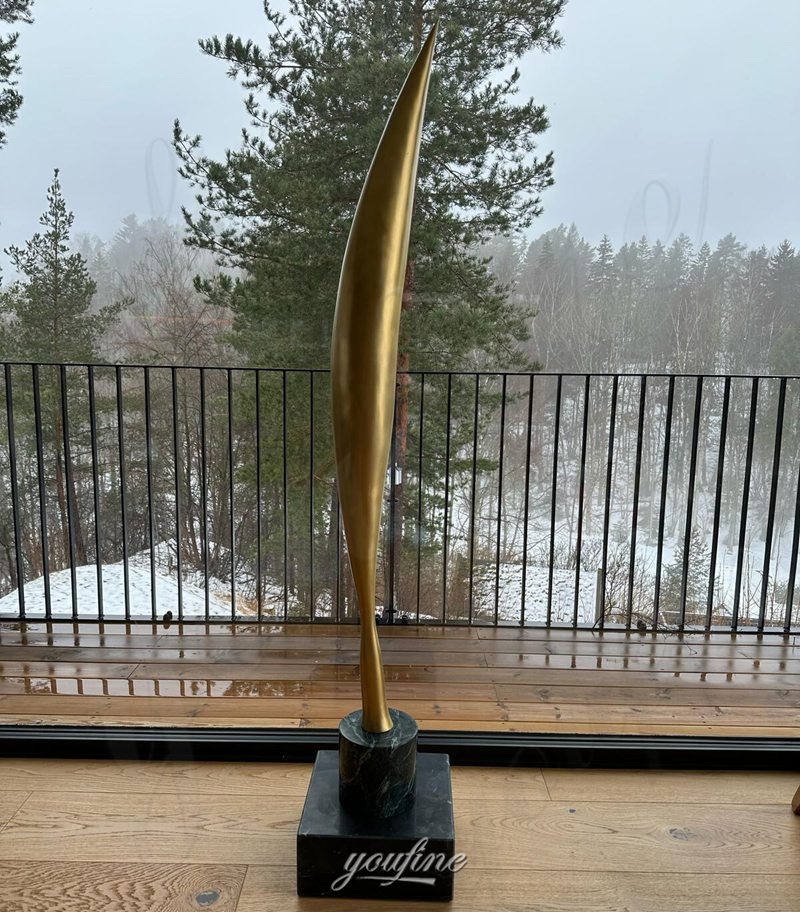
Abstract Sculpture Challenges
Abstract sculpture may require careful control of:
- Overall balance
- Curve accuracy
- Structural stability
- Thickness and volume
- Surface smoothness
- Welding and polishing quality
- Scale relationship with the site
- Interaction with light and shadow
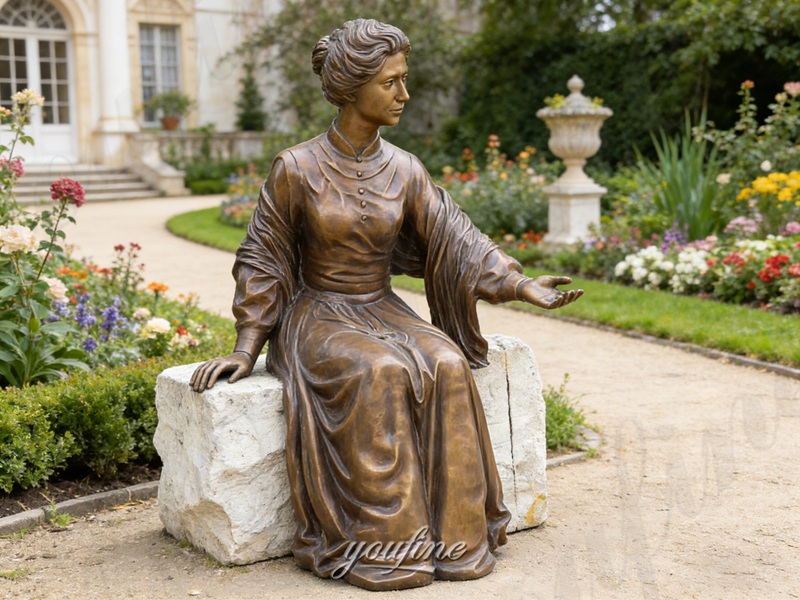
For stainless steel abstract sculpture, fabrication quality is especially visible. Reflections can reveal uneven surfaces. For large outdoor abstract sculpture, internal structure and installation planning are also important.
A successful abstract sculpture is not random. It needs design discipline.
How Each Style Works in Different Project Types
Different spaces ask different things from sculpture. I usually suggest that customers think about how the artwork will be seen, used, photographed, and remembered.
| Project Space | Figurative Sculpture Can Work Well When… | Abstract Sculpture Can Work Well When… |
|---|---|---|
| Private garden | The owner wants emotion, story, animals, classical beauty, or family meaning | The garden needs movement, flow, modern contrast, or a quiet visual anchor |
| Villa entrance | A recognizable subject creates identity or status | A bold form strengthens architectural style |
| Hotel lobby | The theme needs human warmth, cultural reference, or hospitality story | The space needs a contemporary centerpiece without literal narrative |
| Resort landscape | Animal, dancer, or cultural figures support the destination theme | Large forms interact with water, plants, pathways, and open views |
| Commercial plaza | A figure or group creates a memorable landmark | Abstract form gives strong scale, brand atmosphere, or modern energy |
| Interior design project | Figurative work adds personality and emotional focus | Abstract work supports color, material, lighting, and spatial rhythm |
This table is not a rulebook. It is a starting point. The best choice depends on the specific site, design language, and purpose.

Avoiding the Expectation Gap
One of the biggest concerns in custom sculpture is whether the final sculpture will look like what the buyer expects.
This risk exists in both figurative and abstract work, but it appears in different ways.
For Figurative Sculpture
The expectation gap often comes from detail differences. The customer may care about the face, posture, body shape, clothing, gesture, or symbolic accessories.
To reduce this risk, I suggest preparing:
- Clear reference images
- Notes on which details are essential
- Preferred expression or mood
- Front, side, and back views if available
- Examples of what you do not want
- Size and placement information
For Abstract Sculpture
The expectation gap often comes from unclear style boundaries. One person’s “simple and elegant” may be another person’s “too plain.” One person’s “dynamic” may be another person’s “too aggressive.”
To reduce this risk, I suggest preparing:
- Reference images showing preferred form language
- Notes about mood, such as calm, powerful, flowing, playful, or luxurious
- Approximate dimensions
- Site photos
- Viewing direction
- Preferred material and finish
- Examples that are too sharp, too soft, too complex, or too minimal
Clear communication does not remove the need for artistic judgment, but it helps the supplier understand the direction before design and quotation discussions.

What to Prepare Before Asking for a Custom Sculpture Quotation
A single image can be useful, but it is usually not enough to confirm a final custom sculpture quotation. Price and feasibility depend on size, material, complexity, finish, structure, production method, packing, and shipping needs.
Before contacting a supplier, I recommend collecting the following information.
| Inquiry Item | What to Prepare | Why It Helps |
|---|---|---|
| Installation space | Photos, drawings, plan views, or site renderings | Helps judge style fit, scale, and viewing angle |
| Approximate size | Height, width, depth, or available space | Affects design proportion, production, packing, and cost discussion |
| Viewing distance | Close viewing, garden path, road view, lobby view, upper-floor view | Helps decide detail level and overall form strength |
| Style references | Images of sculpture styles you like | Helps define figurative or abstract direction |
| Style boundaries | Images or notes showing what you dislike | Prevents misunderstanding during design discussion |
| Material preference | Bronze, marble, stainless steel, stone, or other preferred material | Affects appearance, production method, and maintenance |
| Surface effect | Patina, polish, matte, texture, natural stone finish | Strongly affects the final visual result |
| Project purpose | Decorative, symbolic, commemorative, commercial, landscape-focused | Helps choose subject, scale, and design language |
| Installation condition | Indoor, outdoor, coastal, garden, water feature, public area | Helps consider structure, finish, and maintenance needs |
The more clearly you prepare these materials, the more useful the consultation can be. It also helps avoid vague conversations such as “How much is this sculpture?” without enough information to answer responsibly.

Practical Style Selection Guide
If you are still unsure, I suggest answering these questions before choosing.
1. Does the Sculpture Need a Recognizable Subject?
If yes, figurative sculpture may be the better starting point. This is especially true for human figures, animals, religious themes, memorial works, or cultural symbols.
If no, abstract sculpture may offer more freedom to shape the atmosphere of the space.
2. Should Viewers Understand the Meaning Immediately?
If the sculpture must communicate quickly to guests, visitors, or family members, figurative work may be more direct.
If the sculpture should invite open interpretation or support the environment quietly, abstract work may be more suitable.
3. Is the Space Already Visually Complex?
If the space has many plants, furniture, textures, signs, or decorative elements, a simplified abstract form may bring order. A clean figurative silhouette can also work if the subject is strong and not overly detailed.
The key is not to add confusion.
4. Is the Architecture Modern, Classical, Natural, or Mixed?
For classical architecture, figurative marble or bronze may feel natural, but contemporary abstract sculpture can also create an interesting contrast.
For modern architecture, abstract stainless steel often works well, but a stylized figurative sculpture can add warmth and humanity.
5. What Emotion Should the Sculpture Create?
This question is often more useful than asking which style is more beautiful.
Possible answers include:
- Calm
- Elegant
- Powerful
- Joyful
- Memorial
- Luxurious
- Natural
- Spiritual
- Dynamic
- Welcoming
Once the emotion is clear, style selection becomes easier.

Figurative and Abstract Sculpture Can Also Be Combined
Some sculptures are not purely figurative or purely abstract. A stylized human figure may simplify the body into flowing lines. An animal sculpture may use abstract surfaces and geometric planes. A symbolic form may suggest wings, waves, flowers, or movement without showing them realistically.
This middle area can be very useful for custom projects. It gives the viewer something recognizable while keeping the design modern and flexible.
For example:
- A simplified bronze mother-and-child sculpture
- A stainless steel dancer formed by flowing ribbons
- A geometric horse sculpture for a commercial entrance
- A stone figure with abstracted body volume
- A wing-inspired abstract sculpture for a memorial garden
If you like both styles, you do not have to choose an extreme. A professional custom discussion can help define the right balance.

Frequently Asked Questions
1. What is the main difference between figurative and abstract sculpture?
Figurative sculpture shows recognizable subjects such as people, animals, or symbolic characters. Abstract sculpture uses form, line, volume, texture, and space instead of direct realistic representation. The main difference is how the sculpture communicates with the viewer.
2. Is abstract sculpture harder to understand?
Not always. Abstract sculpture may not show a literal subject, but it can still communicate mood, movement, balance, or atmosphere clearly. The key is choosing a form that fits the space and defining the intended feeling before custom production.
3. Is figurative sculpture only suitable for traditional gardens?
No. Figurative sculpture can be classical, realistic, contemporary, minimalist, or stylized. A modern villa, hotel, or commercial space can use figurative sculpture successfully if the design language, material, and finish match the environment.
4. Which style is better for a hotel or resort project?
It depends on the project goal. Figurative sculpture works well when the hotel or resort needs a clear theme, cultural story, animal landmark, or emotional subject. Abstract sculpture works well when the project needs a contemporary visual anchor, movement, or strong integration with architecture and landscape.
5. Can I request a quotation from only one reference image?
A reference image is helpful, but it is usually not enough for a responsible custom quotation. I suggest also preparing the intended size, installation photos, material preference, finish expectation, viewing distance, and project purpose. These details affect production planning and cost discussion.
6. Can figurative and abstract styles be mixed in one sculpture?
Yes. Many custom sculptures combine recognizable forms with abstract design language. A stylized dancer, geometric animal, or symbolic human form can offer both clear meaning and modern visual impact.
Conclusion: Choose the Style That Serves the Space
When comparing figurative vs abstract sculpture, I suggest not asking which style is more artistic, premium, modern, or difficult. Both can be excellent. Both can also fail if the design, scale, material, finish, or communication is not handled well.
Choose figurative sculpture when the space needs a clear subject, human connection, cultural story, memorial meaning, animal theme, religious identity, or recognizable landmark.
Choose abstract sculpture when the space needs movement, atmosphere, architectural harmony, open interpretation, or a strong visual form that supports the environment without a literal subject.
From my experience, the best sculpture decisions happen when the buyer connects personal taste with spatial purpose. A sculpture should not only look good in a catalog image. It should feel right when installed in the garden, villa, hotel, resort, commercial space, or interior where people will actually experience it.
If you are planning a custom sculpture project, you can contact You Fine Art Sculpture with your space photos, approximate dimensions, reference images, material preferences, and expected surface finish. I can help review whether a figurative, abstract, or mixed-style direction is more suitable for your project and support a clearer custom inquiry discussion.