When people search for “Where is the Statue of King Arthur?”, they are usually trying to find a real-world monument of the legendary British king. While King Arthur is a central figure in medieval mythology, there is no official historical statue of him.
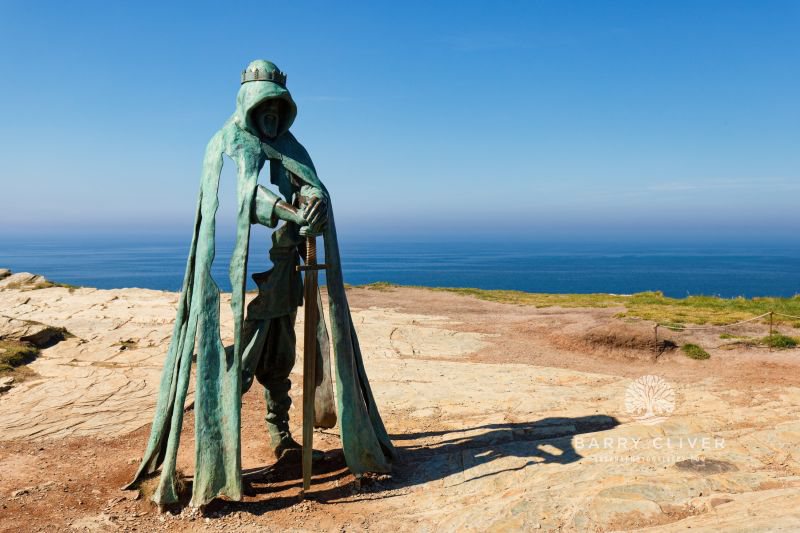
However, one sculpture is widely associated with him today—the dramatic bronze figure known as Gallos, located at Tintagel Castle in Cornwall, UK. This artwork has become the most famous modern representation linked to the Arthurian legend.
King Arthur: A Legend Without a Confirmed Historical Statue
King Arthur is a legendary ruler in British folklore, traditionally connected to the Knights of the Round Table, Camelot, and the sword Excalibur. Despite his global fame, historians have never confirmed his historical existence.
Because of this, there is no authentic or officially recognized statue of King Arthur created during or shortly after his supposed lifetime. Instead, all “King Arthur statues” are modern artistic interpretations inspired by literature and mythology.
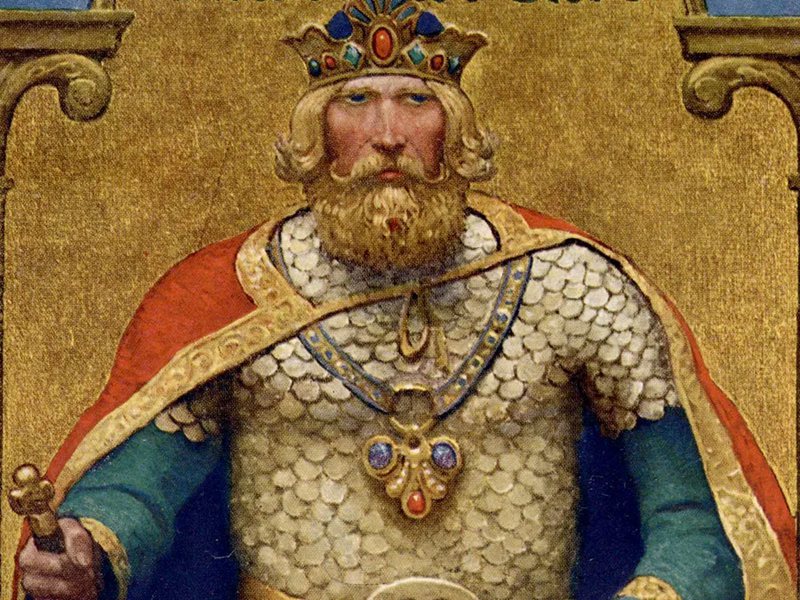
The Closest Thing to a King Arthur Statue: Gallos at Tintagel Castle
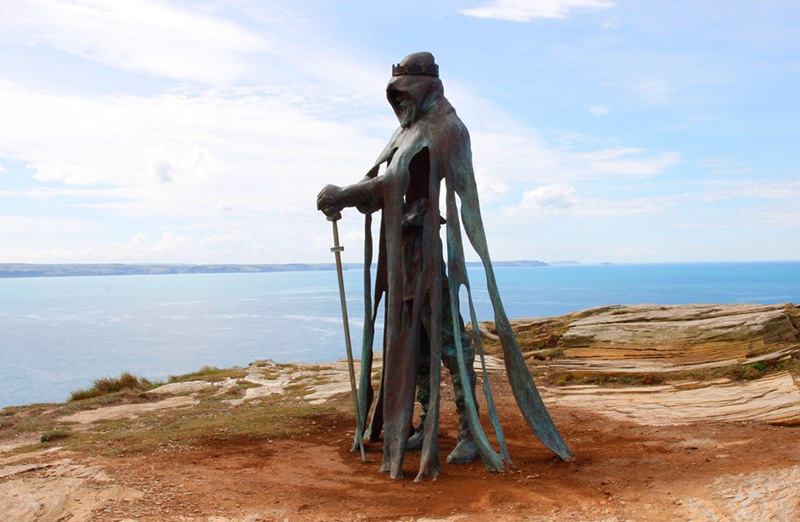
The most famous sculpture associated with King Arthur is the bronze statue known as Gallos, often referred to by visitors as the “King Arthur statue.”
Location: The statue is located at Tintagel Castle, a dramatic coastal ruin in Cornwall, United Kingdom. It stands on the rugged headland known as Tintagel Island, one of the most iconic landscapes connected to Arthurian legend.
What the Statue Looks Like
- Height: approximately 8 feet tall
- Material: bronze
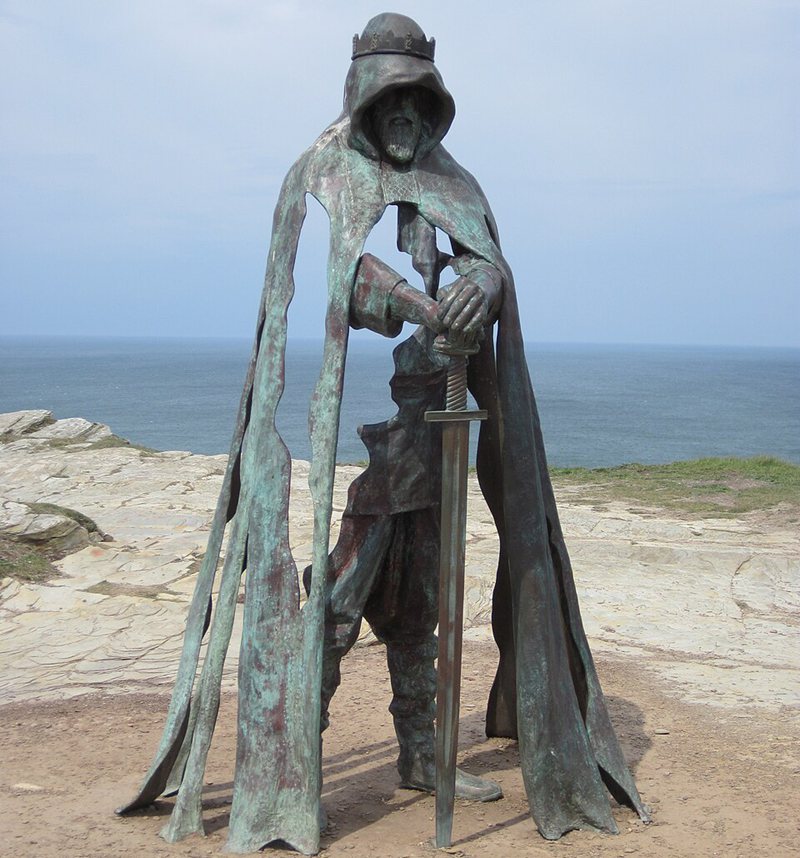
- Design: a ghostly crowned figure holding a sword
- Style: semi-abstract, symbolic rather than realistic
The figure appears emerging from the landscape itself, blending myth and history into a single artistic expression.
Meaning Behind the Gallos Statue
Although many visitors call it the King Arthur statue, English Heritage, which manages the site, explains that the sculpture is not a literal depiction of Arthur.
The name “Gallos” means “power” in Cornish. The statue is designed to represent the broader mystical and historical identity of Tintagel rather than a specific individual.
It symbolizes:
- The legendary kings of ancient Dumnonia
- The mythical aura of Arthurian storytelling
- The deep cultural heritage of Cornwall
- The blurred line between history and legend
This symbolic approach allows the statue to represent “the idea of Arthur” rather than a confirmed historical figure.
Why Tintagel Castle Is Linked to King Arthur
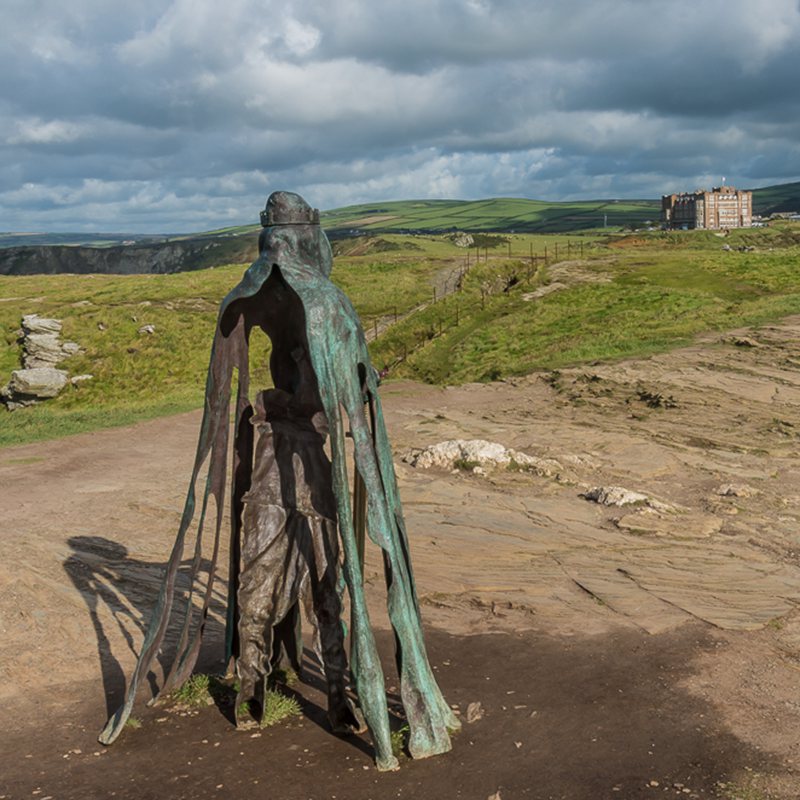
Tintagel Castle is one of the most important Arthurian locations in Britain. According to legend, it is often associated with the birthplace of King Arthur.
Today, the site is managed by English Heritage and is known for:
- Dramatic cliffside ruins
- Ocean views over the Atlantic
- Steep walking paths and bridges
- Strong connections to medieval romance literature
The combination of natural landscape and ancient ruins makes it one of the most atmospheric locations in the UK.
Visiting the King Arthur “Statue” in Tintagel
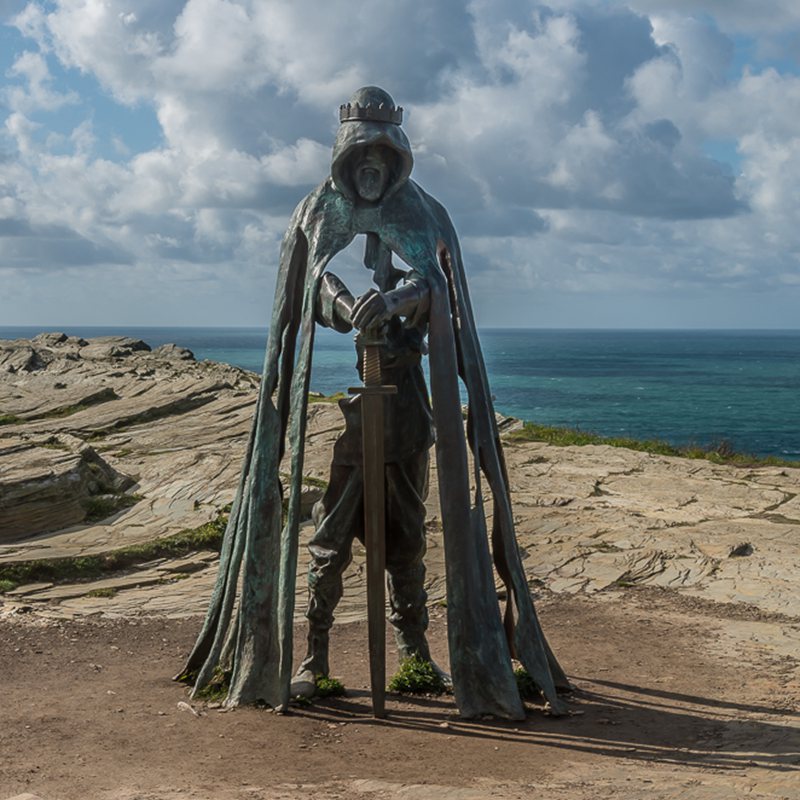
Visitors to Tintagel Castle can see the Gallos sculpture as part of the walking route through the ruins.
Key visitor information:
- The statue is located on Tintagel Island, accessible via footbridge and pathways
- The terrain is steep and rugged, so comfortable walking shoes are recommended
- The site is managed by English Heritage and is open to the public with admission
Many visitors describe the experience as immersive—feeling as if they are stepping directly into Arthurian myth.
Why This Sculpture Is Often Mistaken as King Arthur
Even though Gallos is not officially King Arthur, it is widely interpreted as such because:
- It depicts a crowned figure holding a sword
- It stands in the most Arthur-linked location in Britain
- It evokes strong medieval and mythical imagery
- It was intentionally designed to reflect legend rather than history
Over time, popular interpretation has transformed it into the “King Arthur statue” in public imagination.
King Arthur Statues in Modern Design and Art
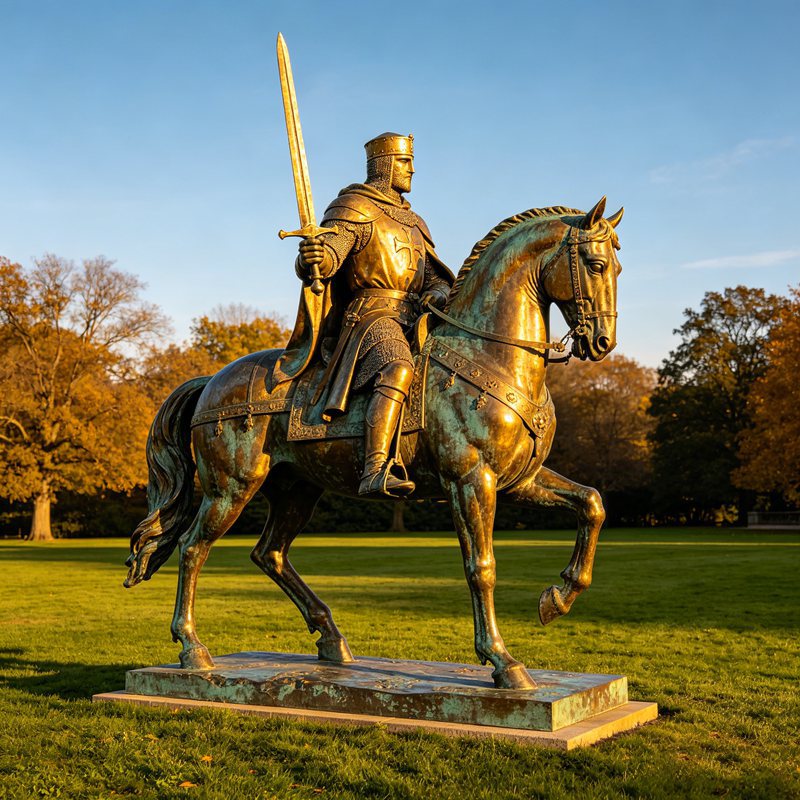
Beyond Tintagel, King Arthur continues to inspire sculpture and architectural design around the world.
These works typically emphasize:
- Medieval knight aesthetics
- Symbolic leadership and justice
- Fantasy and historical fusion themes
Such sculptures are commonly used in:
- Theme parks
- Castles and heritage hotels
- Public landscapes
- Private luxury gardens
Custom Arthurian Sculptures by YouFine
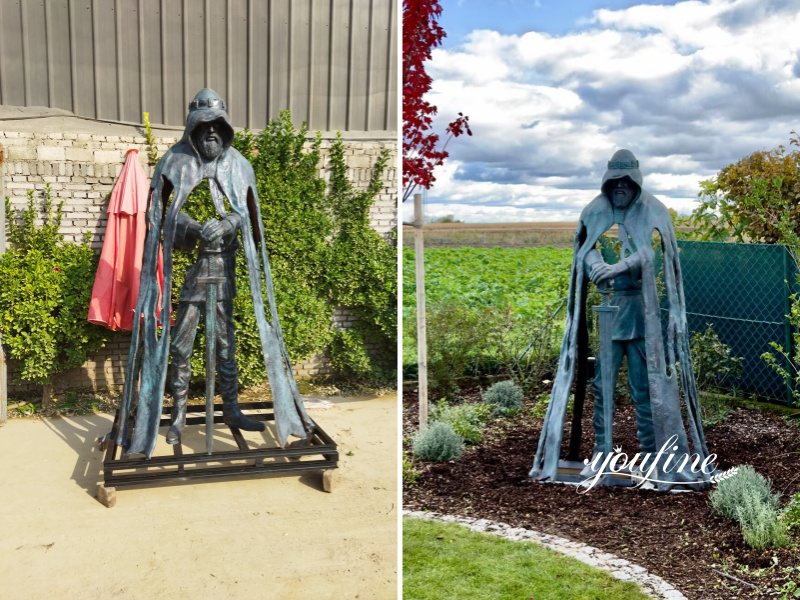
At YouFine Sculpture, we create custom bronze, marble, and stainless steel sculptures with over 40 years of foundry experience.
Inspired by Arthurian legend, we can produce:
- King Arthur with Excalibur statues
- Round Table knight sculptures
- Medieval warrior garden statues
- Large-scale castle entrance monuments
Each sculpture can be fully customized in size, style, and artistic expression to suit architectural or landscape projects.
Conclusion
So, where is the Statue of King Arthur?
The answer is both simple and fascinating: there is no official historical statue of King Arthur. However, the most famous modern interpretation—the Gallos bronze sculpture at Tintagel Castle in Cornwall—has become the closest physical representation of the legend.
Rather than portraying a real historical figure, it represents something even more powerful: the enduring myth of King Arthur, shaped by centuries of storytelling, imagination, and cultural identity.