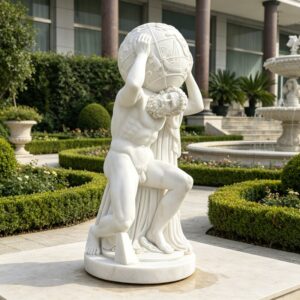
When I first started working in the bronze sculpture industry over 10 years ago, one of the most common questions I received from clients was: “Is this color painted on the sculpture?”
The answer is no.
What you see on a bronze sculpture is not paint—it is called patina, and it plays a critical role in both the appearance and durability of the artwork.
In this guide, I will explain what patina really is, how it is applied, and how to choose the right finish for your bronze sculpture.
What is Patina on Bronze?
Patina is a chemically formed surface layer that develops on bronze through oxidation or controlled chemical treatment.
From a technical perspective, it is created when bronze reacts with elements such as oxygen, moisture, or specific chemical solutions. This reaction produces a thin layer composed of oxides, sulfides, or carbonates.
From an artistic perspective, patina is what gives a bronze sculpture its color, depth, and character.
Simply put: Bronze creates the form, but patina gives it life.
Natural vs Artificial Patina
In my experience, many clients are surprised to learn that there are two types of patina:
Natural Patina
This develops over time as the bronze is exposed to the environment.
- Takes years or even decades
- Changes gradually
- Common colors: dark brown, black, green
While natural patina has a unique historical charm, it is unpredictable and uncontrollable.
Artificial Patina (Most Common)
This is the method we use in almost all custom bronze sculptures.
- Created within hours or days
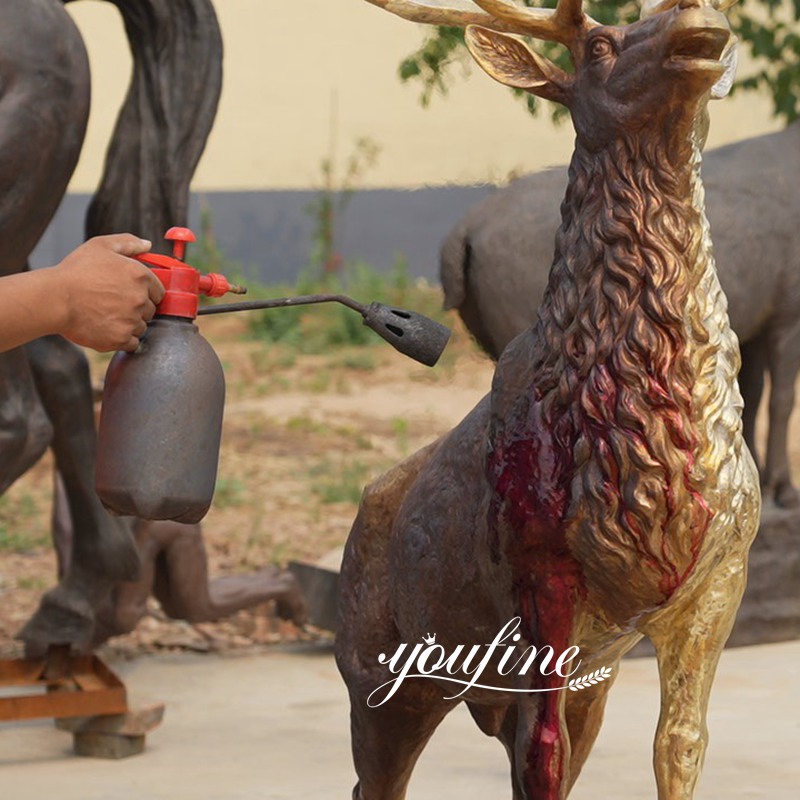
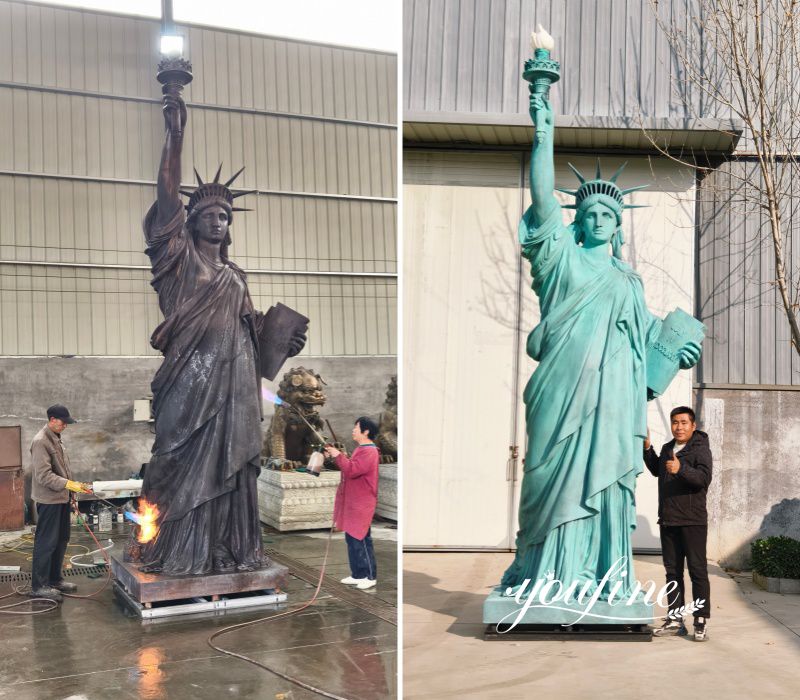
- Applied using heat and chemical solutions
- Fully controllable in color and effect
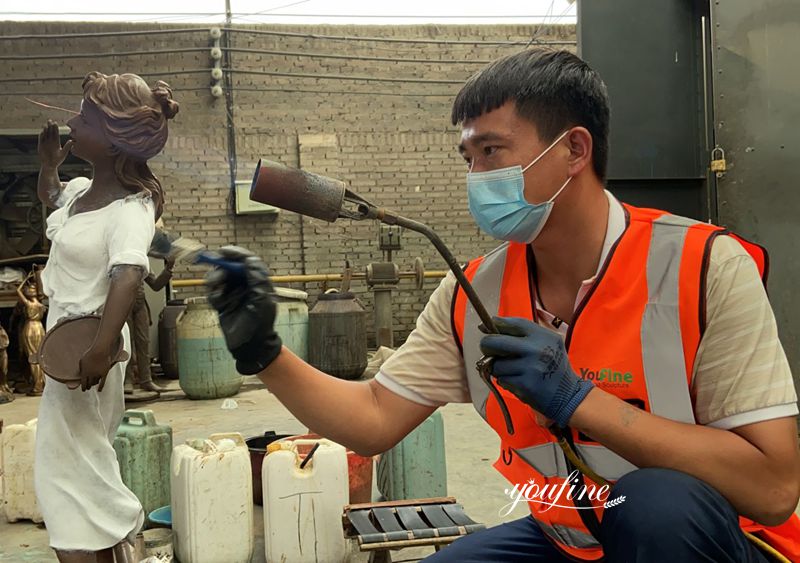
At YouFine, we carefully apply patina by hand, layer by layer, to achieve the exact tone our clients want.
Most Popular Bronze Patina Colors
After working with hundreds of clients, I’ve noticed that most people prefer classic, timeless finishes.
Dark Brown Patina
This is the most popular choice.
- Natural and elegant
- Highly durable outdoors
- Works well for traditional sculptures
Reddish Brown / Antique Brown
A slightly warmer tone with a vintage feel.
- Adds richness and depth
- Ideal for decorative sculptures
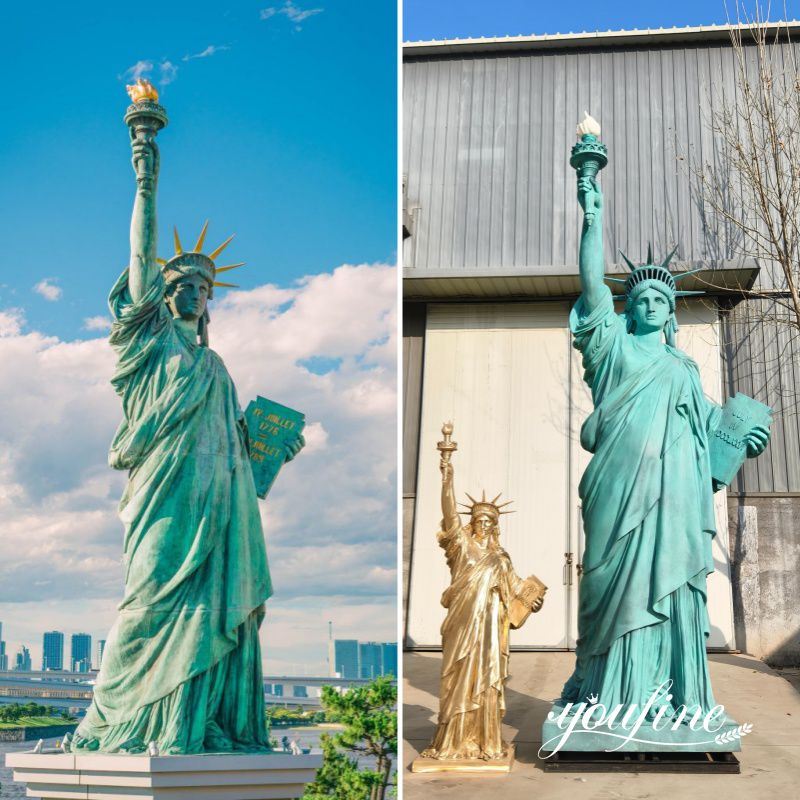
Antique Green Patina
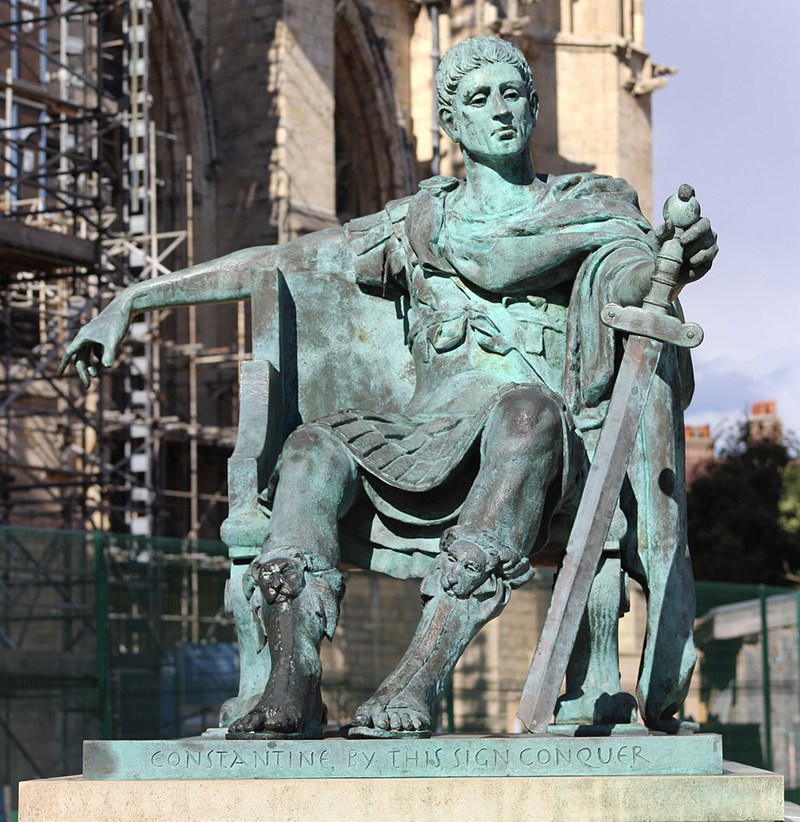
This creates the well-known aged bronze look, similar to historic monuments.
- Strong visual impact
- Perfect for gardens and public art
Custom Finishes
We can also create unique effects such as:
- Layered colors
- Highlighted details
- Mixed tones for artistic contrast
At YouFine, every patina can be customized to match your design, environment, and personal preference.
A Real Client Example (Why Patina Matters)
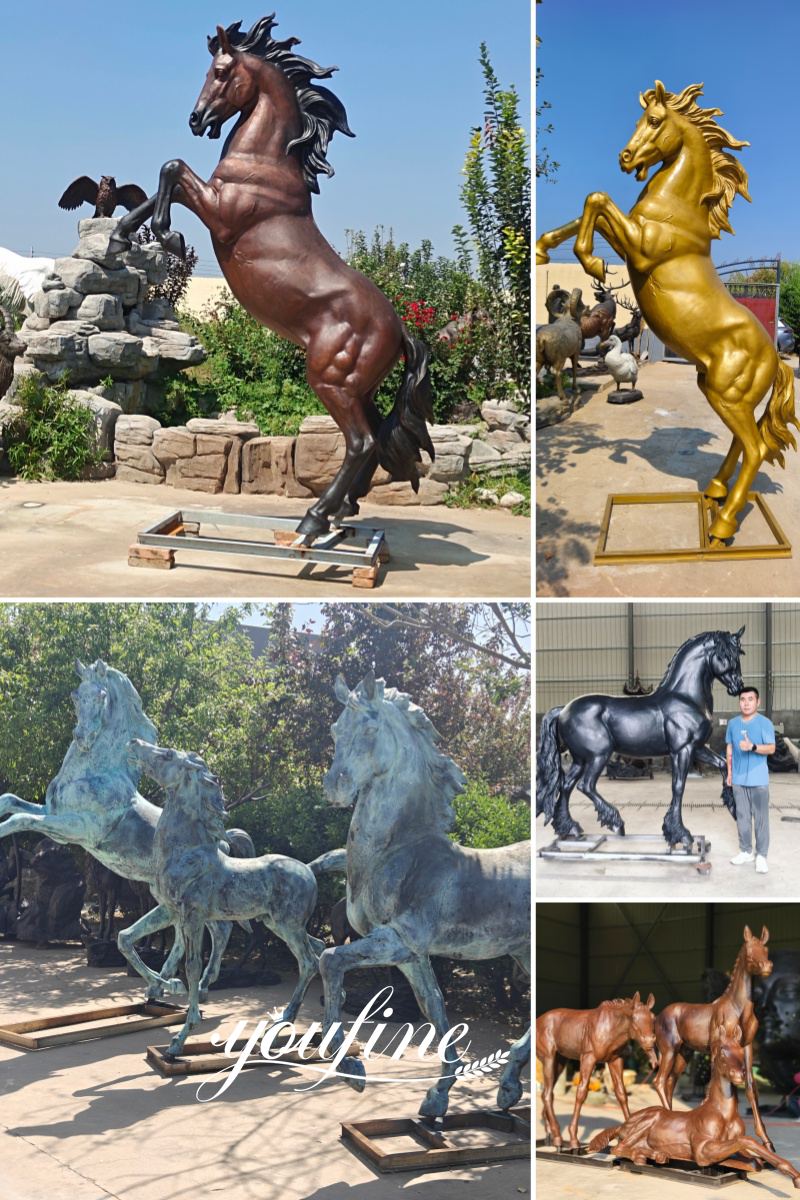
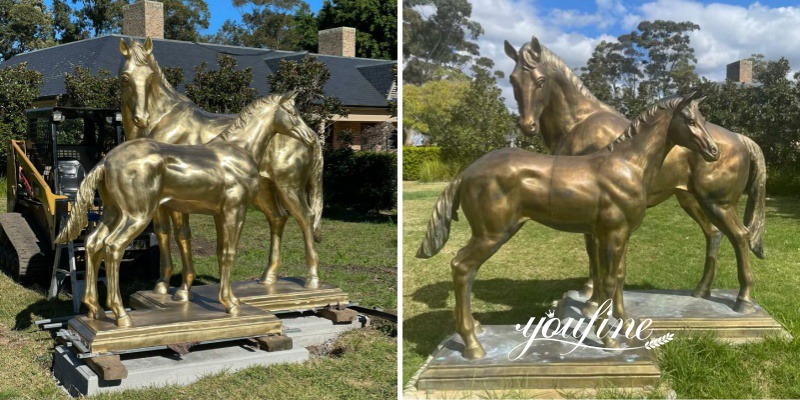
I once worked with a client who ordered a bronze mare and foal sculpture. He loved the bright, polished bronze look—almost like gold—so he requested no patina at all.
At the beginning, the sculpture looked stunning: shiny, reflective, and luxurious.
However, over time, as the sculpture was exposed to air and moisture, the surface naturally oxidized. The golden shine gradually faded and became darker and less uniform.
This is a perfect example of why patina is important:
- Without protection, bronze will always change
- The final appearance becomes unpredictable
- Maintenance becomes more difficult
How Patina is Applied (Our Process)
Creating a high-quality patina is both a technical process and an art form. Here is how we do it:
- Surface Preparation: The bronze is cleaned and polished to remove impurities
- Heating the Metal: The sculpture is heated to activate the chemical reaction
- Applying Chemical Solutions: Different solutions are applied to achieve specific colors
- Layer Building: Multiple layers are added to create depth and variation
- Sealing the Surface: Wax or protective coatings are applied to preserve the finish
This process requires experience, precision, and artistic judgment. Even small differences in temperature or application can change the final result.

Why Patina is So Important
1. Protection
Patina acts as a protective layer that slows down corrosion and environmental damage.
2. Aesthetic Value
It enhances:
- Texture
- Detail visibility
- Light and shadow effects
3. Long-Term Value
The quality of patina directly affects the sculpture’s:
- Durability
- Visual appeal
- Overall value

Does Patina Change Over Time?
Yes—and this is something every buyer should understand.
Even with professional treatment, patina is a living surface that continues to interact with the environment.
Factors that affect it include:
- Weather conditions
- Humidity and rain
- Pollution
- Physical contact
However, with proper sealing and maintenance, these changes can be controlled and minimized.
How to Maintain Bronze Patina
To keep your sculpture looking its best, I usually recommend:
- Applying wax periodically (especially for outdoor sculptures)
- Avoiding harsh chemical cleaners
- Performing basic maintenance once or twice a year
For large or valuable pieces, professional maintenance is also a good option.

How We Customize Patina at YouFine
With over a decade of experience, I understand that every project is different.
At YouFine, we:
- Offer fully customized patina finishes
- Provide color samples before production
- Adjust tones based on installation environment
- Use multi-layer techniques for durability
Whether you want a classic dark brown, an antique green, or a completely unique finish, we can create it for you.
Final Thoughts
Patina is not just a surface detail—it is a core part of bronze sculpture design.
It determines how your sculpture looks on day one, how it ages over time, and how well it withstands the environment.
If you are planning to invest in a bronze sculpture, choosing the right patina is just as important as choosing the design itself.
Looking for Custom Bronze Sculptures?
If you are looking for high-quality bronze sculptures with custom patina finishes, feel free to contact us.
At YouFine, we combine craftsmanship, experience, and attention to detail to ensure every piece meets your expectations.
Let’s create something timeless together.
FAQ:
- Is bronze patina the same as paint?
No, patina is not paint. It is created through a chemical reaction on the surface of the bronze. Unlike paint, patina becomes part of the metal, making it more durable and natural-looking.
- How long does bronze patina last?
A professionally applied patina can last for many years, even decades. Its lifespan depends on environmental conditions and maintenance. With proper sealing and regular care, the original finish can be preserved for a long time.
- Will touching a bronze sculpture affect the patina?
Yes, frequent touching can gradually change the patina, especially in high-contact areas. Oils from human skin can create shiny spots or uneven coloring over time.
- Can bronze patina be customized?
Yes, bronze patina can be fully customized. At YouFine, we can adjust colors, tones, and surface effects based on your design preferences and the installation environment.
- What is the best patina for outdoor bronze sculptures?
Dark brown, black, and antique green are the best choices for outdoor bronze sculptures. These finishes are more stable and resistant to environmental changes.
- Why does polished bronze lose its shine over time?
Polished bronze naturally oxidizes when exposed to air and moisture. Without a protective patina or coating, the bright metallic surface will gradually become darker and less reflective.
- How do I choose the right patina for my project?
Choosing the right patina depends on your design, environment, and personal preference. For outdoor use, durable colors like brown or green are recommended. For decorative or indoor pieces, more customized finishes can be considered.