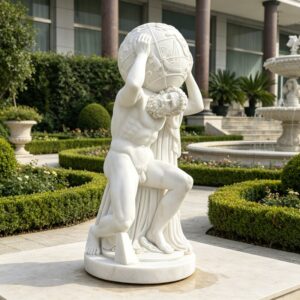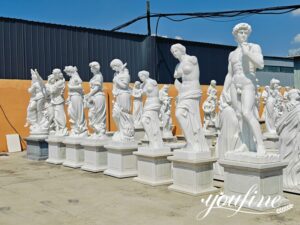
When people first hear the term romantic sculpture, many assume it simply refers to sculptures about love. In reality, Romanticism is far more powerful and complex.
As a sculptor with over 10 years of experience working with clients from around the world, I’ve seen how Romantic sculptures can transform a space—not just visually, but emotionally. Whether it’s a public monument, a luxury garden, or a hotel installation, this style consistently creates a strong emotional connection.
In this guide, I’ll break down the true characteristics of Romantic sculptures, explain how they differ from other styles, and show you how to choose the right one for your project.
What Is Romantic Sculpture?
Romantic sculpture emerged in the late 18th to mid-19th century, during a time of major social and political change, including the French Revolution and the Industrial Revolution.
It developed as a reaction against Neoclassicism, which focused on order, logic, and idealized beauty.
In contrast, Romantic sculpture emphasizes:
- Emotion over reason
- Individual expression over perfection
- Movement over stillness
- Nature and imagination over rigid structure
In simple terms:
Romantic sculpture is an artistic style that expresses intense human emotion, dramatic movement, and a deep connection to nature and imagination.
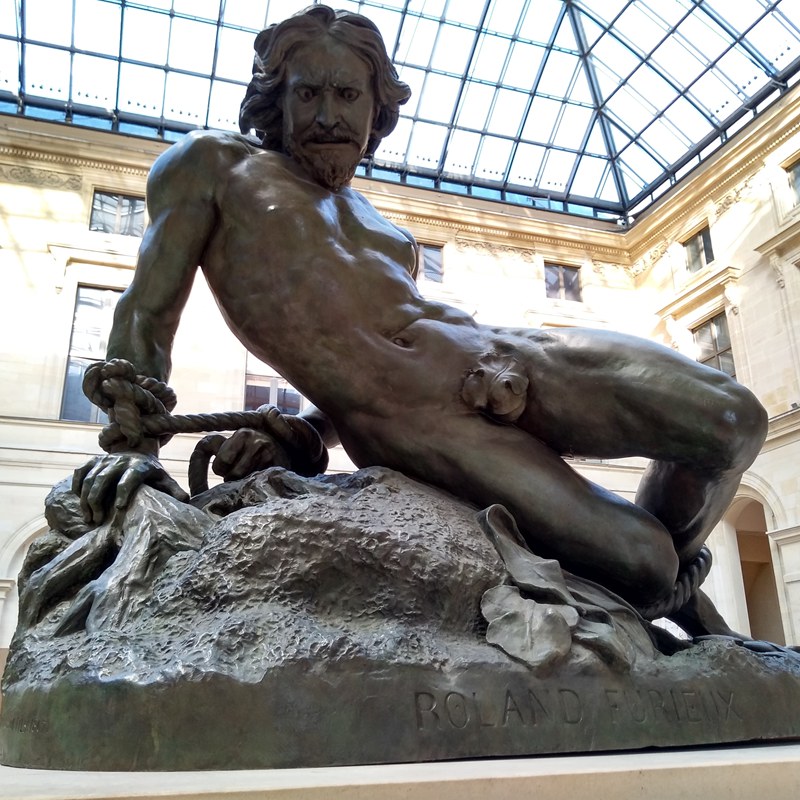
Core Characteristics of Romantic Sculptures
1. Emotional Intensity
The most defining feature of Romantic sculpture is its emotional power.
Unlike classical works that aim for calm and balance, Romantic sculptures often depict:
- Passion
- Suffering
- Heroism
- Love and tragedy
Facial expressions are vivid and dramatic, making viewers feel the emotion immediately.
From my experience, clients often choose Romantic sculptures for public spaces because they naturally attract attention and create emotional engagement.
2. Movement and Dynamism
Romantic sculptures are rarely static. Instead, they are full of motion.
You’ll often see:
- Twisting bodies
- Flowing garments
- Action-filled poses
This sense of movement makes the sculpture feel alive, as if it captures a moment in time. This is a key difference from Neoclassical sculpture, which tends to be still and composed.
3. Individualism and Expression
Romantic artists focused on individuality rather than ideal perfection.
Instead of creating “perfect” human forms, they emphasized:
- Unique personalities
- Real human emotions
- Imperfections that add authenticity
Today’s buyers increasingly prefer sculptures that tell a story or express identity, rather than just decorative symmetry.
4. Nature and the Sublime
Nature plays a major role in Romantic sculpture.
Artists often drew inspiration from:
- Wild animals
- Natural forces (storms, wind, chaos)
- The overwhelming power of nature
This reflects the Romantic idea of the “sublim”—something both beautiful and awe-inspiring.
This makes Romantic sculptures ideal for gardens, parks, and outdoor landscapes.
5. Dramatic and Narrative Themes
Romantic sculptures often tell powerful stories.
Common subjects include:
- Mythology
- Historical events
- Revolutionary struggles
- Heroic or tragic moments
These works are not just decorative—they are narrative-driven and emotionally charged.
6. Rich Detail and Texture
Another key feature is the high level of detail.
Artists paid great attention to:
- Hair and facial features
- Muscle tension
- Fabric folds
- Surface textures
These details enhance realism and create strong light-and-shadow effects, especially in marble and bronze sculptures.
7. Imagination and Fantasy
Romanticism embraces imagination.
You’ll often find:
- Angels
- Mythical creatures
- Symbolic figures
- Dream-like compositions
This gives artists the freedom to go beyond reality and express deeper emotional or philosophical ideas.
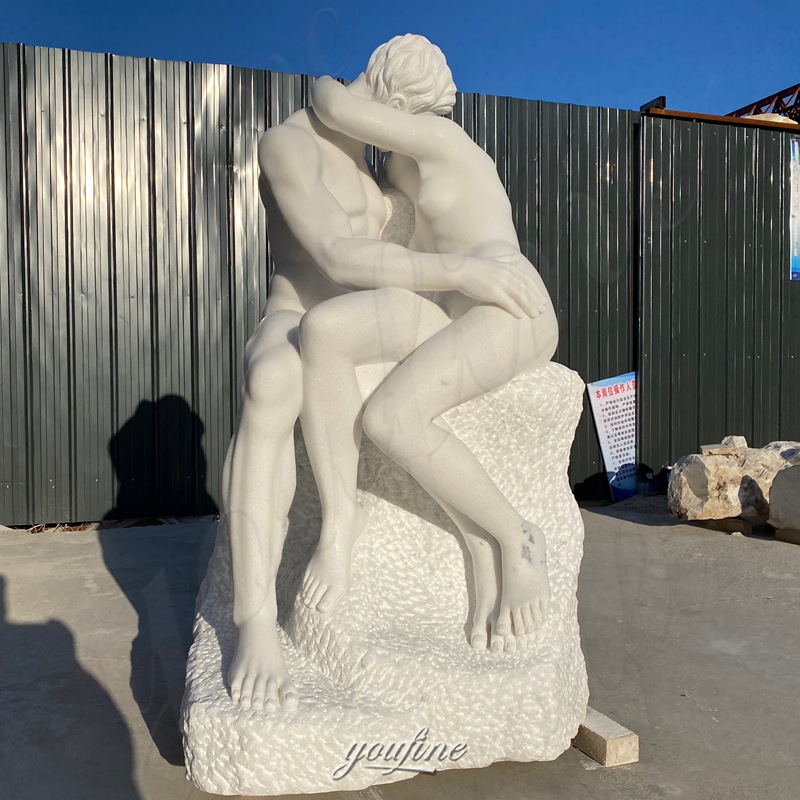
Romantic vs. Neoclassical Sculpture
Understanding the difference between these two styles is essential:
Feature | Romantic Sculpture | Neoclassical Sculpture |
Emotion | Intense and dramatic | Calm and controlled |
Movement | Dynamic and energetic | Static and balanced |
Theme | Nature, struggle, imagination | Order, logic, ideal beauty |
Expression | Individual and emotional | Universal and idealized |
In short:
Neoclassical = perfection You could learn more: What are the Characteristics of the Neoclassical Sculptures
Romantic = emotion
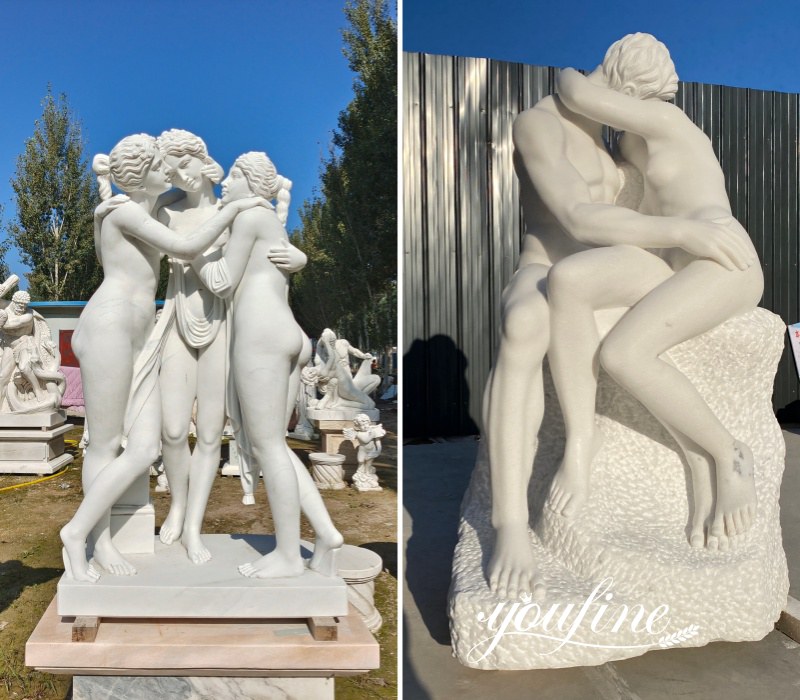
Famous Romantic Sculptures and Artists
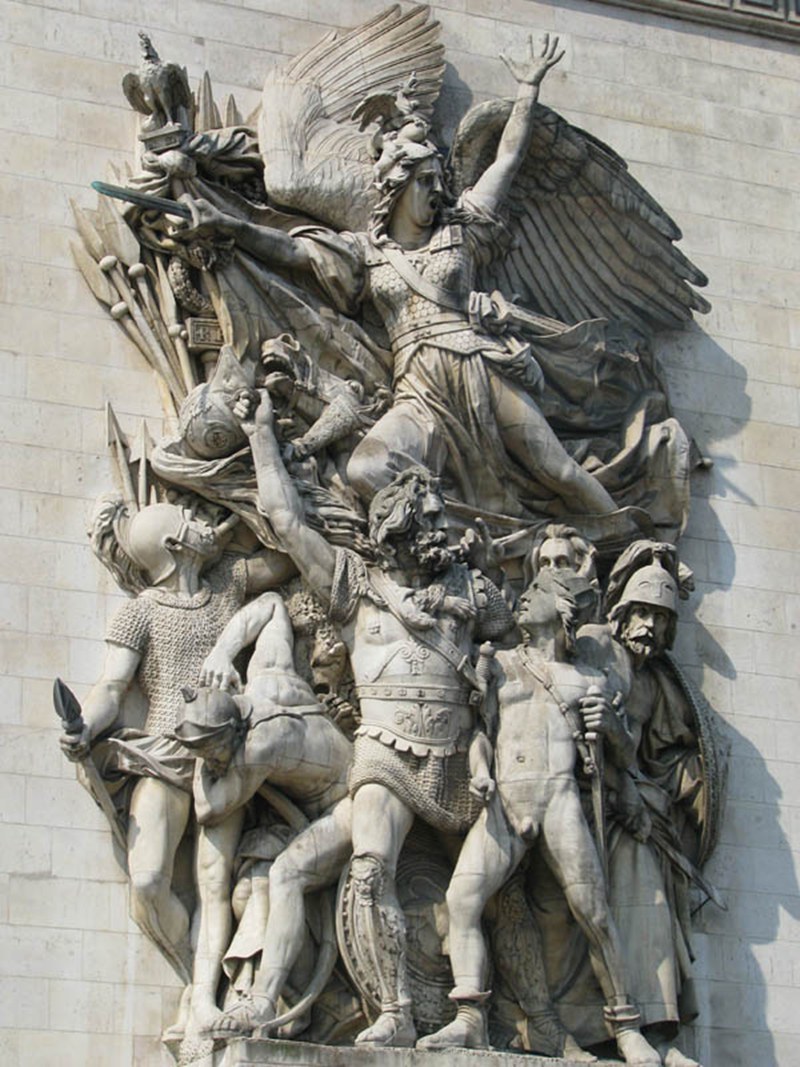
1. La Marseillaise–François Rude
Located in Paris, this dramatic relief shows soldiers marching into battle.
Why it’s Romantic: intense emotion, strong movement, and heroic energy.
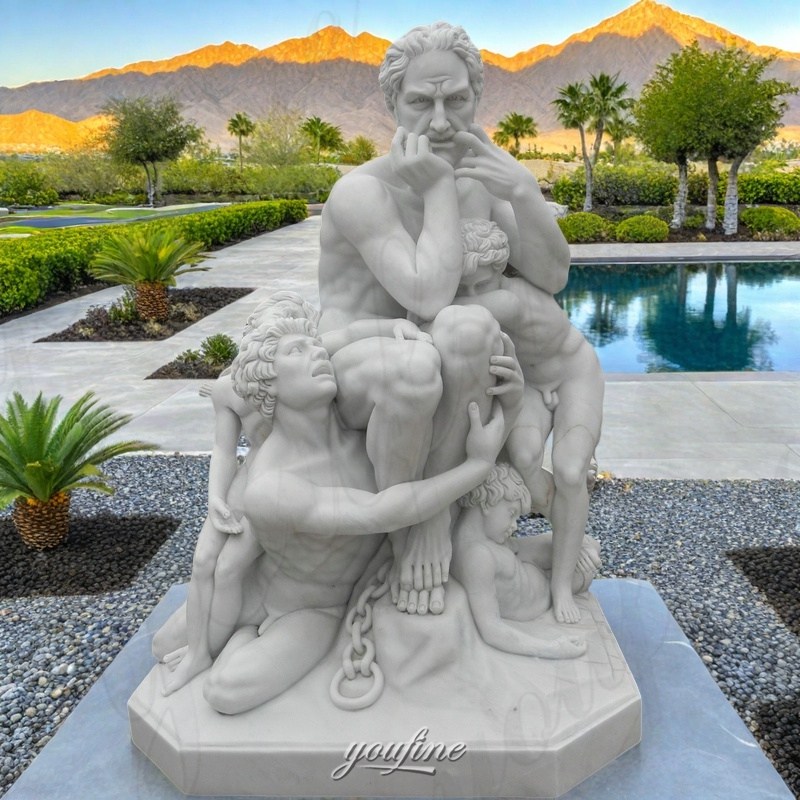
2. Ugolino and His Sons–Jean-Baptiste Carpeaux
Inspired by Dante Alighieri, this sculpture captures extreme human suffering.
Why it’s Romantic: emotional depth and raw human expression.
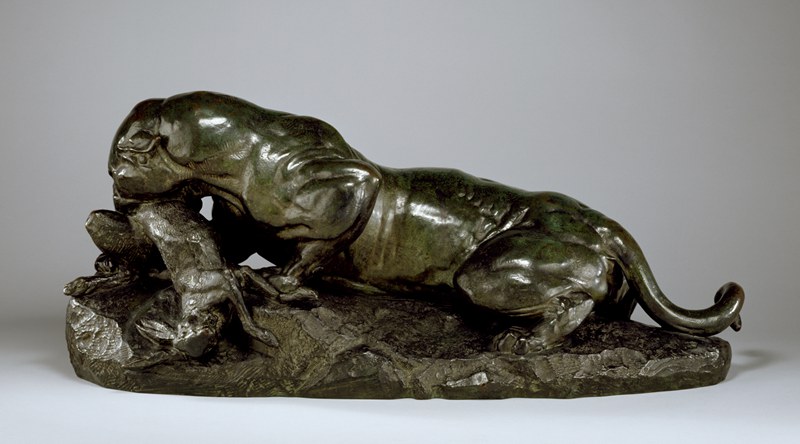
3. Animal Sculptures–Antoine-Louis Barye
Famous for dynamic works like lions in combat.
Why it’s Romantic: showcases nature’s power, tension, and movement.
4. The Dance–Jean-Baptiste Carpeaux
A lively sculpture on the Paris Opera façade.
Why it’s Romantic: flowing motion and expressive, joyful energy.
5. Works of Auguste Rodin
Bridging Romanticism and modern art.
Why it’s Romantic: focus on inner emotion and expressive form.
Why Romantic Sculptures Still Matter Today
Even in modern design, Romantic sculptures remain highly relevant.
1. Strong Emotional Impact
They immediately draw attention and create a memorable experience.
2. Perfect for Commercial Spaces
Ideal for:
- Hotels
- Resorts
- Public plazas
- Luxury gardens
3. Storytelling Value
Clients often choose Romantic sculptures because:
- They “tell a story”
- They create a focal point
- They enhance brand identity
How to Choose a Romantic Sculpture for Your Project
If you’re considering a Romantic sculpture, here are a few key factors:
1. Space and Placement
Indoor: more refined, moderate detail
Outdoor: larger scale, stronger movement
2. Emotional Tone
Calm and poetic → softer Romantic style
Powerful and dramatic → intense compositions
3. Material Selection
Marble → elegant, classical feel
Bronze → dynamic, strong, suitable for outdoor use
Professional advice: Always match the sculpture’s emotion with the purpose of the space.
Conclusion
Romantic sculptures stand out because of their:
- Emotional intensity
- Dynamic movement
- Individual expression
- Connection to nature
- Dramatic storytelling
- Rich detail
- Imaginative elements
At their core, they are about emotion and human experience.
If you’re looking to create a space that truly resonates with people, a Romantic sculpture can be one of the most powerful choices.
Need Help Choosing the Right Sculpture?
With over 40 years of experience in the sculpture industry, YouFine has helped clients worldwide select and customize sculptures for gardens, hotels, public spaces, and private projects.
If you’re not sure which style or design suits your project, feel free to contact us—we’d be happy to recommend the best options based on your needs.