The cost of a wrought iron conservatory can vary widely depending on size, design, and materials. On average, you can expect to invest anywhere from $12,000 to $80,000.
While this range is broad, it reflects the flexibility of conservatory construction—whether you are dreaming of a compact garden retreat or a grand extension that feels like an entirely new room in your home.
In this blog, we’ll explore why wrought iron gaezbos stand out, the key factors that affect pricing, and how they can even increase your property value.
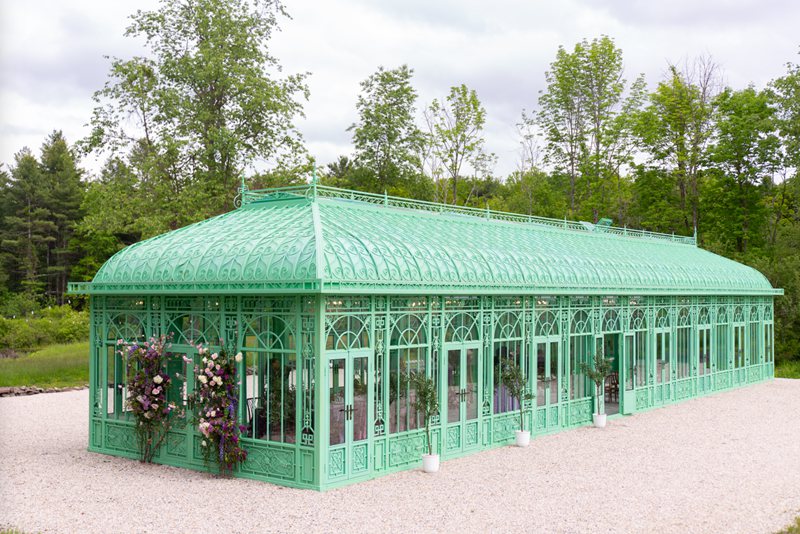
Why Choose a Wrought Iron Conservatory?
Unlike prefabricated gazebos or lightweight aluminum structures, a wrought iron conservatory is built to last for decades and can truly function as an extension of your home.
Its versatile design allows it to be used as a sunroom, dining area, home office, greenhouse, or even a luxurious lounge.
With its solid construction and timeless elegance, a wrought iron conservatory offers both beauty and practicality—making it a worthwhile long-term investment.
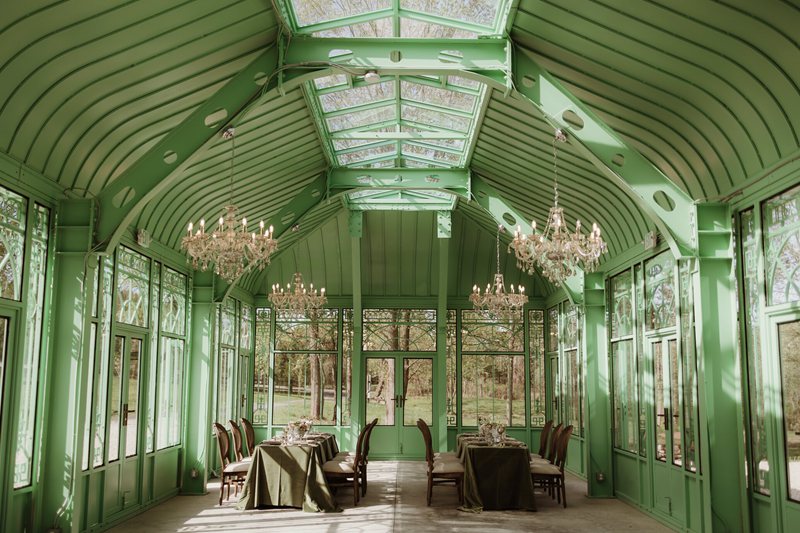
Conservatory Cost Factors
Size
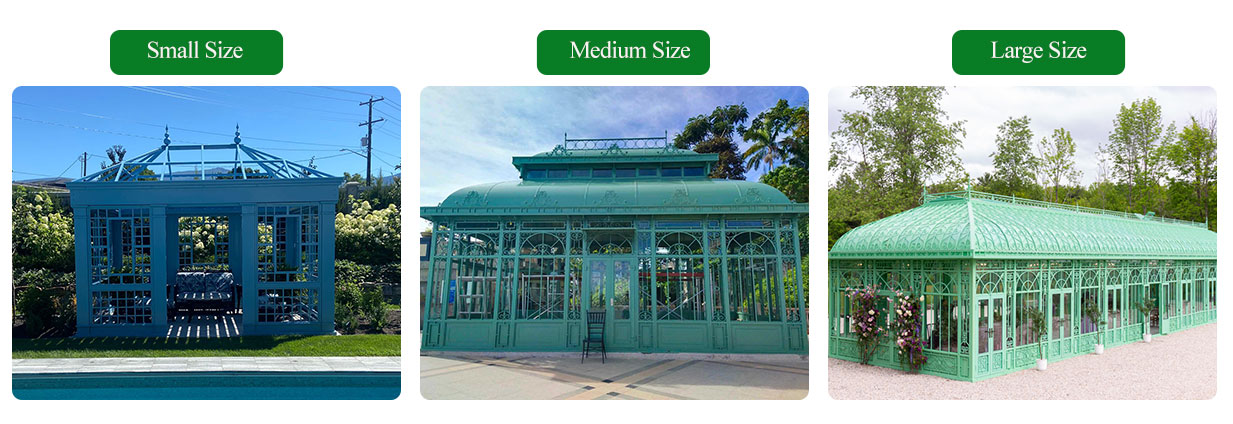
Smaller conservatories typically require less material and simpler installation, while larger ones may need reinforced steel structures for stability. The bigger the conservatory, the more it approaches the feel of a full architectural extension.
| Conservatory Size | Approx. Cost Range (USD) | Recommended Uses |
|---|---|---|
| Small (15–20 m²) | $12,000 – $18,000 | Compact garden lounge, tea room, small greenhouse, private reading corner |
| Medium (20–35 m²) | $18,000 – $40,000 | Dining area, home office, extended living space, medium-sized greenhouse |
| Large (35–50 m²) | $45,000 – $60,000 | Family room, sunroom, entertainment space, hobby studio |
| Extra-Large (55 m²+) | $65,000 – $80,000+ | Luxury garden ballroom, poolside enclosure, wedding/events venue, full architectural extension |
Design
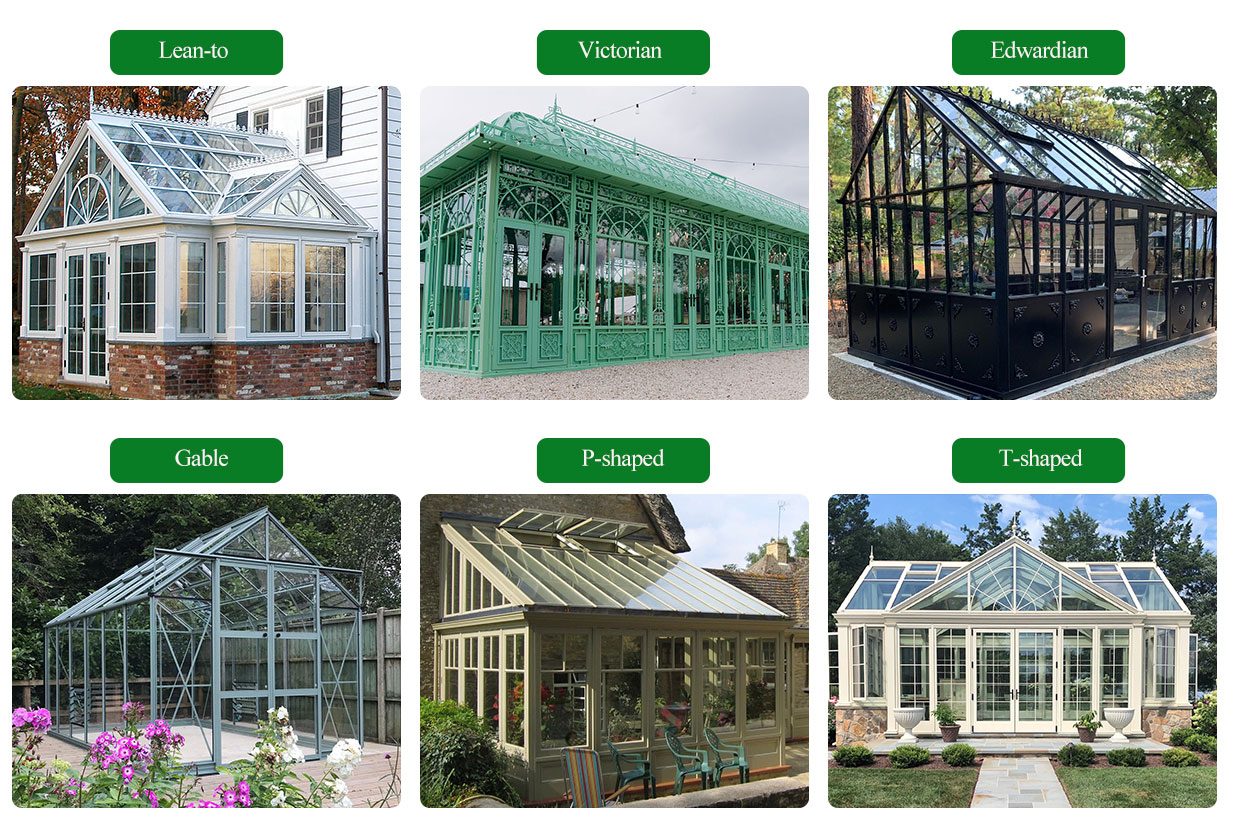
Popular styles include Lean-to, Victorian, Edwardian, Gable, P-shaped, T-shaped, or fully Custom layouts. Each design involves different complexities in structure and detailing, which directly impact the cost.
| Style | Main Features | Best For |
| Lean-to | Simple rectangular shape, one sloping roof, usually built against an existing wall | Small gardens, budget-friendly extensions, sunrooms |
| Victorian | Classic rounded/curved bay front, ornate detailing, steep roof pitch | Elegant garden rooms, traditional homes, decorative focal points |
| Edwardian | Square/rectangular floor plan, pitched roof, maximizes interior space | Dining rooms, living extensions, modern families |
| Gable | High-pitched triangular front, dramatic height and light-filled interior | Statement architecture, spacious lounges, tall plants |
| P-shaped | Combines Lean-to + Victorian/Edwardian, creates two functional areas | Large homes, combining dining + lounge, versatile use |
| T-shaped | Central projection with symmetrical wings, very spacious and stylish | Luxury extensions, entertaining spaces, connecting multiple rooms |
| Fully Custom | Tailored design, choice of shape, size, glazing, and details | Unique architectural projects, high-end bespoke conservatories |
Material Choices
Structure: Wrought iron frames can be galvanized tubes or fully hot-dip galvanized for maximum rust resistance.
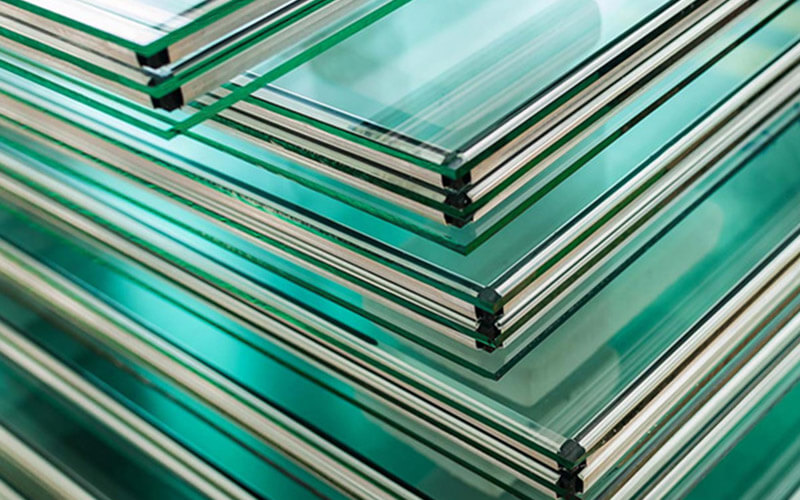
Glazing: Options range from standard glass to double glazing, laminated safety glass, or Low-E energy-efficient glass. The choice of glazing not only influences cost but also affects insulation, durability, and comfort.
| Glass Type | Main Features | Pros | Cons | Best For |
| Standard Glass | Single-pane clear glass | Low cost, simple installation | Poor insulation, prone to heat loss and condensation | Small conservatories, budget projects |
| Double Glazing | Two panes with air gap in between | Better insulation, reduces noise, more energy-efficient | Slightly higher cost | All-around use, year-round rooms |
| Laminated Glass | Two or more layers bonded with a PVB interlayer | Safety glass (shatter-resistant), UV protection | More expensive, heavier | High-traffic areas, child-safe rooms |
| Low-E Glass | Coated to reflect heat back inside, blocks UV while allowing light in | Energy-efficient, reduces fading of furniture/plants | Higher upfront cost | Year-round living spaces, sunrooms |
| Double Laminated Glass | Combines double glazing + laminated safety layer | Maximum insulation, safety, and UV protection | Expensive, heavy | Luxury conservatories, high-end homes |
Does a Conservatory Increase Home Value?
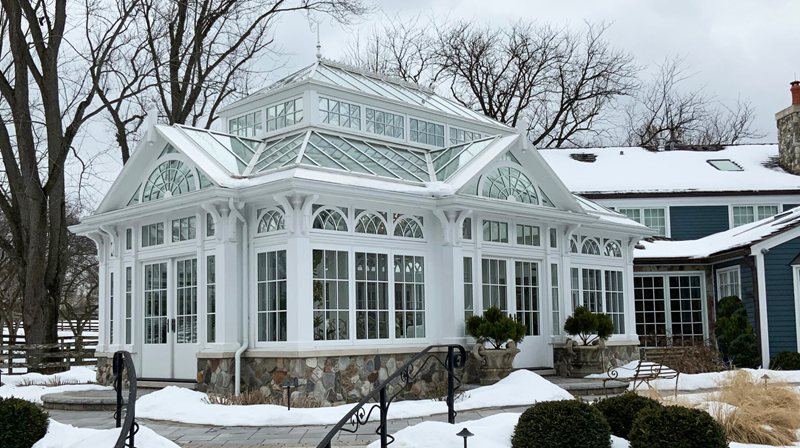
Yes. A well-built conservatory not only expands your living space but also enhances the architectural character of your property. Because wrought iron conservatories are considered permanent, high-quality extensions, they are often viewed as value-adding assets by potential buyers. This means your investment can pay off both in lifestyle improvements and in long-term resale value.
What Can YouFine Do for You?
At YouFine, we specialize in both standard and fully customized wrought iron conservatories. Our services include:
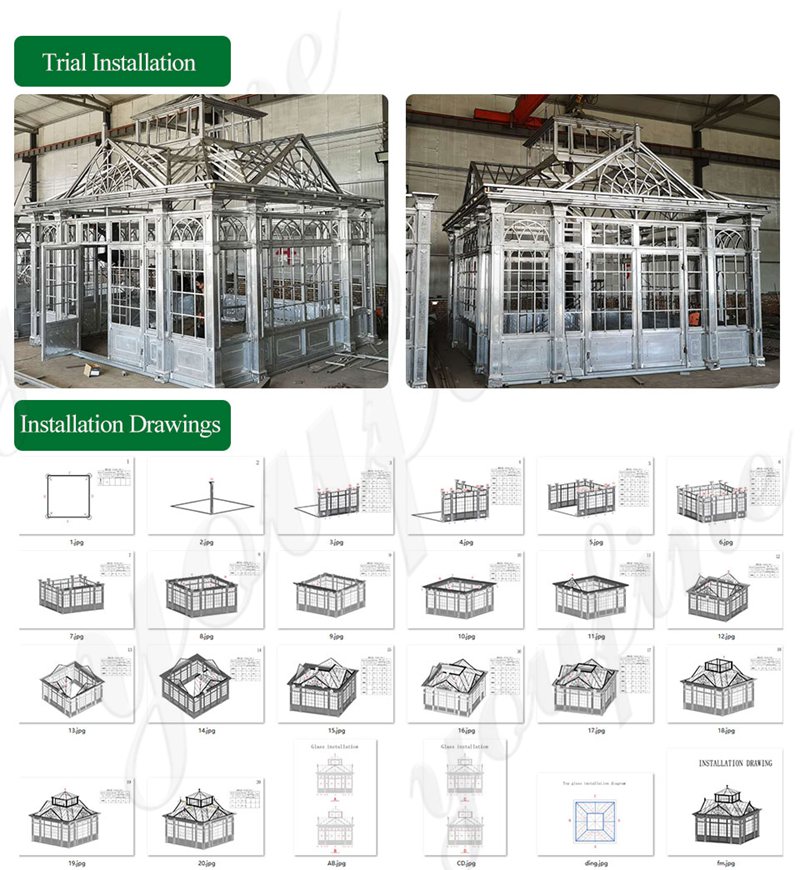
- Providing detailed professional drawings tailored to your property
- Engineering solutions for rain, snow, UV resistance, and extreme weather
- Hidden drainage systems for seamless design
- High-quality finishes and glazing options
- Support with installation instructions and technical guidance
With over 40 years of craftsmanship experience, YouFine ensures that every conservatory blends beauty, strength, and functionality.
Let’s Create the Perfect Iron Conservatory for You
Whether you’re envisioning a cozy garden retreat or a grand architectural centerpiece, YouFine is here to turn your conservatory ideas into reality. Contact us today to start designing a wrought iron conservatory that perfectly matches your lifestyle and enhances your home.